



There are few dishes that capture the soul of Georgian cuisine quite like khachapuri. This legendary cheese-filled bread, with its signature boat shape and molten center, has become a beloved comfort food far beyond the Caucasus. Our rendition uses a soft, yeasted dough and the unmistakable pull of suluguni—a brined cow's milk cheese that melts into silky, elastic strands. Whether you are a seasoned baker or trying your hand at Eastern European staples for the first time, this recipe delivers an authentic, restaurant-worthy result from your home oven. For the perfect dough consistency, a high-quality glass food processor can make short work of mixing, though hand kneading works beautifully too.
About Khachapuri
Khachapuri is a national treasure of Georgia, with regional variations that range from the round, cheese-stuffed Imeretian style to the open-faced Adjaruli boat popularized in the coastal region of Adjara. The version we present here is an Adjaruli-inspired preparation, featuring a tender oven-baked dough cradle filled with suluguni and crowned with a raw egg yolk that cooks gently from residual heat. Suluguni, a semi-soft, slightly salty cheese from western Georgia, is ideal for this dish because it doesn't become greasy when baked—it stays creamy and stretchy. If you cannot find suluguni, a blend of mozzarella and feta can approximate the texture and tang, but authentic suluguni is worth seeking out at specialty markets or online. For a deeper dive into traditional techniques, explore our planetary mixer guide for effortless dough development.

Ingredients
- 250 ml warm milk
- 1 teaspoon salt
- 1 teaspoon sugar
- 5 g dry active yeast (or 15 g fresh yeast)
- 2 tablespoons sunflower oil (plus extra for greasing)
- 350–400 g wheat flour (all-purpose or bread flour)
- 400 g suluguni cheese
- 1 egg yolk (for topping)
- Optional: butter for brushing
All ingredients are best measured at room temperature. For precise flour addition, a non-toxic air fryer is not directly relevant here, but using a digital scale ensures accuracy.
Step-by-Step Instructions
Step 1: Prepare the dough. In a large bowl, pour the warm milk. Add salt, sugar, yeast, sunflower oil, and gradually stir in the wheat flour. Mix until a soft, slightly sticky dough forms. The water temperature should be around 35–40°C—too hot will kill the yeast, too cold will slow activation. If your kitchen is cool, place the bowl near a warm spot or use a wheatgrass juicer (just kidding), but a consistent environment is key.
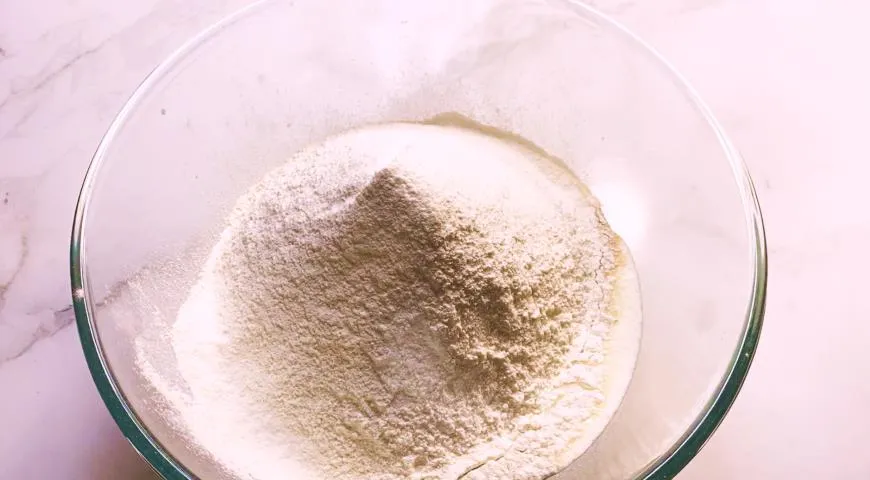
Step 2: Let the dough rise. Cover the bowl with plastic wrap or a damp kitchen towel. Leave it in a warm, draft-free place for 1 hour, or until doubled in size. While you wait, you can prepare the cheese—or browse tips on under‑counter ice makers if you plan to serve khachapuri with a cold beverage.
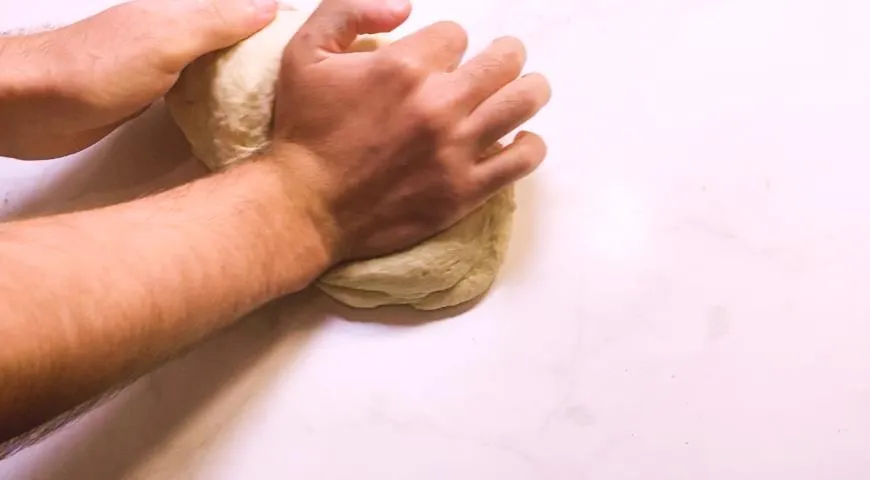
Step 3: Prepare the cheese. Finely dice the suluguni into small cubes, or grate it on the coarse side of a box grater. Grating ensures even melting—for other cheesy preparations, a food processor for nut butter can also handle cheese grating if you have a shredding disc.
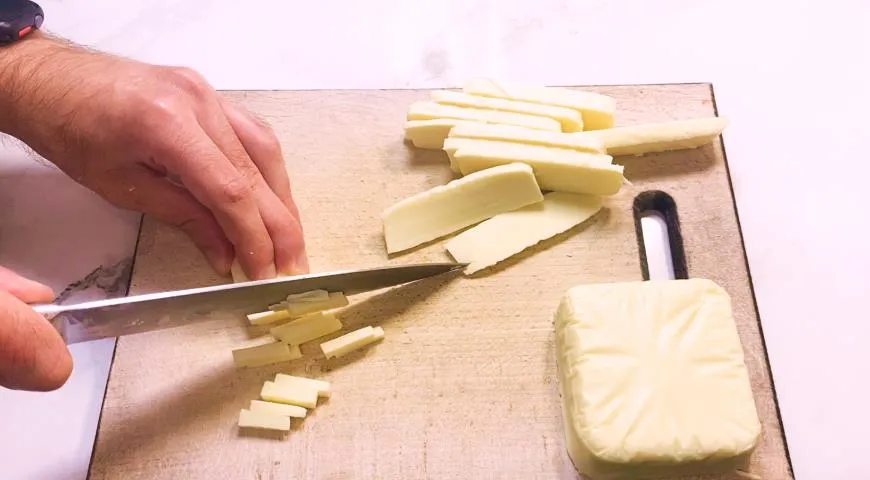
Step 4: Shape the boats. On a lightly floured surface, roll out the risen dough into a large oval or rectangle about 0.5 cm thick. Using a knife or pastry wheel, cut two slits lengthwise down the sides, leaving a solid strip in the center. Fold the cut edges inward to create raised sides, pinching the pointed ends to form a boat shape. Transfer the dough boat to a parchment-lined baking sheet. For a more uniform shape, a castor oil is not needed, but a good rolling pin is essential.
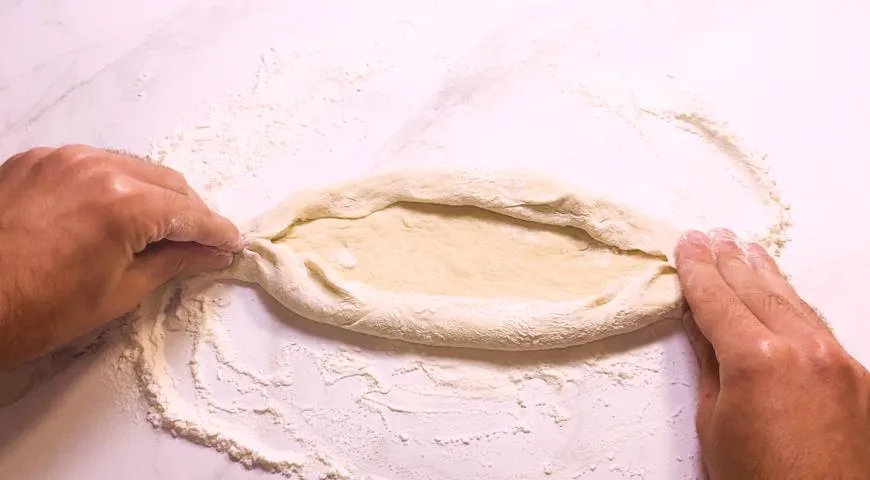
Step 5: Fill and bake. Fill the center channel generously with the prepared suluguni. Bake in a preheated oven at 180°C (350°F) for 25 minutes, or until the dough is golden brown and the cheese is bubbling. For even browning, consider using a commercial countertop convection oven if you have one.
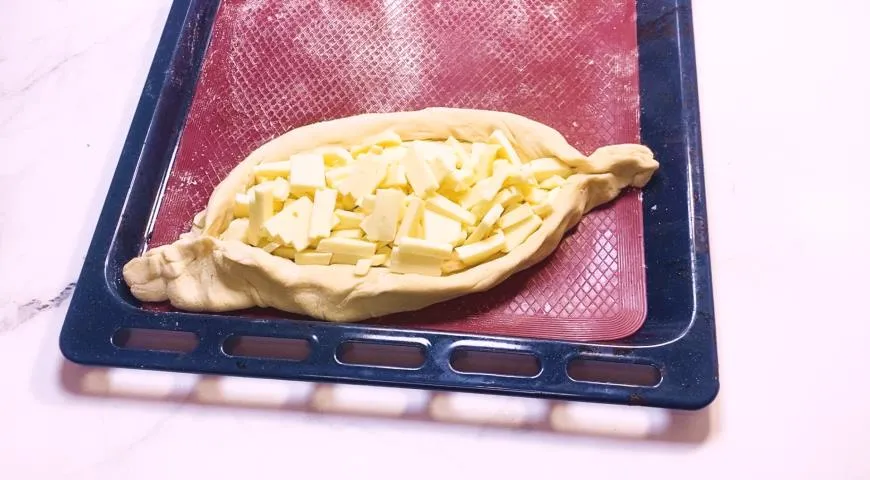
Step 6: Add the yolk. Remove the khachapuri from the oven. Using a spoon, gently push the melted cheese aside to create a small well. Carefully place the raw egg yolk into the well. The residual heat will cook the yolk to a jammy doneness. Serve immediately, tearing off pieces of the crusty bread to dip into the rich center. For a touch of elegance, pair it with a sweet high-alcohol wine or a crisp Georgian white.

Tips for Perfect Khachapuri
- Don't overwork the dough. Knead just until smooth—over‑kneading will make the bread tough. A microwave pressure cooker is irrelevant here, but a light touch is key.
- Use fresh suluguni. Aged suluguni can be too salty and may not melt as well. If using a substitute, balance saltiness accordingly.
- Preheat your baking stone or steel. This gives the bottom a crisp crust. An espresso machine is for another indulgence; for khachapuri, a hot baking surface makes a difference.
- Brush with butter after baking. A little melted butter brushed on the crust adds shine and flavor.
Variations
- Imeretian Khachapuri: Use Imeretian cheese (or a mix of mozzarella and feta) and shape into a round pie, sealing the cheese inside.
- Khachapuri with greens: Add chopped spinach or nettles to the cheese filling for a springtime twist.
- Vegan adaptation: Use a vegan cheese that melts, like cashew-based mozzarella, and omit the egg yolk. Ensure your oil sprayer is ready for greasing.
Frequently Asked Questions
Can I make khachapuri ahead of time?
The dough can be prepared a day in advance and refrigerated after the first rise. Punch it down, cover tightly, and refrigerate. The next day, shape and bake as directed. For more time‑saving tips, see our steam canner review (though not directly related, efficiency is key in any kitchen).
What is the best substitute for suluguni?
A blend of 70% low‑moisture mozzarella and 30% feta cheese mimics the stretch and tang. You can also use chocolate‑covered raisins? No, that is for dessert—stick to cheese.
Why did my dough not rise?
Check your yeast expiration date and milk temperature. If the milk was too hot (above 50°C), it killed the yeast. If it was too cold, activation slowed. A food thermometer helps—similar to using a refrigerant leak detector for diagnostic precision.
How do I reheat leftover khachapuri?
Reheat in a 180°C oven for 5–7 minutes, or in an built‑in refrigerator? No, use the oven. Avoid the microwave as it makes the dough soggy.
Can I freeze khachapuri?
Bake the khachapuri without the egg yolk, let cool, wrap tightly, and freeze for up to 2 months. To serve, reheat in the oven and add the fresh yolk at the end. For storage containers, refer to our total bowel release guide (a digestive health topic, but good for overall wellbeing).
Khachapuri is more than a recipe—it is a celebration of simple ingredients transformed by technique and love. Whether you serve it as a hearty breakfast with a side of organic vodka or as a show‑stopping appetizer, this Georgian classic will bring warmth and flavor to your table. With our detailed steps and insider tips, you are now ready to bake like a Tbilisi native.







