


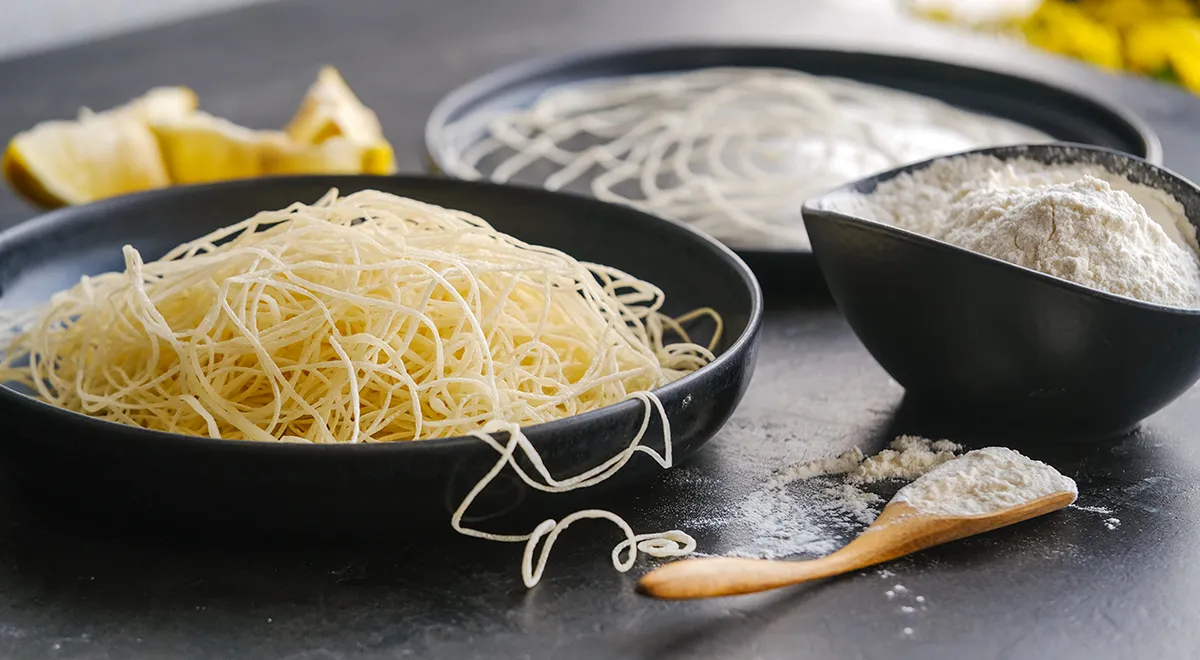
Kadaif dough is the soul of the iconic Middle Eastern dessert known as künefe or kadaif. This shredded phyllo pastry, with its golden, crispy strands and delicate texture, transforms into a luxurious treat when baked with cheese, nuts, or syrup. Making it from scratch might seem daunting, but with the right technique and a few essential tools, you can create this ethereal dough at home. This guide walks you through every step, from mixing the batter to frying the perfect threads, ensuring your desserts achieve that restaurant-quality crunch. Whether you are a seasoned baker or a curious home cook, mastering kadaif dough opens the door to a world of sweet and savory possibilities. Let's dive into the art of making this magnificent pastry.
About Kadaif Dough
Kadaif dough, also known as kataifi, is a type of thin, shredded phyllo pastry that originated in the Ottoman Empire. Unlike standard phyllo sheets, kadaif is made by drizzling a thin batter onto a hot surface, creating fine, thread-like strands that are then gathered and used in layered desserts. The dough is prized for its ability to absorb syrups while retaining a delightful crispness. It is the foundational element of classic desserts like künefe (a cheese-filled pastry baked until golden) and kadaif with walnuts. The secret to perfect kadaif lies in the consistency of the batter and the speed of the drizzling process. For the best results, using a high-quality non-toxic immersion blender ensures a lump-free mixture, and a reliable planetary mixer can handle the vigorous mixing if you prefer a stand mixer. Once you taste homemade kadaif, you will never go back to store-bought versions.

Ingredients for Kadaif Dough
This recipe yields approximately 500 grams of fresh kadaif dough, enough for one large dessert. The ingredients are simple and pantry-friendly:
- 2 cups (about 260 g) all-purpose flour
- ½ cup (about 60 g) cornstarch (or potato starch)
- 3 tablespoons vegetable oil (neutral flavor, like sunflower or canola)
- 1 large egg
- 1 pinch of salt
- 1 teaspoon lemon juice (helps with elasticity and prevents browning)
- 300 ml warm boiled water (around 40°C / 104°F)
Using the right flour-to-starch ratio is critical: the cornstarch lightens the dough and creates the characteristic delicate strands. For precise measuring, use a glass measuring cup to ensure accuracy. The lemon juice acts as a natural tenderizer, while the oil adds pliability. If you want to store the dough for later, an oil sprayer helps lightly coat the strands to prevent sticking.
Step-by-Step Preparation
Step 1: Combine Dry Ingredients
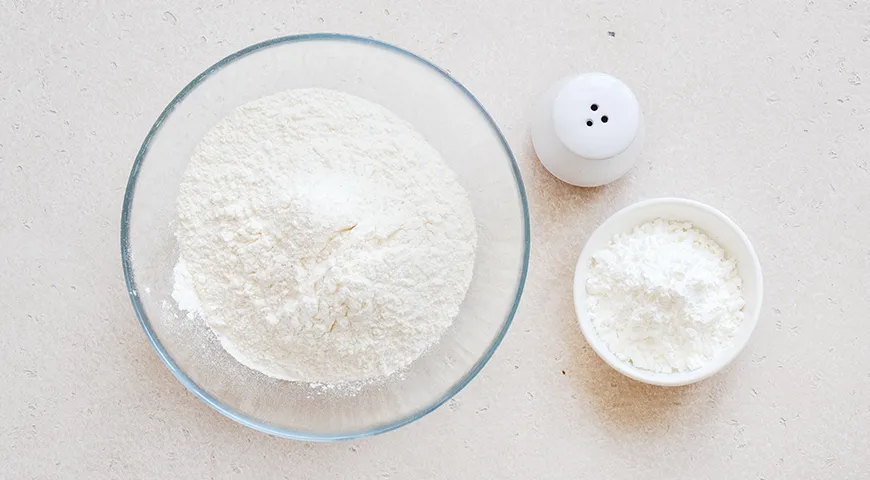
In a large mixing bowl, whisk together the all-purpose flour, cornstarch, and salt until evenly distributed. This dry base ensures the batter has a consistent structure. A food processor can speed up this step, but a simple whisk works fine.
Step 2: Mix Wet Ingredients and Form Batter
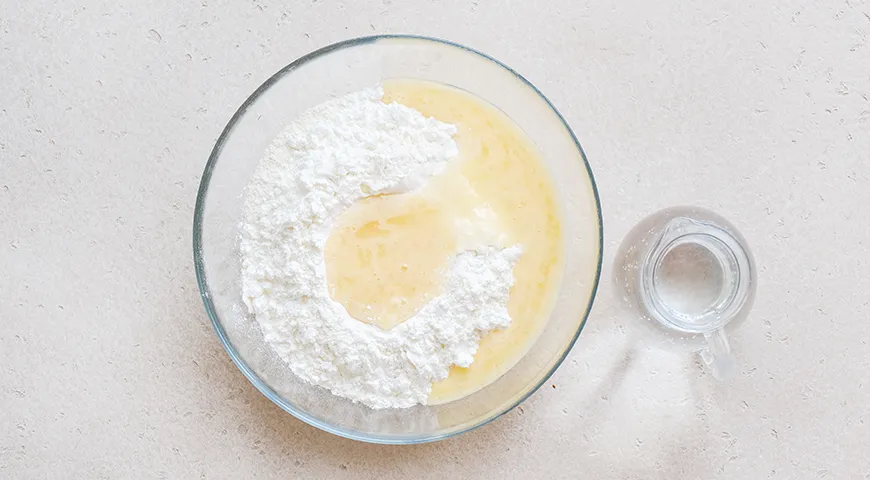
In a separate bowl, beat the egg lightly, then add the vegetable oil and lemon juice. Whisk until combined. Gradually pour this mixture into the dry ingredients while stirring. Slowly add the warm water, continuing to mix until a thin, smooth batter forms. The batter should be slightly thinner than pancake batter—about the consistency of heavy cream. An immersion blender is ideal for eliminating lumps quickly.
Step 3: Blend Until Smooth
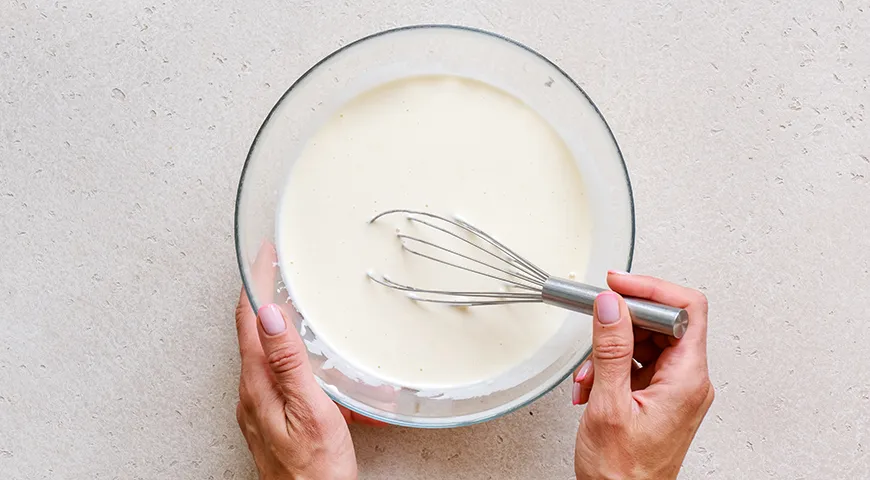
Use a blender or a planetary mixer with the whisk attachment to beat the batter vigorously for 2–3 minutes. The goal is a silky, lump-free liquid with no streaks of flour. If you see bubbles, that is normal. Let the batter rest for 5 minutes while you heat the pan. Cover it with a lid to prevent a skin from forming.
Step 4: Fry the Kadaif Strands
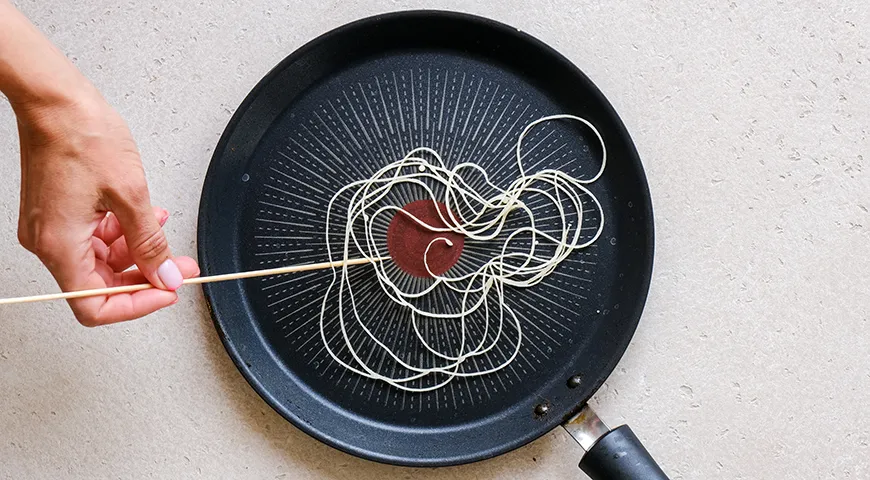
Heat a non-stick skillet or crepe pan over medium-high heat. Lightly grease the surface with a few drops of oil using an oil sprayer for even coating. Pour the batter into a fine-mesh sieve or a piping bag with a small round tip (3–4 mm). Drizzle the batter in a continuous, steady stream over the hot pan, moving in a spiral or back-and-forth pattern to create thin threads. Cook for only 7–10 seconds—until the strands are set but still pale. Do not brown them. Use a thin spatula to transfer the threaded sheet to a plate. Repeat with remaining batter. This step requires practice; if the batter is too thick, thin it with a tablespoon of water. A wheatgrass juicer is not needed, but a steady hand is key!
Tips for Perfect Kadaif Dough
To guarantee success, follow these expert tips. First, always use warm water (not hot) to activate the gluten gently; too hot will cook the egg prematurely. Second, the pan must be hot enough that a droplet of water sizzles immediately, but not smoking. Third, work in batches—do not crowd the pan. Fourth, keep cooked strands covered with a damp cloth to avoid drying out. For storage, you can refrigerate the dough for up to 2 days in an airtight container; for longer, freeze it. An undercounter ice maker is irrelevant here, but you can use a microwave pressure cooker to steam any leftover dough for a quick reheat (though not recommended for fresh kadaif).
Variations and Uses
Once you have homemade kadaif dough, the possibilities are endless. For a classic Turkish dessert, layer the strands with melted butter and fill with unsalted künefe cheese or shredded mozzarella, then bake until golden and soak in simple syrup (skip the vodka!). You can also roll the dough around walnuts or pistachios to make kadaif rolls, then fry or bake them. For a savory twist, use kadaif as a crust for chicken or vegetable pies. The dough pairs wonderfully with a non-toxic air fryer for a healthier crispy texture. If you want to experiment with colors, add a pinch of turmeric for yellow strands or beet powder for pink, but keep the flavor neutral. An commercial convection oven can handle large batches for parties.
FAQ
What is kadaif dough made of?
Kadaif dough is made from a simple batter of flour, cornstarch, water, egg, oil, salt, and a touch of lemon juice. The batter is drizzled onto a hot pan to form thin, thread-like strands, which are then used in layered desserts.
Can I make kadaif dough without a special pan?
Yes, a standard non-stick crepe pan or a well-seasoned cast-iron skillet works perfectly. The key is even heat distribution. If you have a dedicated espresso machine, that won't help—stick to a flat pan.
Why did my kadaif strands become thick and clumpy?
This usually happens if the batter is too thick or the pouring spout is too large. Adjust by adding a little more warm water to thin the batter. Also, use a smaller nozzle on the piping bag or a sieve with fine holes. A refrigerant leak detector is unrelated; focus on the batter consistency.
How do I store leftover kadaif dough?
Place the fried strands in an airtight container, layering them with parchment paper. Refrigerate for up to 2 days or freeze for 1 month. Thaw in the fridge overnight before use. An 48-inch built-in refrigerator offers ample space for large batches.
Can I use gluten-free flour for kadiaf dough?
Yes, you can substitute the all-purpose flour with a gluten-free blend that contains xanthan gum. Increase the water slightly as gluten-free flours absorb more liquid. The texture may be slightly more fragile, but still delicious. A steam canner is not needed; just follow the same steps.
Conclusion
Making kadaif dough from scratch is a rewarding culinary adventure that elevates your desserts to professional-level excellence. With just a handful of ingredients and a bit of patience, you can create ethereal, crispy strands that form the backbone of iconic sweets like künefe and walnut rolls. Embrace the process—each batch will improve with practice. For more inspiration, check out our Catalan sponge cake recipe or explore our sweet wine pairings to complete your dessert spread. Happy cooking!







