


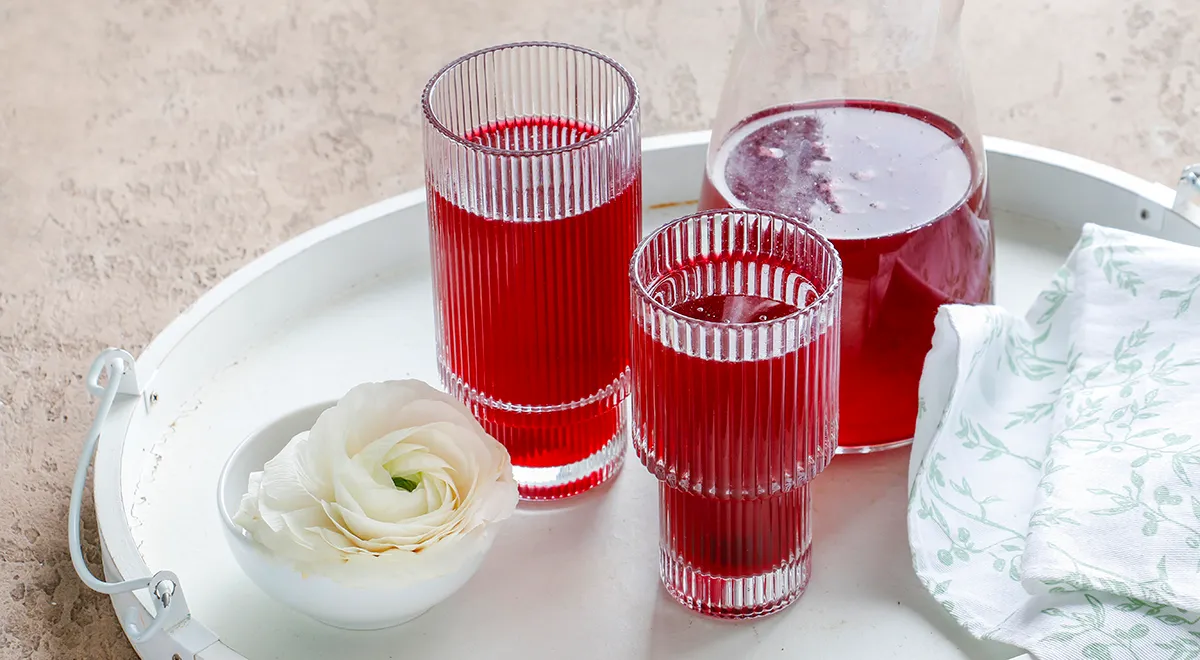
There is something deeply comforting about a steaming cup of black currant compote on a cold winter afternoon. The bold, tangy sweetness of black currants—frozen at peak ripeness—unfurls into a deeply aromatic brew that recalls summer gardens and sun-warmed berries. This frozen black currant compote with ginger elevates a simple home staple into a sophisticated, warming elixir. The recipe itself is remarkably straightforward, yet the layering of flavors—from the sharp citrusy notes of fresh ginger to the subtle spice of star anise or cloves—transforms it into a versatile base for cocktails, winter punches, or a soothing cold-weather remedy. Whether you are looking for a non-toxic air fryer for roasting chestnuts alongside or a steam canner for preserving this compote for months, you will find this recipe an essential addition to your seasonal repertoire.
About Frozen Black Currant Compote
Black currants are among the most intensely flavored berries—rich in vitamin C, antioxidants, and a signature tartness that balances perfectly with sugar. When frozen, they retain almost all of their nutritional punch and aromatic intensity, making them an ideal candidate for compote throughout the year. In Russian tradition, compote (kompot) is a beloved homemade beverage, often served both hot and cold, and cherished for its ability to evoke a sense of home and warmth. This version, enhanced with fresh ginger and optional spices like star anise or cloves, adds a modern twist. For those who value precision in the kitchen, using a best planetary mixer may not be necessary here, but a reliable glass food processor can be handy for grating ginger or crushing spices. The compote also pairs wonderfully with a slice of Catalan sponge cake for a delightful dessert.

Ingredients
- 2 litres water
- 300 g frozen black currants (fresh-frozen, preferably unsweetened)
- 2 cm fresh ginger root, peeled
- 150–180 g granulated sugar (adjust to taste; honey can substitute)
- Optional: star anise pod, 1–2 cloves, or a cinnamon stick
For a cleaner, more sophisticated flavor profile, opt for organic sugar or raw honey. The ginger should be fresh and firm—avoid dried or powdered ginger, as the fresh root provides a bright, peppery kick that contrasts beautifully with the berries. If you are using a non-toxic immersion blender later to puree the compote (for a thicker sauce), be sure to remove any spices first.
Step-by-Step Instructions
Step 1: Bring the Water to a Boil
Place a large pot (at least 3 litres capacity) filled with 2 litres of water over high heat. Cover with a lid to speed up the process. While waiting, prepare the ginger. A high-quality best espresso machine under 2000 might not be relevant here, but a reliable stovetop is all you need.
Step 2: Slice the Ginger
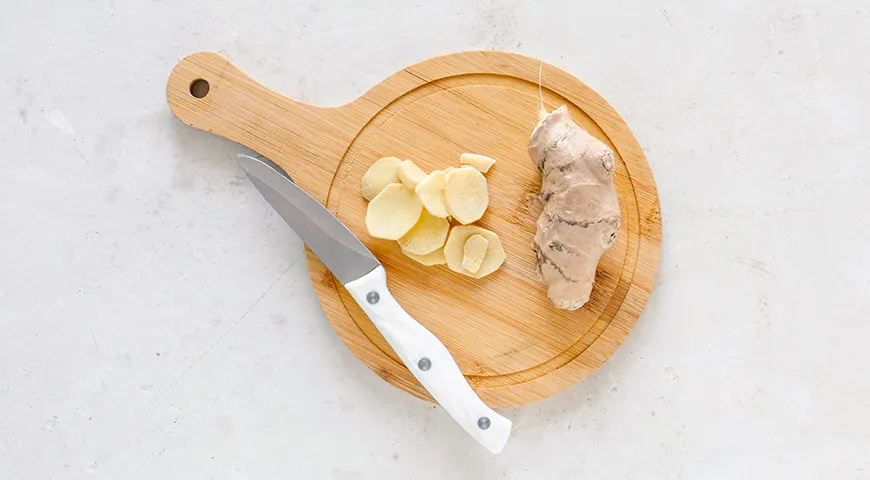
Peel the ginger root using the edge of a spoon or a vegetable peeler. Slice it into thin discs—about 2–3 mm thick. Thin slices release maximum flavor without turning the compote cloudy. For even thinner slices, a best oil sprayer is not needed, but a sharp mandoline works well.
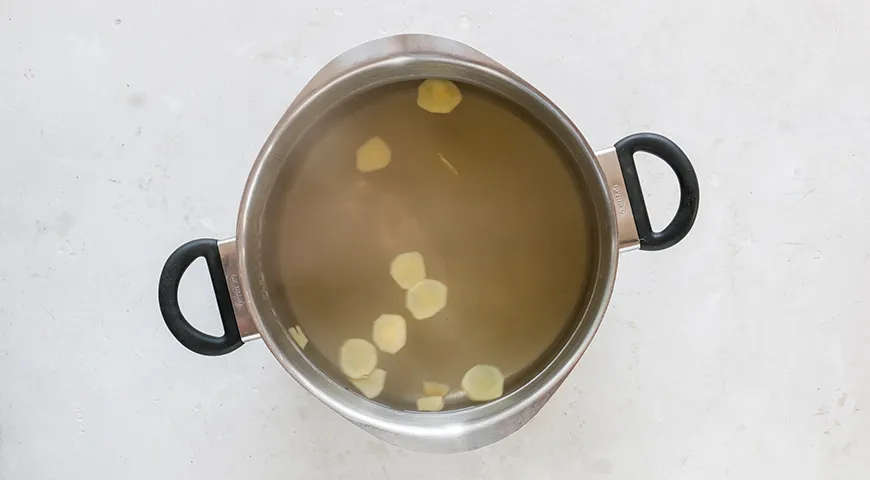
Step 3: Add Sugar and Ginger to the Boiling Water
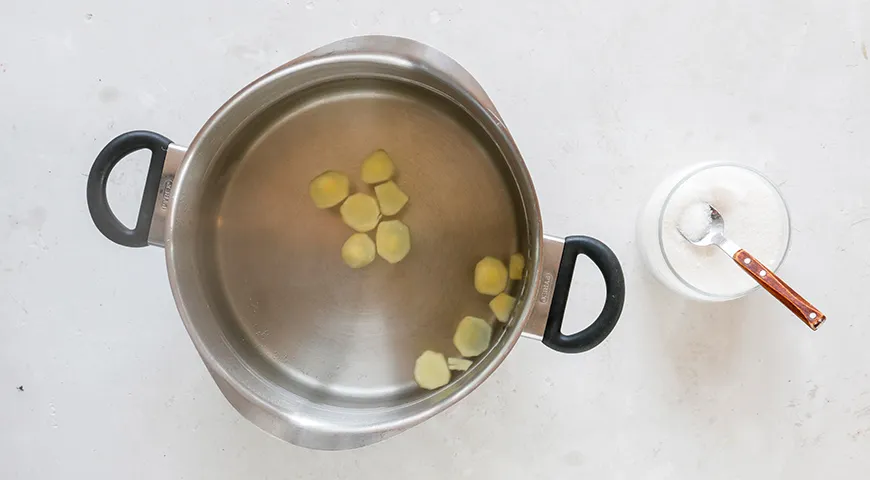
Once the water reaches a rolling boil, add the sugar and stir until completely dissolved. Then drop in the ginger slices. If you wish to use honey as a substitute, add it after the compote has finished cooking to preserve its delicate enzymes and floral notes. For a deeper spice, consider adding a best castor oil? No—instead, add a star anise or clove at this stage.
Step 4: Simmer for 2 Minutes
Let the mixture simmer gently for 2 minutes. This allows the ginger to infuse the water. Do not boil aggressively—a gentle bubble is sufficient. While this is happening, rinse the frozen berries under warm water in a colander to remove any ice crystals. If you are concerned about water quality, consider using a best undercounter ice maker machine for pure ice, but tap water works fine.
Step 5: Rinse the Frozen Berries
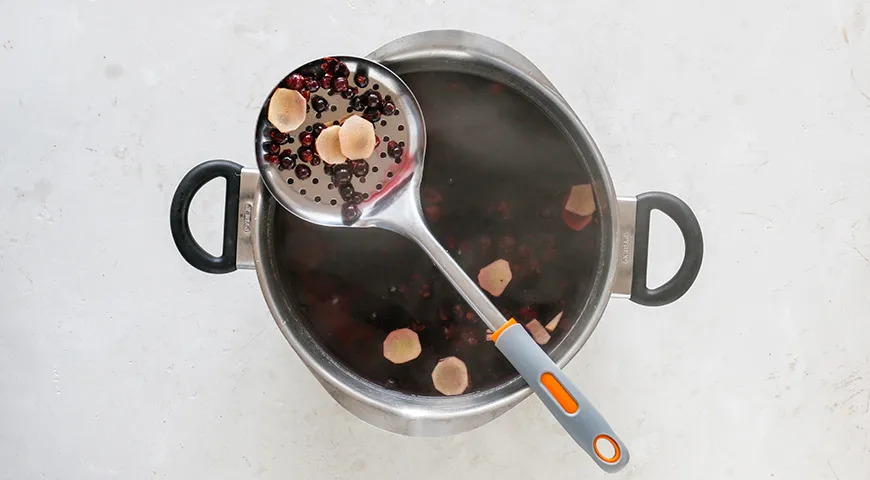
Place the frozen black currants in a colander and rinse quickly with lukewarm water. This thaws the outer layer slightly and removes any frost. Pat dry gently if desired. The rinse also helps the berries release their color more evenly. For a more hands-off approach, a best microwave pressure cooker can be used to thaw them faster, but the stovetop method is traditional.

Step 6: Cook the Berries
Add the rinsed berries to the pot. Increase heat to bring the mixture back to a boil, then reduce to low and simmer for 4–5 minutes. The berries will burst, releasing their deep purple juice. Avoid overcooking—6 minutes max, otherwise the flavor becomes flat. If you plan to strain the compote for a clear liquid, a best commercial countertop convection oven is not needed, but a fine-mesh sieve is essential.
Step 7: Steep and Serve
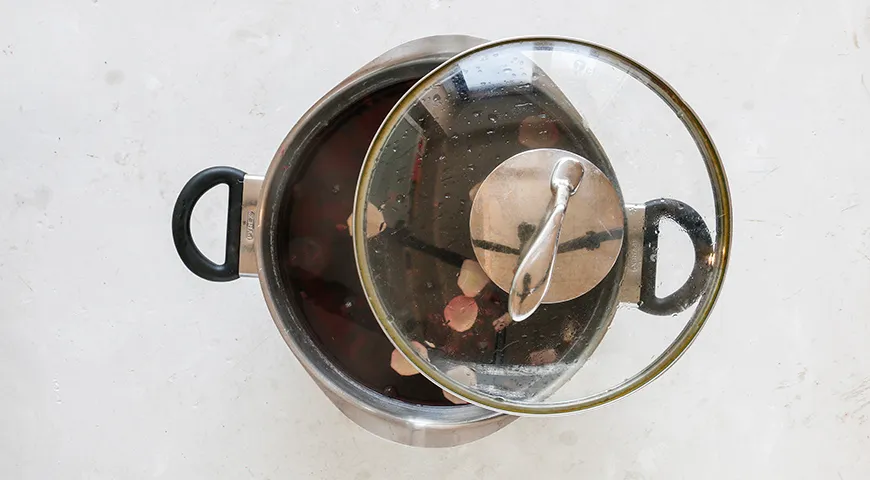
Remove the pot from heat. Cover tightly with a lid and let the compote steep for 20 minutes. This resting period allows the flavors to meld and the ginger to mellow. Serve hot for a soothing winter drink, or chill thoroughly for a refreshing summer beverage. For an elegant presentation, garnish with a few fresh mint leaves or a slice of lemon. A best chocolate covered raisins might be a surprising pairing, but they are actually delightful alongside the tart compote.
Tips for the Perfect Compote
- Sweetness Balance: Start with 150 g sugar; you can always add more. The berries’ natural tartness varies widely. If using honey, reduce the initial sugar by half.
- Spice Pairings: Star anise and ginger are a classic duo. For a warming holiday version, add a cinnamon stick and a vanilla bean (split). Avoid cloves if using star anise—they can overpower.
- Clarity vs. Pulp: For a clear compote, strain through a fine mesh sieve after steeping. If you prefer a thicker, pulpier drink (like a nectar), use an best wheatgrass juicer? No—use a food mill or simply leave the berries in.
- Storage: Refrigerate in a sealed container for up to 5 days. The compote also freezes beautifully—pour into ice cube trays for future cocktails or sauces. A best 48 inch built-in refrigerator will keep it cold for months.
Variations to Explore
Once you master the basic technique, the possibilities are endless. Try substituting black currants with a mix of frozen raspberries and blueberries for a different antioxidant profile. Add a splash of best organic vodka to the chilled compote for an adults-only cocktail. For a non-alcoholic version, stir in a tablespoon of best George Howell coffee after cooking—though unconventional, the coffee’s bitterness complements the currants remarkably. You can also create a spicy Mexican-inspired version by adding a dried chipotle pepper and a pinch of salt. And if you crave a creamy twist, blend the compote with yogurt using a best food processor for nut butter (though any blender works).
FAQ
Can I use fresh black currants instead of frozen?
Absolutely. Fresh berries will require slightly less cooking time—about 3 minutes instead of 4–5. The flavor will be brighter, but frozen berries offer convenience and year-round availability.
Is it necessary to rinse the frozen berries?
Yes, a quick rinse removes any frost and ice crystals that can dilute the compote. It also helps the berries release their juice more evenly. For a pristine result, you can even best store bought au jus for prime rib? Not relevant—but the rinse step is crucial.
Can I make this compote in a slow cooker?
Yes. Combine all ingredients in a slow cooker and cook on low for 2–3 hours. This method yields a more mellow flavor. A best coffee maker for Airbnb won’t help, but a crockpot will.
What other spices work well with black currant compote?
Cardamom pods (lightly crushed), a slice of fresh turmeric, or a few black peppercorns add unexpected layers. For a floral note, try dried hibiscus flowers. Avoid strongly bitter spices like bay leaf.
How can I thicken the compote into a sauce?
After cooking, puree the fruit with an immersion blender. Simmer further to reduce by one-third. For a clear sauce, strain and then whisk in a slurry of cornstarch (1 tbsp per cup of liquid). A best refrigerant leak detector is not needed, but a candy thermometer helps if you want a syrupy consistency.
Can I use this compote in baking?
Definitely. Use it as a filling for thumbprint cookies, a glaze for cakes, or a syrup for pancakes. Reduce it further to make a thick jam. Check out our best sweet wine with high alcohol content for pairing ideas.
Is this compote suitable for a cold or flu?
Yes. The ginger soothes sore throats, and black currants are rich in vitamin C. Serve hot with a teaspoon of honey. For extra immune support, add a slice of fresh lemon and a pinch of cayenne. A best lava flavors? Not related, but the compote itself is a natural remedy.
This frozen black currant compote with ginger is more than a recipe—it is an invitation to slow down, savor the season, and explore the deep, complex beauty of one of the most underappreciated berries. Whether served steaming on a snowy evening or chilled alongside a summer picnic, its vibrant color and layered taste will make every sip memorable.







