


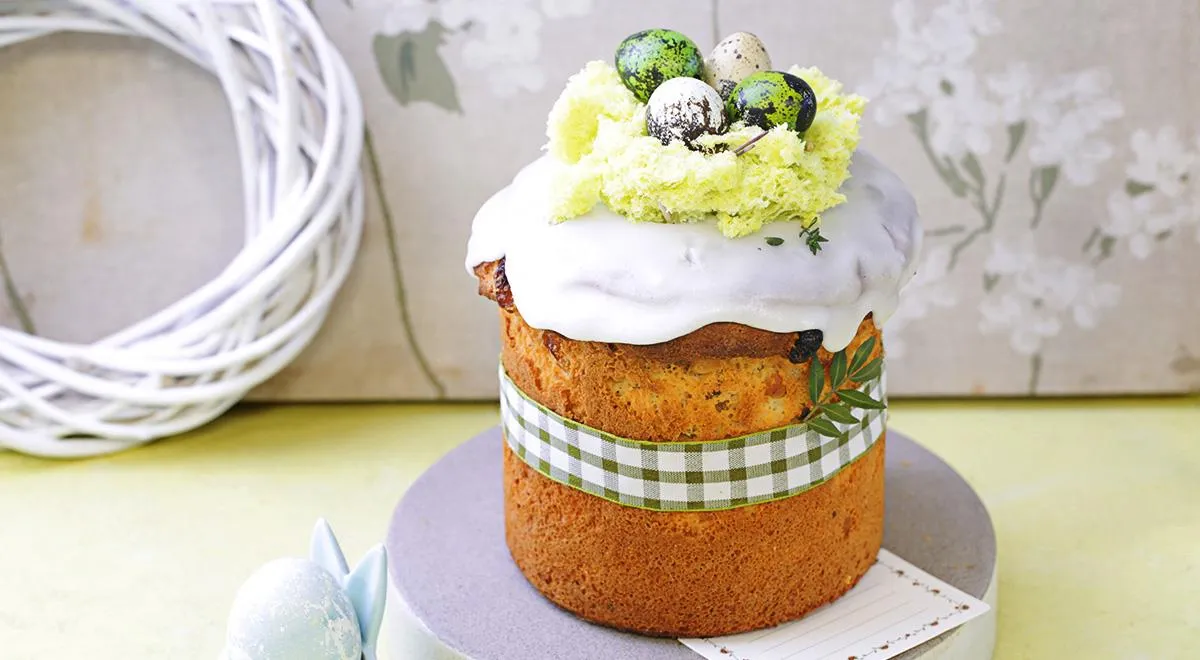
Easter is a time of renewal, family gatherings, and cherished traditions. In many Eastern European households, no Easter table is complete without a tall, golden kulich—a rich, yeast-leavened cake that embodies the joy of the season. This recipe for Easter Kulich with Raisins and Hazelnuts elevates the classic with the subtle crunch of toasted hazelnuts and the sweet burst of plump raisins, all wrapped in a tender, aromatic crumb. Whether you are a seasoned baker or a curious newcomer, this step-by-step guide will help you create a showstopping centerpiece for your celebration.
About Easter Kulich
Kulich is a traditional Easter bread found in Russian, Ukrainian, and other Slavic cultures. Its tall, cylindrical shape is often symbolically associated with the church’s domes. Made with a rich dough enriched with butter, eggs, and milk, it is typically flavored with vanilla and sometimes saffron. The cake is baked in tall cylindrical pans (often coffee cans or specialty molds) and topped with a white icing glaze. Our version adds hazelnuts and raisins for extra texture and flavor, making it a modern twist on a beloved classic. For the best results, invest in a quality planetary mixer to handle the sticky dough effortlessly.

Ingredients
- 700 g all-purpose flour
- 6 large eggs
- 250 g unsalted butter, softened + extra for greasing molds
- 350 ml whole milk
- 170 g granulated sugar
- 1 tsp vanilla sugar
- 150 g light raisins
- 100 g hazelnuts, roughly chopped
- Pinch of salt
- For the glaze: 300 g powdered sugar, 2 egg whites, 1 tbsp lemon juice
Step-by-Step Instructions
Step 1: Activate the yeast. In a large bowl, pour 200 ml warm milk (36°C). Add 1 tbsp sugar and crumbled fresh yeast. Stir well and let stand in a warm place for 30 minutes until frothy.
Step 2: Prepare the butter and first mixture. Cut the butter into small pieces and leave at room temperature for 30 minutes. Pour the remaining warm milk into the yeast mixture and mix thoroughly. Add 150 g flour, half the remaining sugar, and vanilla sugar. Stir until smooth and thick like sour cream.
Step 3: Separate eggs and make the dough. Separate the egg whites from yolks. Refrigerate whites until needed. Beat yolks with remaining sugar until pale and fluffy. Add to the yeast mixture and mix well. Gradually add the remaining flour and the softened butter. Knead until smooth—a glass food processor can make this step easier, but hand-kneading works beautifully.
Step 4: Incorporate egg whites. Whip the cold egg whites with a pinch of salt until stiff peaks form. Gently fold into the dough in three additions, using a bottom-up motion. The dough should be soft and elastic, pulling away from the bowl sides. Cover the bowl with plastic wrap and a clean towel; let rise in a warm spot for 2 hours.
Step 5: Soak raisins and chop nuts. Rinse the raisins thoroughly, then soak in 200 ml boiling water for 10 minutes. Drain and dry well. Roughly chop the hazelnuts.
Step 6: Fold in add-ins. Punch down the risen dough. Fold in the hazelnuts and raisins evenly. The dough will become fragrant and textured.
Step 7: Fill molds and second rise. Grease the insides of kulich molds (or tall cans) with butter. Divide dough among molds, filling only halfway. Cover with a towel and let rise in a warm place for 1 hour. Preheat oven to 180°C.
Step 8: Bake. Bake for 50–60 minutes until golden and a skewer comes out clean. Cool in the molds for 10 minutes, then transfer to a wire rack and cool completely.
Step 9: Glaze and decorate. For the icing, lightly beat egg whites with powdered sugar and lemon juice until smooth and thick. Spread over cooled or slightly warm kulich. Allow to set. Decorate with edible moss and chocolate eggs (optional), or simply sprinkle with colored sugar.
Tips for Perfect Kulich
- Use a kitchen scale for precise chocolate-covered raisins? No, but measure flour accurately.
- All ingredients should be at room temperature except the butter and eggs. Keep the egg whites chilled for better whipping.
- Knead the dough well—it should be silky and not sticky. A non-toxic immersion blender won't help here, but a sturdy spatula will.
- Don't overfill the molds; the dough needs room to rise without spilling.
- For a shiny top, brush the baked kulich with melted butter before glazing.
- Store in an airtight container; these cakes stay moist for days. Pair with a sweet high-alcohol wine for an indulgent treat.
Variations
Feel free to customize your kulich by substituting hazelnuts with almonds, walnuts, or pistachios. Swap raisins for dried cranberries or chopped dried apricots. For a citrus note, add 1 tbsp orange zest in the dough. The glaze can be flavored with rose water or vanilla extract. Bake the kulich in a commercial countertop convection oven for more even heat distribution.
FAQ
Can I use active dry yeast instead of fresh yeast?
Yes. Substitute 1 standard packet (7 g) of active dry yeast for the fresh yeast. Activate it in the same warm milk and sugar mixture. Fresh yeast yields a more complex flavor, but dry works perfectly.
Why did my kulich collapse after baking?
This usually happens if the dough over-rose or the oven temperature was too low. Ensure the second rise does not exceed 1 hour, and bake at a consistent 180°C. Using a espresso machine won't fix it, but an oven thermometer will.
How do I know when the kulich is fully baked?
Insert a long wooden skewer into the center. If it comes out clean or with a few dry crumbs, it is done. The internal temperature should reach about 90°C. A refrigerant leak detector is irrelevant, but a digital thermometer is useful.
Can I make the dough ahead of time?
Yes. After the first rise, punch down the dough, wrap tightly in plastic, and refrigerate overnight. The next day, bring it to room temperature, add nuts and raisins, then proceed with the second rise and baking.
What can I use instead of a kulich mold?
Tall coffee cans, empty tomato paste tins, or even large ramekins work. Grease them well and line the bottom with parchment paper. For a professional finish, invest in a 48-inch built-in refrigerator? No, but proper pans are available online.
Enjoy your homemade Easter Kulich—a labor of love that fills the kitchen with the aroma of spring and celebration. Serve it alongside a cup of strong tea, a splash of organic vodka, or simply on its own. Happy Easter!







