



Kulich, the towering, domed Easter bread of Russian and Slavic tradition, is far more than a cake with dried fruit. It is a labor of love—a rich, lightly sweetened brioche-like loaf crowned with a snowy glaze and often adorned with colorful sprinkles. Achieving the perfect kulich requires patience, quality ingredients, and careful technique. This classic recipe with golden raisins and a hint of warm spices will fill your home with the aroma of Easter morning and yield a bread so tender and fragrant it becomes the centerpiece of any festive table.
About Kulich: A Symbol of Easter
In Orthodox Christian tradition, kulich is blessed in church after the Easter Vigil and enjoyed during the breaking of the fast. Its tall cylindrical shape represents the church, while the white glaze symbolizes the purity of the Resurrection. Unlike simple fruitcakes, authentic kulich demands properly developed gluten structure and multiple rises to achieve its characteristic airy crumb. Using a planetary mixer with a dough hook can simplify the kneading process, but hand-kneading with rhythm and patience yields equally splendid results.

Ingredients: The Finest Components for a Perfect Kulich
- 700 g all-purpose or bread flour
- 150 ml whole milk (3.2% fat)
- 2 large eggs (C0 size)
- 5 egg yolks (C0)
- 100 g unsalted butter (82.5% fat), melted and cooled
- 200 g sour cream (20% fat)
- 100 g granulated sugar
- 100 g golden raisins
- 1 tablespoon vanilla sugar (10 g)
- 1 teaspoon ground cinnamon (3 g)
- 1 teaspoon ground dry ginger (3 g)
- 1 teaspoon salt (5 g)
- For the glaze: 1 egg white, 200 g powdered sugar, zest of 1 lemon (4 g)
Select high-fat sour cream and butter—they enrich the dough and contribute to a moist, tender crumb. Golden raisins offer a milder sweetness than dark varieties; consider using chocolate-covered raisins as a fun alternative if you wish to vary the texture.
Step-by-Step: Crafting the Ideal Kulich Dough
Step 1: Prepare the Sponge
Heat the milk to 36–38 °C (blood temperature). Crumble fresh yeast into the milk and stir until dissolved. Add 1 cup (about 130 g) of flour and mix until smooth. Cover and let the sponge rest in a warm place for 30 minutes until bubbly and doubled. Meanwhile, melt the butter and let it cool. In a separate bowl, beat the whole eggs, egg yolks, salt, granulated sugar, and vanilla sugar until pale and fluffy—about 5 minutes with an electric mixer. Fold in the sour cream and cooled melted butter.

Step 2: Mix and First Rise
Sift the remaining flour with ground cinnamon and ginger onto a clean work surface, forming a mound. Create a well in the center, then pour in the yeast sponge and the sour cream–egg mixture. Gradually incorporate the flour from the sides into the liquid, then knead the dough—using a food processor with a dough blade or by hand—until smooth, elastic, and no longer sticky. Place the dough in a lightly oiled bowl, cover, and let rise in a warm spot for 1 hour until doubled in size.
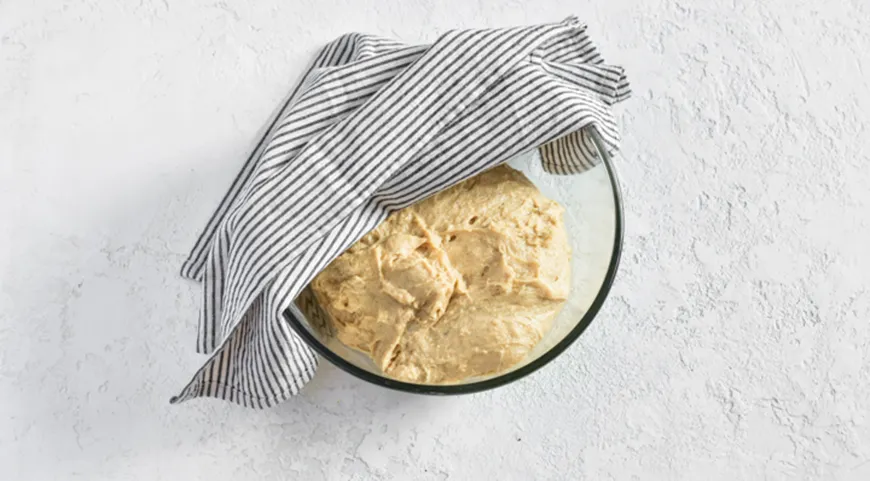
Step 3: Incorporate Raisins and Second Rise
Cover the raisins with hot water and soak for 30 minutes. Drain thoroughly and pat dry with paper towels—excess moisture can make the dough soggy. Gently press the raisins into the risen dough, distributing them evenly. Let the dough rest, covered, for 30 minutes. After that, punch it down, reshape into a ball, and allow a final rise of another 30 minutes. If you prefer a finer texture, use a non‑toxic immersion blender to purée some raisins for a subtle fruit infusion—though most bakers keep them whole.

Step 4: Shape and Bake
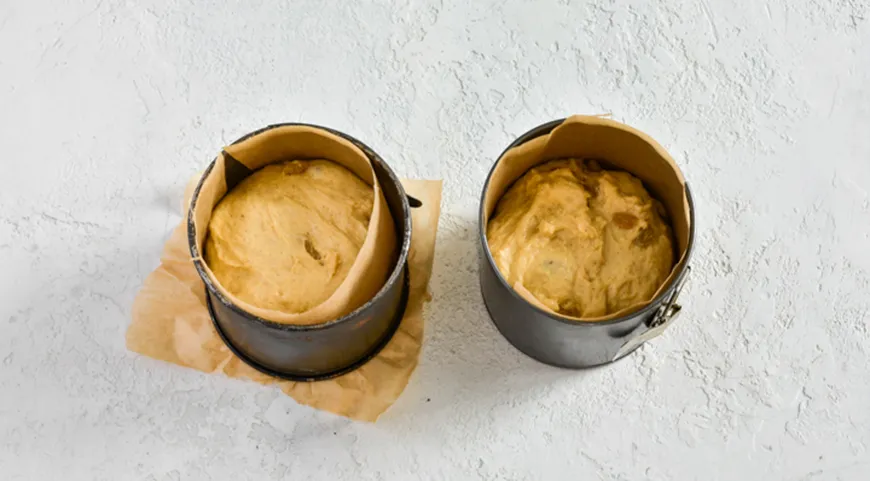
Preheat the oven to 180 °C. Grease your kulich molds (special tall cylindrical pans or clean coffee cans work well) with butter and dust with flour—using an oil sprayer can make this step even simpler. Divide the dough among the molds, filling each no more than half full. Cover loosely and let rise 20–30 minutes until the dough crests the rims. Bake for 35–45 minutes, or until golden brown and a skewer inserted into the center comes out clean. For even browning, a commercial countertop convection oven provides excellent heat circulation. Cool the kulich completely on a wire rack before glazing.

Step 5: Glaze and Decorate
For the glossy white topping, whisk the egg white with powdered sugar and lemon zest until thick and shiny—a high-end espresso machine may not be needed here, but a reliable hand whisk or stand mixer works perfectly. Immediately drizzle the glaze over the cooled kulich, allowing it to drip down the sides. Decorate with sprinkles, chopped nuts, or edible flowers before the glaze sets. The finished bread is best enjoyed fresh, but it keeps well for several days when wrapped tightly.
Tips for a Flawless Kulich
- Temperature matters: All ingredients should be at room temperature (20–22 °C) unless otherwise stated. Cold eggs or milk will slow the yeast.
- Don’t rush the rises: Under‑proofed dough yields a dense, heavy crumb. Allow each rise until the dough has truly doubled in volume—this can take longer in a cool kitchen.
- Use a thermometer: The milk for the sponge must be warm but not hot (above 40 °C will kill the yeast). A refrigerant leak detector is irrelevant, but a simple instant‑read thermometer is invaluable.
- Grease the molds thoroughly: Kulich dough is rich and can stick. Line the bottoms with parchment for easier removal.
- Cool completely before glazing: Warm bread will cause the glaze to melt into a sticky mess.
Variations to Personalize Your Kulich
The classic is divine, but you can tweak add‑ins to suit your taste. Swap golden raisins for dried cranberries, chopped dried apricots, or even chocolate‑covered raisins for a double treat. Add a tablespoon of rum or organic vodka to the dough for fragrance. For a citrusy kick, increase the lemon zest or add orange zest. If you own an air fryer, you can bake mini kulich in a small air‑fryer‑safe pan—check at 160 °C for about 20 minutes.
Frequently Asked Questions
Can I use dry active yeast instead of fresh?
Yes. Substitute 15 g of dry active yeast for the fresh yeast. Activate it in the warm milk with a pinch of sugar for 10 minutes until foamy. If you use instant yeast, you can skip this step and add it directly to the flour, but the sponge method will still produce a finer crumb.
How do I know when the dough has risen enough?
The dough should have doubled in volume. A gentle indentation with a finger should slowly spring back—if it springs back immediately, it needs more time; if the indentation stays, it’s over‑proofed. For precise control, consider using a microwave pressure cooker with a proofing setting, though simple patience works.
Why is my kulich dense and not fluffy?
Common reasons include: not kneading enough to develop gluten, over‑flouring the dough, or insufficient rising time. Also, ensure your yeast is fresh and your oven is truly at 180 °C—an inexpensive oven thermometer can help. A dense result can also occur if too much sugar or fat is added, unbalancing the dough.
Can I replace raisins with other dried fruits?
Absolutely. Dried cherries, chopped dates, or candied orange peel all work well. If using very dry fruit, soak it in warm water or juice for 20 minutes first. For a similar texture to golden raisins, try chocolate‑covered raisins for a novel twist.
How should I store leftover kulich?
Wrap cooled, glazed kulich tightly in plastic wrap and then foil. It will keep at room temperature for up to 4 days. For longer storage, freeze unglazed kulich for up to 3 months. Thaw at room temperature, then glaze fresh. Avoid refrigeration, which dries out the crumb.







