


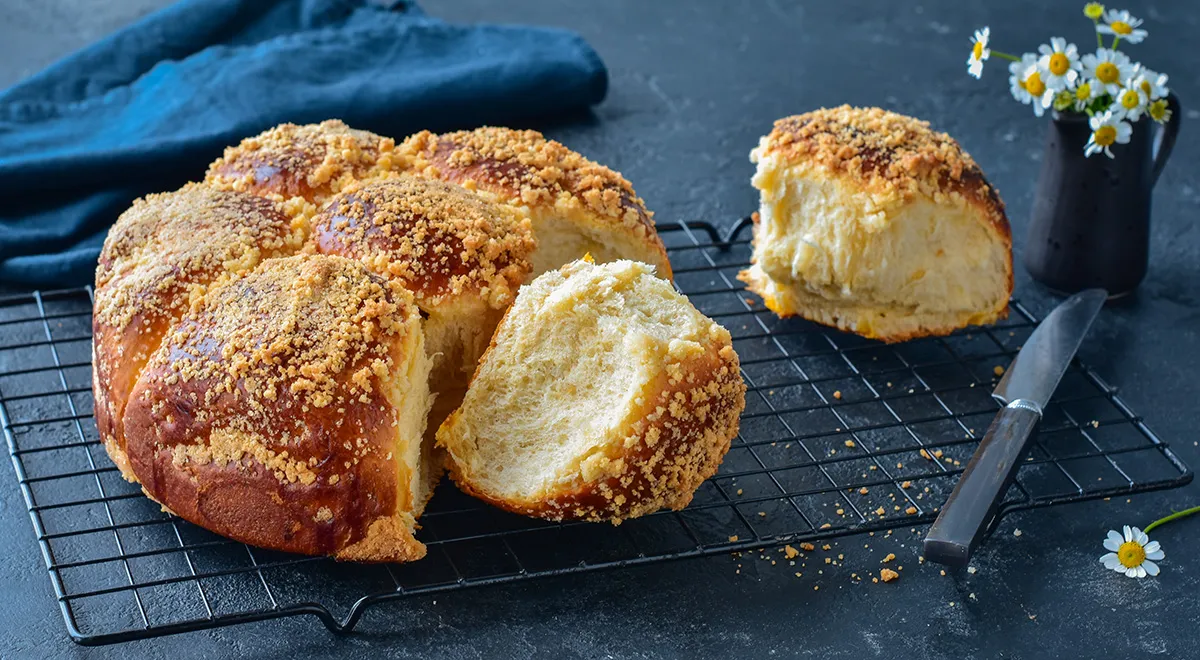
There are few baked goods that carry the weight of nostalgia quite like the Chamomile Bun. In Soviet times, this cheerful daisy-shaped sweet bread was sometimes pressed into service as a substitute for traditional Easter kulich—an unlikely but heartfelt stand-in during years when religious symbolism was politically inconvenient. Today, there is no such imperative; we bake it simply because it is utterly wonderful. With its tender, enriched dough, a sunny golden crumb, and a crunchy, buttery streusel topping, this Russian classic is a celebration of home baking at its most joyful. Whether you are looking to perfect your yeast dough technique or simply want a showstopping weekend project, the Chamomile Bun delivers comfort and elegance in equal measure.
About This Recipe
The Chamomile Bun, or Bulochka Romashka, is a soft, slightly sweet yeast bun arranged in a flower shape: one central ball surrounded by six petals. The dough is enriched with butter, eggs, milk, and vanilla, giving it a rich, pillowy texture reminiscent of brioche. The final touch is a glossy egg wash and a crumbly streusel that caramelizes beautifully in the oven. This recipe serves 7 buns—perfect for a family gathering or a special brunch. For the best results, use fresh yeast and quality vanilla extract (or vanilla sugar). The dough benefits from a long, slow rise, which develops flavour and ensures an airy crumb.

Ingredients
- For the sponge: 250 ml milk, 50 g all-purpose flour, 1 tbsp sugar, 7 g active dry yeast
- For the dough: 500–550 g all-purpose flour (total flour 550–600 g, including sponge), 160 g granulated sugar, 10 g vanilla sugar, 1 large egg (C0 size or ~65 g), a pinch of salt, 110 g unsalted butter (melted and cooled)
- For the streusel topping: 20 g unsalted butter (cold), 25 g sugar, 30 g all-purpose flour
- For glazing: 1 egg yolk, 20 ml milk
All measurements are metric. If you are using a food processor for kneading, be careful not to overwork the dough. A light oil spray can help prevent sticking.
Step-by-Step Instructions
-
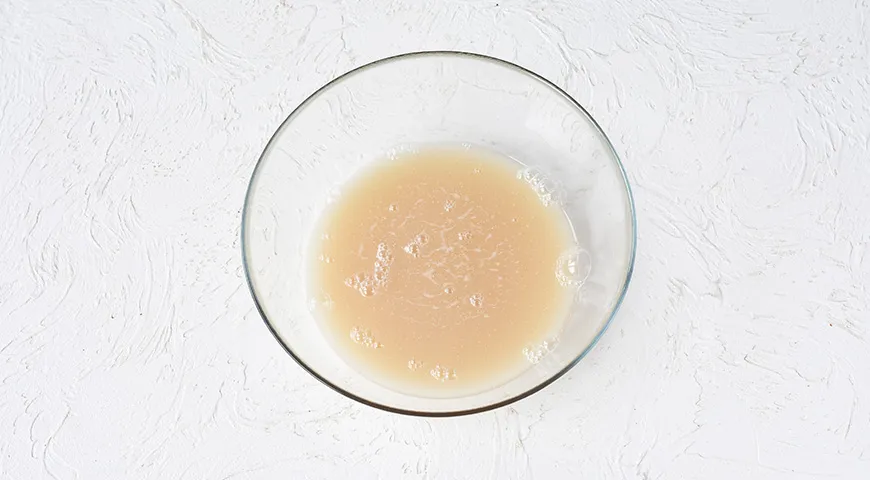
Prepare the sponge. Warm the milk to 35°C (blood temperature). Pour into a large bowl, add 1 tablespoon of sugar and the yeast, and stir until dissolved. Let stand for 5 minutes until frothy.
-
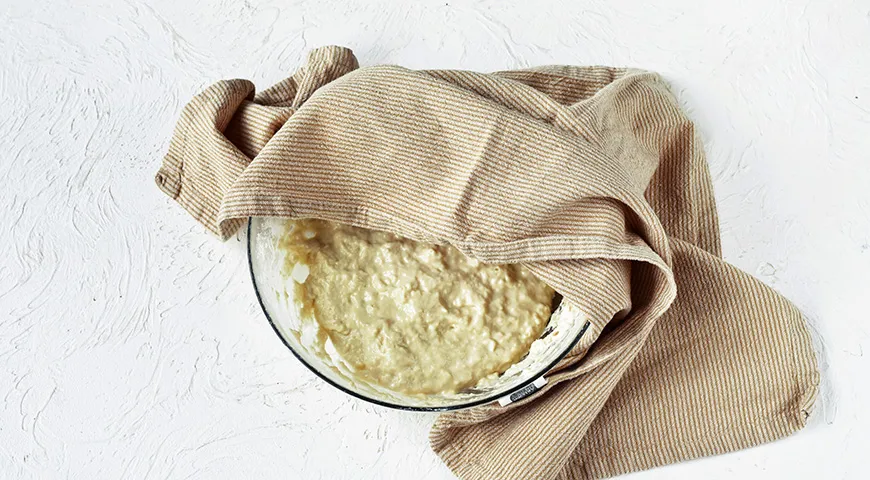
Feed the sponge. Stir in 50 g flour to form a thin batter. Cover with a clean towel and leave in a warm spot for about 30 minutes. The sponge should become bubbly and double in volume.
-
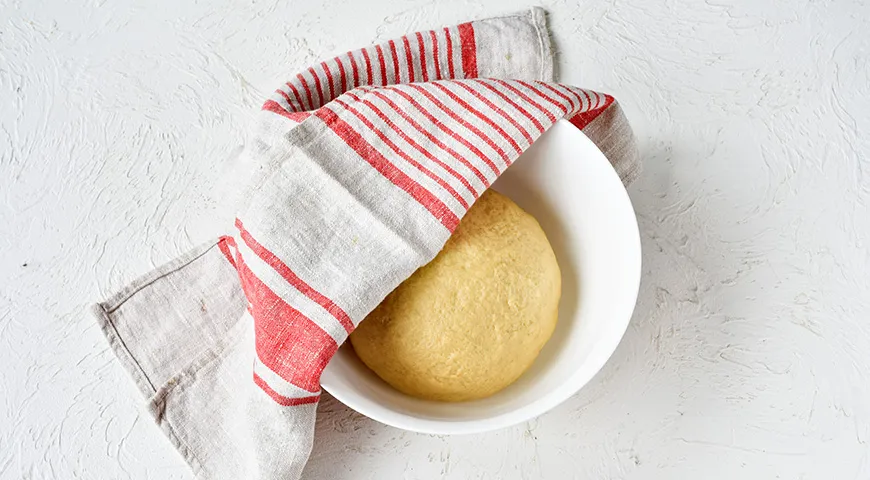
Make the dough. Melt the butter for the dough and let it cool. To the sponge, add the remaining sugar, vanilla sugar, salt, and egg. Stir well. Gradually add the remaining flour (500–550 g) and turn the mixture onto a floured surface. Knead until smooth and elastic, about 8–10 minutes. The dough should be soft but not sticky. Add a little more flour if necessary.
-
Incorporate butter and rise. Pour the melted butter over the dough and knead until fully absorbed. Form the dough into a ball, place in a lightly greased bowl, cover, and let rise for 1.5 hours in a warm place. Punch down the dough, then let it rise again for another 1–1.5 hours, until doubled.
-
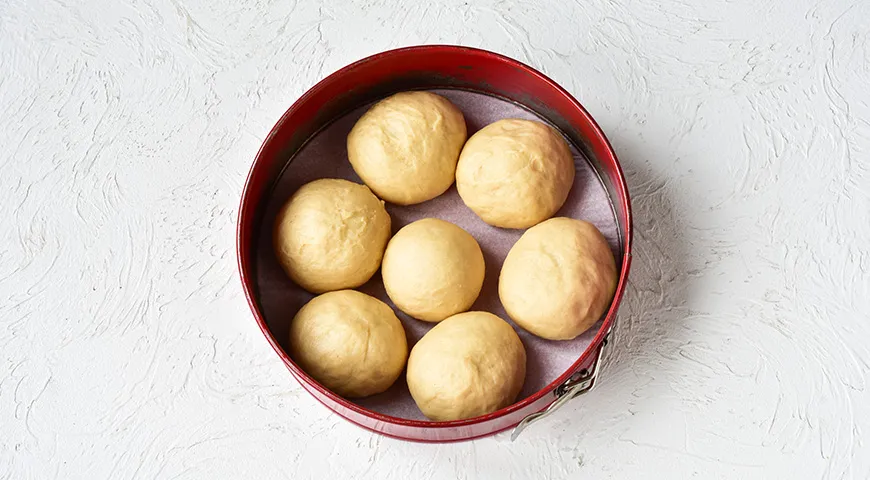
Shape the buns. Turn the dough onto a floured surface and roll into a thick log. Divide into 7 equal pieces (about 100 g each). Shape each piece into a tight ball. Arrange them in a round baking pan lined with parchment paper: one ball in the center and six around it, resembling a daisy. Cover and let rise for 30 minutes.
-
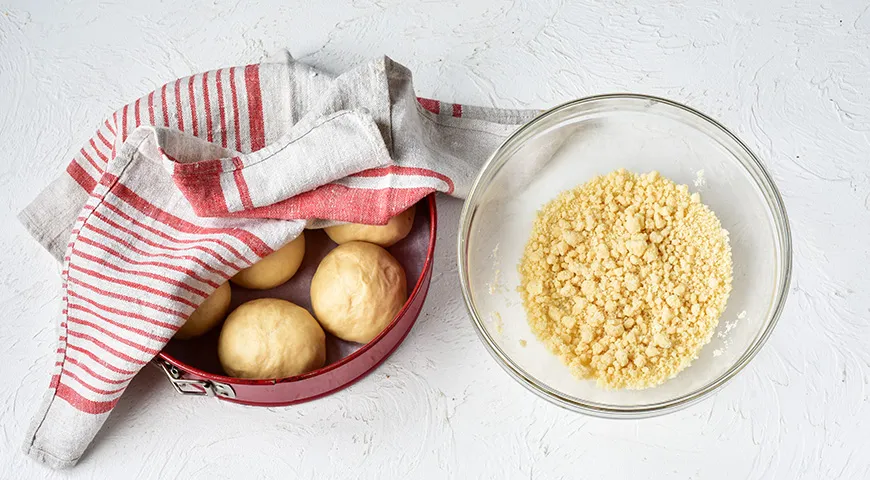
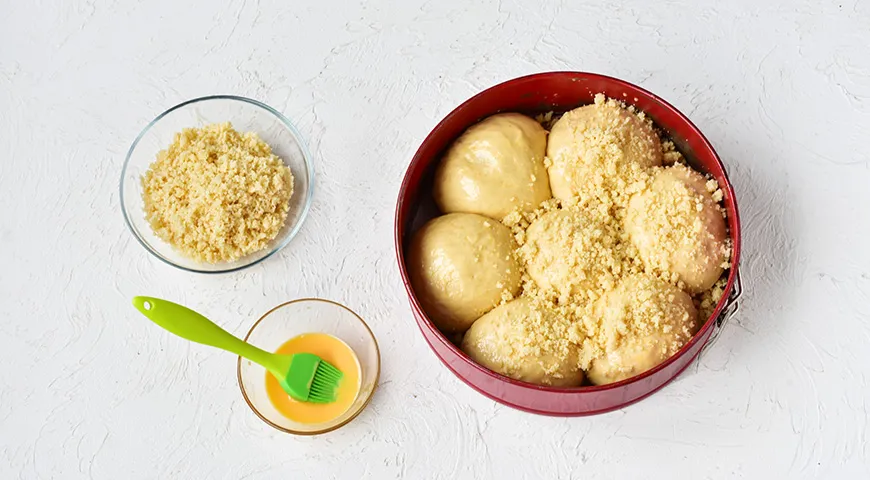
Prepare topping and bake. Preheat the oven to 180°C. For the streusel, rub together cold butter, sugar, and flour until crumbly. Beat the egg yolk with milk and brush this glaze over the risen buns. Sprinkle generously with streusel. Bake for 40–45 minutes, until deep golden brown. Cool in the pan for 10 minutes, then transfer to a rack.
Tips for Perfect Chamomile Buns
- Temperature matters: Yeast thrives at 35°C. Too hot kills it, too cold slows it down. Use a digital thermometer for accuracy.
- Soft dough: The dough should be tacky but not sticky. If using a planetary mixer, knead on low speed for 5–6 minutes.
- Even shaping: Weigh each piece to ensure uniform baking. Use a kitchen scale for precision.
- High oven heat: 180°C is hot enough to create a crisp crust without burning the streusel. For a convection oven, reduce temperature by 20°C – check your convection oven manual.
- Storage: Keep in an airtight container at room temperature for up to 3 days. To refresh, warm in a low oven.
Variations
The Chamomile Bun is wonderfully adaptable. Replace the vanilla sugar with citrus zest or cinnamon for a different aroma. For a chocolate version, fold 50 g of mini chocolate chips into the dough after the butter. The streusel can be enriched with ground almonds or a pinch of cardamom. If you prefer a less sweet bun, reduce the sugar in the dough to 120 g. These buns also freeze beautifully—wrap tightly in plastic and store for up to two months. To serve, thaw and reheat gently.
Frequently Asked Questions
Can I use instant yeast instead of active dry?
Yes. Simply mix instant yeast with the dry flour and skip the sponge step. The rise times may be slightly shorter. Check the yeast manufacturer’s instructions. For more guidance on yeast types, see our baking ingredient guide.
Why did my buns not rise well?
Common causes include expired yeast, liquid that is too hot (over 40°C), or a cool environment. Ensure your room is about 25°C for proofing. Using a thermostatically controlled proofing box can help maintain consistent temperature.
Can I make these buns dairy-free?
Substitute the milk with almond or oat milk, and use a plant-based butter with at least 80% fat content. The texture will be slightly less rich but still delicious. Check dairy-free butter brands for best results.
What pan should I use?
A 23–25 cm round cake pan works perfectly. If using a springform pan, wrap the outside with foil to prevent leaks. For the daisy shape, a shallow dish is ideal. A non-toxic non-stick pan ensures easy release.
How do I get the streusel to stay crunchy?
The streusel will soften slightly the next day. To restore crunch, reheat buns in a 150°C oven for 5 minutes. For extra crispiness, use cold butter and do not overmix the topping. Our baking tips include a section on streusel techniques.
Can I bake these in an air fryer?
Yes. Use a 7-inch round pan that fits your air fryer basket. Set the air fryer to 160°C and bake for 20–25 minutes, checking after 15 minutes. A non-toxic air fryer is recommended for even heat distribution.
The Chamomile Bun is more than a recipe—it's a piece of culinary history, a symbol of resourcefulness, and above all, a delicious way to bring warmth to your table. Whether you serve it with a cup of tea, as part of a holiday spread, or simply as a weekday treat, its sunny form never fails to delight. We hope this guide helps you recreate the magic of the Soviet-era bakery at home. For more classic baking recipes, browse our collection of European sponge cakes and pair with a perfect espresso.







