


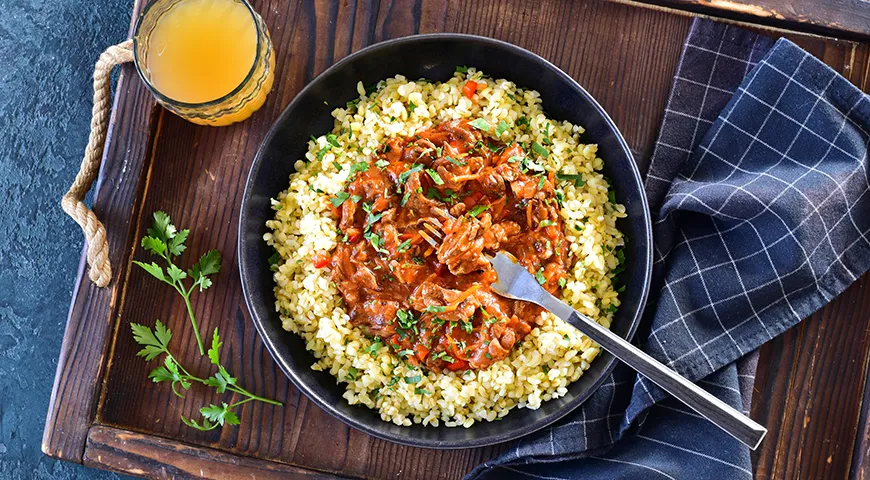
There are few dishes as quintessentially comforting as a slowly simmered beef goulash. This Russian rendition, enriched with tomato paste, transforms humble cuts of beef into a tender, aromatic stew that fills the kitchen with warmth and promise. Perfect for a Sunday supper or a hearty weekday meal, this goulash pairs beautifully with mashed potatoes, pasta, or crusty bread. Its magic lies in the gentle braising process, which coaxes deep flavor from even the most economical cuts. Here, we explore every nuance of this beloved classic.
About Beef Goulash with Tomato Paste
Originating from the Hungarian gulyás but adapted across Eastern Europe, this goulash is a staple of Russian home cooking. The recipe uses affordable beef cuts like shoulder or neck, which become meltingly tender after a long, slow simmer. A generous amount of tomato paste lends a rich, tangy depth, while paprika, bay leaves, and a medley of vegetables create layers of savory sweetness. This isn’t a quick dish—it rewards patience and attention, yielding a sauce that clings luxuriously to every morsel of meat.

To ensure the best results, choose high-quality beef and allow adequate time for the connective tissue to break down. This dish also adapts beautifully to seasonal additions like zucchini or eggplant, making it a versatile canvas for seasonal produce. For a deeper savory note, consider using a heavy-bottomed Dutch oven that distributes heat evenly.
Ingredients
- Beef (boneless chuck or shoulder) – 500 g
- Large carrot – 1
- Red bell pepper – 1
- Large onion – 1
- Tomato paste – 100 g
- Garlic – 2 cloves
- All-purpose flour – 30 g (or use cornstarch for a gluten-free option)
- Vegetable oil – 40 ml
- Bay leaves – 2
- Black pepper (freshly ground) – 3 g
- Salt – 3 g
For an extra layer of flavor, consider a slow-roasted garlic if time allows. The tomato paste should be of good quality – look for brands with no added sugar for the purest taste.
Step-by-Step Instructions
Step 1: Prepare the Beef
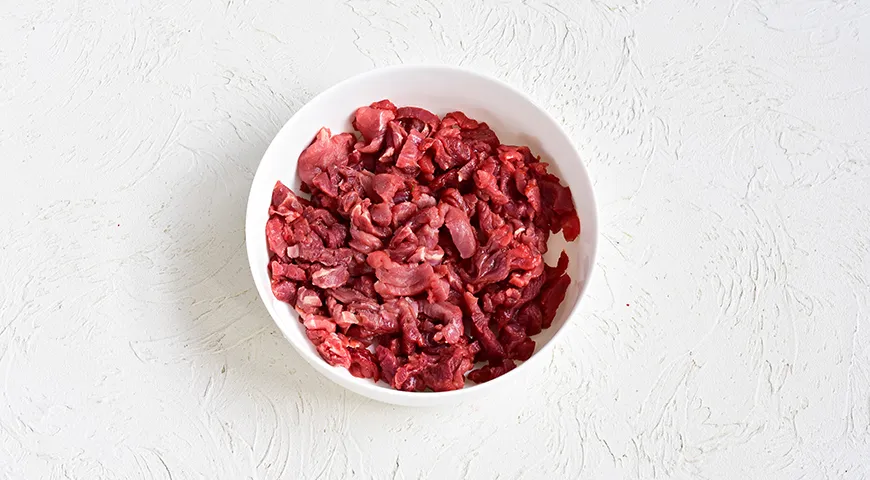
Wash the beef and pat it thoroughly dry with paper towels. This step is crucial for achieving a good sear. Cut the meat into even strips (about 3 cm long and 1 cm thick). Uniform pieces ensure even cooking.
Step 2: Prep the Vegetables
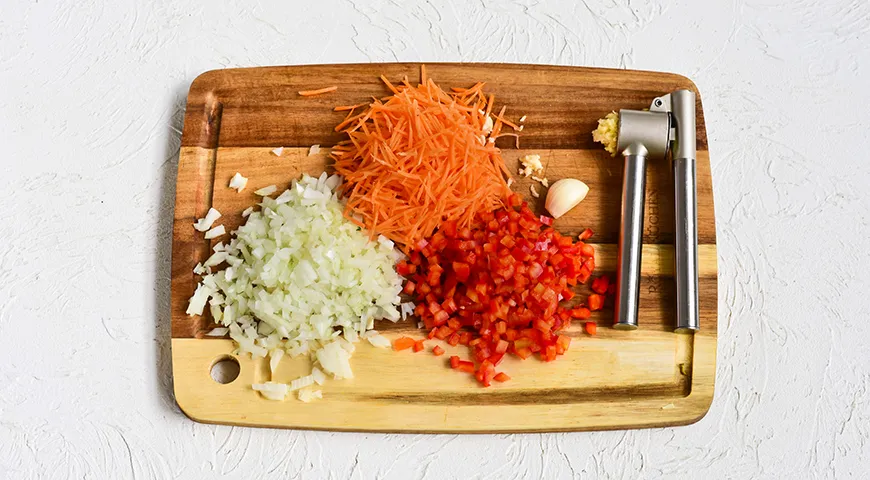
Peel the onion and dice it finely. Wash and peel the carrot, then grate it on the large holes of a box grater. Core the bell pepper, remove seeds and membranes, and cut into small cubes. Peel the garlic cloves and pass through a press or mince.
Step 3: Sear the Beef
Heat the vegetable oil in a heavy-bottomed cast iron skillet or Dutch oven over medium-high heat. Add the beef strips in a single layer – do not overcrowd – and sear until deeply browned on all sides. This caramelization is the foundation of the dish's flavor. Season with salt, black pepper, and a pinch of dried herbes de Provence. Stir to combine.

Step 4: Sauté Aromatics
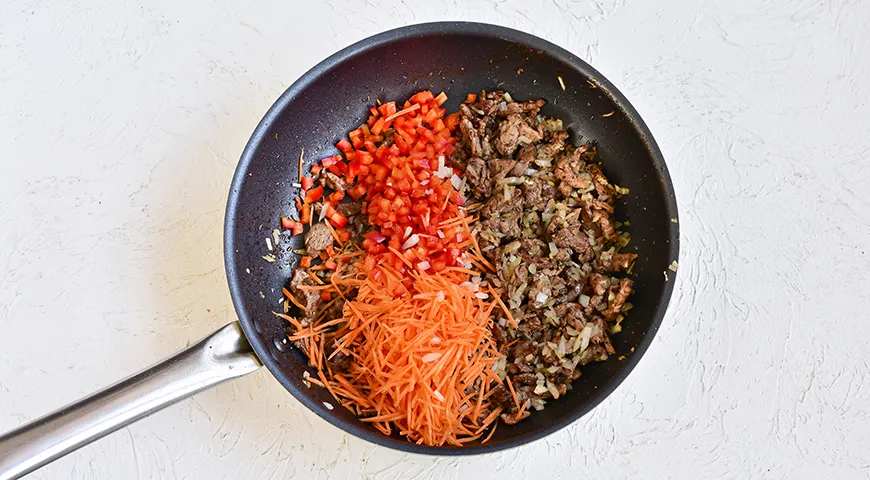
Add the diced onion and minced garlic to the pan with the beef. Cook, stirring frequently, for about 5 minutes until the onion becomes translucent and fragrant. Then add the grated carrot and bell pepper. Continue to sauté for another 7 minutes over medium-low heat, allowing the vegetables to soften and release their sweetness.
Step 5: Thicken the Sauce
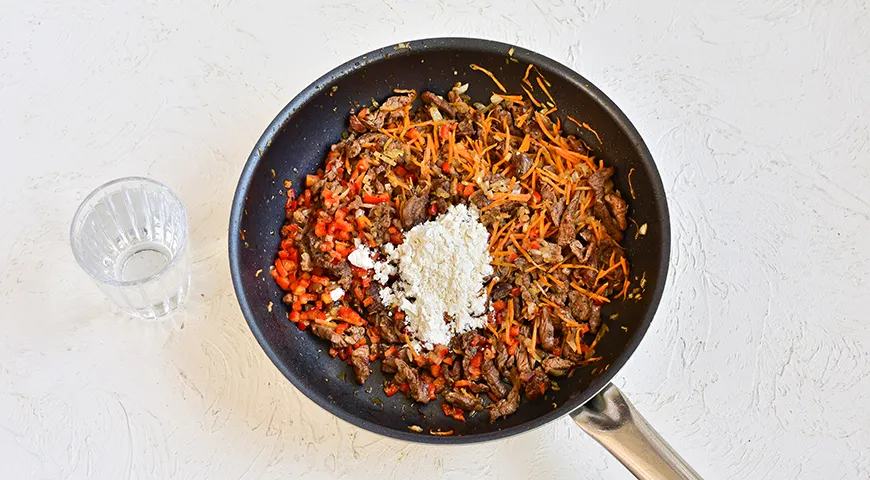
Sprinkle the flour evenly over the meat and vegetables. Stir well to coat – this will thicken the gravy. Alternatively, you can substitute with potato or cornstarch for a gluten-free version. Pour in one cup (240 ml) of water or beef broth (for deeper flavor). Stir to combine all ingredients.
Step 6: Simmer Until Tender
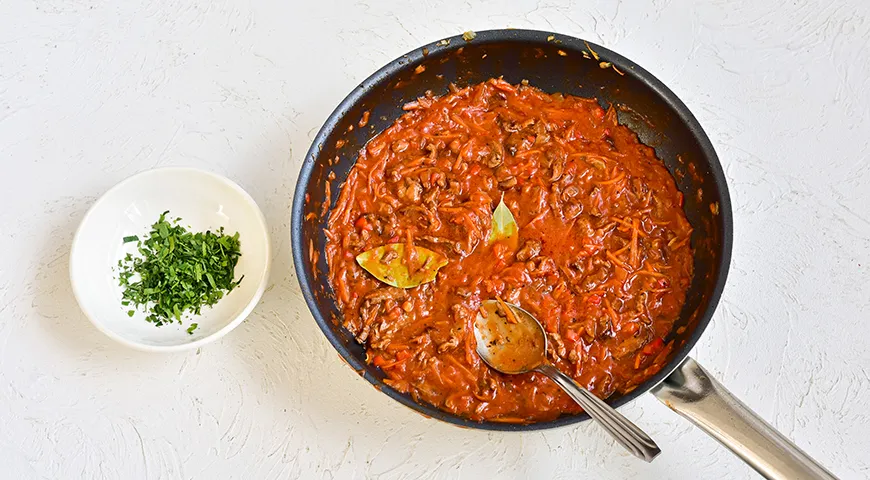
Bring the sauce to a gentle boil, then reduce heat to low. Cover the pan with a tight-fitting lid and simmer for 1 hour, or until the beef is fork-tender. Check occasionally and add a splash of water if the liquid reduces too much. The goal is a thick, glossy gravy.

Step 7: Finish and Serve
Five minutes before the end of cooking, add the bay leaves. Remove them just before serving. Taste and adjust seasoning with salt and pepper. Garnish with freshly chopped parsley or dill if desired. Serve over egg noodles, rice, or with crusty bread to soak up every drop of the rich sauce.
Tips for the Perfect Goulash
- Choose the right beef – Cuts like chuck, round, or brisket are ideal due to their collagen content, which breaks down into rich gelatin during cooking.
- Don't rush the sear – A deep brown crust builds flavor. Use a light oil that can withstand high heat.
- Adjust thickness – If the sauce is too thin, simmer uncovered for a few minutes; too thick, add a bit more water or broth.
- Make ahead – Goulash tastes even better the next day as flavors meld. Store in an airtight container and reheat gently.
- Freeze for later – Portion into freezer-safe containers; it keeps well for up to 3 months.
For a more robust broth, consider using a pressure cooker to reduce cooking time to about 35 minutes while maintaining tenderness.
Variations
This goulash is wonderfully adaptable. For a Hungarian twist, add a tablespoon of sweet paprika and a dash of caraway seeds. For extra vegetables, toss in diced zucchini or eggplant during the last 20 minutes of cooking. If you prefer a smoky flavor, use smoked paprika and a touch of liquid smoke (though castor oil isn’t for cooking – ensure your paprika is the star). For a dairy-free creamy version, stir in a spoonful of coconut cream at the end. To intensify the tomato flavor, replace half the water with tomato juice or passata.
FAQ
Can I use a different type of meat for goulash?
Absolutely. Pork shoulder, lamb, or even chicken thighs can work, but adjust cooking time accordingly. Beef remains the classic choice for its deep flavor and texture.
Why is my goulash tough?
This usually means the meat hasn’t cooked long enough. Continue simmering until it yields easily to a fork. Low and slow is key. Using a pressure cooker can speed this up while keeping the meat tender.
Can I make this goulash gluten-free?
Yes. Simply replace the wheat flour with potato starch, cornstarch, or a gluten-free all-purpose blend. Mix the starch with a little cold water to make a slurry before adding to the stew.
What should I serve with beef goulash?
Traditional pairings include boiled or mashed potatoes, egg noodles, rice, or crusty rye bread for dipping. For a low-carb option, serve over cauliflower mash or alongside roasted vegetables.
How long does leftover goulash last in the fridge?
Stored in an airtight container, it will keep for 3–4 days. Reheat gently on the stovetop or in a microwave. The flavor often improves after a day of resting.
Can I freeze this dish?
Yes, it freezes beautifully. Cool completely, transfer to freezer-safe containers, and freeze for up to 3 months. Thaw overnight in the refrigerator and reheat slowly. For best results, use a steam canner if you plan to can it for longer storage.
With these steps and tips, you’ll master a goulash that is both humble and deeply satisfying. Whether enjoyed on a cold winter evening or shared with friends, this recipe promises to become a favorite in your home kitchen. For more inspiration, explore our collection of kitchen tools and specialty ingredients that elevate everyday cooking.







