


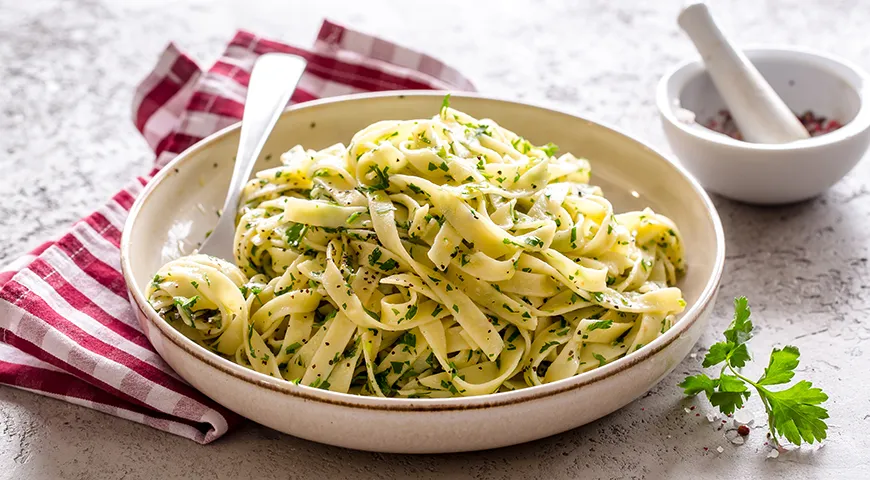
Tagliatelle Aglio e Olio—literally translating to "garlic and oil"—is one of Italy's most beloved quick pastas. Like a grilled cheese sandwich in America, this humble dish relies on just four pantry staples, yet delivers extraordinary depth of flavor. The secret lies in using premium ingredients: high-quality durum wheat tagliatelle or spaghetti, fresh parsley, pungent garlic, and an unfiltered extra virgin olive oil that carries half the success of the recipe. In under 15 minutes, you can create a restaurant-worthy meal that epitomizes Italian cucina povera (poor cooking) at its most brilliant.
About Aglio e Olio
Aglio e Olio (pronounced ah-lyoh ay oh-lyoh) originated in Naples and has become a global comfort food. The magic happens when thinly sliced garlic slowly infuses warm olive oil, creating a fragrant base that clings to every strand of pasta. Unlike heavy cream-based sauces, this dish is light, yet intensely savory. For a perfect weeknight dinner, consider using a high-quality oil sprayer to evenly coat your pan, or store your fresh parsley in a herb keeper to keep it crisp. The beauty of this recipe is its adaptability—you can double the garlic or add chili flakes for heat.

Ingredients
- 500 g tagliatelle (or spaghetti)
- 1 medium bunch parsley (40 g)
- 4 cloves garlic (20 g)
- Salt
- Freshly ground black pepper
- Extra virgin olive oil (unfiltered, for cooking and finishing)
Always use cold-pressed extra virgin olive oil—its fruity notes are essential. For the pasta, look for bronze-die-cut options that grip sauce better. A stand mixer with a pasta roller attachment can also help you make fresh tagliatelle at home.
Step-by-Step Instructions
Step 1: Cook the Pasta
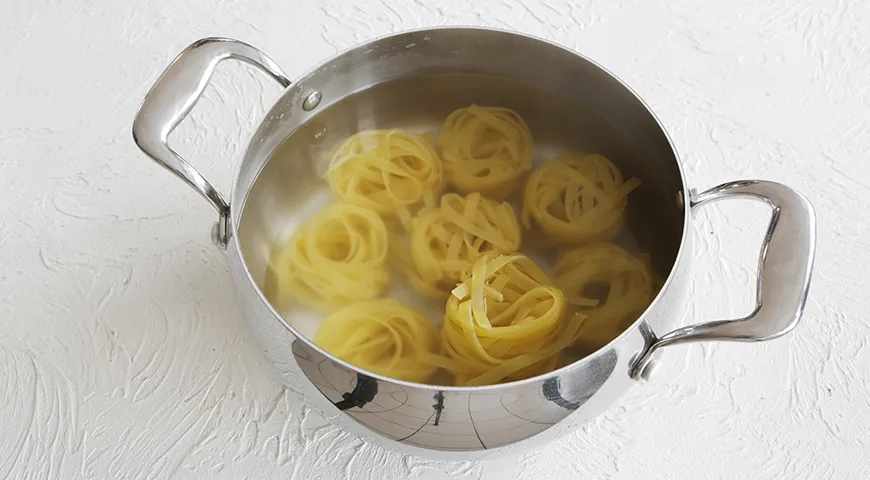
Place a large pot with at least 3 liters of water over high heat. Once boiling, stir in 2 tablespoons of salt and add the tagliatelle. Stir occasionally during the first few minutes to prevent sticking. Cook for the time indicated on the package minus 1 minute—the pasta should still be al dente. Reserve a cup of pasta water before draining.
Step 2: Prepare the Garlic and Parsley
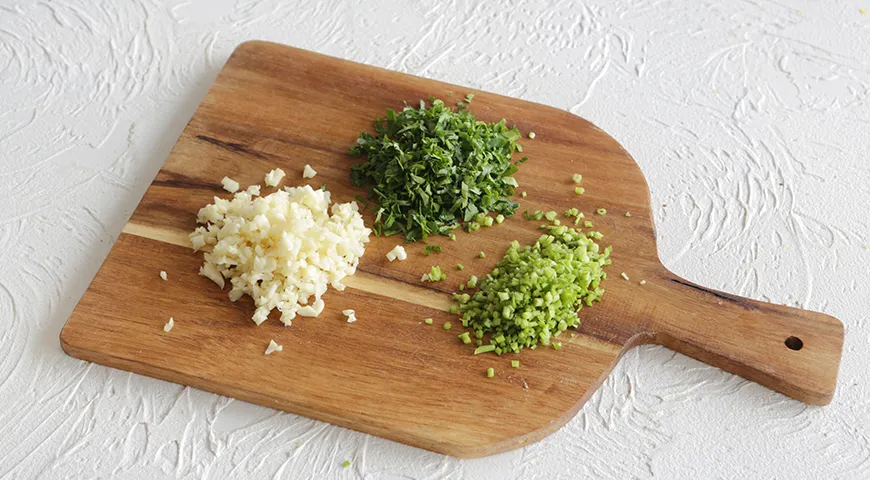
Crush, peel, and finely chop the garlic. Separate the parsley stems from the leaves: thinly slice the stems and chop the leaves separately. Do not mix with the garlic to avoid bitterness.
Step 3: Sauté the Garlic in Olive Oil
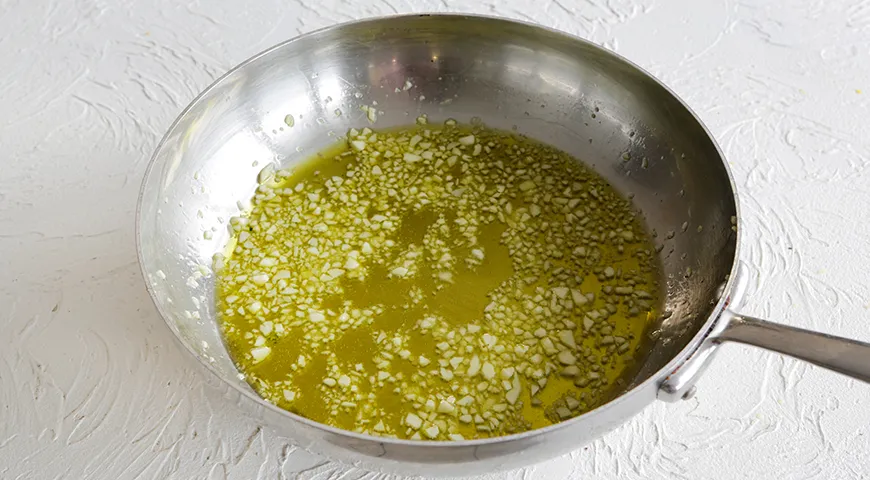
Pour a generous amount of extra virgin olive oil into a large, deep skillet or sauté pan—enough to coat the bottom. Add the chopped garlic, a pinch of salt, and place over medium heat. Cook, stirring occasionally, for 1 minute until fragrant but not browned. Use a non-toxic immersion blender to incorporate air if desired, but a simple wooden spoon works best.
Step 4: Add Parsley Stems and Incorporate Pasta
Add the sliced parsley stems to the garlic and cook for another minute. By now, the tagliatelle should be done. Drain the pasta (or use tongs to transfer it directly into the skillet, allowing some pasta water to come along). The starchy water helps emulsify the sauce. Toss everything together. For a smoother texture, you can use a food processor to puree part of the parsley oil, but not necessary.
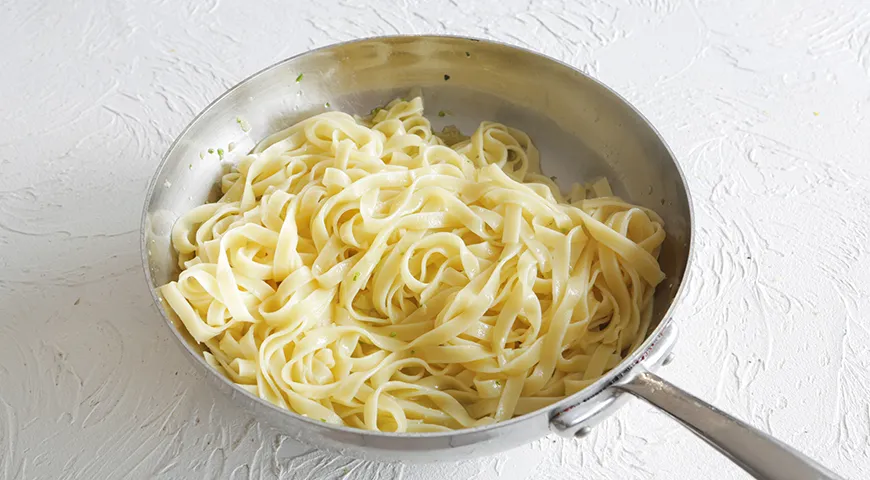
Step 5: Finish with Parsley Leaves and Serve
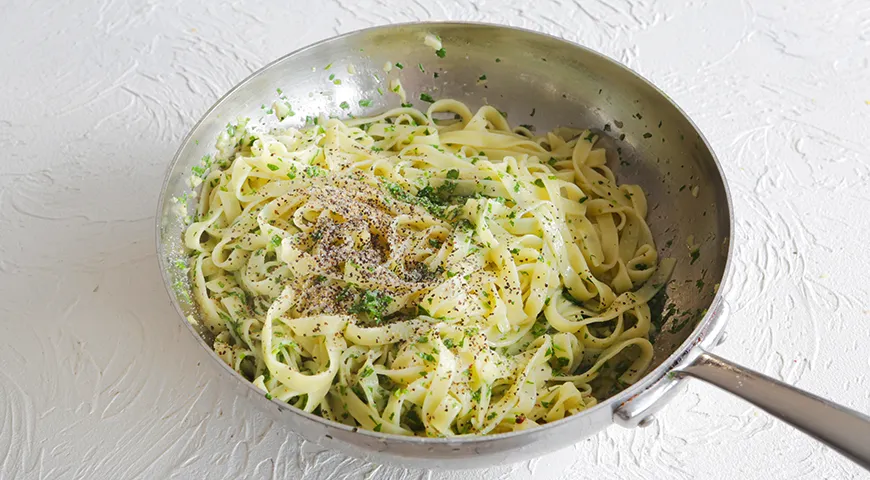
Sprinkle the chopped parsley leaves over the pasta and toss over high heat for 1 minute. Remove from heat immediately. Serve hot, finishing with a drizzle of raw olive oil and freshly cracked black pepper. For an elegant presentation, use a countertop oven to warm plates, or chill the oil with a under‑counter ice maker if making a chilled variation.
Tips for Perfect Aglio e Olio
- Don't overheat the garlic: It should soften, not brown. Burnt garlic ruins the dish.
- Reserve pasta water: A few tablespoons help bind the sauce. Use a microwave pressure cooker to speed up water boiling.
- Use fresh parsley: Dried parsley lacks the bright, grassy flavor that lifts the oil.
- Balance salt: The pasta water is salty, so go easy on additional salt until the end.
- Serve immediately: The dish cools quickly and loses its silky texture.
Variations
Aglio e Olio welcomes creativity. Add chili flakes for arrabiata‑style heat, toss in sautéed shrimp or crispy pancetta for protein, or incorporate sun‑dried tomatoes and olives for a Mediterranean twist. For a modern take, use black garlic for a sweeter, umami‑rich profile. Pair with a crisp white wine like Pinot Grigio—recommended by sweet wine lovers who also enjoy high‑alcohol options. If you're preparing a large batch, consider a built‑in refrigerator for storing leftovers, or reheat gently with a non‑toxic air fryer to revive crispness (though fresh is always best).
Frequently Asked Questions
Can I use other pasta shapes?
Absolutely. Spaghetti, linguine, or even angel hair work, but tagliatelle offers a wider surface to catch the oil. Adjust cooking times accordingly.
What if I don't have fresh parsley?
Substitute with fresh basil or even arugula for peppery notes. Avoid dried herbs—they won't provide the same texture.
Is this dish vegan?
Yes, traditional Aglio e Olio contains no dairy or animal products. It's naturally vegan. Use organic vodka if you want to deglaze the pan for an extra layer (though unconventional).
How do I prevent the garlic from burning?
Keep the heat medium and stir constantly. If the oil starts smoking, remove the pan from heat immediately. A leak detector can help ensure your stove's gas flow is even, but for this dish, simple vigilance is enough.
Can I make it ahead?
It's best enjoyed freshly made, but leftovers can be refrigerated for up to 2 days. Reheat in a skillet with a splash of olive oil and pasta water. Use a steam canner to jar a larger batch of garlic oil for later use.
Tagliatelle Aglio e Olio proves that simplicity, when executed with care, can be the pinnacle of culinary art. Whether you're a seasoned chef or a beginner, this dish delivers satisfaction in every twirl of the fork. For more authentic Italian recipes and kitchen gear, explore our reviews on espresso machines to finish your meal, or discover lava flavors for a unique dessert pairing.







