


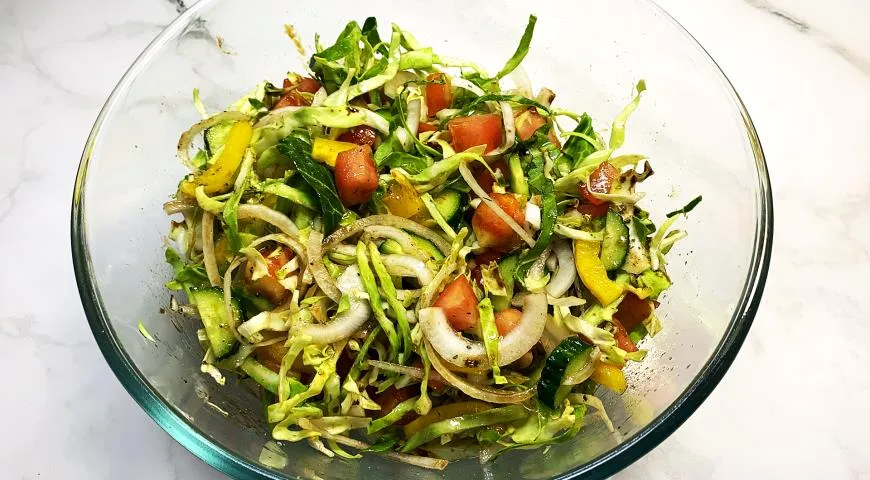
As the first tender leaves of young cabbage appear at the market, a wave of culinary anticipation washes over the kitchen. This spring salad with young cabbage and vegetables captures the very essence of the season — crisp, vibrant, and unapologetically fresh. It is a dish that celebrates simplicity, allowing each ingredient to shine without the need for heavy dressings or lengthy preparations. The crunchy texture of early cabbage pairs harmoniously with sweet bell peppers, juicy tomatoes, and cool cucumbers, all brought together by a light balsamic and sunflower oil dressing. This recipe requires no thermal processing, making it a perfect choice for a quick lunch or a side for grilled proteins. The key lies in selecting the freshest produce from your local market — and having the right oil sprayer to dress the salad evenly.
About the Recipe
This dish is a celebration of early spring vegetables. In Russian cuisine, young cabbage is prized for its delicate sweetness and tender crunch. The salad is virtually effortless — no cooking, just precise slicing. The combination of colors: white cabbage, red and yellow bell peppers, bright tomato, and green cucumber, makes it visually stunning. It is naturally gluten-free, dairy-free, and vegan. Perfect for those following a whole-food plant-based diet. For the best texture, use a sharp knife or a food processor with a slicing disc. The dressing is a minimalist blend of sunflower oil, balsamic vinegar, and dried herbs — letting the vegetables speak for themselves.

Ingredients
- 300 g young white cabbage
- 1 large cucumber (about 150 g)
- 1 large bell pepper (any color, about 150 g)
- 1 large ripe tomato (about 150 g)
- 1 small red onion (about 50 g)
- ½ teaspoon fine sea salt
- ¼ teaspoon freshly ground black pepper
- 1 teaspoon dried oregano
- 1 teaspoon dried garlic granules
- 1 tablespoon balsamic vinegar or glaze
- 2 tablespoons sunflower or extra-virgin olive oil
All ingredients should be at room temperature. For the best flavor, use a premium immersion blender to emulsify the dressing if desired, though simple whisking works fine.
Step-by-Step Instructions
Step 1: Prepare the Cucumber
First, cut the cucumber in half lengthwise, then slice into half-moons about 3–4 mm thick. If the cucumber has thick skin, you can peel it partially for a more refined texture.

Step 2: Slice the Bell Pepper
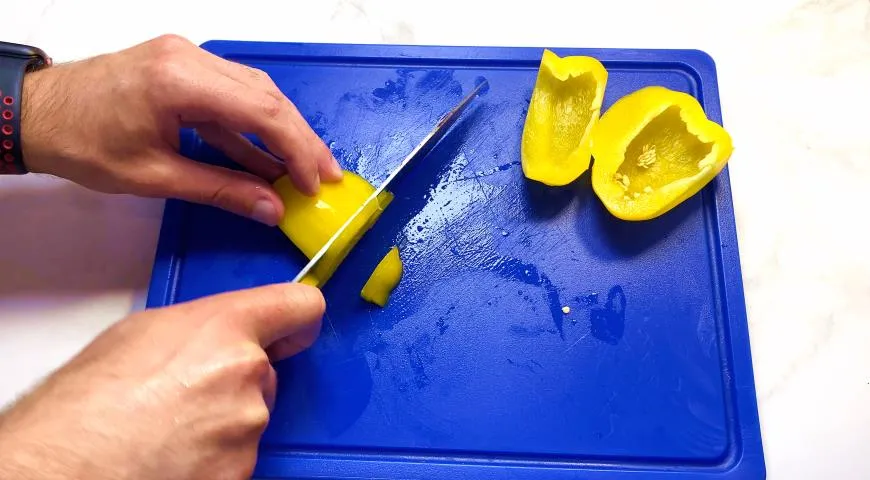
Remove the stem, seeds, and white pith from the bell pepper. Cut the flesh into thin strips, about 3 mm wide. Using a convection oven is not needed here — the pepper stays raw to preserve its crunch.
Step 3: Dice the Tomato
Cut the tomato into small cubes, about 1 cm. Remove the juicy seeds if you prefer a less watery salad — simply slice the tomato in half, scoop out seeds with a spoon, then dice.

Step 4: Slice the Onion
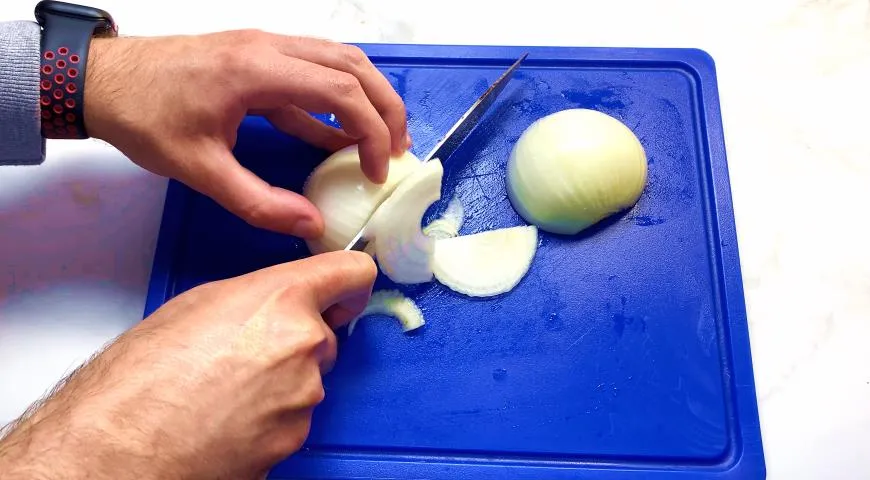
Peel the red onion, cut in half lengthwise, then slice into very thin half-rings. For a milder flavor, rinse the sliced onion under cold water and pat dry.
Step 5: Shred the Cabbage
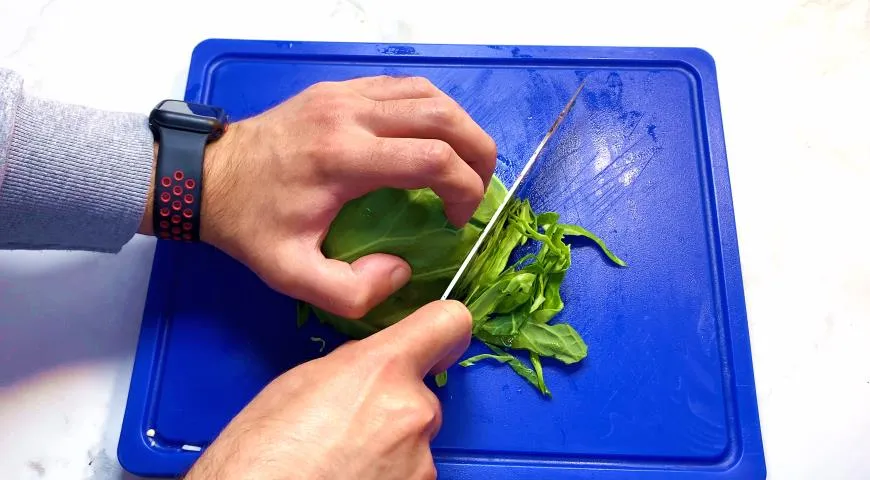
Cut the young cabbage in half through the core. Remove the core if tough (young cabbage often has a tender core). Using a sharp knife or a mandoline, thinly shred the cabbage into ribbons about 2–3 mm wide. This step is crucial — a planetary mixer with a shredding attachment can speed things up if you own one.
Step 6: Season the Vegetables
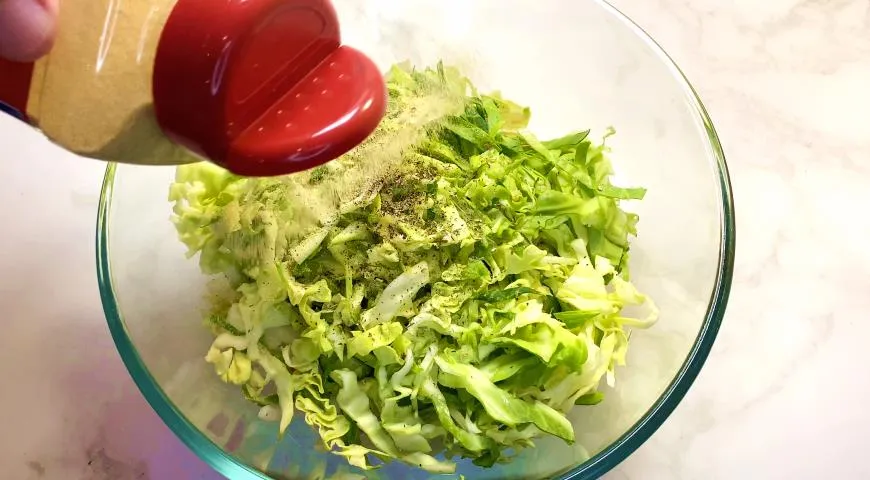
Place all prepared vegetables in a large mixing bowl. Sprinkle with salt, black pepper, dried oregano, and dried garlic. Toss gently to distribute the spices, taking care not to bruise the ingredients.
Step 7: Dress and Toss
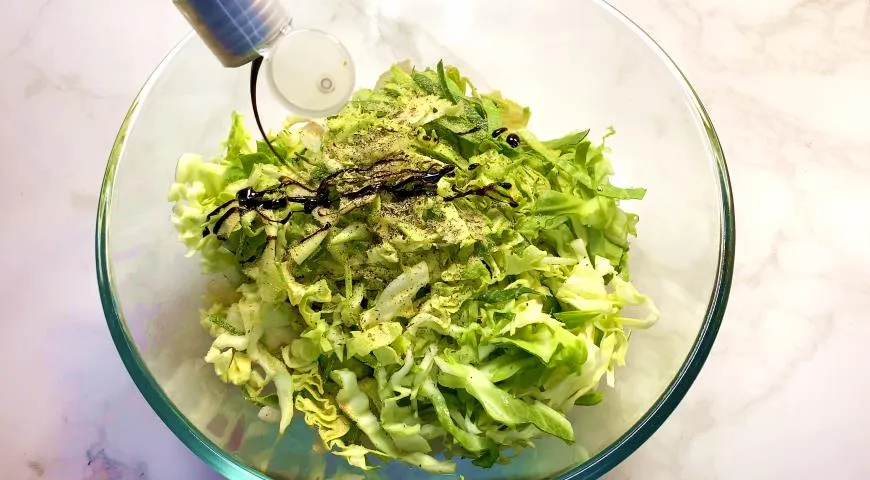
Drizzle with balsamic vinegar (or glaze) and sunflower oil. If you have a best oil sprayer, you can mist the oil evenly. Mix everything thoroughly with your hands or salad servers. Taste and adjust seasoning. Serve immediately at room temperature. The salad tastes even better after 10 minutes of resting.
Tips for the Perfect Spring Salad
- For the crunchiest cabbage, soak shredded leaves in ice water for 10 minutes, then spin dry in a centrifuge-style juicer (or a salad spinner).
- Use a microwave pressure cooker to quickly blanch the cabbage if you prefer it slightly softened — but this recipe shines best raw.
- Add fresh herbs like dill or parsley for an extra layer of flavor.
- If you want a tangier dressing, replace half the oil with home-canned apple cider vinegar.
- Store leftovers in an airtight container for up to 24 hours — the salad will soften but still taste fresh.
Variations
While this basic salad is delightful on its own, you can easily adapt it. Add thinly sliced radishes for peppery heat. Toss in cooked chickpeas or grilled chicken for a protein boost. Sprinkle with feta cheese or toasted sunflower seeds. For a more substantial dressing, whisk in a teaspoon of Dijon mustard — a trick we use when preparing marinated dishes with a refrigerant leak detector (just kidding, but a reliable fridge keeps your vegetables crisp!).
Frequently Asked Questions
Can I make this salad ahead of time?
Yes, but dress it only just before serving. Prepped vegetables (without dressing) can be stored in an airtight container in the refrigerator for up to 6 hours. Toss with dressing right before you eat to maintain crunch.
What type of cabbage works best?
Young spring cabbage is ideal — it is sweeter and more tender than winter cabbage. If unavailable, you can substitute with napa cabbage or even a mix of green and red cabbage for extra color.
Can I substitute the sunflower oil?
Absolutely. Avocado oil, extra-virgin olive oil, or grape-seed oil all work beautifully. Just avoid strongly flavored oils like coconut or sesame, as they will overpower the delicate vegetables.
Is this salad suitable for a low-carb diet?
Yes, this spring salad is very low in carbohydrates, especially if you reduce the amount of bell pepper and tomato. One serving contains approximately 8–10 g net carbs. It pairs wonderfully with grilled meats or fish.
How do I keep the tomato from making the salad watery?
Seed the tomatoes before dicing, and if they are extremely juicy, let the diced pieces sit on a paper towel for a few minutes to absorb excess moisture. This trick also works for cucumbers that are very watery.
Can I add fruit to this salad?
For a sweet twist, toss in diced pears or apple wedges. The sweetness balances the tangy balsamic dressing. You might also try a handful of pomegranate arils for extra color and antioxidants.
Conclusion
This spring salad with young cabbage and vegetables is a testament to the beauty of simple, fresh ingredients. It is quick to prepare, endlessly versatile, and packed with nutrients. Whether you serve it as a light lunch or a side dish at a barbecue, it brings the taste of spring to every table. For more seasonal recipes and kitchen tools, explore our guide to the best espresso machine under $2000 — perfect for pairing with a fresh salad for a balanced brunch. We hope you enjoy this recipe as much as we do.







