


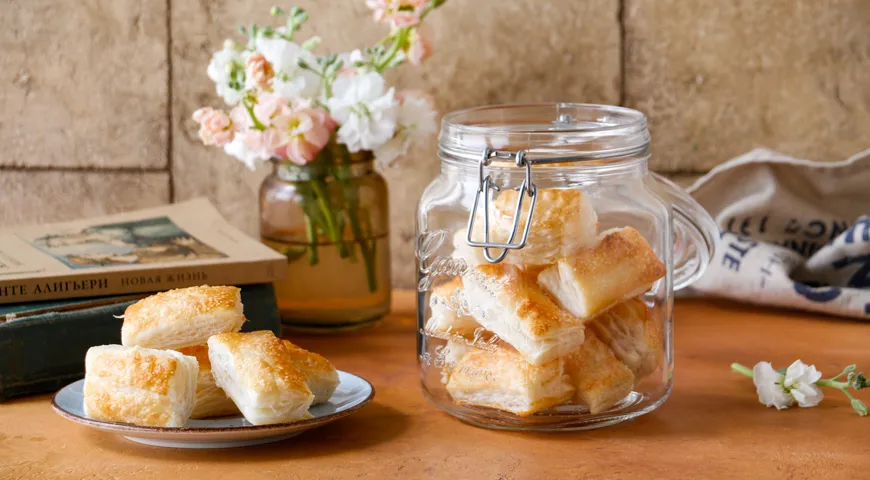
There are few pleasures as simple and profound as biting into a freshly baked puff pastry sugar tongue — a yazychok s sakharom. This classic Russian tea-time treat is a masterclass in minimalism: a rectangle of buttery, flaky dough, kissed by egg wash and sprinkled with coarse sugar, then baked until golden and irresistible. The name "tongues" comes from the elongated shape, reminiscent of little tongues, and the result is a pastry that is crisp on the outside, tender within, and just sweet enough to satisfy a craving without overwhelming. Whether you serve them alongside a steaming cup of tea, as a light dessert, or even as a party canapé (try pairing with a rich sweet wine), these sugar tongues are a testament to the beauty of doing one thing perfectly. In this guide, we’ll walk you through every step, from thawing the frozen dough to achieving that perfect golden sheen. And if you love working with puff pastry, you might also enjoy our Catalan sponge cake recipe for another elegant teatime bite.
About Puff Pastry Sugar Tongues
These sugar tongues are a beloved part of Russian home baking, often prepared with store-bought puff pastry for convenience. The recipe is forgiving and quick, making it an ideal project for both novice bakers and seasoned pastry lovers. The secret lies in the contrast: the crackling sugar crust against the light, puffed layers of dough. They are traditionally served as a krendel or sweet snack, but you can also dust them with cinnamon or a hint of vanilla for extra depth. If you enjoy working with yeast doughs, you might like our planetary mixer guide for tackling heavier doughs — but for these sugar tongues, a simple hand-brushing is all you need.

Ingredients
- Puff pastry (store-bought frozen, 500 g block or sheets) — allow to thaw slowly
- All-purpose flour for dusting — 2–3 tablespoons
- Granulated sugar — 100 g
- Large eggs (C1 size) — 2
That’s it. Four ingredients, zero fuss. The beauty of this recipe is its reliance on organic quality ingredients: use the best puff pastry you can find, and let the sugar do its magic.
Step-by-Step Instructions
Step 1: Thaw the Puff Pastry
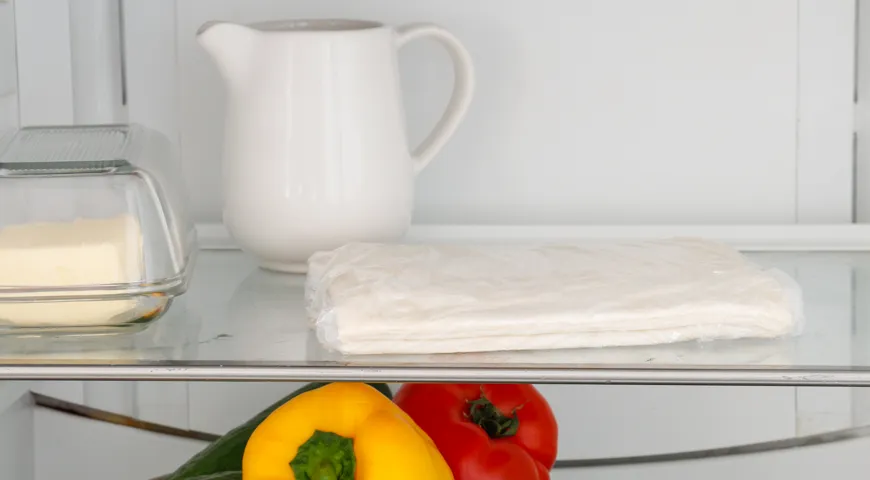
Evening before baking: remove the frozen puff pastry from the freezer and place it on the warmest shelf of the refrigerator (usually the top shelf). Allow about 10 hours for it to thaw completely. This gentle thawing prevents the butter from breaking through the dough, ensuring those beautiful layers later. If you’re in a hurry, you can use a ice maker for cold drinks while you wait — patience is key.
Step 2: Bring to Room Temperature
Next morning, take the thawed pastry out of the refrigerator. Remove any packaging. Lightly flour your work surface and unroll the pastry sheets. Let them sit at room temperature for about 30 minutes — this allows the gluten to relax and the butter to soften slightly, making the dough easier to cut. While waiting, you can prepare your baking sheet with parchment paper. A espresso machine might be handy to brew a coffee while the dough rests.
Step 3: Cut and Prepare Egg Wash
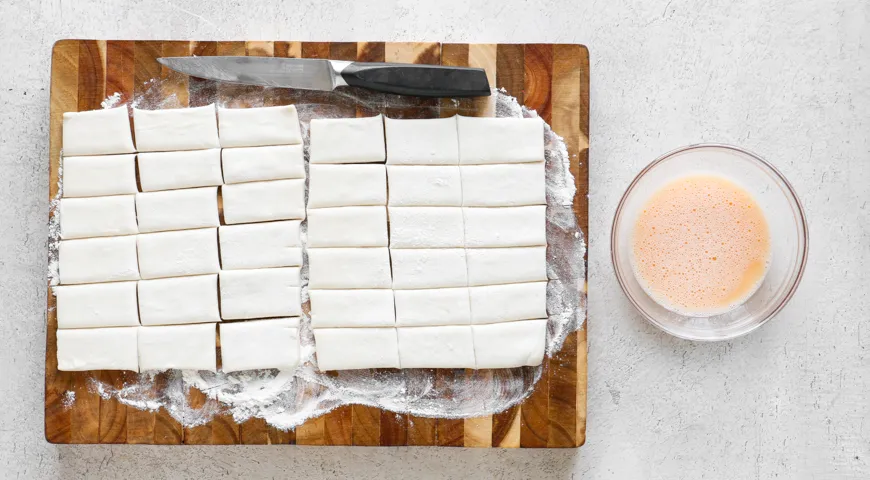
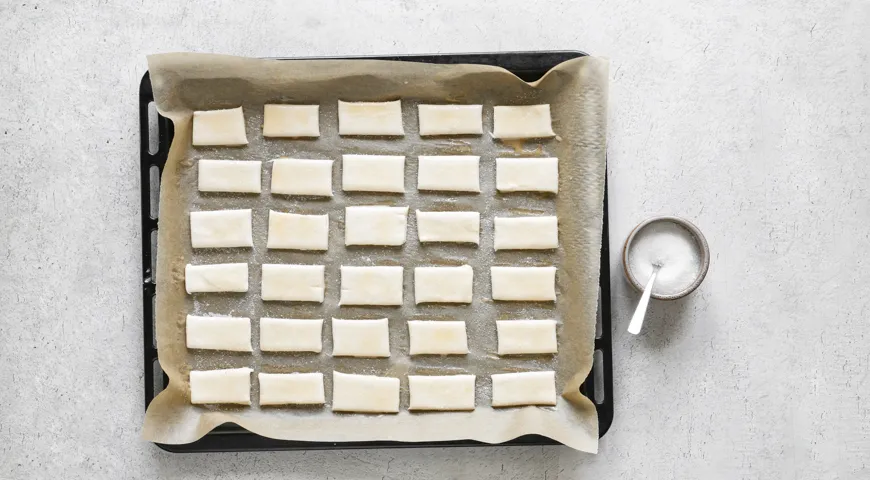
Using a sharp knife or a pastry cutter, slice the pastry sheets into rectangles about 3 cm × 5 cm — these are your "tongues." In a small bowl, whisk the two eggs with a fork or whisk until homogeneous. This egg wash is what gives the pastries their glossy golden finish. If you have a immersion blender, you can use it to blend the eggs even faster.
Step 4: Egg Wash and Sugar
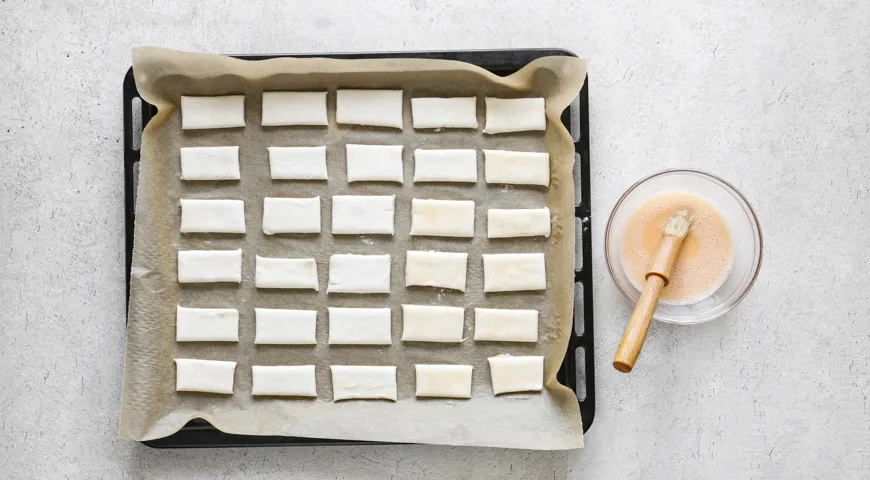
Transfer the pastry rectangles to a baking sheet lined with parchment paper, leaving a little space between each — they will puff but not spread much. Using a pastry brush, coat each piece with the beaten egg. Sprinkle generously with granulated sugar. Don’t be shy: the sugar creates a delightful crackly crust. For even sprinkling, consider using a oil sprayer to lightly mist the surface before sugar (optional).
Step 5: Bake
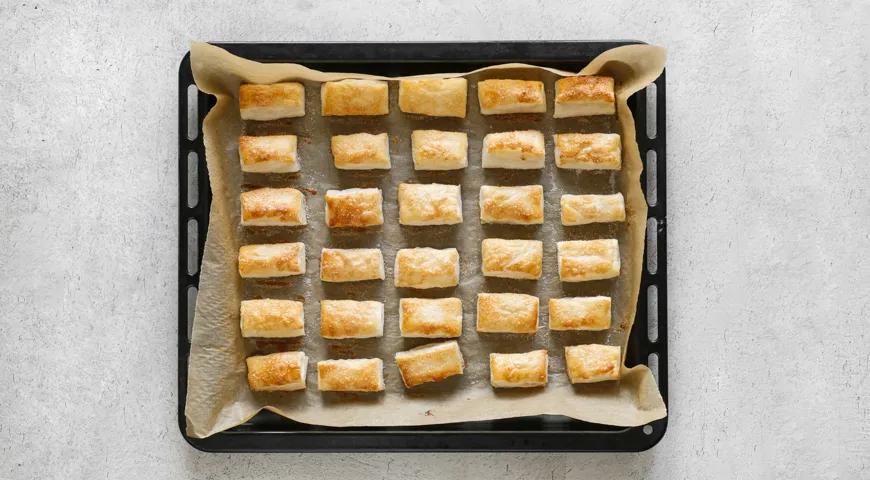
Preheat your oven to 190°C (375°F). Place the baking sheet on the middle rack. Bake for about 10 minutes, or until the sugar tongues are puffed and a beautiful deep golden color. Keep an eye on them — every oven is different. If you have a air fryer, you can adapt this recipe for smaller batches (reduce time slightly). Once baked, transfer to a wire rack to cool. Serve warm or at room temperature.
Tips for Perfect Sugar Tongues
- Cold puff pastry: If the dough becomes too warm while cutting, pop it in the fridge for 10 minutes before brushing with egg. This helps maintain distinct layers.
- Egg wash consistency: A touch of milk or cream in the egg wash yields an even richer color, but straight egg works beautifully.
- Sugar variety: Try coarse turbinado or sanding sugar for extra crunch. Avoid powdered sugar — it melts and won’t give that crackly crust.
- Even baking: Rotate the baking sheet halfway through if your oven has hot spots. A microwave pressure cooker can’t do this job, but a standard oven is perfect.
- Make ahead: The unbaked sugar tongues can be frozen on a tray, then transferred to a bag. Bake straight from frozen, adding 2–3 minutes.
Variations to Explore
Once you’ve mastered the classic, try these spins:
- Cinnamon Sugar: Mix 1 teaspoon ground cinnamon with the 100 g sugar before sprinkling.
- Chocolate Drizzle: After baking, melt 50 g dark chocolate and drizzle over the cooled tongues.
- Savory Version: Omit the sugar, brush with egg, and sprinkle with flaky sea salt, poppy seeds, or grated Parmesan. Bake as directed. Perfect with a chocolate-covered raisin dessert pairing.
- Herb and Cheese: Add a pinch of dried rosemary and finely grated pecorino before baking for an Italian-inspired twist.
- Spiced Honey: Brush baked tongues with a mixture of warm honey and ground cardamom for a sticky finish.
FAQ
Can I use homemade puff pastry instead of frozen?
Absolutely. If you have the time, food processor for nut butter isn’t needed here, but a good rolling pin is. Homemade pastry will yield even more delicate layers. Just ensure it’s rolled to about 3 mm thickness before cutting.
How do I store leftover sugar tongues?
Store in an airtight container at room temperature for up to 3 days. To re-crisp, place in a 150°C oven for 5 minutes. Avoid the microwave — it makes them chewy. If you have a wall oven microwave combo with air fryer, use the air fry setting for best results.
Can I reduce the sugar quantity?
Yes, but the signature crackle will be less pronounced. You can use 50–70 g sugar successfully. For a sugar-free version, sprinkle with erythritol or a monk fruit sweetener — but the texture may differ. Check our wheatgrass juicer guide for other healthy kitchen tools.
Why did my sugar tongues not puff evenly?
Uneven puffing can happen if the dough wasn’t fully thawed, if the butter was too cold, or if the egg wash dripped onto the baking sheet and prevented rising. Ensure the dough is fully at room temperature and brush only the tops. A commercial countertop convection oven provides more even heat distribution.
Can I make these with puff pastry trimmings?
Definitely! Re-roll any scraps once, then cut into tongues. Avoid overworking the dough; keep it cold. The flavor is just as delicious. For more inspiration using leftovers, see our steam canner article for preserving fruits to serve alongside.
Whether you’re whipping up a batch for a Sunday tea or a festive gathering, these puff pastry sugar tongues are a joy to make and even better to eat. The combination of flaky pastry and sweet, crunchy topping is timeless. Serve with a dollop of clotted cream or a drizzle of honey, and enjoy the simple elegance of Eastern European baking. And don’t forget to explore our coffee maker for Airbnb selection for the perfect brew to accompany your pastries.







