


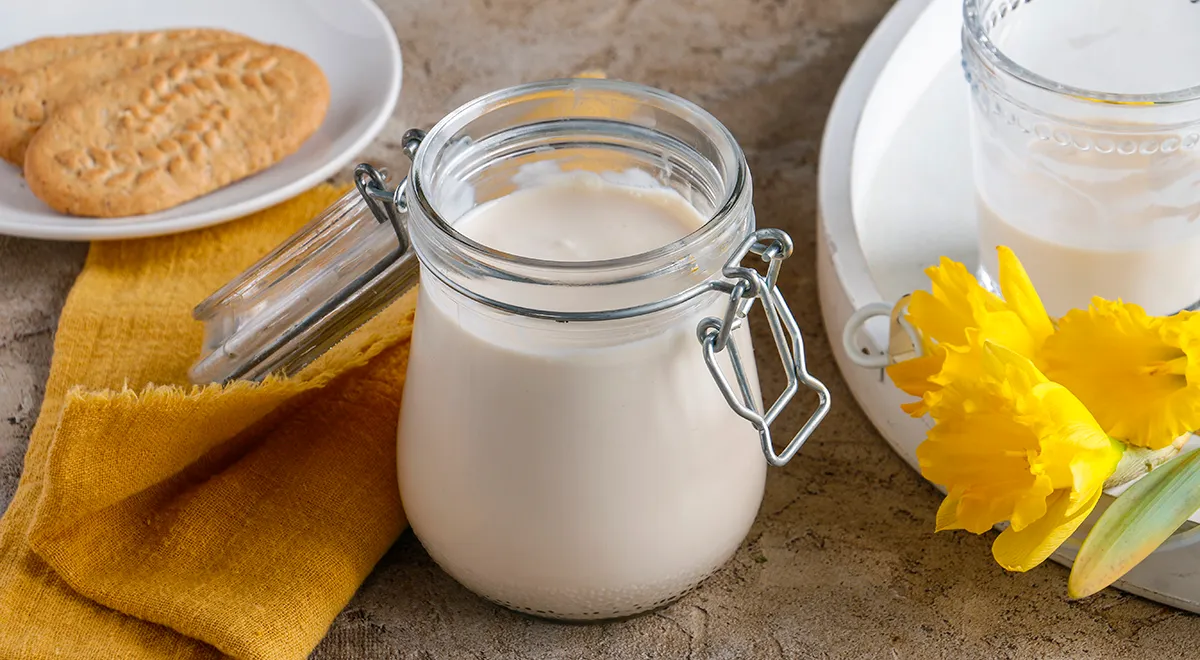
Homemade ryazhenka is a treasure of Russian cuisine—a rich, caramelized fermented milk product that transforms simple whole milk into a velvety, slightly nutty delicacy. Unlike commercial versions, homemade ryazhenka lets you control the creaminess and depth of flavor, achieving a luxurious texture that pairs beautifully with honey, fruit, or simply on its own. This authentic recipe, inspired by traditional methods, guides you through gentle oven-baking and natural fermentation, yielding a silky, probiotic-rich treat. For the finest results, always choose high-quality milk and cream; proper refrigeration during fermentation ensures food safety and optimal texture.
About Ryazhenka
Ryazhenka (also known as baked fermented milk) is a staple in Eastern European homes, prized for its creamy consistency and subtle sourness. It is made by simmering whole milk for hours until it turns a pale caramel color, then cooling it to precisely 40°C before inoculating with sour cream or a starter culture. The slow fermentation—often overnight—develops a gentle tang and thick, spoonable body. Unlike yogurt or kefir, ryazhenka has a distinctively sweet, nutty undertone from the prolonged heat, akin to dulce de leche but with a lighter finish. For those new to cultured dairy, a good immersion blender can help if you choose to smooth any lumps, though traditional ryazhenka is typically left undisturbed.

Ingredients
- Whole milk (3.2–3.5% fat) – 3 liters
- Sour cream (20–30% fat) – 100 g
Selecting top-tier ingredients is key. The milk should be as fresh as possible, and the sour cream must contain live cultures for proper fermentation. For an even richer version, consider using high-proof extracts sparingly—though not traditional, a drop of vanilla can enhance the caramel notes. Ordinary kitchen tools like a robust food processor aren’t needed here; a simple whisk and heavy-bottomed pot suffice.
Step-by-Step Instructions
-
Heat and Simmer
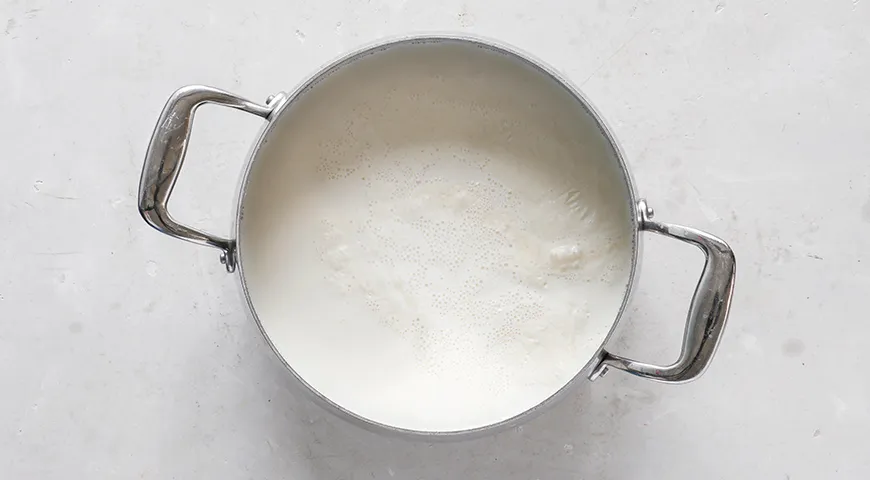
Pour the 3 liters of whole milk into a large, heavy-bottomed pot. Place over medium heat and bring to a gentle boil. Let it bubble for 2 minutes, then transfer the pot to an oven preheated to 150°C. This initial boiling drives off excess water and begins the Maillard reaction, creating ryazhenka's signature color. -
Bake the Milk
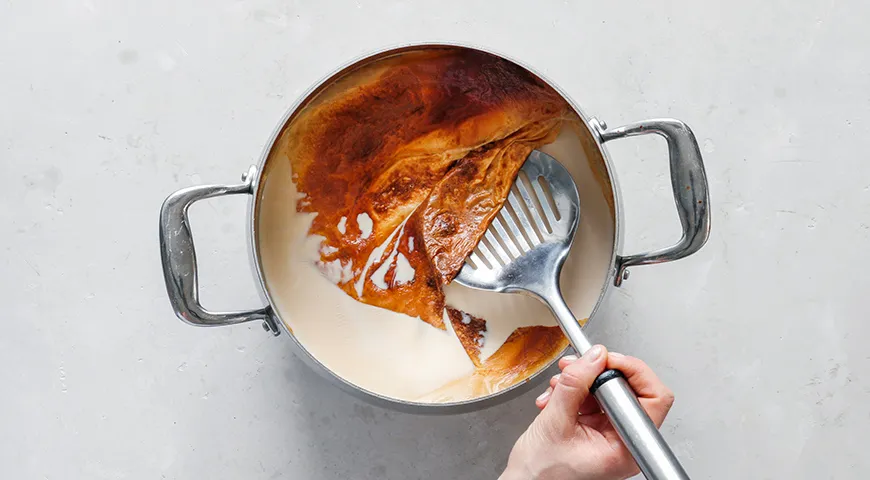
Simmer the milk in the oven for 2–2.5 hours. For a deeper, creamier hue, extend to 3 hours. The milk will reduce slightly and develop a golden skin. Remove the pot and allow it to cool to 40°C (warm to the touch). Skim off the skin with a slotted spoon and set aside—it’s a delicacy on its own. During this long bake, proper canning techniques might inspire you to preserve any excess. -
Prepare the Starter
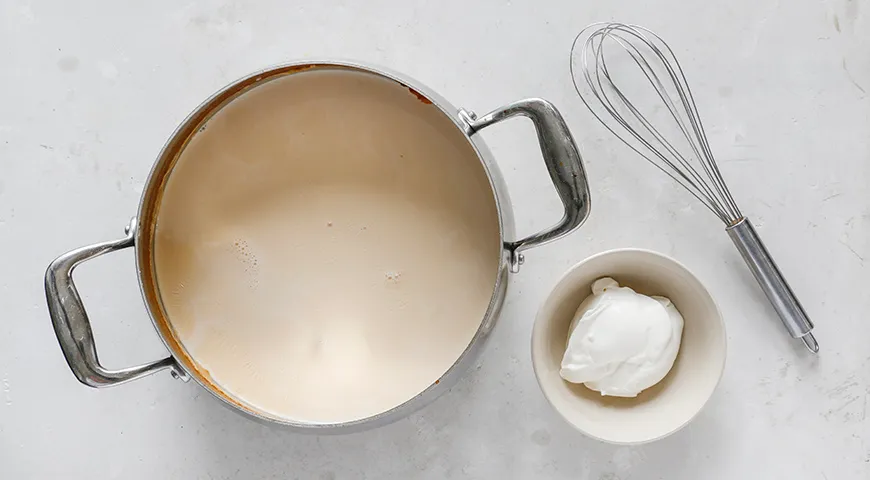
In a small bowl, combine the sour cream with 200 ml of the warm (40°C) baked milk. Whisk thoroughly until smooth. This step ensures the starter is evenly distributed. Pour this mixture back into the pot of remaining milk and whisk gently to blend. The milk should be uniformly warm—check with a thermometer for accuracy; temperature control is vital for proper fermentation. -
Ferment and Chill
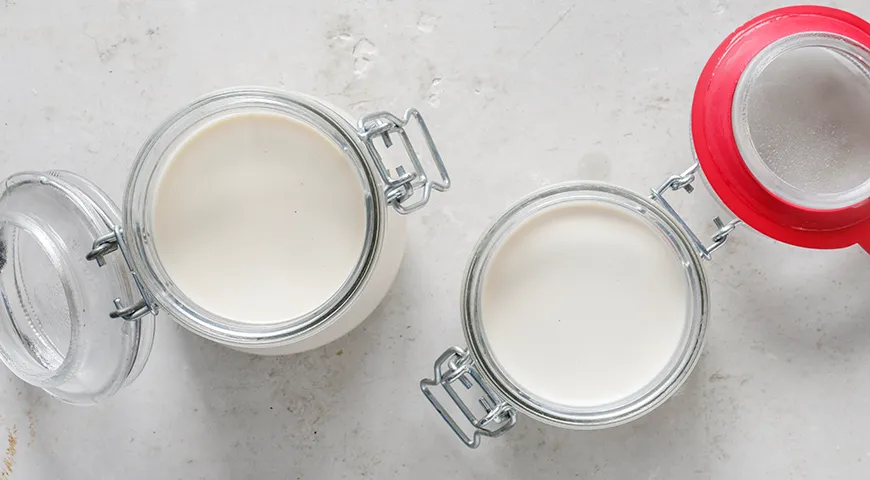
Ladle the mixture into small glass jars (each about 200–300 ml). Seal with lids and wrap tightly in a warm blanket. Place in a draft-free spot at around 35–40°C for 8 hours. The ryazhenka will set into a thick, pudding-like consistency. Once set, transfer to the refrigerator to halt fermentation and allow the flavors to mature. For even cooling, a dedicated ice maker isn’t necessary, but a stable fridge temperature of 4°C is ideal.
Tips for Perfect Ryazhenka
- Use full-fat milk – lower fat content yields a thinner, less luscious result.
- Monitor the oven temperature – an accurate oven ensures consistent caramelization. Consider using a convection oven for even heat distribution.
- Do not over-ferment – 8 hours at warm room temperature is ideal; longer may cause separation or excessive sourness.
- Keep the jars sterile – boil lids and jars to prevent unwanted bacteria. A microwave pressure cooker can speed up sterilization.
- Reserve the skin – this caramelized layer is a prized topping for porridge or fruit.
Variations
While classic ryazhenka is simply milk and sour cream, you can experiment: stir in a teaspoon of chocolate-covered raisins for a dessert twist, or add a pinch of salt to enhance the caramel notes. For a lighter version, substitute some milk with castor oil (not recommended—it won’t ferment!). Instead, consider using a probiotic starter like digestive enzyme blends for added gut health benefits. In some Russian homes, ryazhenka is strained through cheesecloth to make a soft cheese called syr, similar to quark.
FAQ
Why did my ryazhenka turn out runny?
This usually happens if the milk wasn't heated long enough to concentrate the proteins, or if the fermentation temperature was too low. Ensure the milk reaches 150°C during the bake and that the starter is mixed at exactly 40°C. Using a non-toxic air fryer won’t help here—stick to the oven.
Can I use low-fat milk?
Technically yes, but the resulting ryazhenka will be thinner and lack the signature creamy mouthfeel. If you must, add a tablespoon of powdered milk to boost texture.
How long does homemade ryazhenka last?
Stored in a sealed container in the refrigerator below 4°C, it stays fresh for up to 7 days. For longer storage, consider using a built-in refrigerator with precise temperature control.
Can I ferment ryazhenka in a slow cooker or Instant Pot?
Yes! Many modern slow cookers have a yogurt setting that maintains 40°C. Simply heat the milk on the stove, then transfer to the slow cooker. A planetary mixer isn’t necessary, but a thermometer is invaluable.
Is ryazhenka lactose-free?
The fermentation process breaks down most lactose, making it easier to digest for many lactose-intolerant individuals. However, it is not completely lactose-free. If you have severe intolerance, try a dairy-free version using sweet almond milk—though the flavor will differ.
What can I do with leftover whey?
If you strain your ryazhenka, the whey can be used in baking or smoothies. For inspiration, browse Catalan sponge cake recipes that incorporate whey for extra moisture.
Homemade ryazhenka is more than a drink—it’s a testament to patience and quality ingredients. Whether enjoyed for breakfast with honey and nuts or as a tangy base for salad dressings, this creamy fermented milk will elevate your culinary repertoire. For more tools to perfect your cultured creations, explore professional espresso machines for milk steaming, or a precision oil sprayer for even seasoning on the skin. The possibilities are endless.







