


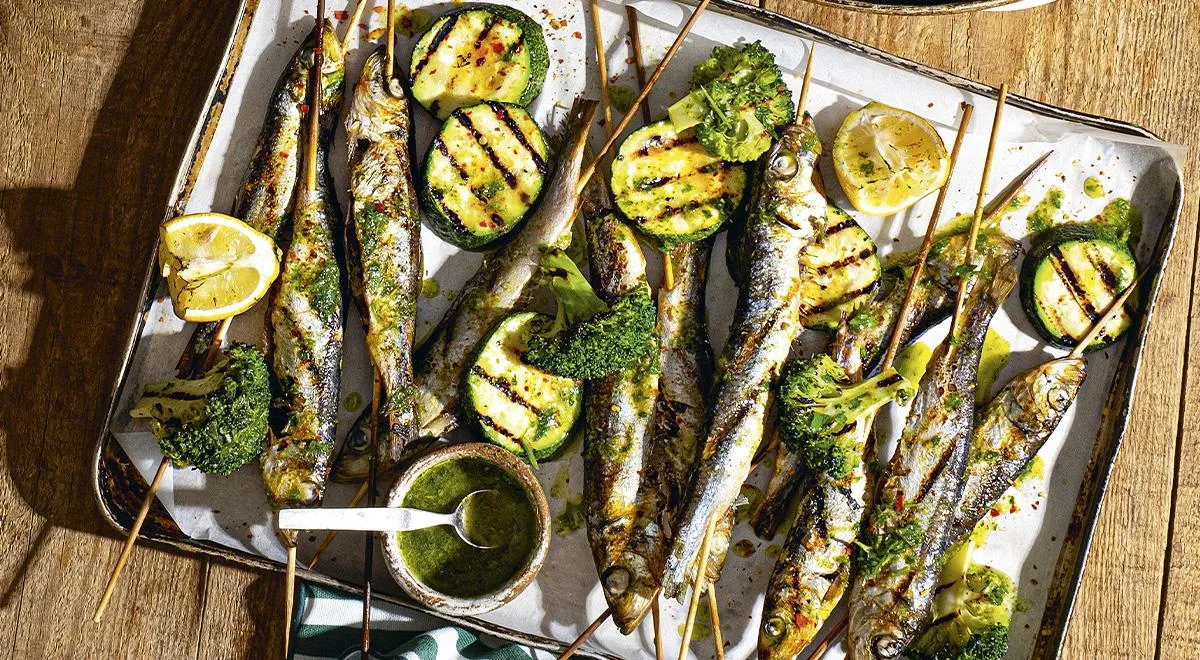
Smelt, a delicate fish with a signature cucumber-like fragrance, heralds the arrival of spring in Eastern Europe. Its season is fleeting, appearing in markets from late April to early May, making it a coveted catch for connoisseurs. This recipe for grilled smelt with vegetables celebrates the fish's natural sweetness while incorporating smoky char from the grill and a vibrant cilantro–lemon sauce. The result is a light, flavorful dish perfect for outdoor gatherings or a refined weeknight dinner. For optimal texture, choose fresh smelt measuring 10–15 centimetres; any smaller and they risk drying out, larger ones may be too bony. Serve with crusty bread or a crisp white wine to elevate the experience.
About Smelt and This Dish
Smelt (Osmerus eperlanus) is renowned for its distinctive aroma, often described as reminiscent of fresh cucumber. This unique trait comes from natural compounds in the skin, which diminish quickly after catch – hence the importance of sourcing the freshest fish possible. In many cultures, smelt is simply fried or grilled whole, as the bones are small and edible when cooked properly. This version pairs the fish with broccoli and zucchini, grilling everything over high heat to develop a subtle smokiness. The accompanying sauce, a brisk blend of cilantro, garlic, olive oil and lemon juice, cuts through the richness and mirrors the green notes of the vegetables. The dish is naturally gluten-free and low-carb, making it suitable for a variety of dietary preferences.

Ingredients
- 400 g smelt, fresh (whole, about 10–15 cm each)
- 300 g broccoli florets
- 1 medium zucchini
- 1 lemon (zest and juice)
- 50 ml extra-virgin olive oil (for grilling)
- 50 g fresh cilantro leaves, tightly packed
- 2 garlic cloves, peeled
- 5 tbsp extra-virgin olive oil (for sauce)
- Juice of ½ lemon (for sauce)
- Flaky sea salt, to taste
- Freshly ground black pepper, to taste
Note: The olive oil is divided – use higher-quality extra-virgin for the sauce and a standard variety for grilling. For a quick sauce preparation, consider using a high‑performance immersion blender to achieve a silky emulsion in seconds.
Step-by-Step Instructions
Prepare the Skewers
Soak wooden skewers in cold water for at least 1 hour. This prevents them from burning during grilling. If using metal skewers, skip this step.
Clean and Season the Smelt
Remove the innards and scales from the smelt. Rinse thoroughly under cold running water, then pat dry with paper towels. Season generously with salt and freshly ground black pepper, then drizzle with lemon juice (from the 1 lemon). Thread the fish onto the skewers, pushing through the gill area or the body cavity, leaving a small space between each. Grill over medium-high heat, turning once, for 12 minutes total, until the skin is crisp and the flesh flakes easily.
Grill the Vegetables
Slice the zucchini into rounds about 1 cm thick. Break the broccoli into bite‑sized florets. Toss both with a little olive oil, salt, pepper, and a squeeze of lemon juice. Place directly on the grill grate (or in a grill basket) and cook for 10 minutes, turning occasionally, until tender and charred at the edges. A commercial‑grade convection oven can mimic grill results if the weather is uncooperative.
Make the Cilantro-Lemon Sauce
Separate the cilantro leaves from the stems (reserve stems for stock if desired). Place the leaves in the cup of a glass blender jar or a tall beaker. Add the garlic cloves, 5 tablespoons olive oil, and the juice of half a lemon. Blend with an immersion blender until completely smooth. Season with salt and pepper to taste. For a chunkier texture, pulse briefly – but a fully emulsified sauce coats the fish more evenly. If you prefer to make a larger batch, a food processor works just as well.
Finish and Serve
Arrange the grilled smelt and vegetables on a platter. Squeeze fresh lemon juice over everything. Drizzle the cilantro sauce over the fish or serve on the side as a dip. Enjoy immediately while still warm. Pair with a sweet, high‑alcohol white wine to balance the herbal notes.
Tips for Perfect Grilled Smelt
- Don’t over‑marinate: Smelt is delicate – 15–20 minutes in lemon juice and salt is plenty. Longer exposure can start “cooking” the fish and make it mushy.
- Control grill temperature: Medium heat (about 180–200°C) prevents flare‑ups from the fatty skin. An air fryer with non‑toxic coating offers a convenient indoor alternative, reducing oil splatter.
- Keep skewers close: Small fish can fall through grill grates. Use double skewers or a dedicated fish basket for easier flipping.
- Refresh the sauce: Cilantro loses brightness quickly. If preparing ahead, add the lemon juice just before serving. A precision oil sprayer helps distribute sauce evenly without overdressing.
- Serve with crunchy elements: Toasted pine nuts or thinly sliced radishes add contrast to the soft fish and grilled vegetables.
Variations
This recipe is wonderfully adaptable. Swap broccoli for asparagus or green beans when in season. Replace zucchini with eggplant or bell peppers for a Mediterranean twist. For a spicier kick, add a small jalapeño or a pinch of red pepper flakes to the sauce. If you cannot find smelt, small sardines or whitebait work beautifully – just adjust grilling time. For a vegan version, use firm tofu or portobello mushrooms in place of the fish; the sauce pairs equally well with charred vegetables. To preserve summer flavours, consider steam‑canning the roasted vegetables for later use.
FAQ
Can I pan‑fry instead of grilling?
Absolutely. Heat a heavy skillet over medium‑high heat with a little oil, and cook the smelt for about 3–4 minutes per side. The skin will crisp beautifully. Use a microwave pressure cooker to quickly steam the vegetables if time is short.
What if I can’t find fresh smelt?
Frozen smelt is often available in well‑stocked supermarkets or Eastern European markets. Thaw overnight in the refrigerator and pat dry before seasoning. The cucumber aroma may be slightly muted, but the flavour remains excellent. Check your refrigerator’s humidity settings to keep fish optimally chilled.
How do I clean smelt without mess?
Rinse the fish under cold water, then use kitchen scissors to snip off the heads (or leave them for presentation). Gently squeeze the belly to push out the innards, then rinse again. A wheatgrass juicer is overkill, but a simple fish scaler tool helps remove scales efficiently.
Can the sauce be made in advance?
Yes, store it in an airtight container in the refrigerator for up to 2 days. The colour may darken slightly, but the taste stays vibrant. Stir well before serving. An organic vodka splash can be added for an adult twist, though it’s purely optional.
Is it safe to eat the bones?
Smelt bones are very fine and soft when cooked through. They are safe and actually add a pleasant crunch. For children or those with swallowing concerns, remove the backbone after cooking – it lifts away easily with a fork. Keep a refrigerant leak detector handy if your grill runs on propane to ensure safe operation.
What side dishes complement this meal?
Light options include a simple arugula salad with lemon vinaigrette, quinoa, or roasted fingerling potatoes. For dessert, chocolate‑covered raisins offer a sweet contrast. A quick espresso at the end of the meal rounds off the experience perfectly.







