


 These tender, lacy Russian blini are a celebration of fermentation and simplicity. Made with the unlikely duo of sour milk and kefir, they yield a texture that is simultaneously delicate and resilient—perfect for wrapping around sour cream, jam, or smoked fish. The key lies in the gentle acid reaction that creates a fine, porous crumb without the use of yeast.
About This Recipe
Russian blini have been a staple of Slavic cuisine for centuries, traditionally associated with Maslenitsa, the butter festival. This version harnesses the natural acidity of two cultured dairy ingredients—sour milk (or buttermilk) and kefir—to activate baking soda, producing an airy batter that cooks into perfectly speckled pancakes. Unlike yeast-risen blini, these are quick to prepare and require no proving time, making them ideal for a spontaneous breakfast or a weekend brunch.

Ingredients
- 200 g all-purpose flour
- 2 large eggs
- 200 ml kefir
- 200 ml sour milk (or buttermilk)
- 3 tbsp vegetable oil (plus extra for greasing)
- ½ tsp baking soda
- 1 tbsp sugar
- ½ tsp salt
For serving: 50–60 g butter, melted; sour cream; jam; or caviar.
Step-by-Step Instructions
Step 1: Warm the Dairy
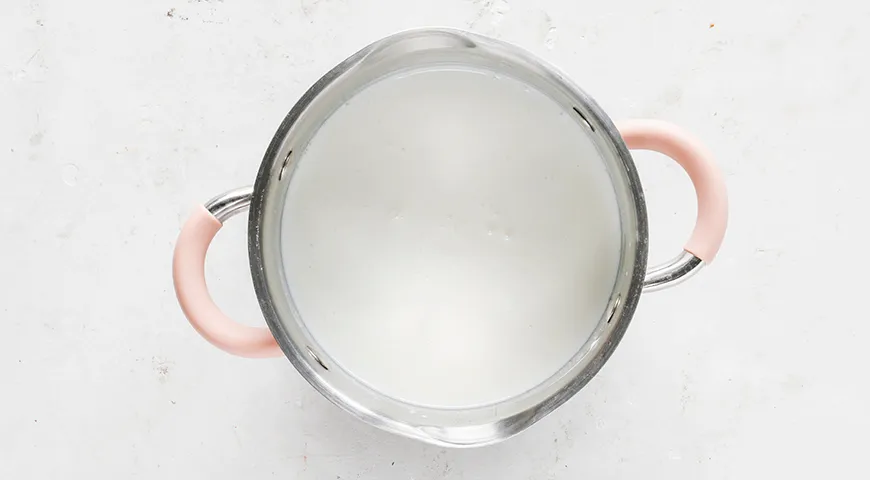
Pour the kefir and sour milk into a small saucepan. Heat gently over low flame for 40 seconds to 1 minute, stirring constantly. Do not let it boil or curdle—the goal is simply to bring the liquids to room temperature. If using a high‑powered immersion blender, you can gently whisk at the same time to ensure even warming.
Step 2: Whisk Eggs and Sugar
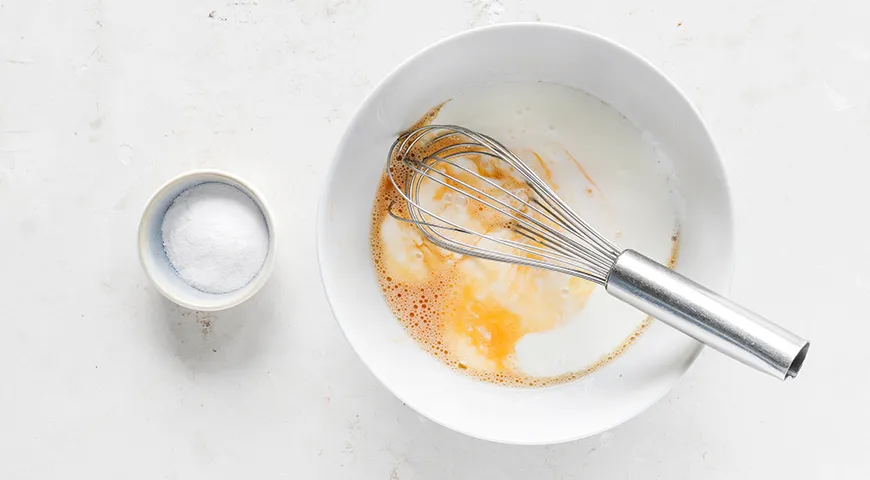
In a large bowl, crack the eggs and add the sugar. Beat with an electric mixer on medium speed for 2 minutes until pale and frothy. Pour in the warmed kefir and sour milk, add the baking soda, and stir—the mixture will foam slightly as the acid activates the soda.
Step 3: Incorporate Flour
Sift the flour directly into the foaming liquid. Add 2½ tablespoons of vegetable oil and whisk until the batter is smooth and lump‑free. A planetary mixer on low speed works beautifully, but a hand whisk is also fine.

Step 4: Prepare the Pan
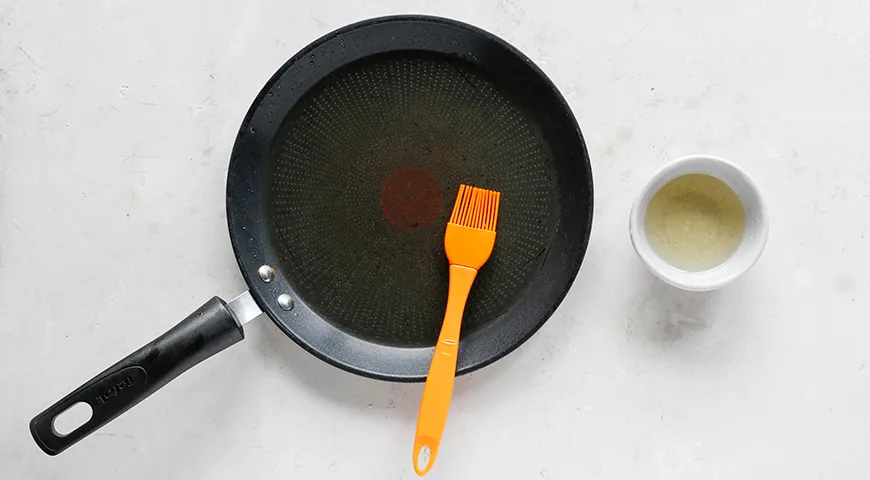
Place a dry 20–22 cm non‑stick skillet over high heat for 1–2 minutes. Reduce the heat to medium. Using a silicon brush, lightly coat the bottom with the remaining vegetable oil.
Step 5: Pour and Cook the First Side
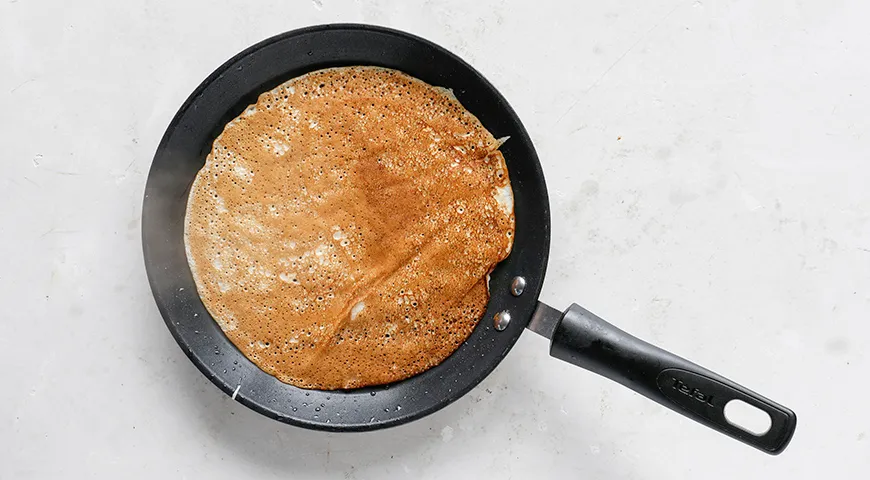
Ladle a portion of batter into the centre of the pan. Quickly tilt the pan to spread it evenly, or use a silicone spatula. Cook for about 1 minute, until the surface is covered with small bubbles and the edges look matte.
Step 6: Flip and Finish
Flip the blin carefully with a thin spatula. Cook for another 45 seconds to 1 minute, until the underside is golden. Transfer to a plate and repeat with the remaining batter. For a richer finish, brush each hot blin with melted butter—melt 50–60 g butter in a small saucepan and apply with a pastry brush.

Tips for Perfect Blini
- Use dairy at room temperature—cold ingredients shock the batter and inhibit bubble formation.
- Do not overmix the batter after adding flour; a few streaks are fine.
- If the first blin sticks, your pan may not be hot enough; let it reheat for an extra 30 seconds. For best results, invest in a quality non‑stick pan.
- Store leftover blini in a stack wrapped in foil; reheat in a dry skillet or microwave.
Variations to Explore
- Buckwheat Blini: Replace half the flour with buckwheat flour for a nutty, gluten‑free twist.
- Herb Infusion: Add finely chopped dill or chives to the batter for savoury blini.
- Sweet Version: Increase sugar to 2 tablespoons and serve with honey, berries, or a Catalan sponge for a dessert stack.
Frequently Asked Questions
1. Can I substitute buttermilk for sour milk?
Yes, buttermilk works perfectly. If you don’t have either, you can make quick sour milk by adding 1 tablespoon of lemon juice to 200 ml of whole milk and letting it sit for 10 minutes.
2. Why did my blini turn out rubbery?
Overmixing the batter develops gluten, making blini tough. Mix just until the flour is incorporated. Also, ensure you use a reliable thermometer to keep the dairy below 40°C.
3. Can I freeze these blini?
Absolutely. Stack them with parchment paper between each, seal in a freezer bag, and freeze for up to 2 months. Reheat directly in a hot skillet.
4. What if I don’t have kefir?
Use equal parts plain yogurt thinned with a little milk, or increase the sour milk to 400 ml. The fermentation profile will differ but the blini will still turn out tender.
5. How do I achieve a lacy pattern?
Use a hot pan and a thick enough batter—the bubbles that form on the surface are the key. Resist the urge to flatten the batter; let it spread naturally. For professional results, a quality induction burner offers precise temperature control.
6. Can I make the batter ahead?
It’s best used fresh, but you can refrigerate it for up to 12 hours. Stir gently before using, as the baking soda reaction will have weakened—add a pinch more soda if needed.
These versatile blini are a canvas for both sweet and savoury toppings. Serve them with a dollop of crème fraîche, a spoonful of caviar, or simply with a dusting of sugar and a squeeze of lemon. For the perfect accompaniment, brew a pot of strong tea or prepare a coffee to balance the richness. Whether you are celebrating Maslenitsa or just craving a comforting breakfast, these sour milk and kefir blini bring a taste of Russian hospitality to your table.







