


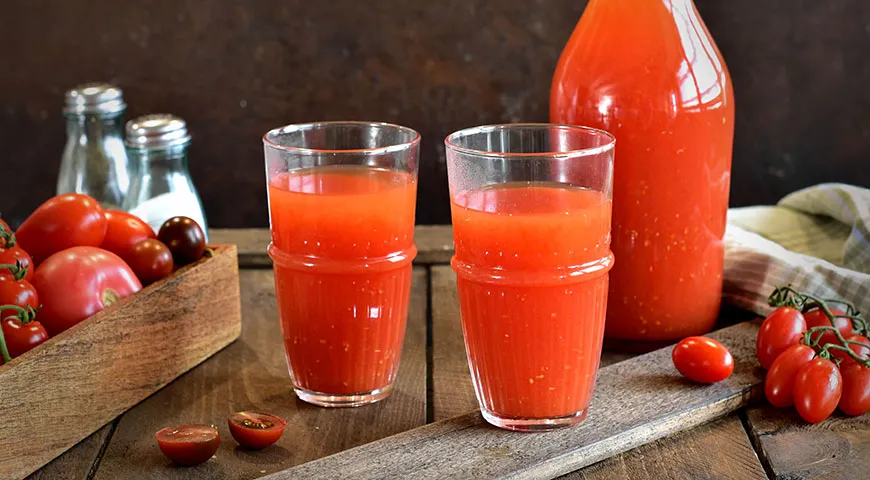
There is something deeply satisfying about capturing the essence of summer in a bottle—a ritual that transforms sun-ripened tomatoes into a vibrant, velvety juice that will brighten the darkest winter months. This recipe for homemade tomato juice is a cornerstone of traditional Russian preserving, yet it transcends culture with its simplicity and purity. Using only the finest, fully ripe tomatoes, a touch of salt, and a whisper of sugar, you create a concentrate of flavor that elevates everything from morning Bloody Marys to hearty stews. The process is straightforward, but the rewards are immense: a pantry stocked with a versatile, preservative-free elixir that speaks of care and craft.
About This Recipe
This technique, passed down through generations, emphasizes the natural sweetness and acidity of the tomato. The key is selecting tomatoes at their absolute peak—soft, deeply colored, and bursting with juice. Unlike commercial versions, this homemade tomato juice contains no additives, only the pure essence of the fruit balanced with salt and sugar. The method involves a brief simmer to enhance flavor and texture, followed by straining to achieve a silky consistency. For those who love the art of preserving, this recipe pairs beautifully with a best steam canner to ensure a perfect seal, though traditional water-bath canning works wonderfully as well.

Ingredients
- 5 kg very ripe red tomatoes (any variety)
- Salt – approximately 35–40 g (use a fine sea salt for clarity)
- Sugar – approximately 50–55 g (granulated white sugar balances acidity)
The proportions are adjustable: for every liter of finished juice, add 10 g of salt and 15 g of sugar. This precision ensures a consistent, well-rounded flavor. If you prefer a salt-free version, simply omit it, but the sugar helps preserve the color and mouthfeel.
Step-by-Step Instructions
Step 1: Prepare the Tomatoes
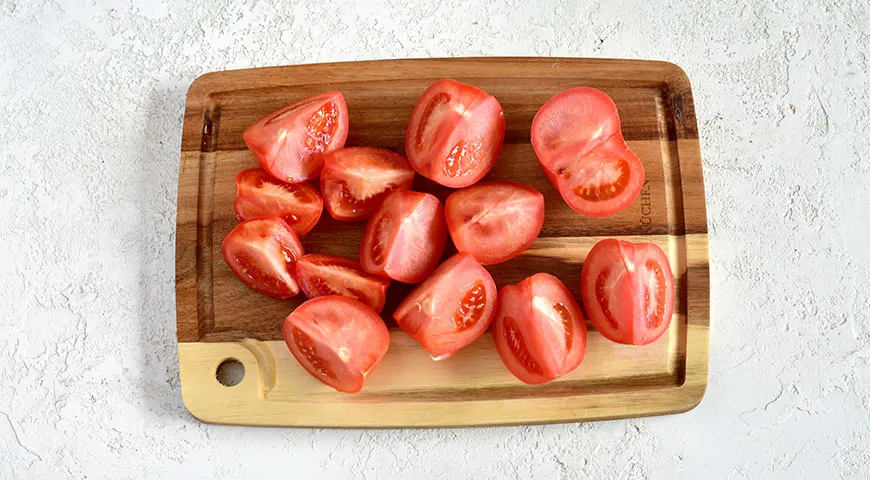
Select the ripest tomatoes you can find. Wash them thoroughly under cool water, pat dry, and remove the stems. Cut each tomato into quarters. This size facilitates even blending and cooking. A high-quality best glass food processor can speed up the initial chopping, but a sharp knife works perfectly.
Step 2: Puree the Tomatoes
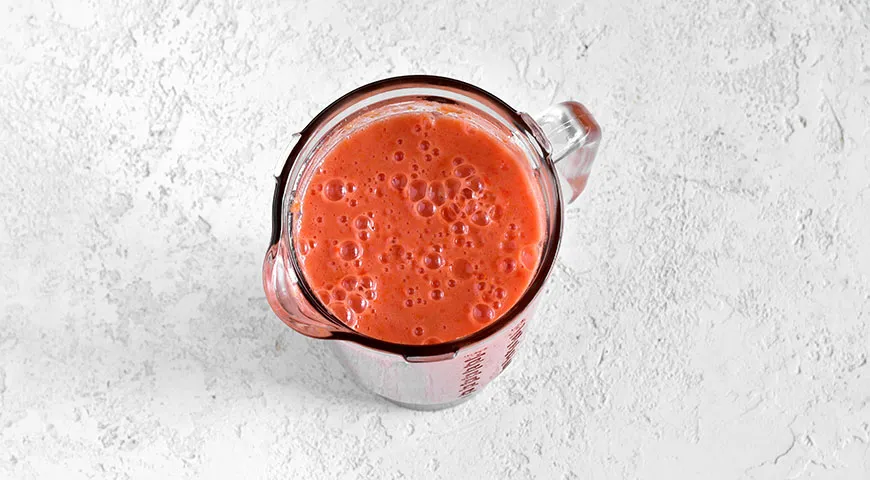
Using a meat grinder or a blender, process the tomato pieces until smooth. A best non-toxic immersion blender is ideal for this task, allowing you to puree directly in a large bowl. Ensure no large chunks remain; the puree should be homogenous.
Step 3: Cook the Puree
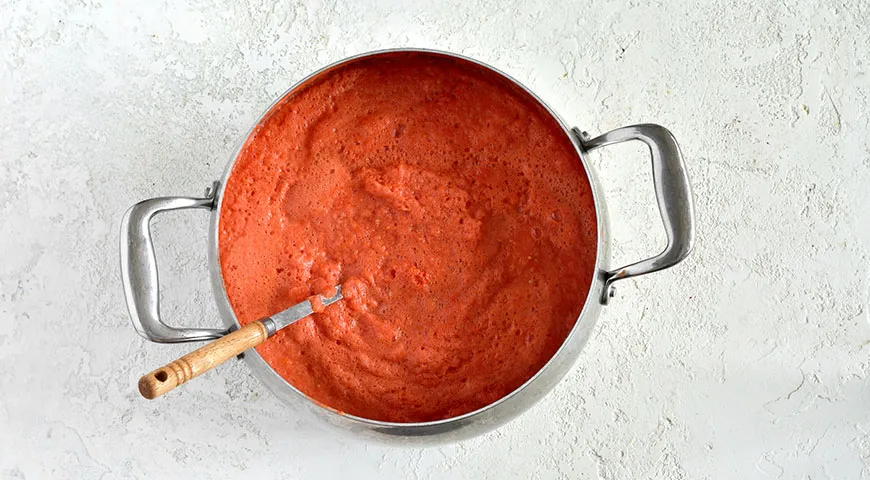
Transfer the puree to a large, heavy-bottomed pot. Bring it to a boil over high heat, then reduce the heat to medium and simmer for 12–15 minutes, stirring occasionally. Do not skim the foam; it will reincorporate during straining. This brief cooking concentrates the flavor and breaks down the pulp. For even heating, consider using a best planetary mixer with a heating attachment? Not necessary, but a steady stir helps.
Step 4: Strain and Season
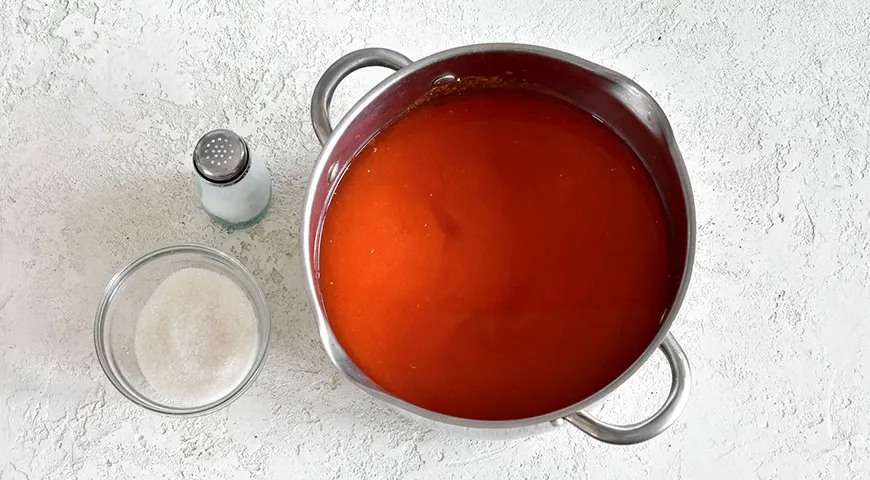
Allow the juice to cool slightly, then pass it through a fine-mesh sieve, pressing with a ladle to extract every drop. Discard the solids (or compost them). Measure the resulting juice and add salt and sugar in the ratio: 10 g salt and 15 g sugar per liter. Stir until fully dissolved. A best microwave pressure cooker can be used to reheat the juice quickly if needed, but a stovetop is classic.
Step 5: Final Boil for Canning
If you plan to store the juice for winter, return the strained juice to a boil and cook for 5 minutes. This ensures sterility and a stable shelf life. While it boils, prepare your canning jars—sterilize them in boiling water or a best steam canner for convenience.

Step 6: Bottle and Seal
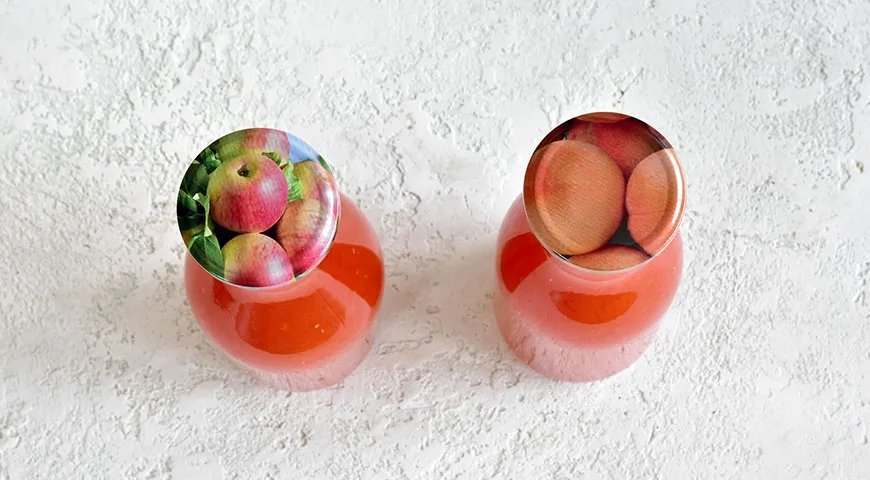
Carefully ladle the boiling juice into sterilized jars, leaving 1 cm headspace. Wipe rims, apply lids, and process in a water bath or canner for 10 minutes (adjust for altitude). Cool completely and store in a cool, dark place. A best 48 inch built-in refrigerator is excellent for long-term storage, but a pantry works just as well.
Tips for Perfect Homemade Tomato Juice
For the richest flavor, combine heirloom tomatoes like Brandywine or San Marzano with a few cherry tomatoes for sweetness. If the juice tastes flat, a squeeze of lemon or a pinch of cayenne can brighten it. To avoid cloudiness, strain through a cheesecloth-lined sieve. When blending, a best food processor for nut butter can also handle tomatoes efficiently, though it may produce a thicker puree. For a rustic texture, skip the second straining. Always taste before canning—adjust salt and sugar to your preference. Using a best oil sprayer to lightly grease the pot can prevent sticking if you reduce the juice further.
Variations to Explore
This base recipe invites personalization. Add a teaspoon of smoked paprika for a smoky depth, or incorporate fresh herbs like basil or oregano during the simmer for a Mediterranean twist. For a spicy version, toss in a halved jalapeño or a pinch of chili flakes. You can also blend in roasted red peppers or carrots for added sweetness and body. If you prefer an uncooked juice, use a best wheatgrass juicer to extract raw juice, but note that it will not keep without preservatives or immediate consumption. For a luxurious finish, strain through a nut-milk bag for an ultra-smooth texture. This juice also works as a base for sauces—simmer it down with garlic and olive oil using a best non-toxic air fryer? No, but an air fryer is great for roasting tomatoes beforehand to intensify flavor.
If you’re making a large batch, a best commercial countertop convection oven can dry-roast tomatoes to concentrate sugars before juicing. For serving, a chilled glass of this juice paired with a fine espresso from a best espresso machine under 2000 makes a sophisticated breakfast. And don’t forget—this juice is a star in cocktails; use it in a Bloody Mary with best organic vodka for a clean spirit.
Frequently Asked Questions
Can I use any type of tomato for this recipe?
Yes, but very ripe, juicy tomatoes yield the best flavor. Plum tomatoes have less water, so you may need to adjust cooking time. For a sweeter result, include cherry tomatoes. A best undercounter ice maker machine is not needed here, but a good blender helps.
How long does homemade tomato juice last in the pantry?
Properly canned and sealed, it will keep for up to 12 months in a cool, dark place. Once opened, refrigerate and use within 5–7 days. A best 48 inch built-in refrigerator ensures optimal storage temperature.
Can I make this recipe without added salt or sugar?
Absolutely. The juice will be less balanced and may taste slightly acidic, but it is still delicious. Sugar helps preserve color; you can substitute with honey. For salt, try a pinch of celery salt. A best refrigerant leak detector is irrelevant here, but ensure your canning equipment is clean.
Why is my tomato juice separating?
Separation is normal for homemade juice without thickeners. Simply shake or stir before using. To minimize separation, you can add a small amount of tomato paste during cooking. Using a best oil sprayer to coat the pot helps prevent scorching, which can cause separation.
Can I freeze tomato juice instead of canning?
Yes. Pour the cooled juice into freezer-safe containers, leaving headspace, and freeze for up to 6 months. Thaw in the refrigerator. For portioning, consider using a best chocolate covered raisins container? No, but ice cube trays work well for small amounts. A best coffee maker for airbnb has nothing to do with juice, but you can use leftover juice in coffee? Not recommended.
This recipe is a celebration of simplicity—a testament to how a few quality ingredients, handled with intention, can produce something truly exceptional. Whether you enjoy it straight, in a soup, or as a mixer, this homemade tomato juice will become a pantry staple you’ll revisit year after year.







