


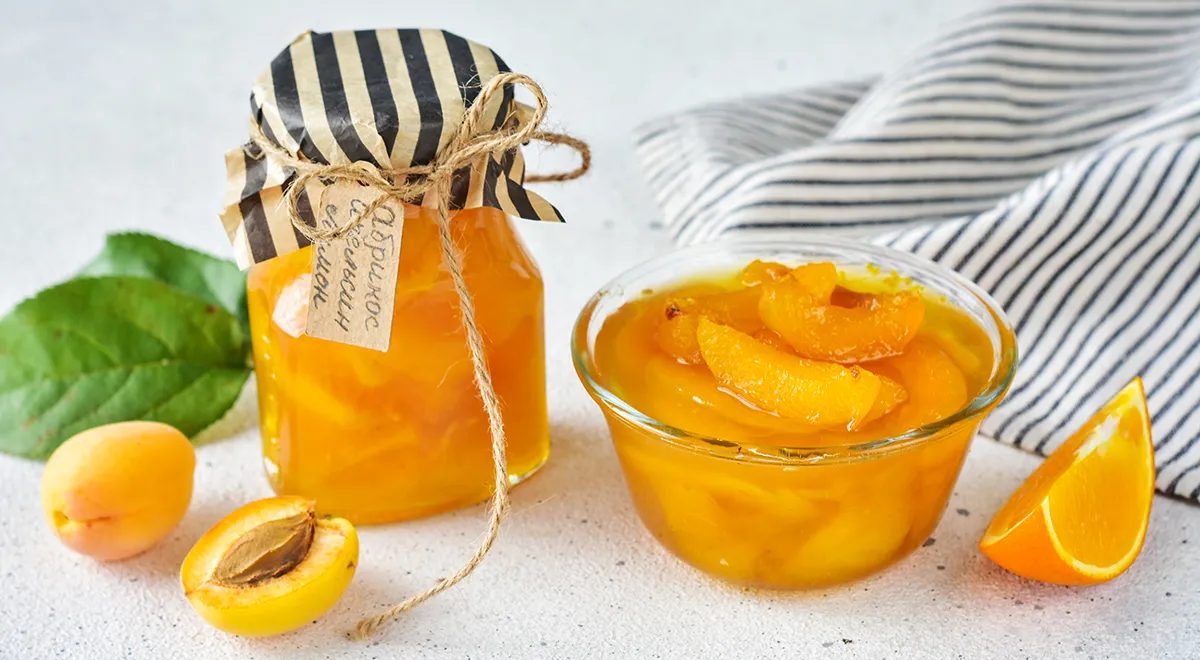
There are few things more satisfying than a jar of homemade jam, especially when it captures the essence of a sun‑drenched summer in every spoonful. This Apricot, Orange, and Lemon Jam (варенье из абрикосов, апельсинов и лимонов) elevates the classic stone‑fruit preserve with a vibrant citrus trio and a whisper of cinnamon. The result is a complex, beautifully balanced confection that works equally well on a morning croissant, alongside a cheese board, or as a secret ingredient in glazes and dressings. With just a handful of simple ingredients and a little patience, you can create a luxurious preserve that far surpasses anything from the store shelf.
About This Recipe
This recipe comes straight from the trusted archives of Gastronom.ru, a source known for its authentic, no‑fuss approach to classic Russian cooking. What sets this jam apart is the generous use of both zest and juice from oranges and lemon – a technique that ensures the citrus oils bloom during cooking, infusing each piece of apricot with layers of fragrant acidity. The addition of cinnamon sticks adds a gentle warmth that rounds out the sweetness without overwhelming the fruit. This is not a quick jam; the fruit is left to macerate for an hour before cooking, then simmered slowly to achieve the perfect translucent, syrupy texture. For those new to preserving, using a reliable steam canner can simplify the sterilization process and guarantee a safe, long‑lasting seal.

Ingredients
- Apricots – 1 kg
- Sugar – 700 g
- Oranges – 2 pcs
- Lemon – 1 pc
- Cinnamon sticks – 2 pcs
Choose ripe but firm apricots; overripe fruit will break down too quickly and cloud the jam. Organic citrus is ideal since we’re using the zest. If you have a high‑quality glass food processor, you can quickly zest and segment the oranges and lemon without bruising the peel.
Step‑by‑Step Instructions
Step 1: Prepare the apricots.
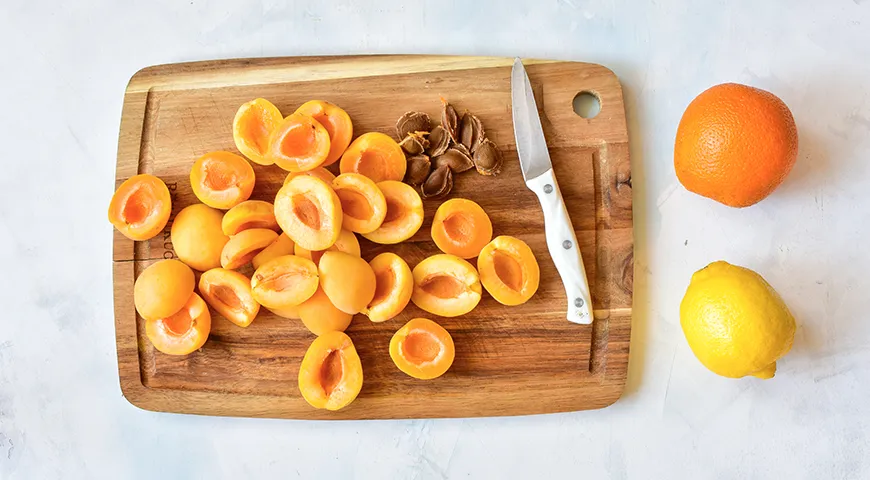
Wash the apricots thoroughly, pat them dry, then cut each in half and remove the pit. Slice each half into several pieces – about 4–6 per apricot depending on size. Transfer the fruit to a heavy‑bottomed pot (a microwave pressure cooker can also work for this step if you prefer to speed up the maceration later).
Step 2: Prepare the oranges.
Wash the oranges thoroughly. Using a fine‑microplane or the fine side of a box grater, remove the zest from both oranges directly into the pot with the apricots. Then peel the oranges completely, separate them into segments, and remove all white pith and any seeds. Cut each segment into three pieces and add both the flesh and zest to the pot. A non‑toxic immersion blender is not needed here, but a sharp knife is essential for clean segments without tearing the membranes.

Step 3: Prepare the lemon.
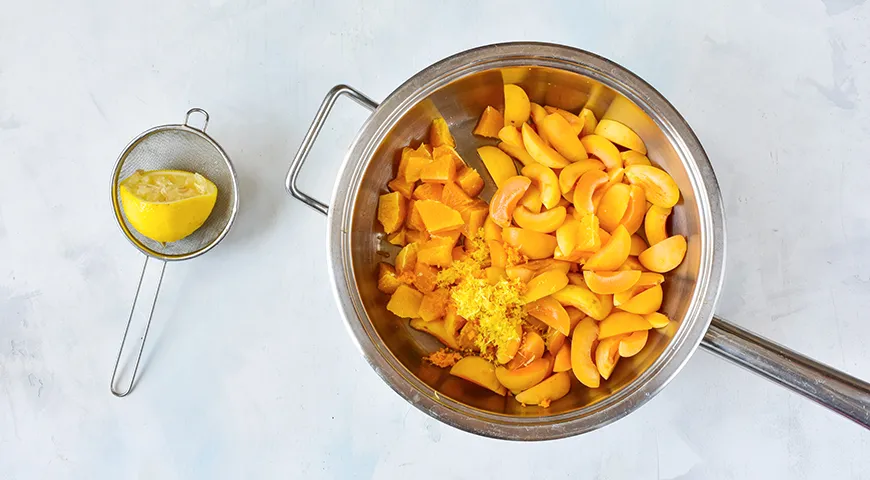
Wash the lemon, then finely zest it and add the zest to the pot. Cut the lemon in half and squeeze out the juice, straining it through a fine‑mesh sieve into the pot to catch any seeds or pulp. The lemon juice provides essential acidity that helps set the jam and balance the sweetness. For effortless juicing, consider using a top‑rated wheatgrass juicer – its powerful motor can handle citrus too.
Step 4: Macerate the fruit.
Sprinkle the sugar over the fruit mixture. Gently shake the pot or stir with a wooden spoon so that the sugar coats everything evenly. Let the pot sit at room temperature for 1 hour. During this time, the sugar draws out the natural juices from the fruit, creating a syrupy base that will cook down into a glossy preserve. If your kitchen is cool, you can cover the pot and leave it longer – up to 2 hours – for even more juice extraction. A refrigerant leak detector isn’t related to jam‑making, but it’s always handy to have in your appliance toolkit.

Step 5: Cook the jam.
Place the pot on the stove over medium heat. Stir occasionally until the mixture comes to a full boil, then slide in the two cinnamon sticks. Reduce the heat to the lowest setting and let the jam simmer gently for 50–60 minutes, stirring now and then to prevent sticking. The jam is ready when it has thickened noticeably and sheets off a cold spoon. You can test the set by placing a small spoonful on a chilled plate – if it wrinkles when you push it with your finger, it’s done. Using a planetary mixer is not needed here, but a reliable kitchen scale ensures accurate sugar measurements every time.

Step 6: Jar and seal.
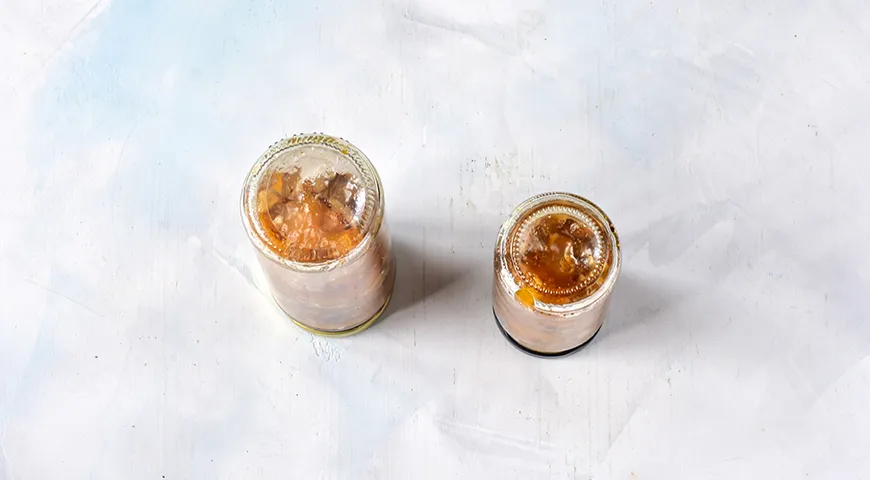
Remove the cinnamon sticks (they’ve done their job). While the jam is still piping hot, ladle it into sterilized jars, leaving about 5 mm headspace. Wipe the rims clean, then seal with lids. Invert the jars for a few seconds to sterilize the lids, then turn them upright and wrap them in a warm towel. Let them cool completely at room temperature for at least 24 hours. You’ll hear the satisfying pop of the lids sealing. Store in a cool, dark place – the jam will keep for up to a year unopened. For those who enjoy modern conveniences, an undercounter ice maker can provide cubes for quickly cooling jam samples during testing.
Tips for Perfect Jam
- Don’t skip the maceration: Allowing the fruit to sit with the sugar for an hour (or longer) ensures the apricots soften and release their pectin, which gives the jam its natural body.
- Test the pectin level: If your apricots are very ripe, you may need a splash of commercial pectin. Alternatively, include one under‑ripe apricot per batch – its naturally high pectin will help the set.
- Skim the foam: As the jam simmers, a light foam will rise to the surface. Skim it off with a metal spoon for a clearer, more brilliant final product.
- Use a wide pot: A wide, heavy‑bottomed pot allows for faster evaporation, reducing cooking time and preserving the fruit’s fresh flavour. A commercial countertop convection oven is overkill, but a quality stainless steel pot is ideal.
- Check your sweetness: If you prefer a tarter jam, reduce sugar to 600 g and add an extra half‑lemon’s juice.
Variations
- Spice it up: Swap one cinnamon stick for a star anise or a piece of vanilla bean for a completely different aromatic profile.
- Add a kick: Toss in a piece of fresh ginger (peeled and thinly sliced) along with the citrus zest for a spicy undertone.
- Low‑sugar version: Use a high‑methoxyl pectin designed for reduced‑sugar recipes. Follow the pectin manufacturer’s instructions precisely, as the ratio of sugar to fruit will change the set.
- Herbaceous note: Add a sprig of rosemary or thyme during the last 10 minutes of cooking – remove before jarring. The herb pairs surprisingly well with apricot and citrus.
- Liqueur infusion: Stir in a tablespoon of organic vodka or a quality orange liqueur just before jarring to add depth and help preserve the jam.
Frequently Asked Questions
Can I use frozen apricots?
Yes, but thaw them completely and drain any excess liquid before macerating. Frozen apricots tend to be softer, so the jam will cook a little faster – start checking for doneness after 40 minutes.
Why did my jam turn out too runny?
This usually happens if the fruit was too ripe (low pectin) or the cooking time was insufficient. You can re‑cook the jam: return it to the pot, bring to a boil, and simmer until it reaches the setting point. Alternatively, add a teaspoon of commercial pectin mixed with a little water.
How long does this jam last?
If properly sterilized and sealed, unopened jars will keep in a cool, dark pantry for up to 12 months. Once opened, store in the refrigerator and consume within three weeks.
Can I reduce the sugar further?
Yes, but you’ll need to adjust the pectin. This recipe uses a 1:0.7 fruit‑to‑sugar ratio, which is already lower than many traditional jams. For sugar‑free versions, consult a pectin package designed for no‑sugar preserves.
What’s the best way to sterilize jars?
Wash jars and lids in hot, soapy water, then place them in a 130°C oven for 10 minutes, or submerge them in boiling water for 10 minutes. Use a steam canner for a fast, efficient process that also sanitizes the lids without warping them.
Can I double this recipe?
Absolutely. Just ensure your pot is large enough – you need at least 6 litres capacity to allow room for boiling without spillover. Increase the cooking time by about 10–15 minutes.
What kitchen tools are essential for jam‑making?
Besides a heavy‑bottomed pot and sterilized jars, a good pair of tongs (for handling hot jars), a fine‑mesh strainer, and a candy thermometer (or a chilled plate) are invaluable. A non‑stick oil sprayer helps grease rims if you use paraffin seals.
Is this jam suitable for canning in a water bath?
Yes. Because the recipe has enough sugar and acidity from the citrus, it is safe for boiling‑water‑bath canning. Process sealed jars for 10 minutes (pints) or 15 minutes (half‑pints) from the time the water returns to a boil. Check altitude adjustments if needed.
Can I add other fruits?
Sure. Peaches or nectarines make excellent substitutes for apricots. Plums also work – just reduce the sugar slightly because plums are less sweet. For a tropical twist, replace one orange with a mango (peeled and cubed).
Why include the orange and lemon zest if the juice is already there?
The zest contains essential oils that give a more intense, bright citrus flavour than the juice alone. It also adds texture – little flecks of colour and a slight bitterness that balances the sweetness. A high‑end espresso machine won't help here, but a fine grater or microplane is essential.
How do I know when the jam is perfectly set?
Use the spoon test: dip a cold metal spoon into the hot jam, then lift it out. The jam should cling to the spoon and, when you run your finger through, a clear path remains. Alternatively, use a cooking thermometer – the mixture should reach about 105°C at sea level.
Looking for More Inspired Preserves?
If you enjoyed this recipe, explore our other fruit‑forward creations like Catalan sponge cake – perfect for serving with a dollop of this apricot‑citrus jam. And for a unique gift idea, pair a jar of this jam with chocolate‑covered raisins for a sweet and tart treat that everyone loves.







