


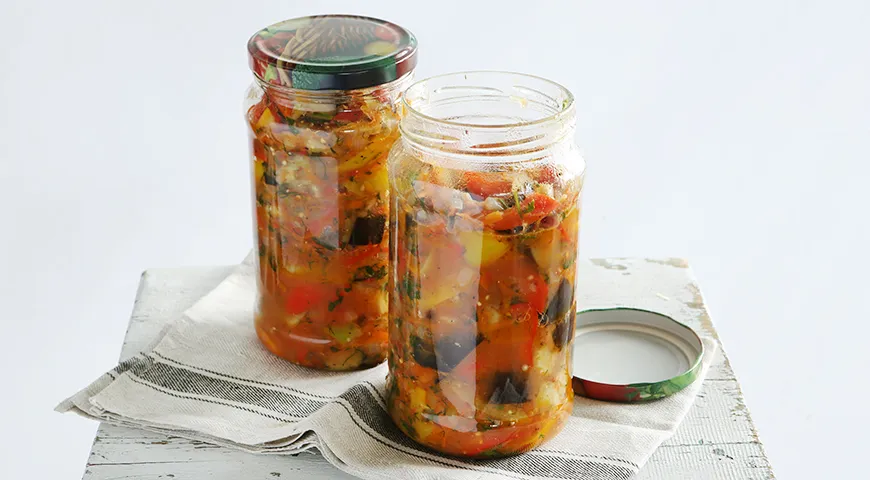
There’s something profoundly satisfying about capturing the essence of a sun‑drenched summer in a jar. This winter eggplant salad, a beloved Russian preserve, transforms humble vegetables into a rich, savory spread that tastes like a garden in July even when snow lies thick outside. The technique mirrors classic sauté: each vegetable is briefly fried in a small amount of oil, then simmered together until tender. The key hurdle—eggplants sponge up fat like thirsty seeds—is overcome by a simple salt brine that reduces oil absorption, leaving the dish luscious but never greasy. Below, I’ll guide you through every nuance, from selecting produce to achieving the perfect balance of sweetness and acidity. For a deeper dive into preserving methods, explore our guide to the best steam canners and learn about non‑stick oil sprayers for lighter cooking.
About This Winter Eggplant Salad
This preserve is a testament to Eastern European resourcefulness: it’s not just a condiment but a versatile ingredient—serve it on crusty bread, alongside roasted meats, or stirred into pasta. The recipe originates from home kitchens where families would put up dozens of jars to brighten cold months. By using a controlled frying and pasteurization process, you retain vibrant color and texture while ensuring long‑term shelf stability. The inclusion of bell peppers, carrots, and herbs adds complexity, while a touch of vinegar provides brightness and safety. If you’re new to canning, consider using a microwave pressure cooker to test small batches, or examine our refrigerant leak detector to keep your storage area safe.

Ingredients
- 1 kg (2.2 lb) eggplants
- 800 g (1.8 lb) ripe tomatoes
- 300 g (10.6 oz) yellow onions
- 300 g (10.6 oz) carrots
- 400 g (14.1 oz) bell peppers (any color)
- 2–2½ teaspoons fine sea salt, plus extra for eggplant brine
- 1–1½ tablespoons granulated sugar
- 3 tablespoons 5% white vinegar
- 8–10 whole allspice berries
- 2 dried bay leaves
- 1 small bunch fresh dill
- 1 small bunch fresh parsley
- 3–4 garlic cloves (optional)
- 150 ml (⅔ cup) vegetable oil, divided
Select tomatoes that are fully ripe but firm; avoid mealy specimens. For the best flavor, use a glass food processor to purée the tomatoes smoothly. The recipe calls for 5% vinegar; if using higher acidity, adjust by adding a splash of water.
Step‑by‑Step Instructions
- Prepare sterilized jars and lids. Wash them in hot soapy water, then submerge in a pot of boiling water for 10 minutes. Keep them warm until filling.
-
 Wash eggplants, trim stems, and dice into 3‑cm cubes. Toss with about 1 tablespoon salt and let sit for 30–40 minutes. This draws out bitterness and minimises oil absorption during frying.
 -
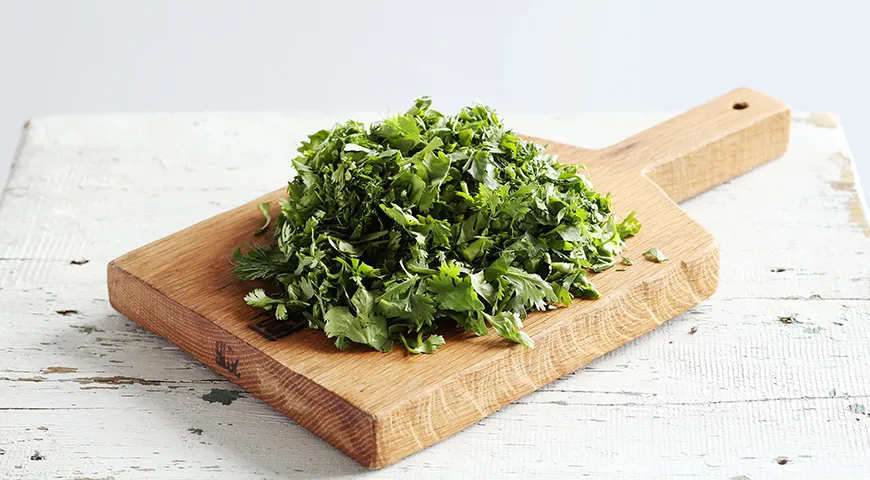
 Rinse and finely chop both dill and parsley. Set aside.
 -
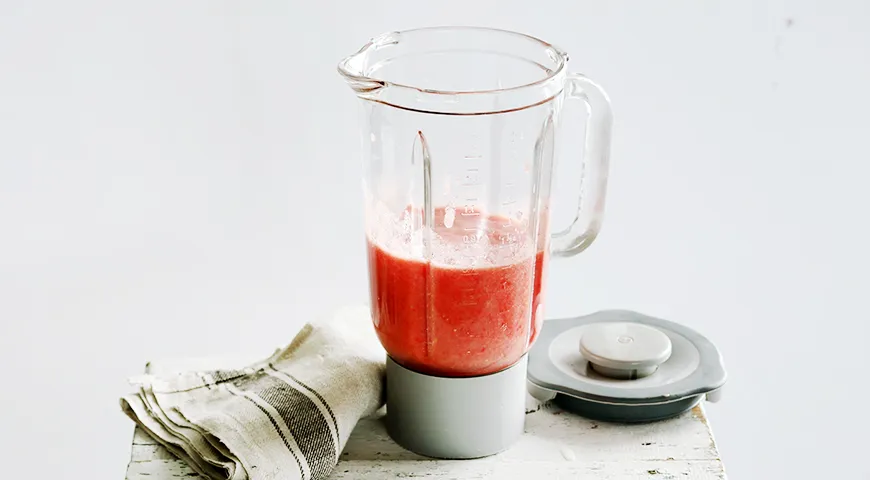
 Score an X on the bottom of each tomato, pour boiling water over them, then plunge into cold water. Peel off the skins, core, and roughly chop. Purée using a blender or food processor until smooth. A high‑quality non‑toxic immersion blender makes this task effortless.
 -
 Core bell peppers, remove seeds, and slice into thin strips.
 -
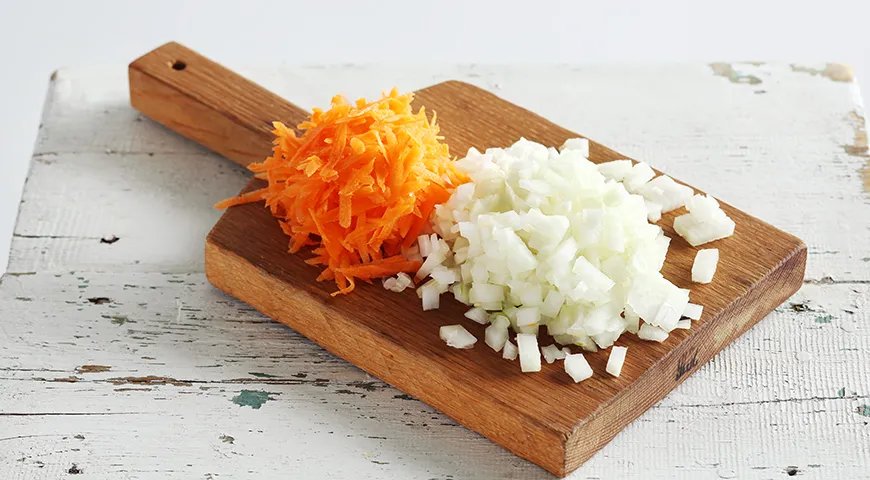
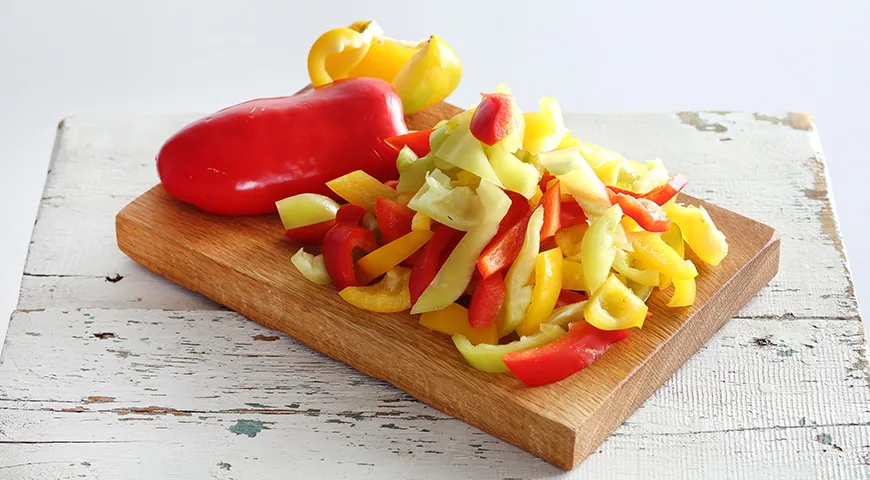 Peel onions and cut into small dice. Peel carrots and grate on the large holes of a box grater or cut into fine julienne.
 -
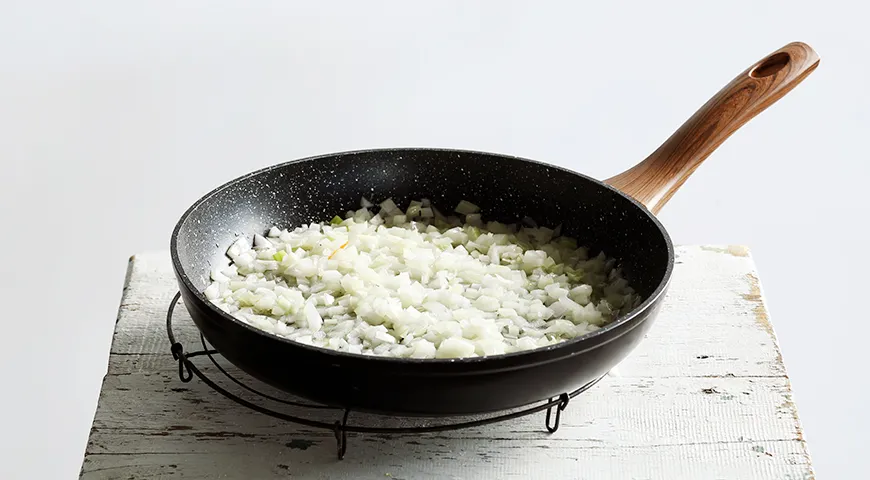
 In a large skillet, heat 50 ml of vegetable oil over medium‑low heat. Sauté the onions until translucent, about 5 minutes.
 -
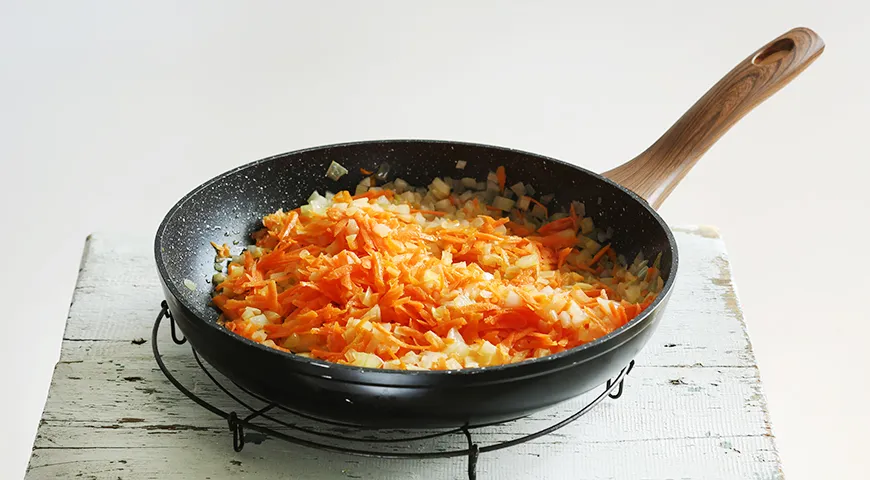
 Add the grated carrots to the onions, stir, and cook together for 5‑7 minutes until the carrots soften. Transfer this mixture to a large pot or Dutch oven.
 -
 Rinse the salted eggplants under cold water, squeeze out excess moisture by handfuls, and pat dry with a clean towel.
 -
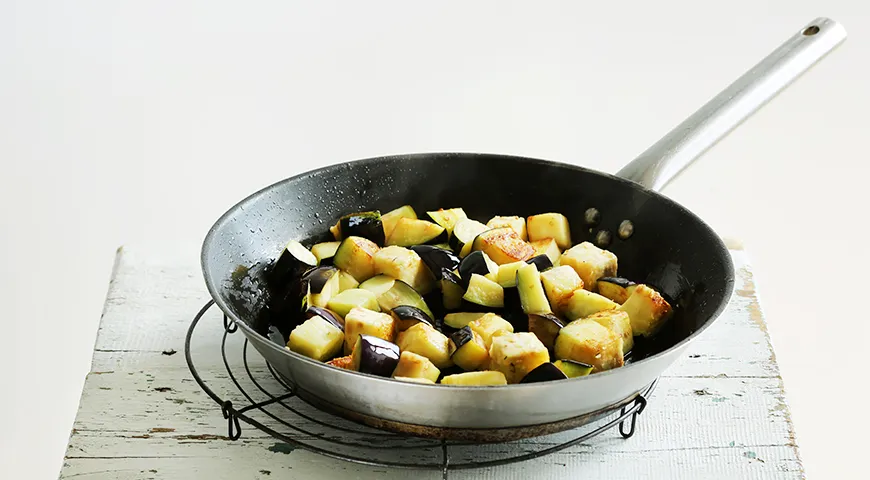
 Heat the remaining 100 ml of oil in the same skillet over medium‑high heat. Fry the eggplant cubes in batches until golden brown on all sides. Avoid overcrowding; each batch should take 4‑5 minutes. Drain on paper towels if desired.
 -
 Pour the tomato purée into the large pot with the sautéed onions and carrots. Add salt, sugar, chopped herbs, allspice, bay leaves, and minced garlic (if using). Bring to a boil, then reduce heat and simmer for 10 minutes.
 -
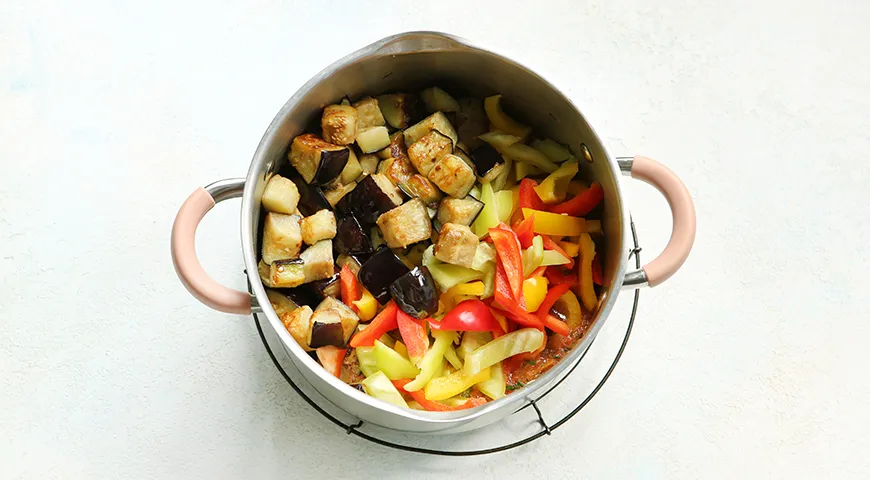
 Add the fried eggplant cubes and bell pepper strips to the bubbling tomato base. Stir gently, reduce heat to low, and cook for another 10 minutes. During the last 3 minutes, pour in the vinegar and mix well.
 -
 Ladle the hot salad into sterilized jars, leaving 1‑cm headspace. Wipe rims, seal with lids, and process in a water‑bath canner: 40 minutes for 500‑ml jars, 60 minutes for 1‑litre jars. Remove, cool completely, and store in a cool, dark place. The salad is ready to eat after one week, but flavour improves over time.
Tips for Success
- Salting is non‑negotiable. It not only reduces oil absorption but also improves the eggplant’s texture—no spongy mush.
- Use a neutral oil with a high smoke point, such as sunflower or grapeseed. Avoid olive oil, which can turn bitter.
- Keep the tomato purée slightly chunky for more rustic texture, or smooth if you prefer a pâté‑like spread.
- For even cooking, use a wide wall oven microwave combo with air fryer to roast the peppers instead of frying them—this adds a smoky note.
- Test the seasoning before adding vinegar: the dish should be savory with a hint of sweetness.
Variations
Try swapping half the tomatoes with roasted red peppers for a deeper colour. Add a teaspoon of smoked paprika for a barbecue‑style twist. For a spicy version, include a chopped fresh chili with the garlic. If you prefer an oil‑free version, steam the eggplants instead of frying; the texture will be softer but still delicious. You can also incorporate wheatgrass juicer pulp (carrot, celery, etc.) to boost nutrition—just reduce the quantity of other vegetables accordingly.
Frequently Asked Questions
Can I use frozen eggplants?
Yes, but thaw and press them dry before salting to remove excess water. The texture will be slightly softer, so reduce cooking time in step 11 to 7 minutes.
What if I don’t have a water‑bath canner?
You can store this salad in the refrigerator for up to 3 weeks if you skip pasteurization. Alternatively, use a steam canner for faster processing.
Why did my salad turn bitter?
Bitterness usually comes from under‑salted eggplants or burned garlic. Ensure you salt the eggplants adequately and add garlic only to the tomato base, not during frying.
Can I reduce the oil?
Yes. After frying, blot the eggplants on paper towels. You can also use an oil sprayer to lightly mist the pan instead of pouring oil.
How long does the salad last?
Processed jars keep for up to one year in a cool, dark pantry. Once opened, refrigerate and consume within 10 days.
Can I omit the vinegar?
Vinegar is essential for safe canning and also provides acidity that balances the sweetness. If you must, substitute with lemon juice (use twice the volume, as it’s less acidic). For other preserving advice, read about best chocolate‑covered raisins (yes, preserving sweet treats follows similar principles).
Storing and Serving
Once sealed, let the jars rest for at least a week to allow flavours to meld. Serve chilled or at room temperature as an hors d’oeuvre with crusty bread, or warm it as a side for grilled sausages. The salad can also be blitzed into a dip using a food processor for nut butter—just pulse until smooth. For a complete winter pantry, consider making Catalan sponge cake for dessert, or pair with a glass of sweet high‑alcohol wine. This eggplant salad embodies the cozy thrift of homesteading—a gift from summer that keeps giving through the darkest months.
For more kitchen tools that elevate preserving, browse our reviews of espresso machines under $2,000, coffee makers for Airbnb, and under‑counter ice makers—because a well‑stocked kitchen is the foundation of successful preserving.







