


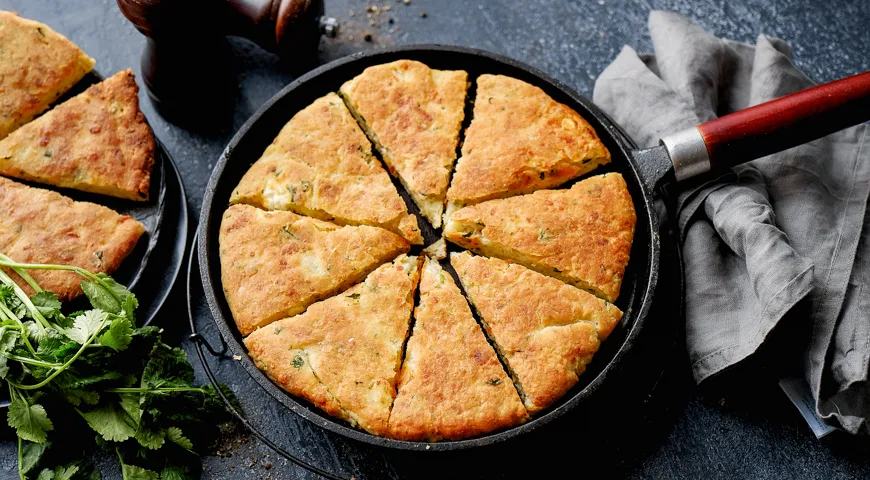
Turkish flatbreads, known as gözleme in their homeland, are delicate, savory parcels that have been a cornerstone of Turkish breakfast tables for centuries. These thin, golden discs are filled with a luscious blend of cheeses and fresh herbs, then cooked on a dry griddle until perfectly crisp on the outside and irresistibly molten within. Unlike many breads that rely on yeast, this dough is unleavened and comes together in minutes, making it an ideal weekday indulgence or a showstopper for weekend brunch. The key to their magic lies in the generous brushing of butter after cooking—a final touch that elevates them from everyday flatbread to a truly luxurious experience. Whether you serve them with a dollop of yogurt, a drizzle of honey, or simply on their own, these gözleme are a celebration of simplicity and flavor.
About Turkish Gözleme
Gözleme is a traditional Turkish flatbread with a rich history dating back to the nomadic tribes of Central Asia. The name derives from the Turkish word göz, meaning ''compartment'' or ''eye,'' referring to the small pockets of filling that are sealed inside the dough. Traditionally cooked on a convex metal griddle called a sac (or saj), these flatbreads can be filled with anything from minced lamb and spinach to potatoes and cheese. Our version focuses on a simple yet sublime cheese filling, combining brined feta (brynza) with semi-hard cheese and fresh parsley. The dough is made with milk, egg, and a pinch of sugar for a subtle tenderness, while baking powder ensures a light, soft crumb without the need for lengthy rising times. This recipe closely follows the method used by home cooks across Turkey, and with the right non-toxic air fryer or a quality cast-iron skillet, you can achieve that same authentic char and steam-cooked interior.

Ingredients
- All-purpose flour: 300 g
- Whole milk (3.2% fat): 150 ml
- Large egg: 1
- Brynza (brined feta): 70 g
- Semi-hard cheese (such as Gouda or Edam): 70 g
- Fresh parsley: 3-4 sprigs
- Baking powder: 3 g
- Sugar: 5 g
- Salt: 3 g
- Butter, for brushing (about 30 g)
For the best results, use high-quality cheese and fresh herbs. A food processor for nut butter can help you grate the cheese quickly, but a box grater works perfectly too.
Step-by-Step Instructions
Step 1: Prepare the filling. Wash the parsley thoroughly under running water, then pat it dry with a paper towel. Pluck the leaves from the stems (discard the stems) and chop them very finely. Grate both the brynza and semi-hard cheese on a box grater. In a bowl, combine the grated cheeses and chopped parsley, mixing until evenly distributed.
Step 2: Make the dough. Sift the flour into a deep mixing bowl. Add the egg and milk. Sprinkle in the salt, sugar, and baking powder. Add the cheese-parsley filling directly into the dough mixture. Using a wooden spoon or your hands, combine everything into a cohesive dough. Knead gently for 2-3 minutes until smooth. The dough will be slightly sticky but manageable. Cover the bowl with a clean kitchen towel and let it rest at room temperature for 30-40 minutes (or slightly longer if your kitchen is cool). This resting period allows the gluten to relax, making the dough easier to roll out. While the dough rests, you can prepare your espresso machine under 2000 for a post-cooking coffee pairing.
Step 3: Divide and roll. Lightly dust your work surface with flour. Turn the rested dough out and divide it into 3 or 4 equal portions (each about 150-160 g). Roll each portion into a ball, then flatten it slightly. Using a rolling pin, roll each piece into a round or oval disc about 1 cm thick. Keep the remaining portions covered under the towel to prevent drying.
Step 4: Cook the flatbreads. Heat a large non-stick skillet or cast-iron pan over medium heat. Place one rolled disc into the dry, hot pan. Cover with a lid and cook for 3-4 minutes, until the bottom is golden brown and the top begins to puff. Flip carefully using a spatula, then cook the other side for another 3-4 minutes with the lid on. The cheese inside should be fully melted. Transfer the cooked flatbread to a plate and immediately brush generously with butter. Repeat with the remaining dough portions, stacking the finished flatbreads and buttering each one as it comes out. If you prefer a hands-free approach, a commercial countertop convection oven can also be used to reheat leftovers perfectly.
Tips for Perfect Turkish Flatbreads
- The right pan is key: Traditional gözleme are cooked on a dry sac or saj — a slightly convex metal griddle. Cast iron or heavy-bottomed non-stick pans replicate the even heat distribution. Avoid using a non-stick spray; the pan must be completely dry. A best oil sprayer is not needed here, but it can be useful for other recipes.
- Rest the dough: Don’t skip the resting time. It makes the dough pliable and prevents shrinking during rolling.
- Grate your own cheese: Pre-shredded cheese contains anti-caking agents that hinder melting. For an ultra-creamy filling, use a planetary mixer with a grating attachment if you have one.
- Butter generously: The butter finish is non-negotiable. Use softened unsalted butter and brush while the flatbread is still hot — it creates a silky, rich sheen. If you're calorie-conscious, a light spray of non-toxic immersion blender infused oil can work, but butter is authentic.
- Keep them warm: Stack the cooked flatbreads and cover them loosely with a clean towel to retain heat and moisture until serving.
Variations to Explore
Gözleme is endlessly versatile. Swap the cheese filling for cooked, seasoned minced lamb or beef. Add chopped spinach, feta, and dill for a green version, or mashed potato with scallions for a hearty vegetarian option. For a sweet twist, fill with a mixture of cinnamon sugar and grated apple. If you have leftover dough, you can also make small bite-sized flatbreads perfect for appetizers. To keep your kitchen clean while experimenting, a undercounter ice maker machine ensures you always have ice for a cold Ayran (Turkish yogurt drink) alongside your meal.
FAQ
1. Can I make the dough ahead of time?
Yes, you can refrigerate the dough for up to 24 hours. Let it rest at room temperature for 20 minutes before rolling. Covering with a damp towel prevents it from drying out. Use a 48-inch built-in refrigerator to store it properly.
2. Can I use whole wheat flour?
Absolutely. Substitute up to 50% of the all-purpose flour with whole wheat flour. The dough will be slightly denser, so add an extra tablespoon of milk if needed. A best chocolate covered raisins treat is a nice contrast to the savory flatbreads.
3. Why are my flatbreads not puffing up?
Ensure your baking powder is fresh. Also, make sure the pan is hot before adding the dough. Cooking with the lid on traps steam, which helps the bread puff. If using an electric stove, a coffee maker for Airbnb might be your next kitchen investment, but for now, check your heat source.
4. Can I freeze leftover gözleme?
Yes! Cool them completely, then stack with parchment paper in between and freeze in an airtight bag. Reheat directly from frozen in a dry pan or toaster oven. A wall oven microwave combo with air fryer can reheat them in minutes with a crispy texture.
5. How do I prevent the filling from leaking out?
Avoid overfilling — use about 2 tablespoons of filling per flatbread. Seal the edges very well by pressing firmly. Rolling the dough slightly thinner at the edges also helps. If you’re making a large batch, a wheatgrass juicer might not be related, but investing in a good non-stick pan is essential.
6. What can I serve with these flatbreads?
Enjoy them with a dollop of Greek yogurt, a drizzle of pomegranate molasses, or a simple tomato-cucumber salad. For a complete Turkish breakfast, pair with olives, honey, and a glass of strong tea. For an extra indulgence, a steam canner can help you preserve homemade jams for spreading.







