


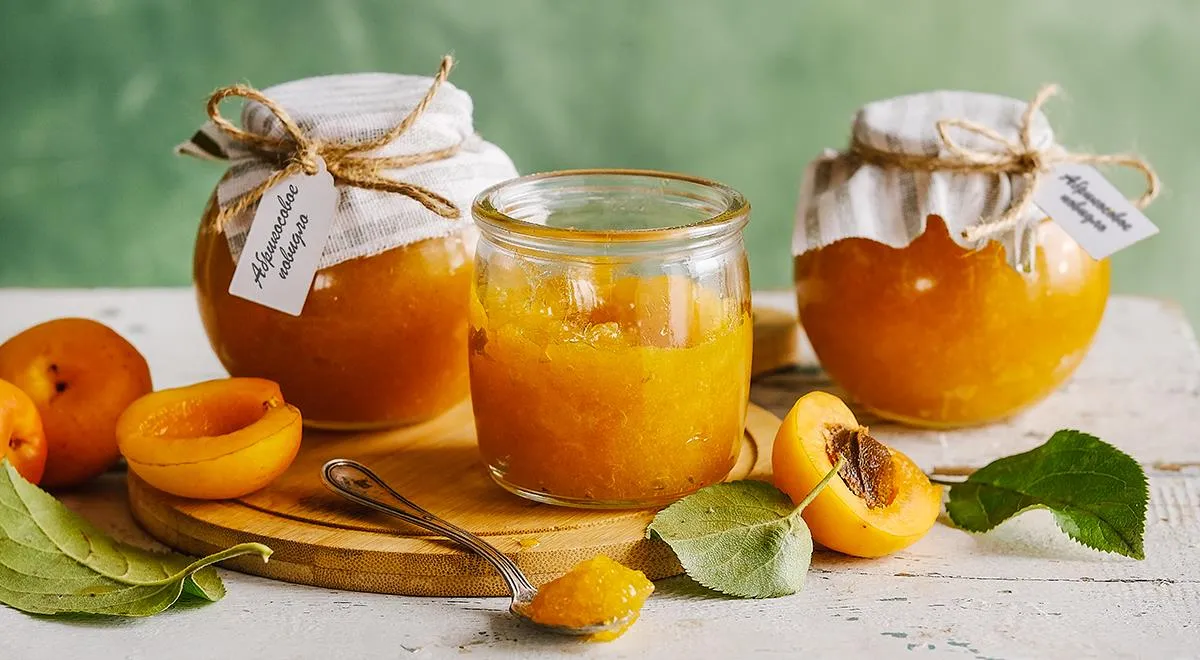
There is something deeply satisfying about capturing the last rays of summer sun in a jar. This thick apricot preserve, or gustoe povidlo, is a cornerstone of Russian home canning—a luscious, dense spread that turns ripe apricots into a jewel-toned treasure. Made with just three ingredients and a touch of lemon, it embodies the art of preserving at its finest. Unlike runny jams, this preserve is cooked down to a rich, spoonable consistency that clings to bread, fills pastries, or glazes meats. Whether you are a seasoned canner or a curious novice, this recipe will guide you through every step to create a batch that lasts all winter.
About Russian Apricot Preserve
In Russian culinary tradition, povidlo refers to a thick fruit preserve cooked until it holds its shape—no pectin needed, just patience. Apricots are a favorite for their natural sweetness and velvety texture. The addition of lemon cuts through the sugar and brightens the flavor, while a simple syrup base ensures a smooth, even cook. This preserve is a staple for winter tea-time treats and pairs wonderfully with crepes, yogurt, or cheese boards.

Ingredients
- 2 kg very ripe apricots
- 2 kg sugar
- 1 lemon
- 1 cup water (250 ml)
Step-by-Step Instructions
Step 1: Prepare the Fruit
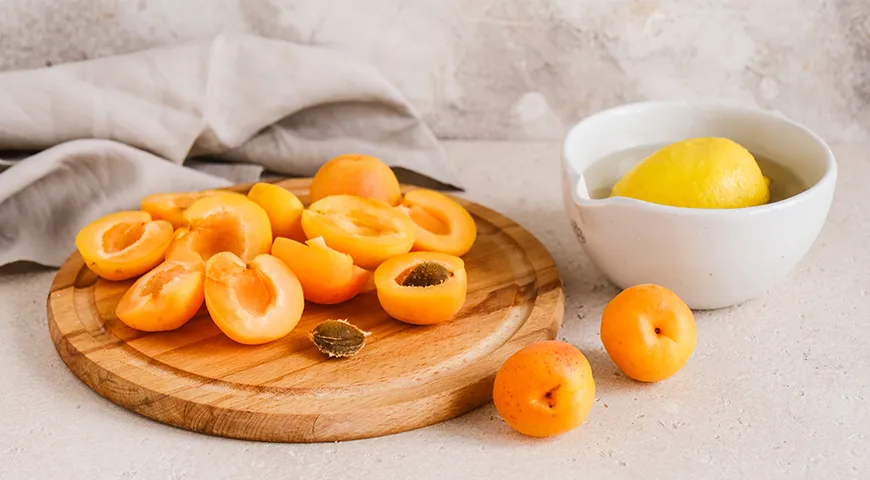
Sort through the apricots, discarding any bruised or imperfect ones. Wash them thoroughly under cold running water, then halve and remove the pits. Scald the lemon with boiling water, dry it with a paper towel, and set aside. At this stage, you can use a high-quality food processor to chop the fruit if you prefer a chunkier texture, but a traditional hand chop works beautifully.
Step 2: Make the Simple Syrup
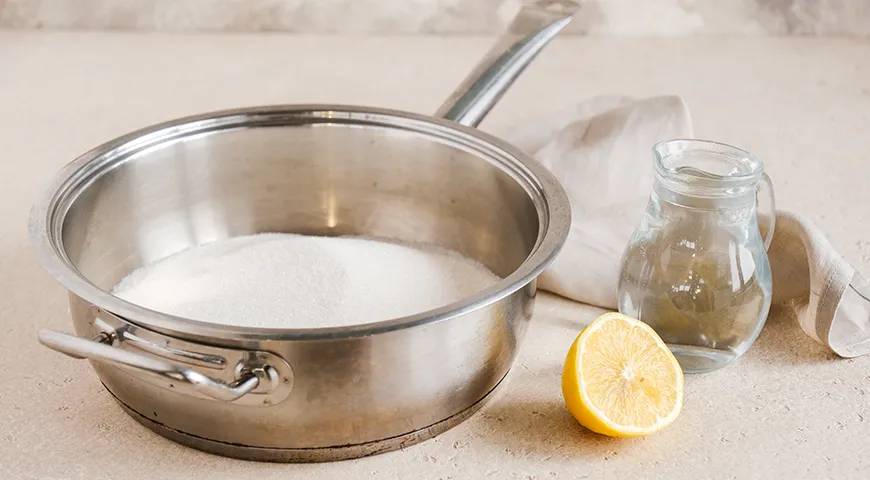
In a large, heavy-bottomed saucepan (preferably stainless steel or enamel), combine sugar and water. Heat over medium flame, stirring constantly with a wooden spoon until the sugar dissolves completely. Once the syrup comes to a gentle boil, squeeze in the fresh lemon juice. This acid helps balance sweetness and encourages a natural gel. If you own a microwave pressure cooker, you can speed up the syrup, but stovetop remains classic.
Step 3: Puree the Apricots
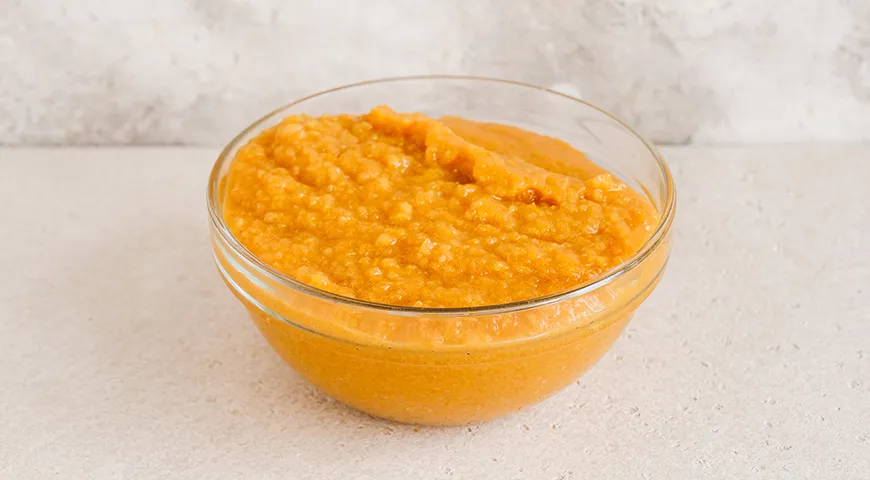
While the syrup heats, process the apricots. You have several options: pass them through a meat grinder (the traditional method), use a non-toxic immersion blender directly in the pot, or puree in a blender for a velvety finish. For a rustic preserve, chop them finely with a knife. Whichever method you choose, ensure no large chunks remain—this guarantees a uniform cook. Add the apricot puree to the syrup and stir well.
Step 4: Cook to Thickness
Bring the mixture to a gentle boil over medium heat, then reduce to a steady simmer. Cook for 1 to 1.5 hours, stirring occasionally to prevent sticking. Skim off any foam that rises to the surface—this removes impurities. The preserve is ready when it has reduced by about half and a spoon dragged across the bottom leaves a clear trail. Remember: it will thicken further as it cools. A planetary mixer isn’t needed here, but a long-handled spoon is essential.
Step 5: Fill and Seal the Jars
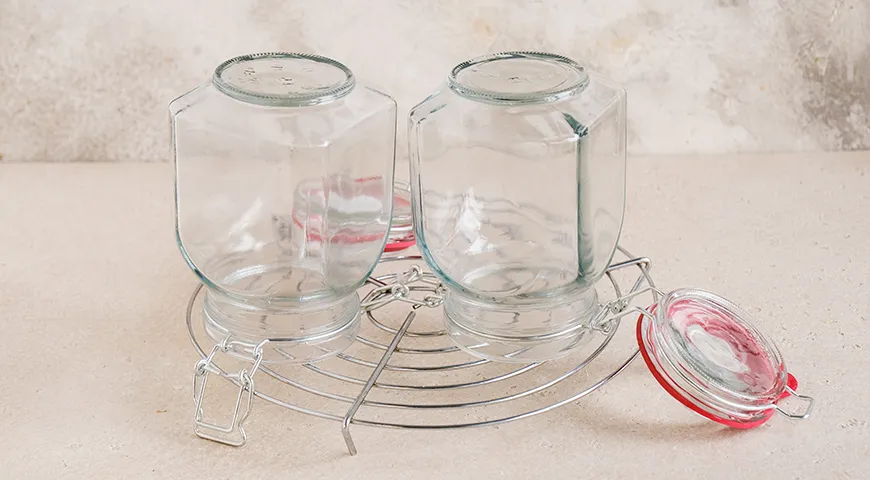
Meanwhile, prepare your jars: wash them thoroughly in hot water with baking soda, then dry at room temperature or sterilize in a wall oven microwave combo at 100°C for 10–15 minutes. Ladle the hot preserve into hot jars, leaving 1 cm headspace. Wipe rims, seal with sterilized lids, and invert jars for 10–15 minutes to create a vacuum. This step is critical for long-term storage without refrigeration. A steam canner can also be used for added safety.
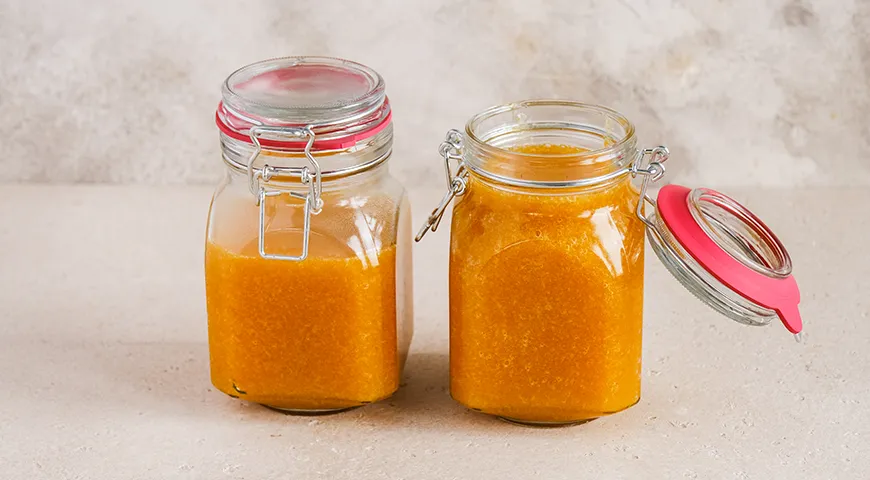
Turn jars right-side up and let them cool completely. Store in a cool, dry, dark place for up to 12 months. Once opened, keep refrigerated and use within 3 weeks.
Tips for Perfect Preserve
- Choose very ripe apricots – they provide natural pectin and sweetness, reducing the need for extra sugar.
- Use a heavy pot to distribute heat evenly and prevent scorching. A convection oven can be used for slow dehydration if you prefer oven-cooked preserve.
- Don’t skip the lemon – it not only adds brightness but also helps preserve the color and extends shelf life.
- Test thickness by placing a small spoonful on a cold plate; if it holds its shape and doesn’t run, it’s done.
- Sterilize everything – jars, lids, and even the spoon to avoid mold.
Variations to Explore
Feel free to adapt this base recipe. Add a vanilla bean for a floral note, a pinch of cinnamon for warmth, or a splash of almond extract to complement the apricot. For a lower-sugar version, reduce sugar to 1.5 kg and add apple juice as a natural sweetener. If you enjoy a spicy kick, infuse the syrup with a star anise pod. For a no-cook alternative, use a food processor to make a chunky fridge jam, though it won’t have the same shelf stability.
Frequently Asked Questions
Can I use dried apricots for this preserve?
No, dried apricots lack the moisture needed for this method. Rehydrated dried fruit can work in a pinch, but the texture will be denser. For best results, stick with fresh, ripe apricots. If you have a refrigerant leak detector, check your fridge—though that’s unrelated to jam!
How do I know when the preserve is thick enough?
Besides the spoon trail test, you can use a candy thermometer: the preserve should reach 104–105°C (220°F) at sea level. Keep in mind that it will thicken as it cools. A oil sprayer isn’t needed here, but a thermometer is handy.
Can I halve the recipe?
Absolutely. Halve all ingredients proportionally. Cooking time will reduce slightly. Use smaller jars for gift-giving. A chocolate-covered raisins treat alongside this jam makes a lovely present.
Why did my preserve crystallize?
Undissolved sugar crystals can form if you stir too vigorously after boiling or if the syrup wasn’t fully clear. Always dissolve sugar completely before bringing to a boil. A ice maker won’t fix it, but careful technique will.
What’s the best way to store opened jars?
Refrigerate after opening and use within three weeks. The high sugar content acts as a preservative, but preventing mold is key. If you notice any fermentation, discard. For long-term storage, unopened jars in a cool pantry are ideal. Pair with a organic vodka for an elegant winter gift basket.
Serving Suggestions
This thick apricot preserve is incredibly versatile. Spread it over fresh Catalan sponge cake, swirl into yogurt, or use as a filling for thumbprint cookies. It also glazes roasted pork or duck beautifully. For a quick dessert, layer with mascarpone and crushed amaretti—effortless yet sophisticated.
Whether you are preserving summer’s bounty or simply craving a taste of sunshine on a gray winter day, this thick apricot preserve delivers. With proper technique and a bit of love, you’ll have a pantry stocked with golden jars that bring joy all year round.







