


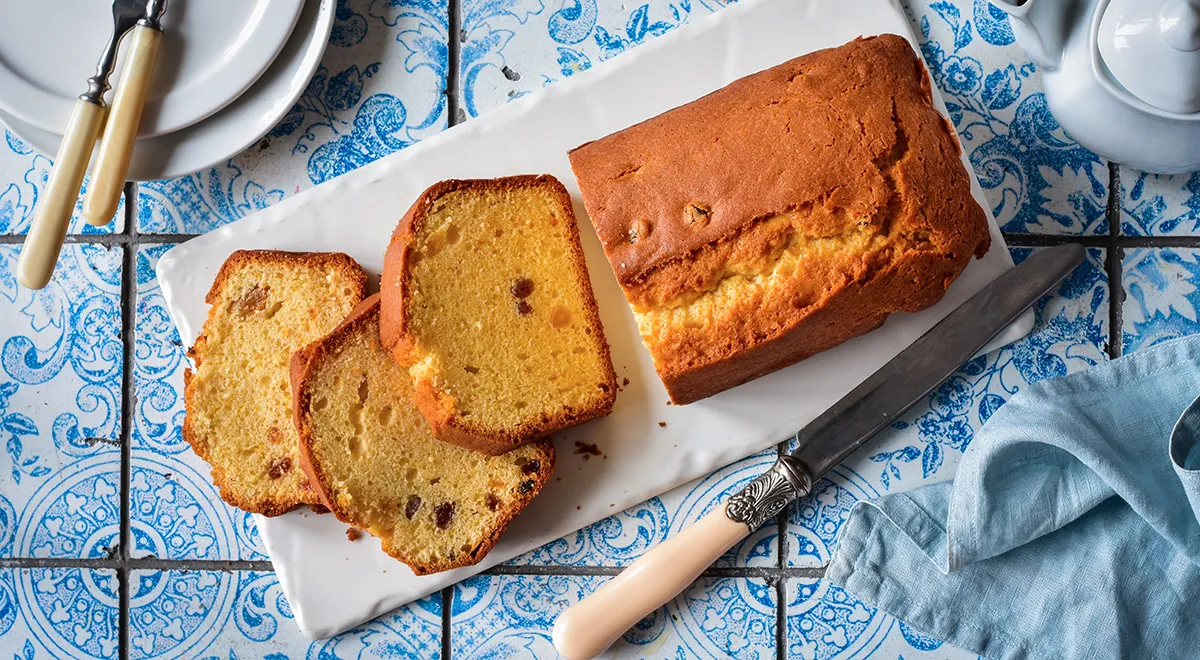
In the pantheon of Soviet-era baked goods, the Sverdlovsk Cake (Кекс Свердловский) occupies a revered place: a dense, buttery loaf punctuated with cognac-soaked raisins, its crumb both tender and sturdy. Named after the city now known as Yekaterinburg, this recipe emerged from the Ural region's culinary traditions and became a beloved tea-time staple across the USSR. Today, we revive this classic with a clear, modern approach while honouring its heritage.
About Sverdlovsk Cake
The Sverdlovsk Cake is distinguished by its generous use of butter, sweetened condensed milk, and a precise ratio of eggs to flour, which gives it a signature fine-crumbed, moist structure. Unlike lighter sponge cakes, this is a kex—a pound-cake-style loaf that improves with age. The raisins, macerated in cognac, provide bursts of fruit and warmth. This recipe yields a cake that is wonderfully rich without being cloying, making it perfect for pairing with black tea or coffee. For those who love exploring heritage desserts, you may also enjoy our Catalan Sponge (Pa de Pessic) for a lighter alternative.

Ingredients
- Raisins – 150 g
- Cognac – 2 tbsp
- Butter – 180 g (plus 5 g for greasing the pan)
- Sugar – 150 g
- Eggs (C1 size) – 3
- Sweetened condensed milk – 120 g
- All-purpose flour – 280 g
- Baking powder – 4 g
- Salt – a pinch
- Vanillin – ⅓ tsp
For the best results, use high-quality butter and fresh eggs. The cognac can be substituted with dark rum or even a splash of vanilla extract if you avoid alcohol. For more ideas on aromatic additions, read why chocolate-covered raisins also complement spice cakes.
Step-by-Step Instructions
Step 1: Prepare the butter and raisins
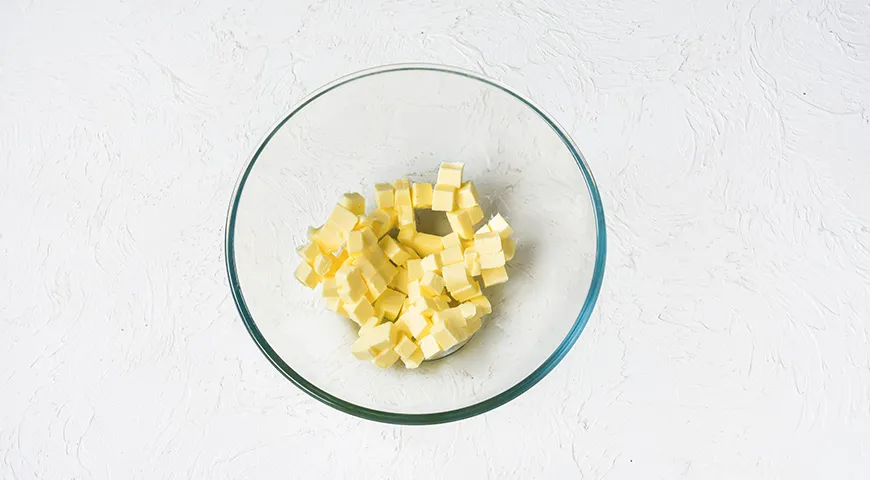
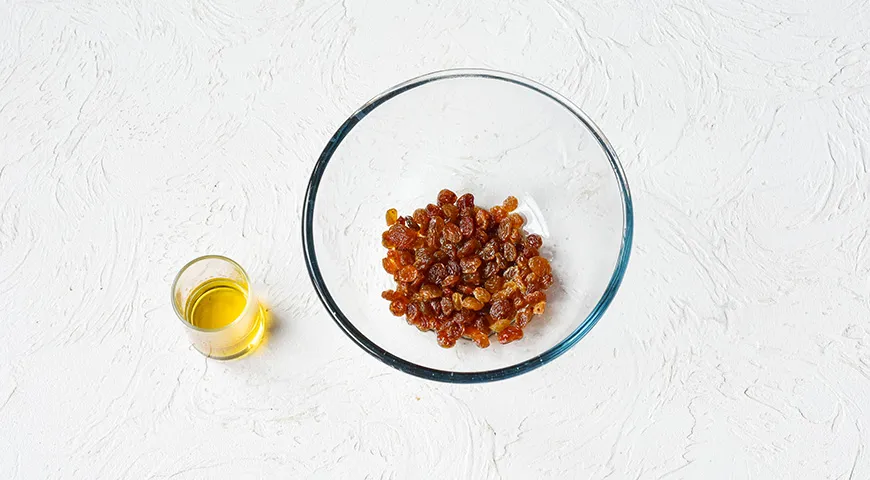
Cut the butter into small cubes, place in a mixing bowl, and let it sit at room temperature for 30 minutes to soften. Meanwhile, thoroughly rinse the raisins under running water and pat dry with a paper towel. Pour the cognac over the raisins, stir to coat evenly, and let them soak for 20–30 minutes.
Step 2: Cream butter and sugar
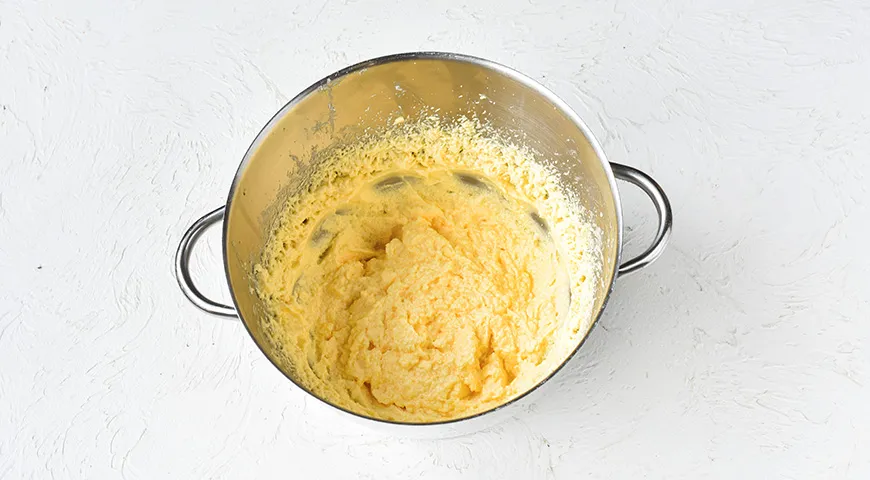
Using a mixer, beat the softened butter until creamy. Gradually add the sugar in portions and continue beating until the mixture is light, fluffy, and uniform in consistency. For best results, use a quality planetary mixer that handles even stiff batters with ease.
Step 3: Add eggs and condensed milk
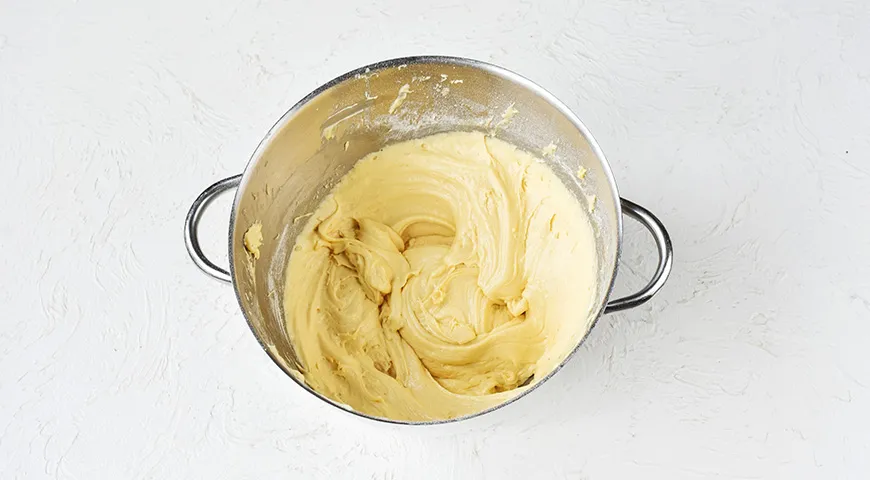
Add the eggs one at a time, beating well after each addition until fully incorporated. Then pour in the sweetened condensed milk and beat again until smooth. The batter will look glossy and thick.
Step 4: Incorporate dry ingredients
Sift the flour, baking powder, salt, and vanillin together through a fine sieve directly over the wet mixture. Fold gently with a spatula until just combined—no flour streaks remain. Do not overmix, or the cake may become tough.
Step 5: Add raisins and bake
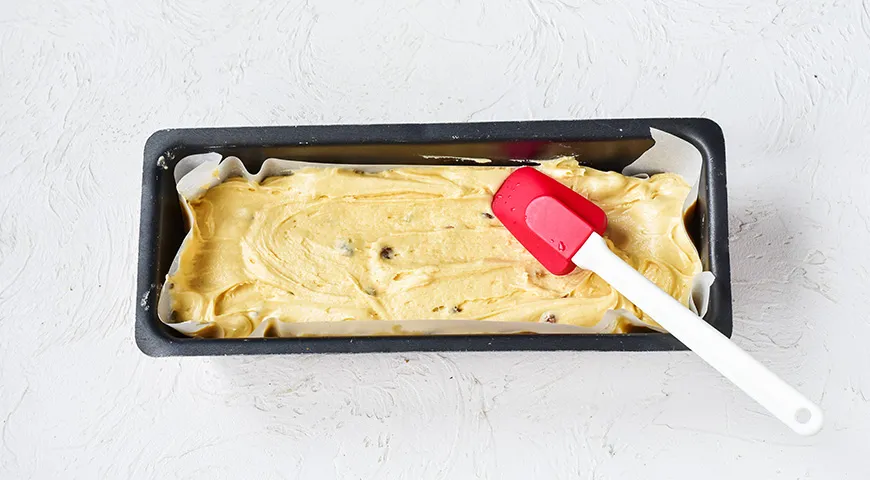
Fold in the prepared raisins (including any remaining cognac) until evenly distributed. Preheat the oven to 170°C (340°F). Line a loaf pan (approx. 25x11cm) with baking parchment and grease with the extra butter. Pour the batter into the pan, smooth the top, and bake for about 1.5 hours. The cake is done when a skewer inserted in the centre comes out clean. Let it cool in the pan for 10 minutes, then transfer to a wire rack.
Tips for Perfect Sverdlovsk Cake
- Butter temperature: Don't melt the butter; it must be softened but still cool. Use a reliable kitchen thermometer if needed—but here it's about touch.
- Raisin soak: Ensure raisins are dry before soaking to fully absorb the cognac. For alcohol-free version, use orange juice.
- Baking time: Ovens vary. Check at 1 hour 15 minutes. If the top browns too quickly, tent with foil.
- Equipment: An immersion blender won't help here, but a good hand mixer does. Or consider a food processor for quick creaming.
- Storage: Wrap tightly in plastic wrap; the cake improves after a day.
Variations
Substitute half the raisins with dried cherries for a tart twist. Add a teaspoon of orange zest for brightness. For a richer glaze, brush the hot cake with a simple syrup made from equal parts sugar and water boiled with a teaspoon of cognac. The condensed milk can be replaced with home-canned sweetened cream for a more artisanal feel. If you enjoy pairing cakes with beverages, check out best coffee brands for the perfect morning slice.
FAQ
Can I make this cake without alcohol?
Yes—replace cognac with an equal amount of orange juice, apple juice, or even strong black tea. The raisins will still plump and add moisture. The cake will lack the subtle spirit note but remain delicious.
What size pan is best?
A standard 25x11 cm (10x4.5 inch) loaf pan works perfectly. You can also use a round 20 cm (8 inch) springform, adjusting baking time slightly. Ensure the pan is well-greased and lined for easy release.
Why did my cake sink in the middle?
Possible causes: overmixing the batter (develops too much gluten), underbaking, or oven temperature too low. Make sure your baking powder is fresh. Use an air fryer with accurate temperature if you have doubts about your oven's calibration.
How long does Sverdlovsk Cake keep?
Stored in an airtight container at room temperature, it stays fresh for up to 5 days. It also freezes well for up to 2 months—wrap tightly in plastic and foil before freezing.
Can I double the recipe?
Yes, but use a larger pan (e.g., 30 cm bundt pan) and increase baking time by 10–15 minutes. Check with a skewer. If making for a crowd, consider using a commercial convection oven for even baking.
What can I substitute for condensed milk?
Homemade condensed milk: simmer 400 ml whole milk with 120 g sugar until reduced by half. Otherwise, use heavy cream plus additional sugar (reduce sugar in recipe accordingly).
Is this cake suitable for special diets?
It contains gluten, dairy, and eggs. For gluten-free, substitute a 1:1 gluten-free flour blend with xanthan gum. For dairy-free, use plant-based butter and coconut condensed milk—though the texture will differ.
Final Thoughts
The Sverdlovsk Cake is more than a recipe; it's a time capsule of Soviet baking ingenuity—using simple ingredients to create extraordinary comfort. Serve it with a dollop of clotted cream or a dusting of powdered sugar. Whether you're recreating memories or discovering an Eastern European classic, this cake delivers every time. For more timeless desserts and kitchen advice, explore our pairing wines guide or ice maker reviews to elevate your hosting.
Happy baking, and may your kitchen smell of butter, vanilla, and a hint of Urals nostalgia.







