


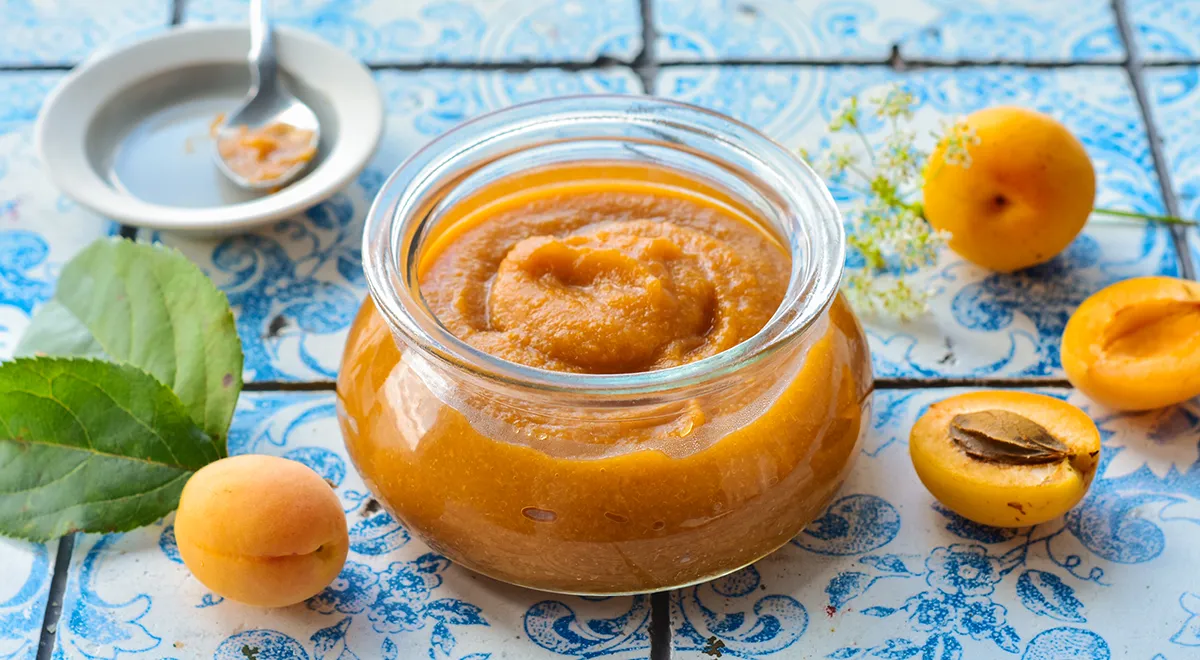
Imagine a jar of apricot jam so pure it captures the essence of sun-ripened fruit without a single grain of refined sugar. This isn't a fantasy—it's a reality. Sugar-free apricot jam, or varenye iz abrikosov bez sakhara, is a revelation for anyone seeking to preserve summer's sweetness in its most natural form. With just ripe apricots, a splash of lemon juice, and a little water, you can create a spread that's both wholesome and intensely flavorful. The secret lies in the fruit itself: when apricots are at their peak, their natural sugars concentrate into a luscious, jammy consistency. A touch of allspice adds an unexpected aromatic depth, though you can omit it for a purist version ideal for children. This recipe is not only a testament to clean eating but also a practical guide to reducing kitchen waste and embracing seasonal bounty. Whether you spread it on morning toast, swirl it into yogurt, or spoon it over pancakes, this sugar-free jam is a celebration of apricots at their finest. Let's dive into the art of making a preserve that respects the fruit's integrity while delivering a taste that rivals any sugary version.
About Sugar-Free Apricot Jam
This traditional Russian-style preserve, known as varenye, is typically loaded with sugar to ensure preservation and thick texture. But here, we rely solely on the natural pectin and sweetness of perfectly ripe apricots. The lemon juice serves a dual purpose: it enhances flavor and helps maintain the jam's bright color while also acting as a mild preservative. Water is added to prevent scorching during the long, slow cooking process. The result? A jam that's surprisingly sweet, deeply fruity, and completely guilt-free. It's a perfect example of how minimalism in the kitchen can yield maximum satisfaction. For those exploring non-toxic blending tools or high-performance food processors, this recipe also serves as a test of your equipment's ability to create a silky-smooth purée.

Ingredients
- Apricots – 1.5 kg (ripe, fragrant, preferably organic)
- Lemon juice – 40 ml (freshly squeezed)
- Water – 150 ml (filtered)
- Allspice – 5 whole peppercorns (optional)
That's it. No pectin, no preservatives, no hidden sugars. The quality of your apricots is paramount. Choose fruit that yields slightly to pressure and fills the room with its perfume. If you're sourcing from a farmers' market, you're already ahead. For the best results, consider using a glass food processor or a powerful juicer to extract the most flavor.
Step-by-Step Instructions
Step 1: Prepare the Apricots
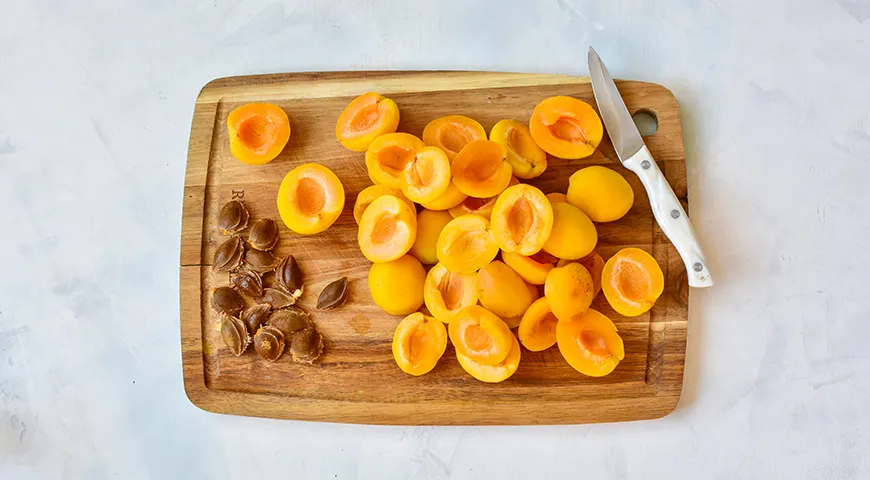
Wash the apricots thoroughly under cold running water. Discard any bruised or overripe fruit. Cut each apricot in half and remove the pits. For this recipe, you don't need to peel them—the skin adds natural pectin and fiber. If you're particular about texture, you can blanch and peel, but it's unnecessary. Using a planetary mixer with a food processor attachment can speed up the cutting, but a knife and cutting board work perfectly.
Step 2: Purée the Apricots
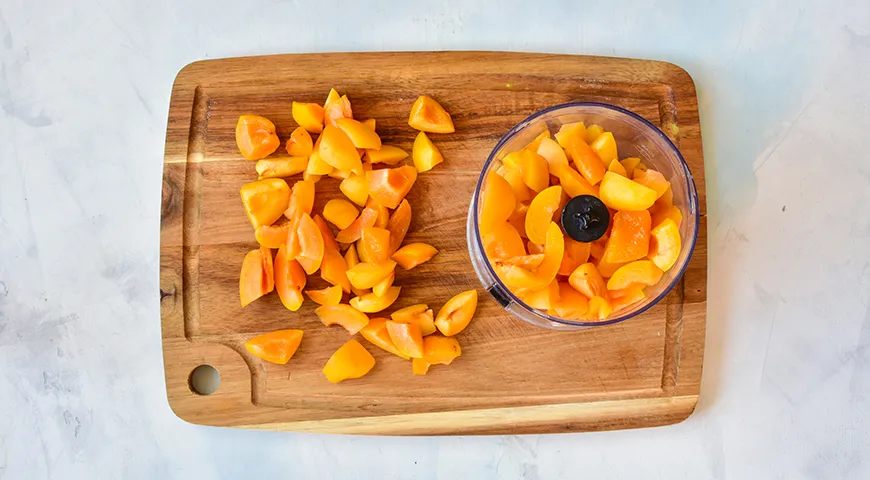
Chop the apricot halves into smaller pieces to make blending easier. Transfer them to a blender or food processor. Purée until completely smooth. If you don't have a blender, you can pass the apricots through a meat grinder (a traditional Russian method) or use a food mill. For a silky, seedless jam, strain the purée through a fine-mesh sieve, though the skins will be barely noticeable. A high-quality immersion blender works wonders directly in the cooking pot.
Step 3: Cook the Jam
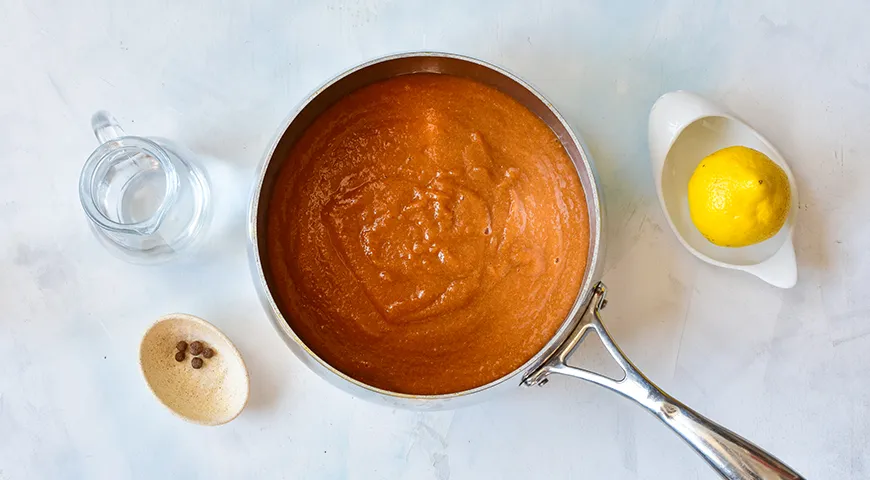
Pour the apricot purée into a heavy-bottomed pot (stainless steel or enameled cast iron). Stir in lemon juice and water. Place over medium-low heat and bring to a gentle boil, stirring frequently to prevent sticking. Add the allspice peppercorns (they'll infuse the jam with a subtle warmth). Reduce heat to low and simmer, stirring often, for about 40 minutes. The jam will darken and thicken. To test doneness, spoon a small amount onto a cold plate—it should gel slightly and not run. If using an air fryer is unconventional for this step, but for those who own one, you can try a low-temperature dehydration method to concentrate the fruit. However, stovetop is traditional and reliable.
Step 4: Jar and Seal
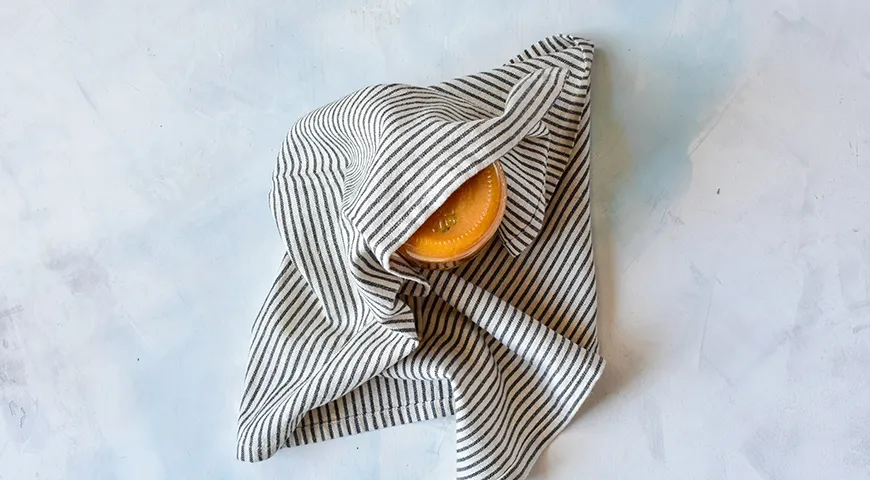
While the jam cooks, sterilize your jars and lids. Wash them in hot soapy water, then place in a 120°C (250°F) oven for at least 15 minutes. Alternatively, use a steam canner for efficient sterilization. Once the jam is ready, remove the allspice peppercorns with a slotted spoon. Ladle the hot jam into the hot jars, leaving 1 cm headspace. Wipe the rims, secure the lids, and invert the jars briefly (or process in a water bath for longer storage). Cover with a towel and let cool undisturbed overnight. The inverted position helps create a vacuum seal. Store in a cool, dark place for up to one year. For immediate use, refrigerate after opening.
Tips for Perfect Sugar-Free Apricot Jam
- Use ripe, in-season apricots: Underripe fruit will be tart and lack natural pectin. Overripe fruit may make the jam too thin.
- Don't skip the lemon juice: It balances sweetness and helps preserve color. Fresh juice is far superior to bottled.
- Stir frequently: Sugar-free jam scorches easily. A wooden spoon and your attention are essential.
- Test the set: Before turning off the heat, check consistency. If it's too runny, continue simmering, but note it will thicken slightly as it cools.
- Scale up or down: This recipe can be doubled, but increase cooking time accordingly. Use a large countertop convection oven for even heat distribution if you're doing large batches.
Variations to Explore
This basic recipe is a canvas for creativity. Try these twists:
- Spice it up: Add a cinnamon stick, star anise, or a vanilla bean during cooking (remove before jarring).
- Herbal infusion: Steep a sprig of rosemary or thyme in the jam for a savory-sweet blend.
- Mixed fruit: Replace half the apricots with peaches, nectarines, or plums for a complex flavor profile.
- Low-sugar version with a hint of honey: For a slightly sweeter jam, add 2–3 tablespoons of honey or maple syrup (not strictly sugar-free, but still natural).
- Alcohol boost: Stir in a tablespoon of organic vodka or bourbon after cooking for a grown-up kick (the alcohol will evaporate mostly).
Storage and Shelf Life
Properly sealed, this jam will keep in a cool, dark pantry for up to 12 months. Once opened, refrigerate and consume within 3–4 weeks. Because there's no added sugar, the jam has a higher water activity, so it's essential to ensure a good seal. If you notice any mold or off odors, discard immediately. For long-term storage, consider processing jars in a microwave pressure cooker or using a countertop ice maker for ice baths when testing set points (a old-school trick).
Frequently Asked Questions
Can I use frozen apricots?
Yes, but thaw them completely and drain excess liquid before puréeing. The cooking time may increase slightly. Frozen fruit works well when fresh is out of season.
Why is my jam too runny?
This usually happens if the fruit was too watery or under-ripe. Cook the jam longer to evaporate more moisture. You can also add a natural thickener like chia seeds (1 tablespoon per cup of purée) after cooking, but that changes the texture.
Is this jam safe for canning?
Because it lacks sugar (which acts as a natural preservative), it's best for refrigerator or freezer storage unless you process it in a pressure canner. For water bath canning, ensure the pH is below 4.6 by adding extra lemon juice (at least 1 tablespoon per 500 g of fruit).
Can I reduce the cooking time?
If you prefer a chunky texture, don't purée the apricots fully—just mash them with a potato masher and cook for 20–25 minutes. The jam will have more body but may separate.
What can I do with leftover lemon juice?
Freeze it in ice cube trays for future recipes, or use it in Catalan sponge cake for a citrusy tang.
How do I adjust sweetness without sugar?
If your apricots are tart, add a natural sweetener like stevia, monk fruit, or a small amount of fruit juice concentrate (e.g., apple or white grape). Avoid artificial sweeteners as they can become bitter when cooked.
Can I use a slow cooker?
Absolutely. Cook on low for 4–6 hours with the lid ajar, stirring occasionally. This method is hands-off but watch for boiling over. A high-end espresso machine won't help here, but a dedicated jam maker or slow cooker is ideal.
Final Thoughts
Making sugar-free apricot jam is a rewarding act of culinary mindfulness. It connects you to the fruit's natural rhythm and proves that less is often more. Whether you're preserving a summer harvest or simply seeking a healthier alternative, this jam delivers on flavor without compromise. Serve it alongside chocolate-covered raisins for a sweet snack, or pair it with sweet wine for an elegant cheese board. The possibilities are endless, and the result is always pure joy.







