


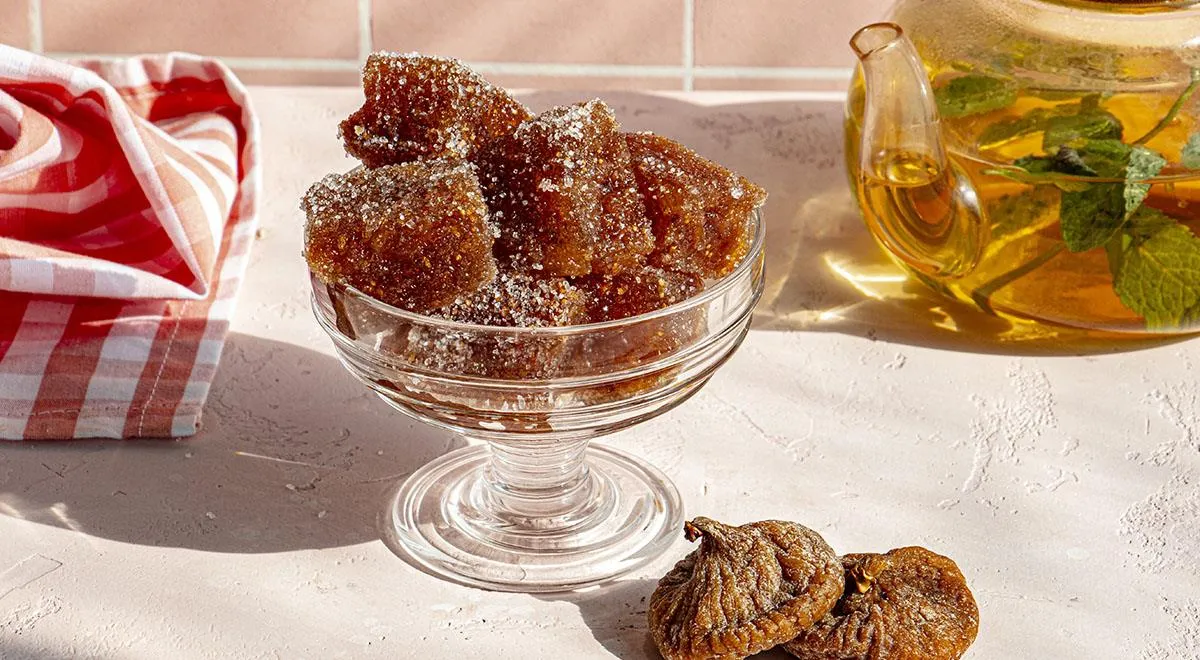
There is a quiet alchemy in transforming humble dried figs into a shimmering, jewel-like preserve that dances on the palate with equal parts sweetness, acidity, and warmth. This spiced fig marmalade, a treasured recipe from the Russian culinary tradition, is not merely a spread — it is an experience. The deep, honeyed notes of dried figs are elevated by a carefully measured hand of cardamom, black pepper, and allspice, offering a gentle heat that lingers without overwhelming. A touch of lemon acid provides the essential brightness that balances the richness, while apple pectin ensures the perfect gel set. Whether you are a seasoned confectioner or an adventurous home cook, this marmalade rewards patience with a complexity that rivals the finest artisanal preserves. As you slice the finished product and roll each piece in sugar, you will understand why this confection has earned its place in the pantheon of sophisticated homemade sweets.
About This Spiced Fig Marmalade
Fig marmalade has roots that stretch across the Mediterranean and into the Middle East, where figs have been cultivated for millennia. This particular Russian interpretation brings a distinctly Northern European sensibility to the table: the use of dried figs rather than fresh intensifies the fruit's natural caramel-like sweetness, while the triad of spices adds a festive, almost mulled-wine character. The technique of infusing the fruit with whole spices in a tea sachet over 12 to 24 hours is a hallmark of professional pastry kitchens, allowing the aromas to marry without leaving gritty remnants. The result is a translucent, amber-toned marmalade with soft, chewy fig pieces suspended in a tender gel. It pairs beautifully with aged cheeses, crusty bread, or simply spooned over yogurt. For those who appreciate the balance of sweet and savory, this marmalade is an irresistible addition to a cheese board or a glaze for roasted meats.

Ingredients
- 150 g dried figs
- 530 g granulated sugar
- 50 g liquid honey
- 7 g apple pectin
- 8 g citric acid
- 8 g water
- 5 g green cardamom pods
- 5 g whole black peppercorns
- 5 g whole allspice berries
- Sugar for coating (about 100 g)
All measurements are metric for precision. The quality of your pectin is crucial; use a high-grade apple pectin for reliable gelling. If you cannot find apple pectin, a similar citrus pectin may be substituted, but the final texture may vary slightly.
Step-by-Step Guide to Crafting the Perfect Marmalade
Step 1: Prepare the Figs and Infuse with Spices
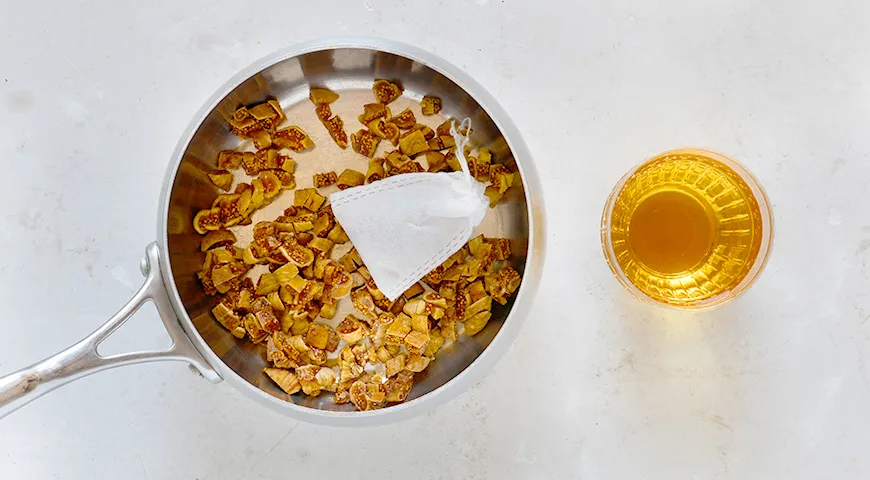
Cut the dried figs into small cubes of about 5 mm. Place them in a deep saucepan and pour over enough apple juice to just cover (the recipe calls for adjusting weight later; start with approximately 350–400 ml). Tie the cardamom pods, black peppercorns, and allspice berries in a small muslin bag or place them in a fine-mesh tea infuser. Submerge the spice bag in the pan with the figs. Bring the mixture to a boil, then immediately remove from heat. Cover the pan and allow it to steep at room temperature for 12 to 24 hours. This long infusion is the secret to the marmalade’s layered spice profile.
Step 2: Adjust the Fruit-to-Liquid Ratio
After the steeping period, remove the spice bag and discard. Weigh the fig mixture (fruit plus liquid). Add additional apple juice until the total weight reaches exactly 500 g. This step standardizes the batch for consistent gelling. Use a digital scale for accuracy.
Step 3: Prepare the Pectin and Sugar Mixtures
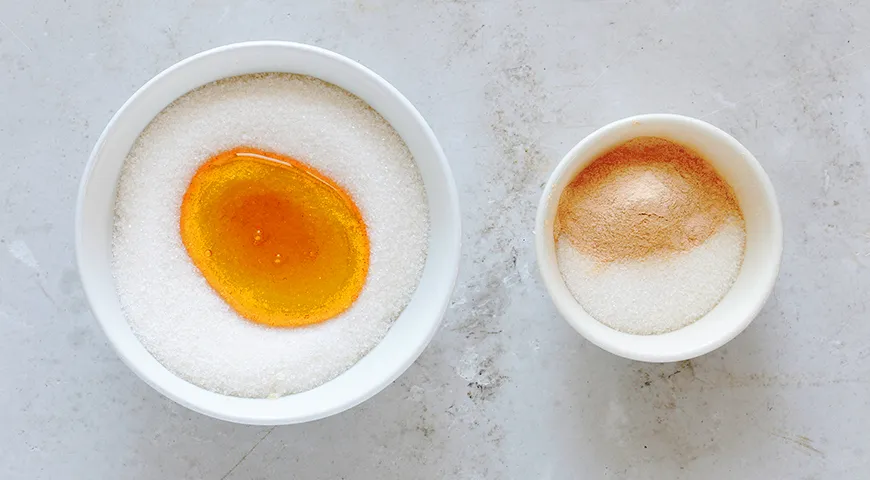
In a small bowl, whisk together the apple pectin with 50 g of the sugar. In a separate larger bowl, combine the remaining 480 g sugar with the liquid honey, making a well in the center. In a tiny dish, dissolve the citric acid in the 8 g of water; set aside.

Step 4: Cook the Marmalade to the Target Temperature
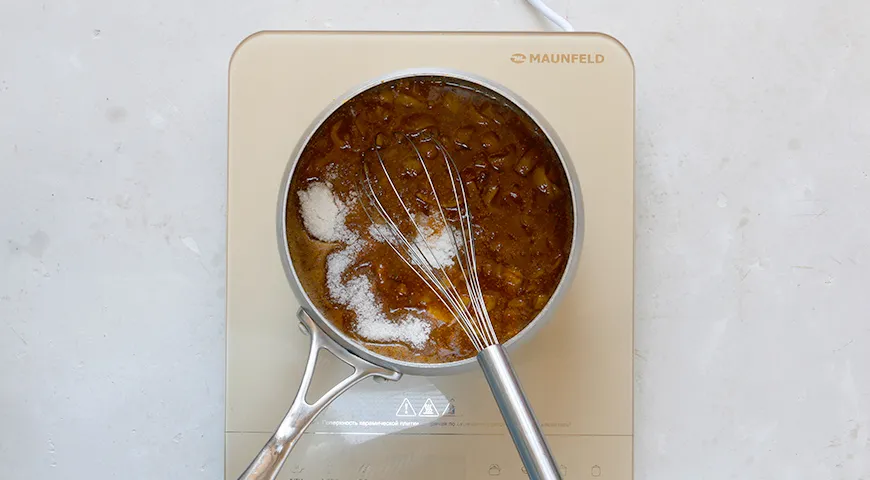
Heat the fig mixture to 40°C. Whisk in the pectin-sugar blend until fully dissolved. Bring to a rolling boil. Gradually — without stopping the boil — add the sugar-honey mixture in small increments, stirring constantly with a heatproof spatula. Continue cooking over medium heat, stirring frequently, until the temperature reaches 111°C on a candy or instant-read thermometer. This will take about 8–12 minutes. The mixture will thicken and become glossy.
Step 5: Add Citric Acid and Set in the Mold
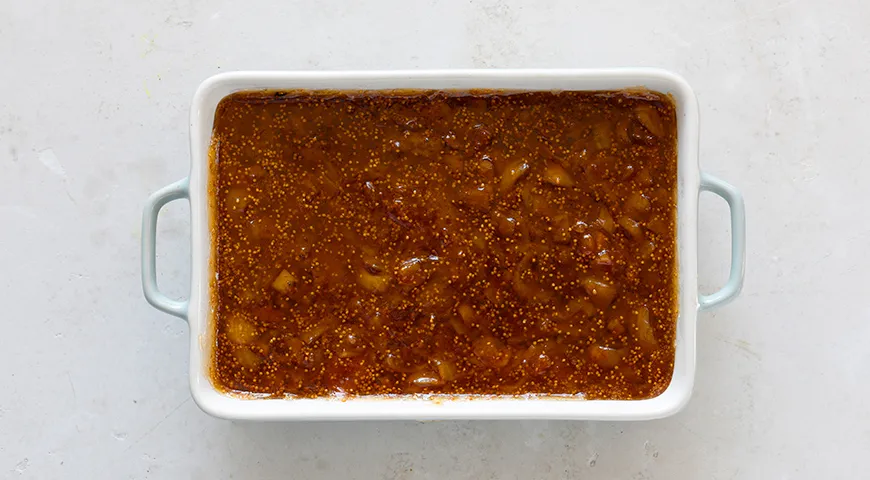
Remove the pan from heat. Quickly stir in the dissolved citric acid solution. Pour the hot marmalade immediately into a heatproof rectangular mold (approximately 20×15 cm). Press a sheet of plastic wrap directly onto the surface of the marmalade to prevent a skin from forming. Let it set undisturbed at room temperature for 24 hours. Do not refrigerate, as slow cooling yields a better texture.
Step 6: Cut and Coat in Sugar
Once fully set, unmold the marmalade onto a cutting board. Using a sharp knife, cut into squares or rectangles of your desired size. Roll each piece in granulated sugar to coat all sides thoroughly. For storage, layer the pieces in an airtight container separated by parchment paper. Keep at room temperature; the marmalade will remain stable for several weeks.

Tips for Success
Achieving the ideal texture requires precision. Use a reliable digital kitchen scale for every ingredient. The 111°C target is non-negotiable; below that, the marmalade will be too soft; above, it may become tough. If you do not have a thermometer, test a small amount on a cold plate: it should wrinkle when pushed. For the spice infusion, whole spices are essential; ground spices will cloud the marmalade and create a gritty mouthfeel. If you prefer a more intense spice note, you may add a small cinnamon stick or a star anise to the sachet. For a variation, try replacing half the honey with a splash of dark rum added at the end of cooking.
Variations and Pairing Ideas
This marmalade is incredibly versatile. Use it as a filling for thumbprint cookies, a glaze for baked ham, or a topping for Catalan sponge cake. For a more exotic twist, substitute half the apple juice with pomegranate juice. If you enjoy a sharper acidity, increase the citric acid to 9 g. The marmalade also pairs wonderfully with a strong, aged cheese like manchego or gouda. For a holiday gift, layer the marmalade in jars with a dusting of edible gold leaf.
Frequently Asked Questions
Can I use fresh figs instead of dried?
Fresh figs contain more water and less sugar, which would alter the set and flavor. Dried figs are essential for the concentrated sweetness and chewy texture. If you only have fresh, reduce the juice proportion and expect a softer set.
Why do I need to steep the figs for 12–24 hours?
The long infusion allows the flavors of the spices to fully penetrate the figs without overcooking them. This low-temperature extraction produces a more complex, mellow spice flavor compared to boiling the spices directly.
Can I reduce the sugar?
Yes, but with caution. Sugar interacts with pectin to form the gel. Reducing sugar by more than 20% may prevent setting. You can replace up to 100 g of sugar with a low-sugar pectin designed for reduced-sugar recipes, but follow the manufacturer’s instructions.
How should I store the marmalade?
Store in an airtight container at room temperature (18–22°C) away from direct sunlight. It will keep for up to 4 weeks. Do not refrigerate, as condensation can cause the sugar coating to melt. For longer storage, vacuum-seal or freeze for up to 3 months.
My marmalade didn’t set. What went wrong?
Common causes include not reaching the correct temperature, using pectin that is too old, or having too much acid (which can break down pectin). Check your thermometer calibration and try again. You can reboil the mixture with additional pectin dissolved in a little water, but the texture may be less perfect.
Can I use a different type of pectin?
Yes, but apple pectin works best for this classic recipe. Citrus pectin (often labeled as “high-methoxyl” pectin) can be used, but adjust the acid amount accordingly — citrus pectins typically require a lower pH. Always follow the pectin manufacturer’s guidelines.
Is this marmalade vegan?
Yes, the recipe contains no animal products. The honey can be replaced with agave syrup or maple syrup if you prefer a fully plant-based version, but note that the flavor will change slightly.
Conclusion
Making your own spiced fig marmalade is a deeply satisfying project that fills your kitchen with the intoxicating scent of cardamom and honey. The result is a gift-worthy confection that elevates everything it touches. Whether you enjoy it on a freshly baked scone or as a companion to an espresso, this marmalade captures the essence of homemade luxury. Take your time with the infusion, trust your thermometer, and savor every glossy, sugar-dusted bite.







