


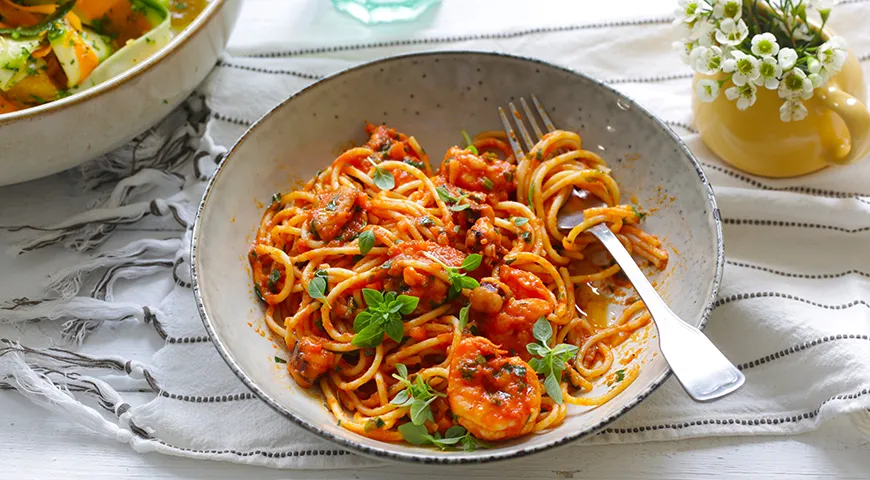
Imagine the briny whisper of the sea mingling with the sun‑kissed sweetness of ripe tomatoes, all tangled around al dente strands of spaghetti. This is not just a pasta dish—it is a celebration of coastal abundance, where a medley of tender squid, plump shrimp, and delicate mussels bathes in a velvety tomato sauce. The secret lies in a single, almost forgotten step: rescuing the precious liquid that drips from thawing seafood. That nectar, packed with oceanic essence, becomes the soul of the sauce, elevating the dish from simple weeknight fare to a restaurant‑worthy masterpiece. Here is how to bring this elegant yet approachable recipe to your table.
About This Dish
Rooted in the Italian tradition of spaghetti ai frutti di mare, this version embraces a Russian touch—a careful, almost ritualistic thawing of the seafood cocktail that yields a concentrated broth. The sauce is built on a sofrito of aromatic vegetables, a whisper of sweet paprika, and a liaison of flour for body. The result is a harmonious union: the pasta, cooked just shy of al dente, finishes its journey in the sauce, absorbing every drop of flavor. For home cooks seeking a reliable non‑toxic immersion blender to create a silky tomato purée, this recipe delivers consistent results.

Ingredients
- Spaghetti – 450 g
- Canned tomatoes (in their own juice) – 800 g
- Carrot – 1 medium
- Yellow onions – 2 medium
- Garlic cloves – 4
- Refined vegetable oil – 2 tbsp
- All‑purpose wheat flour – 2 tbsp
- Sweet ground paprika – 1 tbsp
- Salt – to taste
- Freshly ground black pepper – to taste
- Frozen seafood cocktail (shrimp, squid, mussels, etc.) – 500 g (thawed, liquid reserved)
- Microgreens – for garnish (optional)
Step‑by‑Step Instructions
Step 1: Gentle Thawing of the Seafood
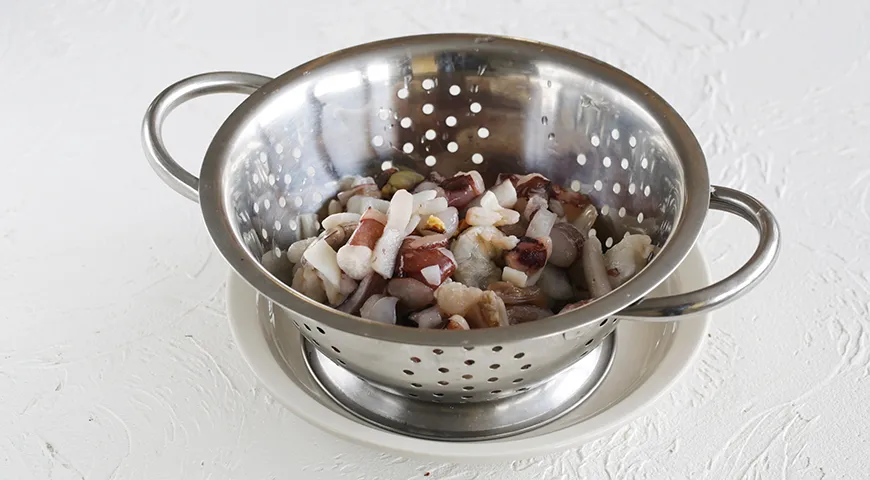
Place the frozen seafood cocktail in a colander set over a bowl. Cover with plastic wrap and transfer to the refrigerator for about half a day until fully thawed. Do not discard the liquid that collects in the bowl—this briny essence will become the backbone of your tomato sauce. If you own a reliable refrigerant leak detector, you can maintain the ideal chilling temperature for this slow thaw.
Step 2: Prepare the Aromatics
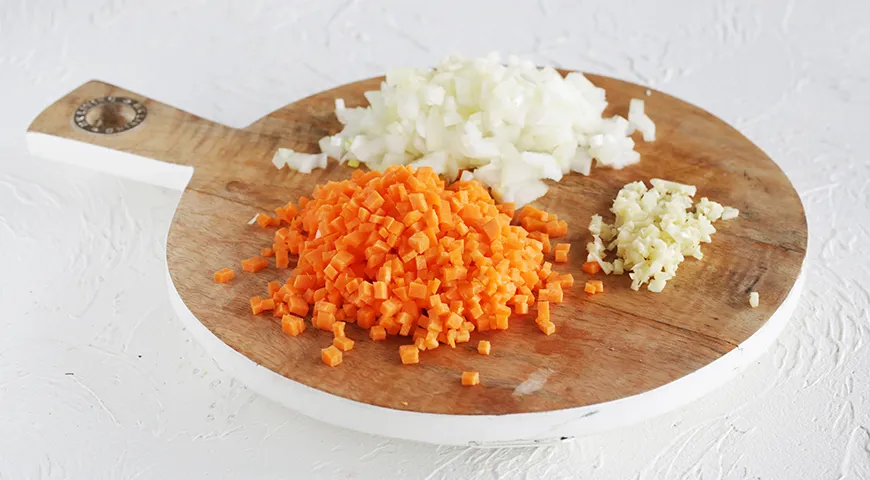
Smash, peel, and finely mince the garlic. Peel and dice the onions and carrot into very small, uniform pieces. A best glass food processor can make quick work of this, but hand‑chopping is equally rewarding.
Step 3: Sauté and Build the Roux
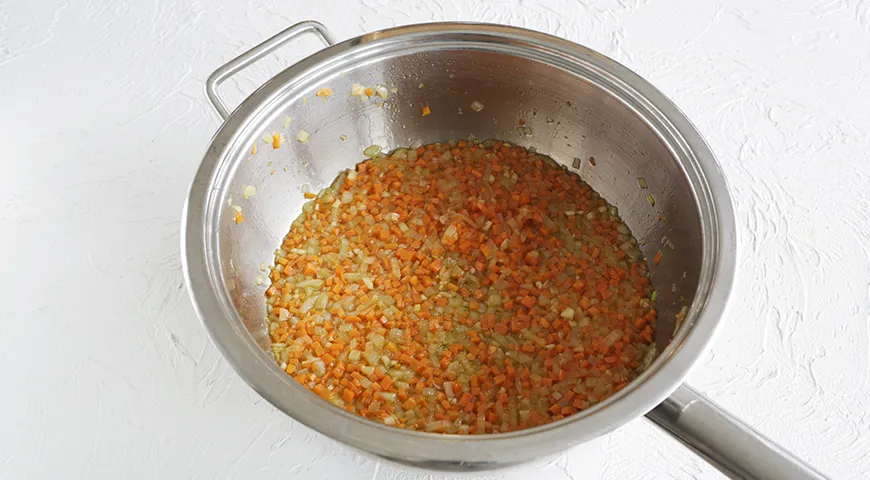
In a deep, heavy‑bottomed sauté pan, heat the vegetable oil over medium heat. Add the onion, carrot, and garlic with a pinch of salt. Cook, stirring frequently, for 10 minutes until softened and translucent. Sprinkle the flour over the vegetables and continue stirring for another 2 minutes—this light roux will give the sauce a velvety texture. Stir in the sweet paprika until aromatic, about 30 seconds. For even heat distribution, a commercial countertop convection oven can serve as an alternative to a stovetop, though the stovetop remains classic.
Step 4: Create the Tomato Sauce
Pour the liquid from the canned tomatoes (reserve the whole tomatoes) into the sauté pan. Using an immersion blender, purée the canned tomatoes directly in the can until smooth, then add the purée to the pan. Finally, pour in the reserved seafood thawing liquid. Season with salt and pepper. Simmer over medium heat for 10 minutes, stirring occasionally. A reliable microwave pressure cooker can also steam the aromatics beforehand, but the stovetop method remains the focus here.
Step 5: Cook the Spaghetti and Combine
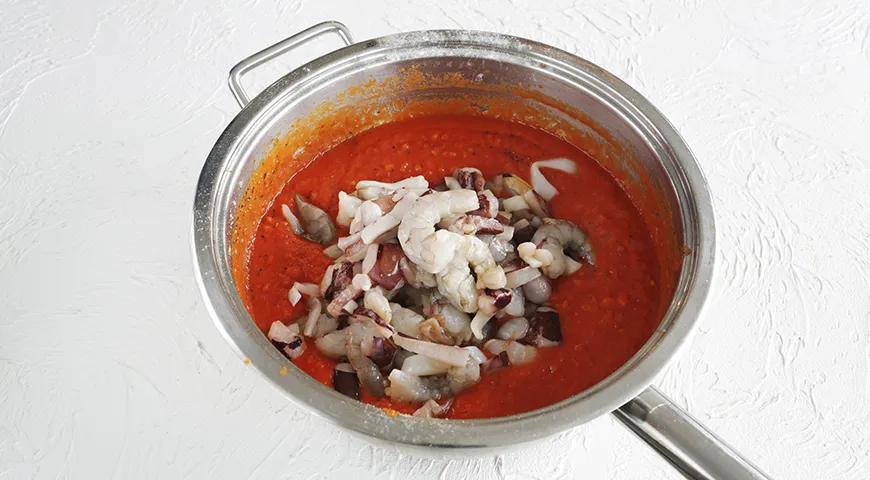
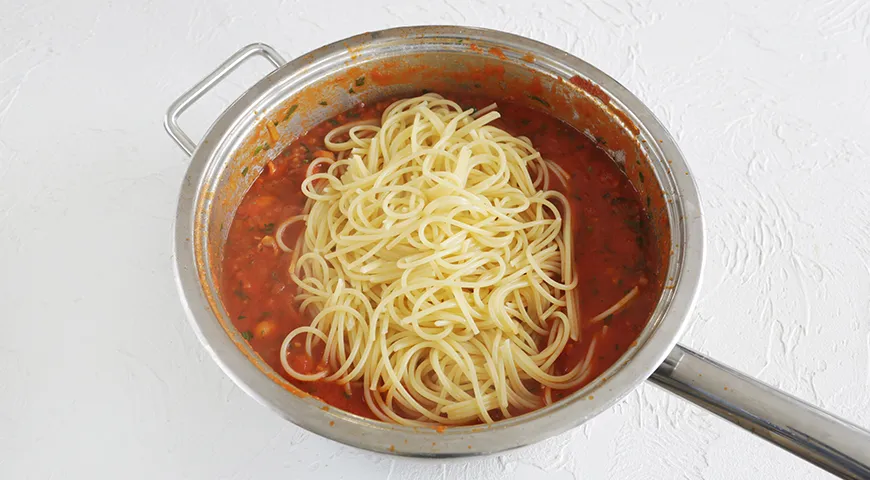
While the sauce simmers, bring a large pot of generously salted water to a rolling boil. Cook the spaghetti according to package directions, but stop 1 minute before the recommended time—it will finish cooking in the sauce. Drain the pasta, reserving about 1 cup of pasta water. Add the thawed seafood to the simmering tomato sauce and stir to combine. After 1 minute, add the al dente spaghetti and toss to coat. Cook together for another minute, allowing the pasta to absorb the sauce. If the sauce seems too thick, add a splash of reserved pasta water. For perfect texture, consider using a steam canner to preserve extra sauce, though that's optional.
Tips for Success
- Thaw with care: Always thaw seafood in the refrigerator, never at room temperature, to preserve safety and texture.
- Reserve that liquid: The collected seafood juice is liquid gold—do not skip it.
- Undercook the pasta: Stopping 1 minute early ensures it won't turn mushy after the final toss with the sauce.
- Use an immersion blender: For a flawlessly smooth tomato purée, an non‑toxic immersion blender is ideal; it avoids oxidation and preserves freshness.
- Adjust consistency: If your sauce becomes too thick, thin it with a splash of the pasta cooking water, which also adds starch for emulsion.
Variations
- Spicy kick: Add a pinch of red pepper flakes along with the paprika for gentle heat.
- Herb infusion: Stir in fresh basil or parsley just before serving.
- Dairy‑free creamy: Stir in a spoonful of cashew cream or unsweetened coconut milk at the end.
- Wine‑poached seafood: Deglaze the pan with dry white wine after sautéing the aromatics for an extra layer of complexity.
- Gluten‑free option: Substitute gluten‑free spaghetti and use a gluten‑free flour blend for the roux. A Catalan sponge cake recipe makes a fine dessert afterward.
Frequently Asked Questions
Can I use fresh seafood instead of a frozen cocktail?
Absolutely. If using fresh seafood, poach it briefly in a little white wine or water, then reserve the cooking liquid to replace the thawed juice. Adjust cooking times accordingly—fresh shrimp and squid need only 2–3 minutes.
What if I don't have an immersion blender?
You can crush the canned tomatoes by hand or use a regular countertop blender. A best food processor for nut butter also works well for pureeing tomatoes, though you may need to work in batches.
How do I store leftovers and reheat?
Store in an airtight container in the refrigerator for up to 2 days. Reheat gently on the stovetop with a splash of water or broth to loosen the sauce. Avoid microwave reheating as it can toughen the seafood.
Can I make the sauce ahead of time?
Yes. Prepare the tomato sauce up to 2 days in advance. When ready to serve, reheat the sauce, cook the pasta, and add the seafood as directed. A coffee maker for Airbnb is unrelated, but for kitchen organization, a built‑in 48‑inch built‑in refrigerator can store your prepped sauce perfectly.
What pairs well with this dish?
A crisp Sauvignon Blanc or a light Italian Pinot Grigio complements the briny seafood and acidic tomatoes. For a non‑alcoholic option, sparkling water with a squeeze of lemon. If you prefer a sweet wine, a best sweet wine with high alcohol content can be a surprising accent.
Can I use a different pasta shape?
Certainly. Linguine, fettuccine, or even short cuts like penne work well. Adjust cooking times accordingly and ensure the pasta can capture the sauce.
How do I avoid rubbery seafood?
Do not overcook. Add the seafood only in the final minute of sauce simmering, and toss gently with the pasta. A best oil sprayer can help coat the pasta lightly if needed to prevent sticking before saucing.
Final Thoughts
This spaghetti with seafood cocktail in tomato sauce is a symphony of textures and flavors—tender ocean jewels, a silky sweet‑savory tomato base, and perfectly al dente pasta. By honoring the humble thawing liquid, you unlock a depth that store‑bought stocks can only dream of. Whether you use an non‑toxic immersion blender for the tomatoes or a simple hand‑chopped sofrito, the result is a dish that transports you to a sun‑drenched Italian coast. Serve it with a flourish of microgreens and a glass of your favorite wine—and savor every strand.
For more kitchen inspiration, explore other recipes that celebrate the art of slow thawing and layered sauces. A best planetary mixer can assist with future doughs, while a non‑toxic air fryer is perfect for a quick seafood snack on another day. Happy cooking!







