


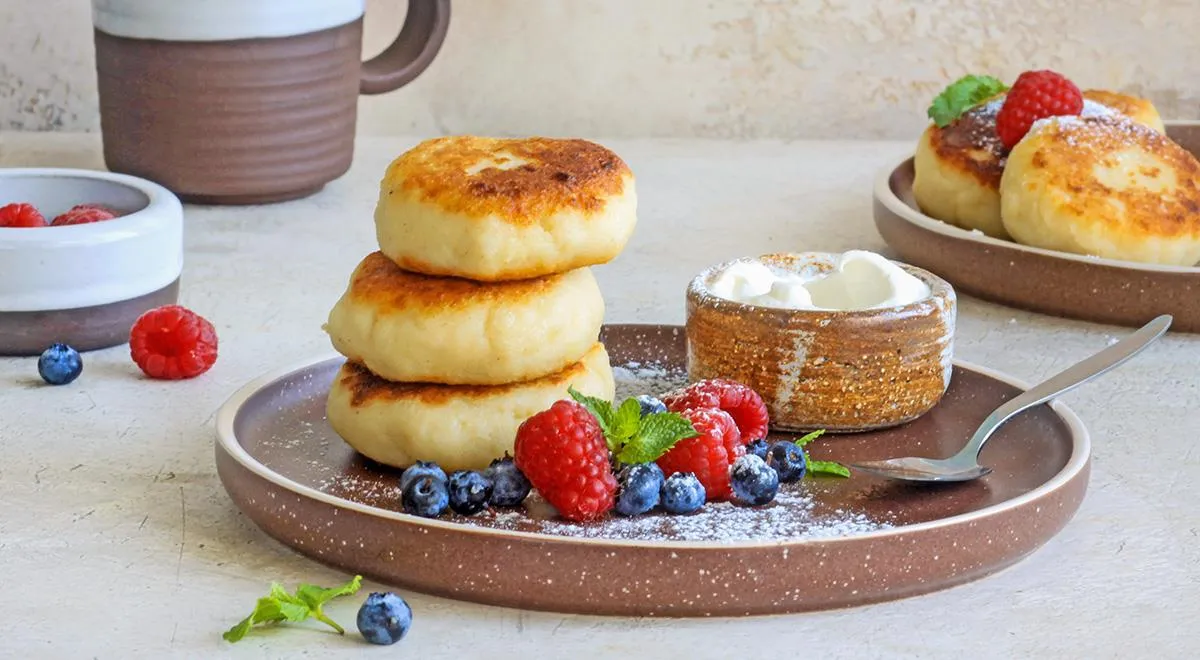
Few dishes evoke the pure nostalgia of childhood like semolina cutlets—those pillowy, golden-fried discs that graced the tables of Soviet and post‑Soviet kindergartens. Beloved by children and adults alike, these delicate morsels transform humble semolina into something magical: a crisp, buttery exterior giving way to a tender, sweet interior. Whether you're recreating a cherished memory or discovering this comfort classic for the first time, this recipe delivers ethereal texture and irresistible flavor—all from ingredients you likely already have in your pantry.
About This Dish
Originating from everyday Russian home cooking, semolina cutlets (манные биточки) are a ingenious way to repurpose leftover porridge or to create a quick, satisfying treat from scratch. Unlike dense grain patties, these cutlets are light and cloud‑like, thanks to a careful balance of milk, egg, and semolina. They’re typically served for breakfast or as a snack, paired with sour cream, jam, or honey. For the best results, choose a quality cooktop that provides even heat—essential for achieving that perfect golden crust without burning.

Ingredients
- Milk – 500 ml
- Semolina – 160 g
- Egg – 1 large
- All‑purpose flour – 3 tbsp (for coating)
- Granulated sugar – 3 tbsp
- Vanilla sugar – ½ tsp
- Salt – a pinch
- Vegetable oil – for frying
Optional for serving: sour cream, maple syrup, honey, jam, or chocolate spread.
For the perfect porridge base, a quality saucepan ensures the milk doesn’t scorch.
Step‑by‑Step Instructions
Step 1: Heat the Milk
Pour the milk into a large saucepan. Add a pinch of salt, granulated sugar, and vanilla sugar. Place over medium‑high heat and bring almost to a boil, watching closely so it doesn’t boil over.

Step 2: Cook the Semolina
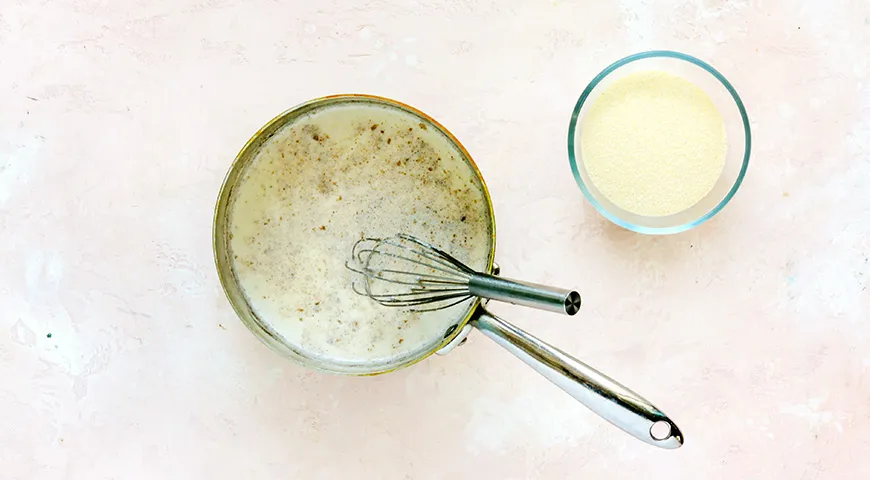
Reduce heat to low. Slowly pour the semolina into the hot milk in a thin stream, whisking constantly to avoid lumps. Cook for 4–5 minutes, stirring with a spatula or whisk, until the porridge thickens.
Step 3: Cool the Porridge
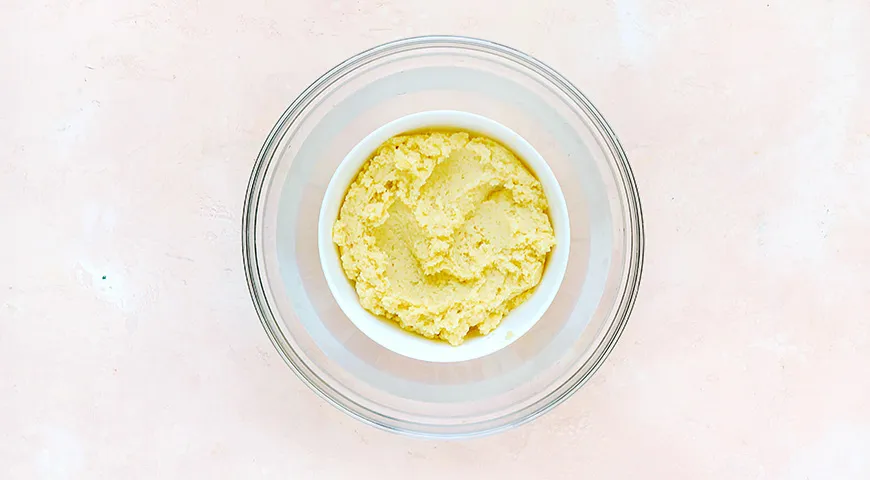
Remove the saucepan from the heat. Transfer the cooked porridge to a large bowl and let it cool until just warm. For faster cooling, place the bowl in a larger container filled with cold water.
Step 4: Add the Egg
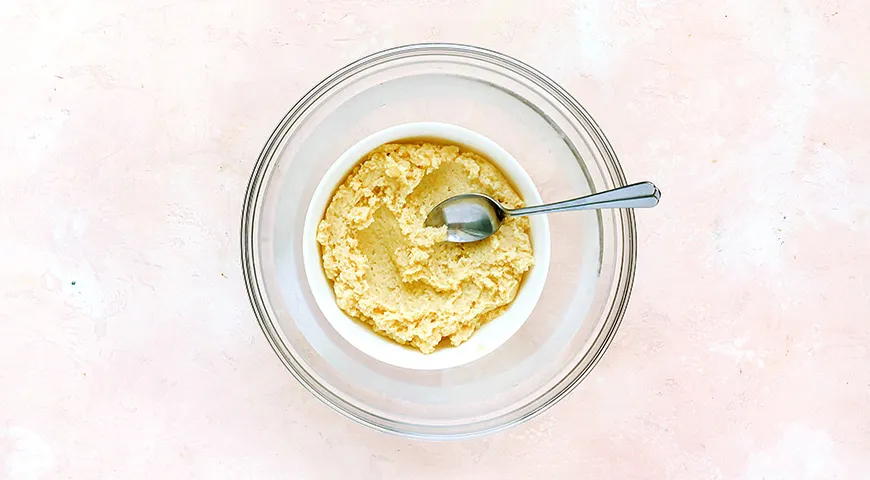
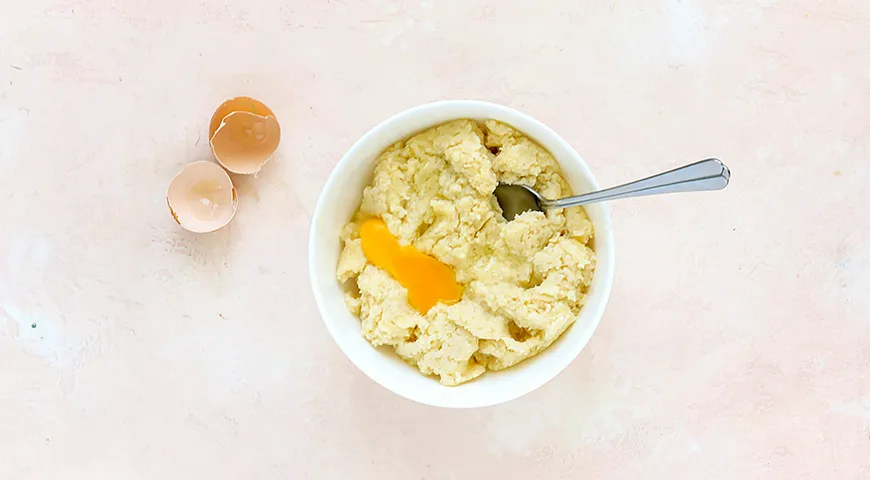
Once the porridge is cool, crack the egg into the bowl and mix thoroughly until completely homogeneous. You can use a spatula, spoon, or an electric mixer for a smoother texture.
Step 5: Prepare the Coating Station
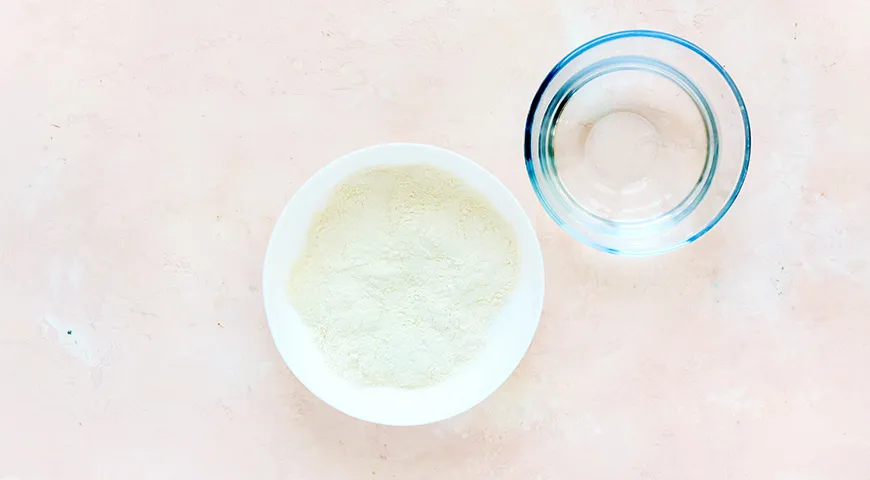
Pour warm water into a small bowl (for wetting hands) and place flour in a separate dish. The flour will be used for breading the cutlets.
Step 6: Shape the Cutlets
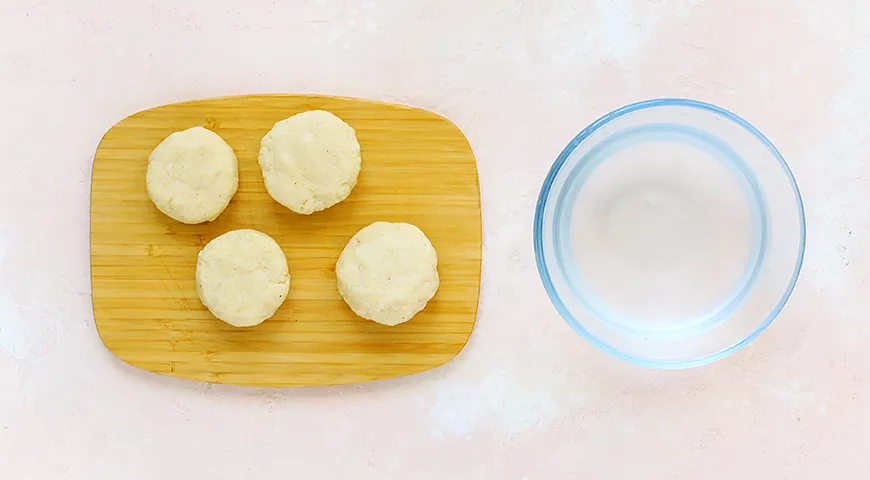
Wet your hands with the water. Scoop a heaping tablespoon of the semolina dough, place it in your palm, and shape into a round patty about 5–6 cm in diameter and 1.5 cm thick.
Step 7: Coat with Flour
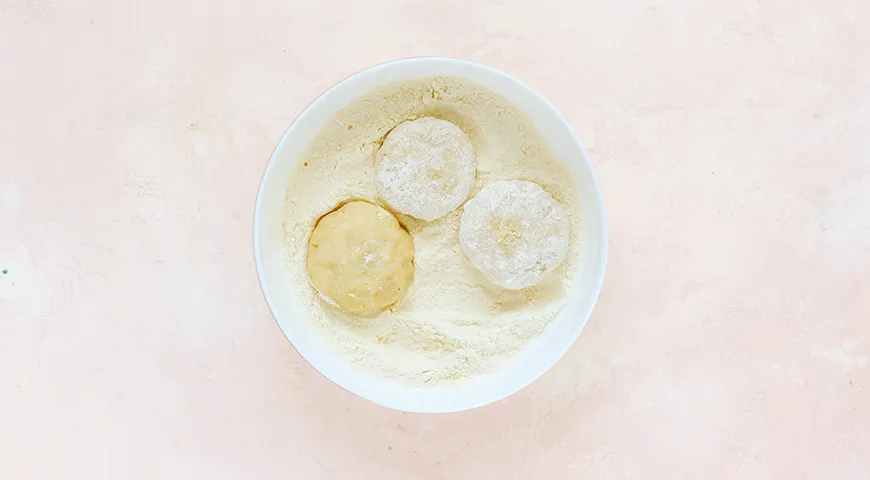
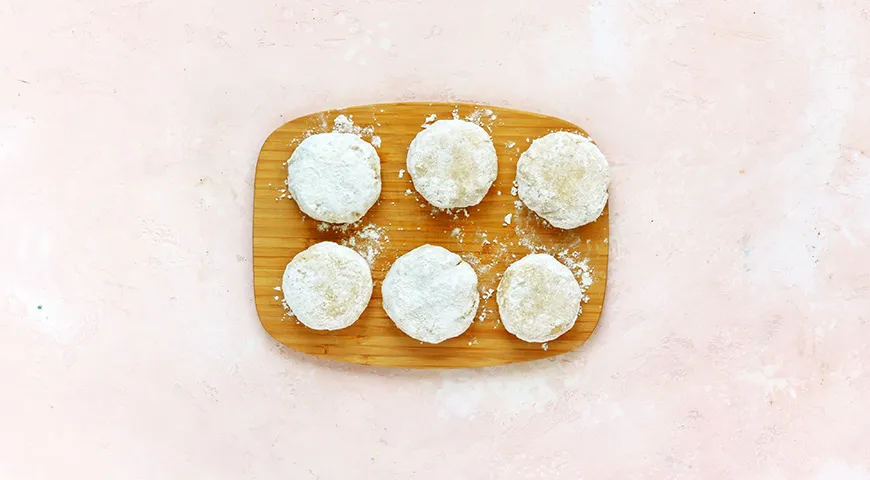
Dredge the patty in flour, shaking off any excess to prevent burning. Place the breaded cutlet on a cutting board or parchment paper.
Step 8: Repeat with Remaining Dough
Continue shaping and breading all the cutlets. Lay them in a single layer without touching—they should not stick together.
Step 9: Heat the Pan
Place a large skillet over medium‑high heat. Add vegetable oil and let it heat for about 30 seconds. The oil should shimmer but not smoke.
Step 10: Fry the Cutlets
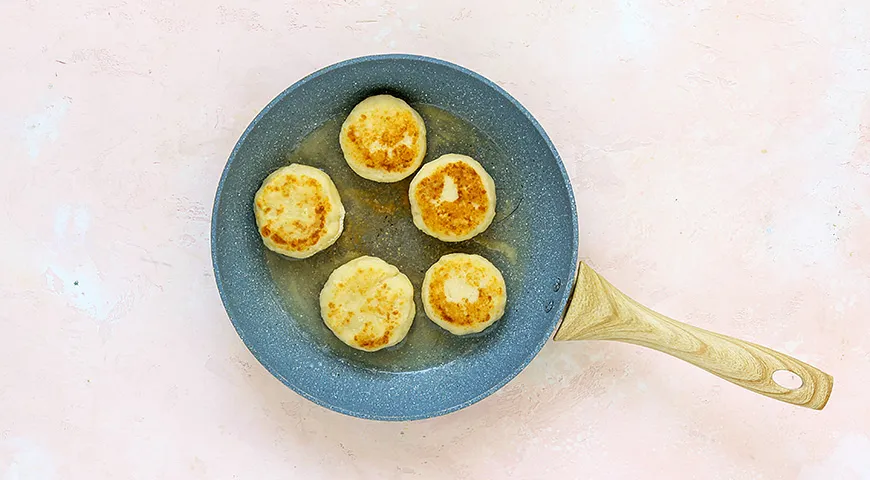
Carefully add the cutlets, leaving at least 1 cm between them. Reduce heat to medium and cook for 3–4 minutes until the bottom is golden brown. Flip and cook another 3 minutes on the second side.
Step 11: Serve
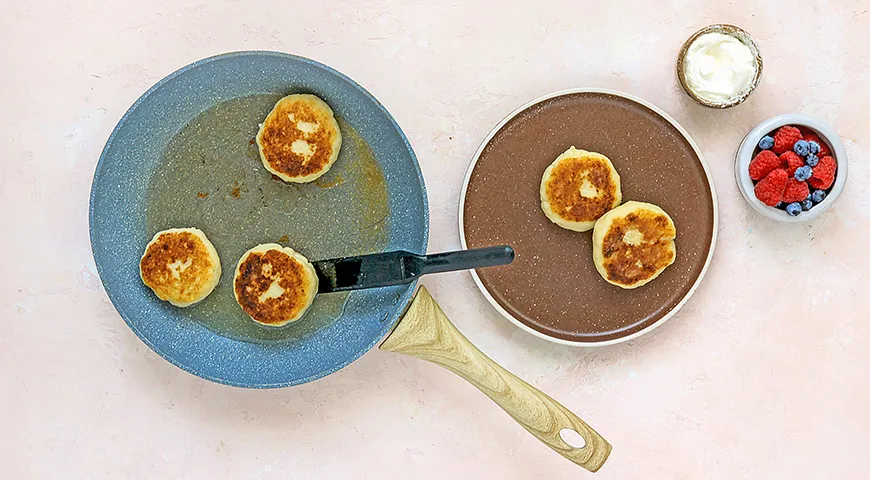
Transfer the hot cutlets to plates and serve immediately. They pair wonderfully with sour cream, maple syrup, honey, jam, or chocolate spread. They are also delicious warm or cold.
Tips for Perfect Semolina Cutlets
- Cool the porridge properly: It must be warm, not hot, before adding the egg—otherwise you’ll end up with scrambled eggs. A microwave pressure cooker can speed up the cooling if you’re in a rush.
- Keep hands wet: The dough is sticky; dipping hands in water prevents sticking and helps shape neat patties.
- Don’t overcrowd the pan: Leave space between cutlets so they brown evenly. Consider using a non‑toxic air fryer for a lighter version.
- Experiment with coatings: Replace some flour with crushed cornflakes or coconut flakes for extra crunch. Check out chocolate‑covered raisins for a decadent topping idea.
Variations
This basic recipe is wonderfully adaptable. For a savory twist, omit the sugar and vanilla and add herbs and grated cheese. For dairy‑free cutlets, use plant‑based milk and an oil sprayer to control moisture. You can also shape the mixture into small balls and bake them in a commercial convection oven for a crispy exterior without deep frying.
FAQ
Can I use leftover semolina porridge?
Absolutely! This recipe is perfect for using up cold, cooked porridge. Simply reheat it gently and follow from Step 4 onward.
Why did my cutlets fall apart while frying?
The porridge may have been too thin or not cooked long enough. Ensure you cook the semolina until very thick, and let the mixture rest for 5 minutes after adding the egg. A planetary mixer can help incorporate the egg thoroughly.
Can I freeze the uncooked cutlets?
Yes! Arrange them on a baking sheet, freeze until firm, then transfer to a bag. Fry directly from frozen, adding 2–3 minutes to each side.
What if I don’t have vanilla sugar?
Use ½ teaspoon of vanilla extract instead, or substitute with a little lava flavor for a fun twist.
How do I make the cutlets extra fluffy?
Let the cooked porridge sit covered for 10 minutes before cooling; this allows the grains to absorb more liquid. For an even lighter texture, use a food processor to blend the dough until smooth.
These semolina cutlets are a loving nod to the past, but they’re destined to become a modern family favorite. With their crisp, golden crust and creamy, sweet interior, they’re the perfect canvas for your favorite toppings—whether you stick with classic sour cream or go gourmet with sweet wine reductions. Rediscover the joy of simple, wholesome cooking, one bite at a time.







