


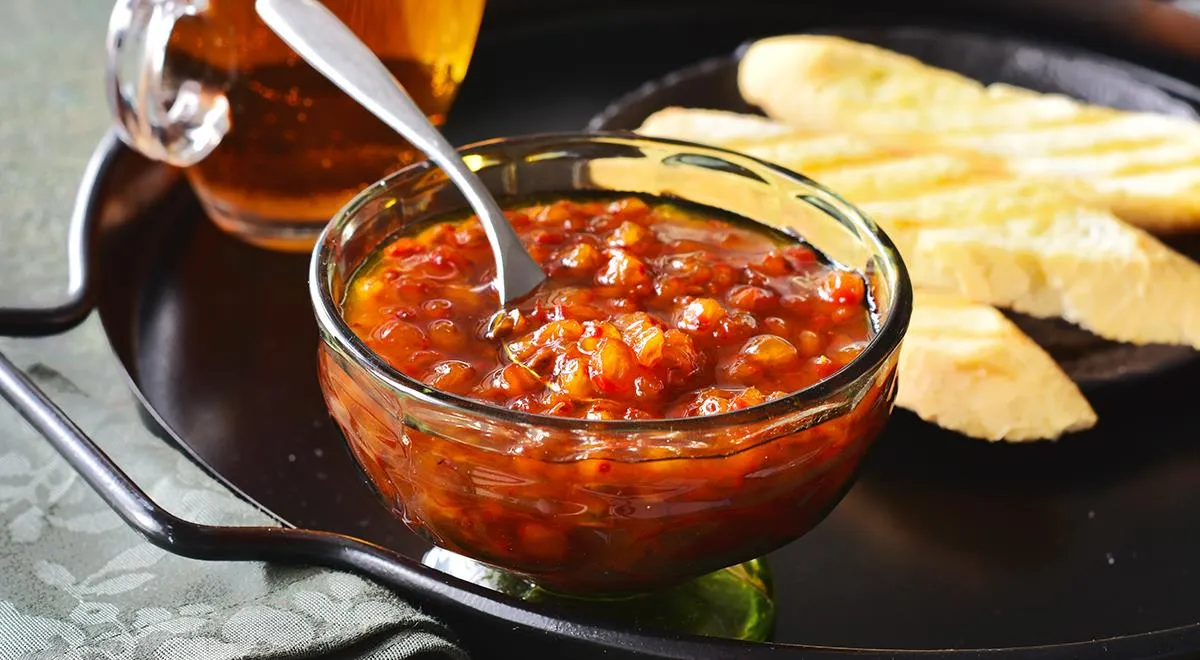
There is a moment in late summer—when the golden-orange berries of sea buckthorn hang heavy on thorny branches—that feels like pure alchemy. In Russia, this humble superfruit is transformed into a sweet-tart preserve that captures the sun’s warmth through the long winter. Sea buckthorn with sugar, cooked as a five-minute jam, is a cherished pantry staple: simple, luminous, and brimming with vitamin C. This recipe is not just about preserving fruit; it is about preserving a moment of harvest abundance. Whether you spread it on toast, swirl it into yogurt, or spoon it over pancakes, this bright jewel of a preserve will become a kitchen favourite.
About Sea Buckthorn with Sugar
Sea buckthorn (Hippophae rhamnoides) has been revered for centuries in Northern Europe and Asia for its extraordinary nutritional profile. The berries contain omega-7 fatty acids, antioxidants, and more vitamin C than an orange. When combined with sugar and briefly cooked, they soften into a syrupy, intensely flavoured jam that retains a striking colour and a puckery-sweet balance. This version follows the classic pyatiminutka (five-minute) method: a quick boil ensures the berries stay intact while the sugar dissolves into a glossy syrup. The result is a preserve that is neither too thick nor too thin—a versatile condiment that complements both sweet and savoury dishes. For best results, use a heavy-bottomed pot to prevent scorching.

Ingredients
- 1 kg fresh sea buckthorn berries
- 1.3 kg granulated sugar
That is all. The simplicity of this recipe lies in the ratio: a little more sugar than fruit, which draws out the natural pectin and creates a shelf-stable preserve. No added pectin, no water—just pure berry and sugar. If you prefer a less sweet jam, you can reduce the sugar to 1 kg, but the shelf life may shorten. Always choose ripe, firm berries with no signs of mould. A steam canner can help streamline the sterilisation process if you plan to make multiple batches.
Step-by-Step Instructions
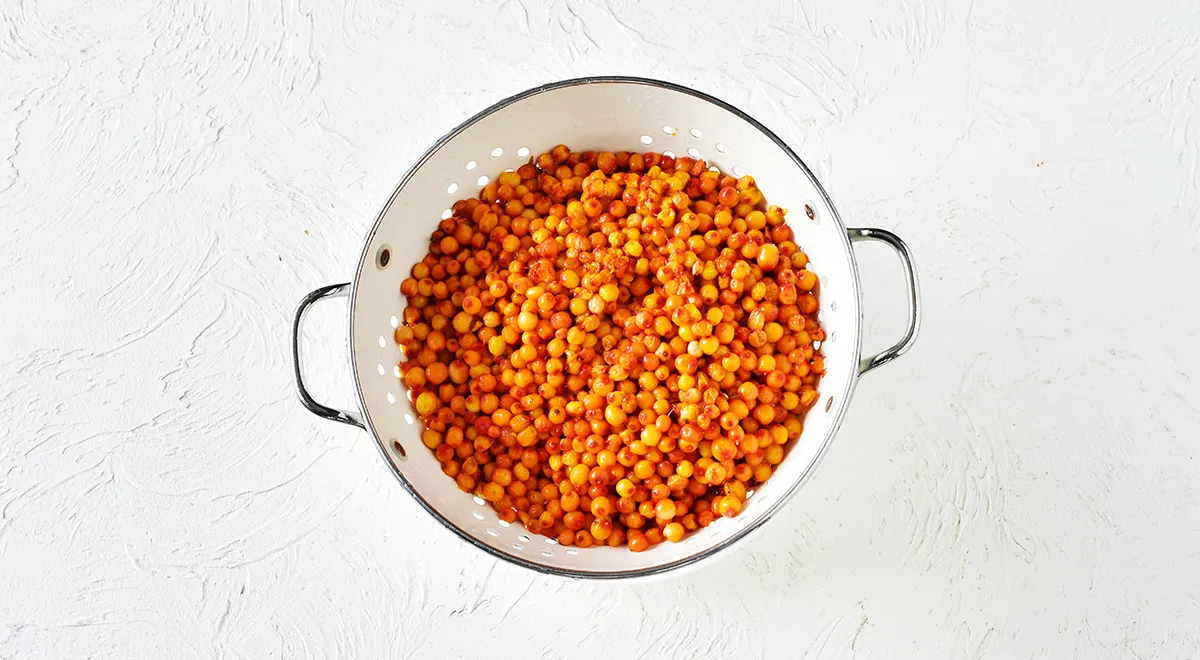
- Prepare the berries. Gently pick over the sea buckthorn berries, discarding any stems, leaves, or blemished fruit. Rinse them thoroughly under cold running water in a colander. Allow them to drain completely—excess moisture can dilute the syrup. If you have a large harvest, a glass food processor can be used to separate berries from clusters, but handpicking is gentler.
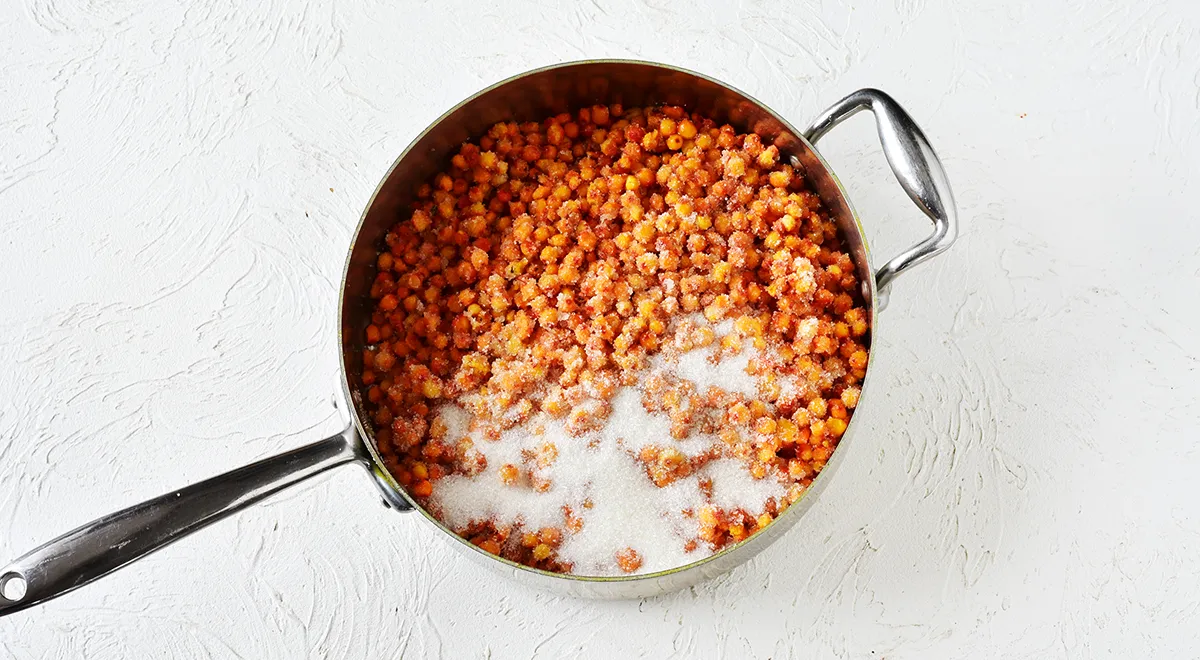
- Layer with sugar. Transfer the clean berries to a wide, non-reactive pot (stainless steel or enamel works best). Sprinkle the sugar evenly over the berries. Gently shake the pot to settle the sugar between the fruit without crushing them. Cover and let rest at room temperature overnight (8–12 hours). During this time, the sugar will draw out the berries’ juices, creating a natural syrup. A planetary mixer is not needed here—patience is the only tool.
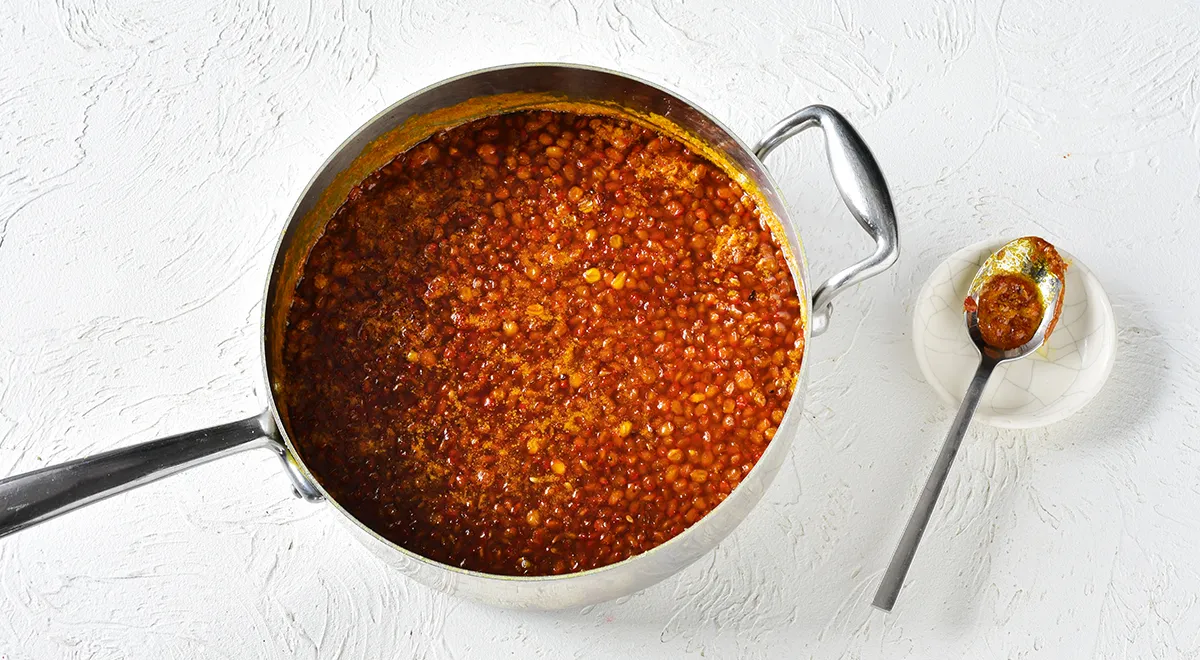
- Cook the five-minute jam. The next day, place the pot over medium heat. Stir gently with a wooden spoon to prevent sticking. Bring the mixture to a full boil, then reduce the heat to maintain a gentle simmer. Cook for exactly 5 minutes, skimming off any foam that rises to the surface with a slotted spoon. This foam is harmless but can cloud the final preserve. The short cooking time preserves the berries’ shape and vibrant colour. For an even more hands-off approach, a microwave pressure cooker can be used, though traditional stovetop is preferred.
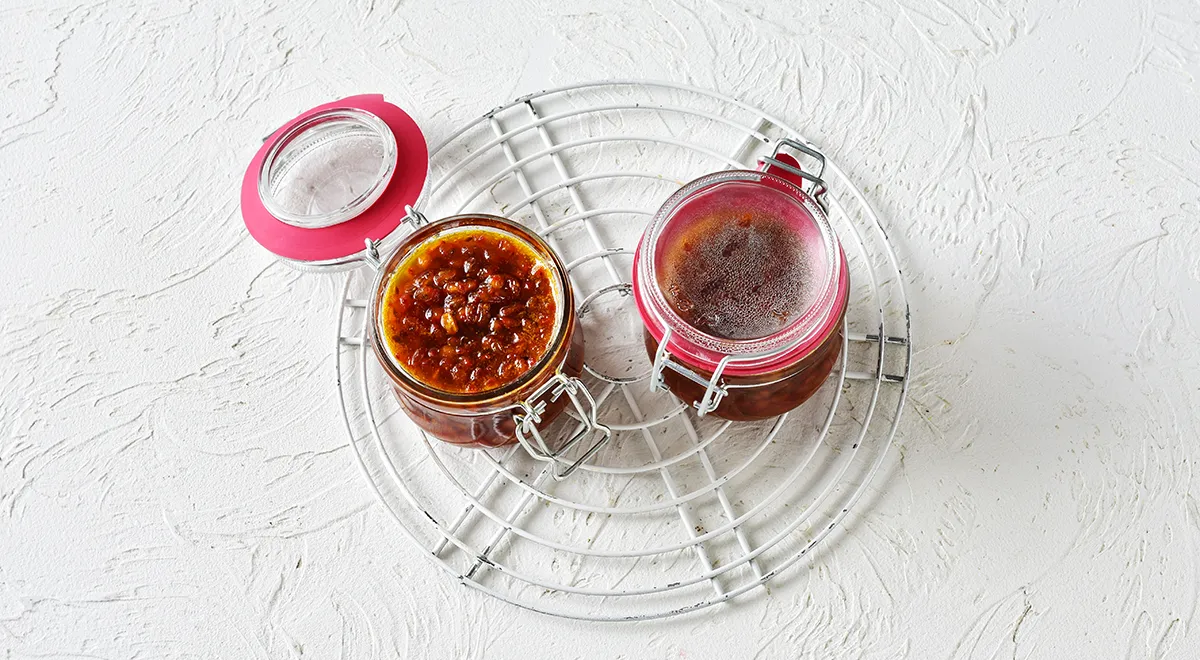
- Jar and store. While the jam is still hot, ladle it into sterilised glass jars, leaving about 1 cm headspace. Wipe the rims clean and seal with sterilised lids. A countertop ice maker is not related, but for quicker cooling, you can place jars on a wire rack. Allow them to cool completely at room temperature—you should hear the lids pop as they seal. Store in a cool, dark, dry place. Once opened, refrigerate and use within 3 weeks.
Tips for Perfect Sea Buckthorn Jam
- Always use ripe, undamaged berries. Frozen sea buckthorn also works—just thaw and proceed, accounting for extra liquid.
- Do not skip the overnight maceration; it allows the sugar to fully penetrate the berries, resulting in a more uniform syrup and less cooking time.
- For a seedless version, press the cooked jam through a fine-mesh sieve, though you will lose some texture. A non-toxic immersion blender can purée the berries for a smoother consistency if you prefer.
- If you live in a humid climate, process the sealed jars in a steam canner for 10 minutes to ensure long-term shelf stability.
- Label jars with the date—homemade jam is best enjoyed within one year.
Variations to Try
- Spiced Sea Buckthorn Jam. Add a cinnamon stick, two star anise, or a split vanilla bean during the cooking step. Remove before jarring. This pairs wonderfully with Catalan sponge cake.
- Sea Buckthorn and Ginger Preserve. Grate 30 g fresh ginger into the pot before boiling for a warming kick. Ginger complements the tartness beautifully.
- Low-Sugar Version. Reduce sugar to 800 g and add 2 tablespoons of lemon juice for natural pectin. Expect a thinner set and shorter shelf life. Use an air fryer to dehydrate leftover berries for a different treat.
- Sea Buckthorn Syrup. After cooking, strain the solids through cheesecloth for a clear syrup perfect for cocktails or drizzling over organic vodka and soda.
FAQ
Can I use frozen sea buckthorn berries?
Absolutely. Thaw them first and drain any excess liquid. You may need to increase the cooking time by a minute or two to evaporate the extra moisture. The flavour and colour remain excellent.
How long does this jam keep?
Properly sealed and stored in a cool, dark cupboard, the jam will keep for up to 12 months. Once opened, refrigerate and consume within 3 weeks. If you prefer a longer shelf life, process the jars in a steam canner for 10 minutes.
Why did my jam turn out runny?
Runny jam is usually the result of undercooking or insufficient sugar. Ensure you cook for the full 5 minutes at a rolling boil. If it still seems too liquid, rebottle and simmer for another 2–3 minutes. The jam will also thicken slightly as it cools. A food processor can help blend any separated fruit into a uniform texture.
Can I reduce the sugar without ruining the preserve?
Yes, but with trade-offs. Reduce sugar to 800 g and add 2 tablespoons of lemon juice. The set will be looser, and the jam will not keep as long unrefrigerated. You can also use a natural pectin alternative, but test first.
What is the best way to eat sea buckthorn jam?
Spread it on buttered toast, swirl into plain yogurt or oatmeal, or use as a glaze for roasted meats like pork or duck. It also makes a stunning filling for thumbprint cookies or a tart topping for morning coffee.
Do I have to sterilise the jars?
Yes, absolutely. Sterilisation prevents spoilage. Wash jars and lids in hot soapy water, then place them in a 120°C oven for 15 minutes, or boil them in a large pot of water for 10 minutes. Use tongs to handle hot jars. A built-in refrigerator is not needed, but cool storage is essential.
Can I make this jam in a slow cooker?
It is not recommended because slow cookers do not evaporate moisture quickly enough, resulting in a thin syrup. Stick to the convection oven or stovetop for best results.
Final Thoughts
Sea buckthorn with sugar is more than a recipe—it is a ritual. The overnight maceration, the brief boil, the popping lids—each step connects you to generations of home cooks who have preserved autumn’s bounty. Whether you are new to this golden berry or a lifelong enthusiast, this five-minute jam offers a taste of pure, sunny simplicity. For more preserving inspiration, explore our sweet wine pairings or check out our guide to espresso machines for a perfect afternoon pairing. Happy preserving!







