


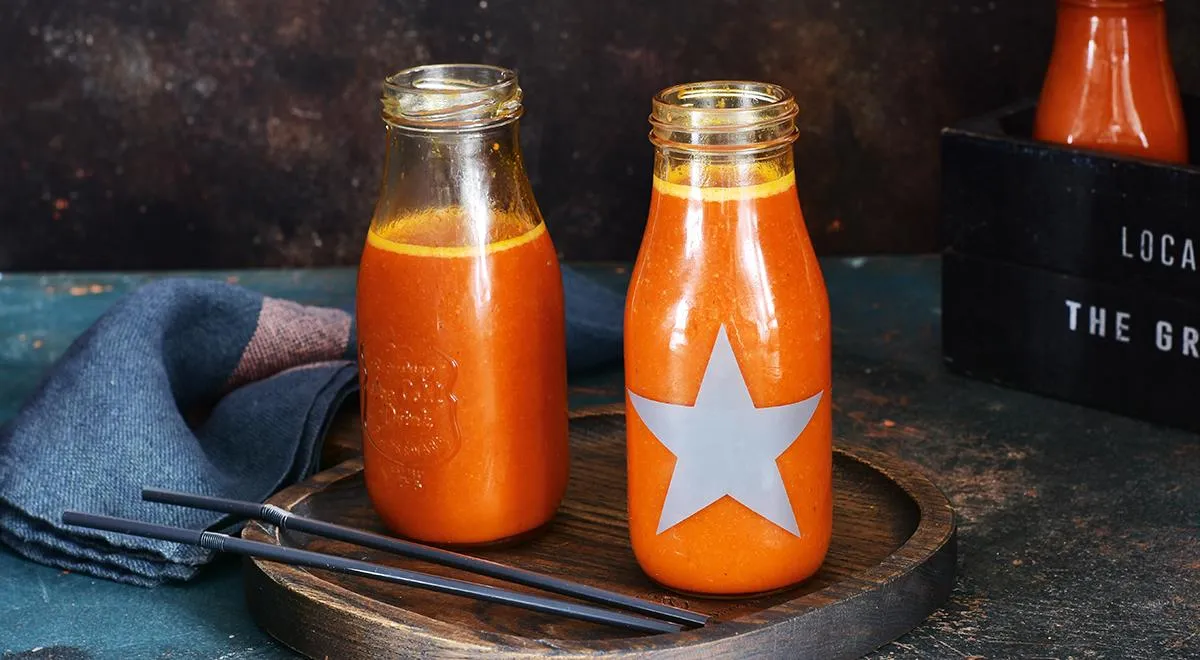
In the vast, sun‑kissed landscapes of Siberia, a small orange berry holds the secret to winter wellness. Sea buckthorn (Hippophae rhamnoides) has been revered for centuries for its extraordinary concentration of vitamins, antioxidants, and omega fatty acids. Its juice—a tangy, golden nectar—is the quintessential Russian home remedy, a burst of immunity and energy that can be made from fresh or frozen berries with just two ingredients: fruit and sugar. This article guides you through the art of crafting pure, vibrant sea buckthorn juice at home, preserving its nutritional potency and bright, complex flavour. Whether you plan to sip it as a daily tonic or use it to elevate cocktails, sauces, and teas, mastering this simple recipe will bring a taste of the Siberian taiga into your kitchen.
About Sea Buckthorn Juice
Sea buckthorn juice is far more than a refreshing beverage—it is a concentrated source of vitamin C, vitamin E, beta‑carotene, and rare omega‑7 fatty acids that support skin health, heart function, and immune defence. The natural balance of sweet and tart makes it an ideal base for both sweet and savoury applications. Using a high‑quality non‑toxic immersion blender or a glass food processor ensures the berries are pulverised without imparting metallic flavours. The recipe can be adapted to a sugar‑free version by pasteurising the juice—though heat treatment reduces some heat‑sensitive vitamins. For maximum nutritional retention, the sweetened, cold‑pressed method described here is ideal.

Ingredients
- 1 kg fresh or frozen sea buckthorn berries
- 700–800 g granulated sugar (adjust to taste and sweetness of berries)
For best results, use ripe, plump berries with a vivid orange hue. Frozen berries work perfectly; thaw them overnight in the refrigerator before beginning. The weight of the berries before juicing will be slightly greater than the juice yield, but the final ratio of juice to sugar should be 1:1 by weight.
Step‑by‑Step Instructions
Step 1: Prepare the Berries
Sort the sea buckthorn berries, discarding any stems, leaves, or damaged fruit. Rinse thoroughly under cool running water and spread on a clean kitchen towel to air‑dry completely—excess moisture can dilute the flavour and affect preservation. For frozen berries, ensure they are fully thawed and blot away any condensation.
Step 2: Blend into a Puree
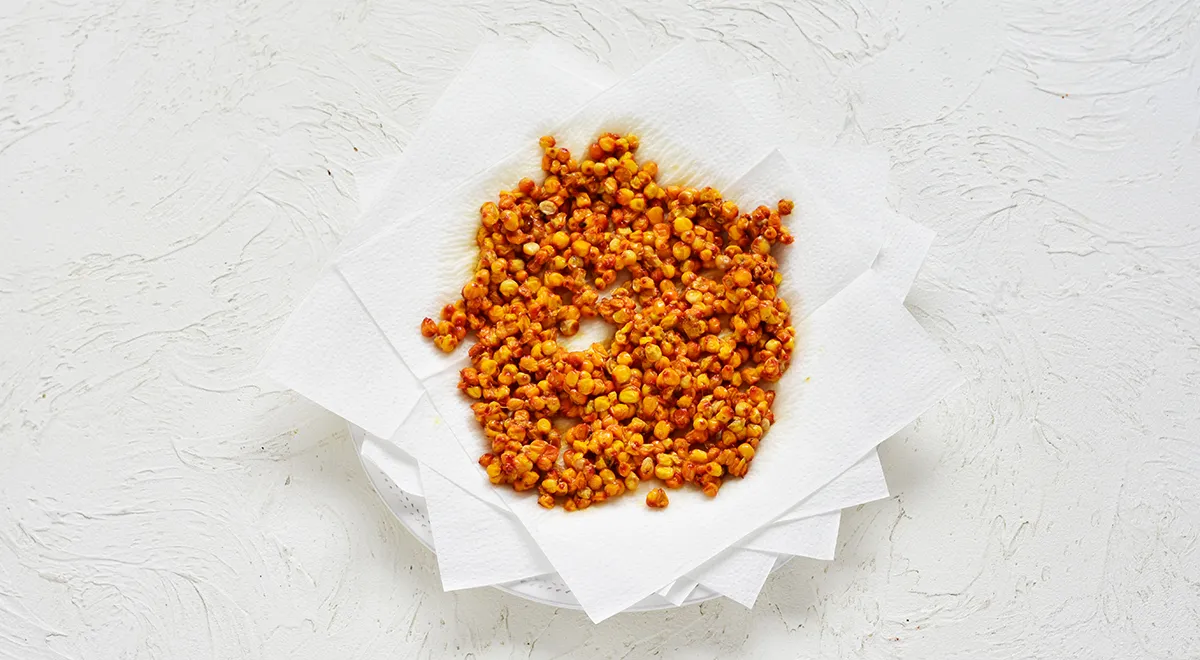
Transfer the dry berries to a deep bowl or blender container. Using an immersion blender (or a standard blender), pulse and blend until the berries break down into a liquid puree. A food processor for nut butter also works well for this step, creating a smooth, homogenous mixture. Avoid over‑blending—some texture is acceptable as the seeds and skins will be removed later.
Step 3: Strain the Juice
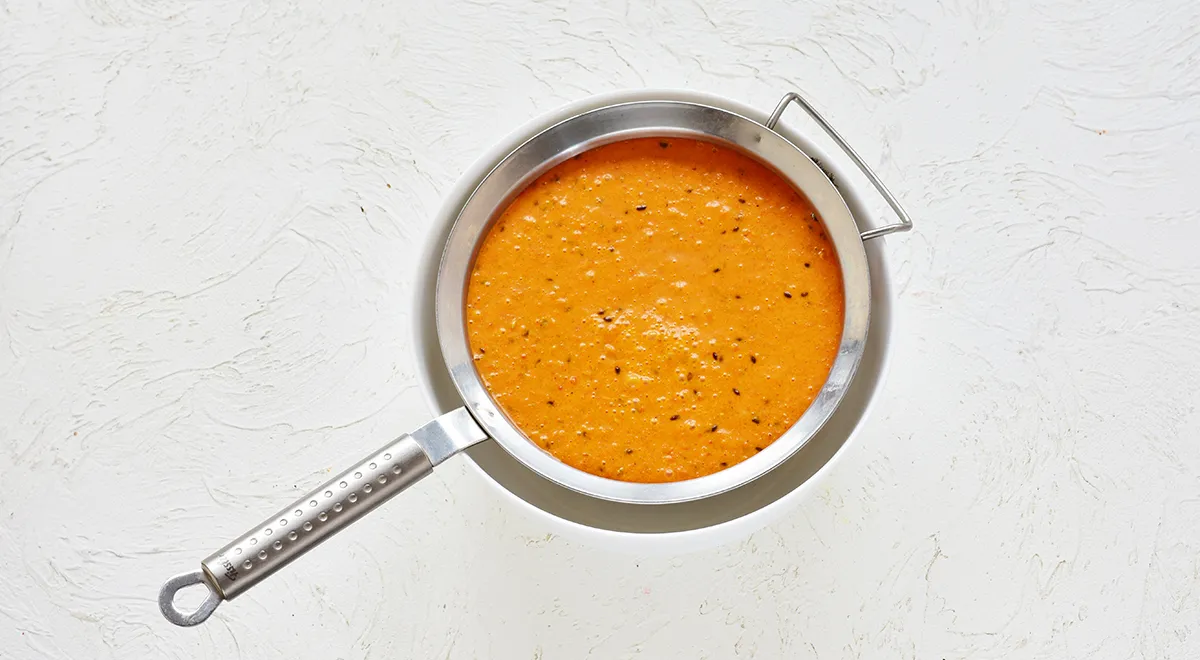
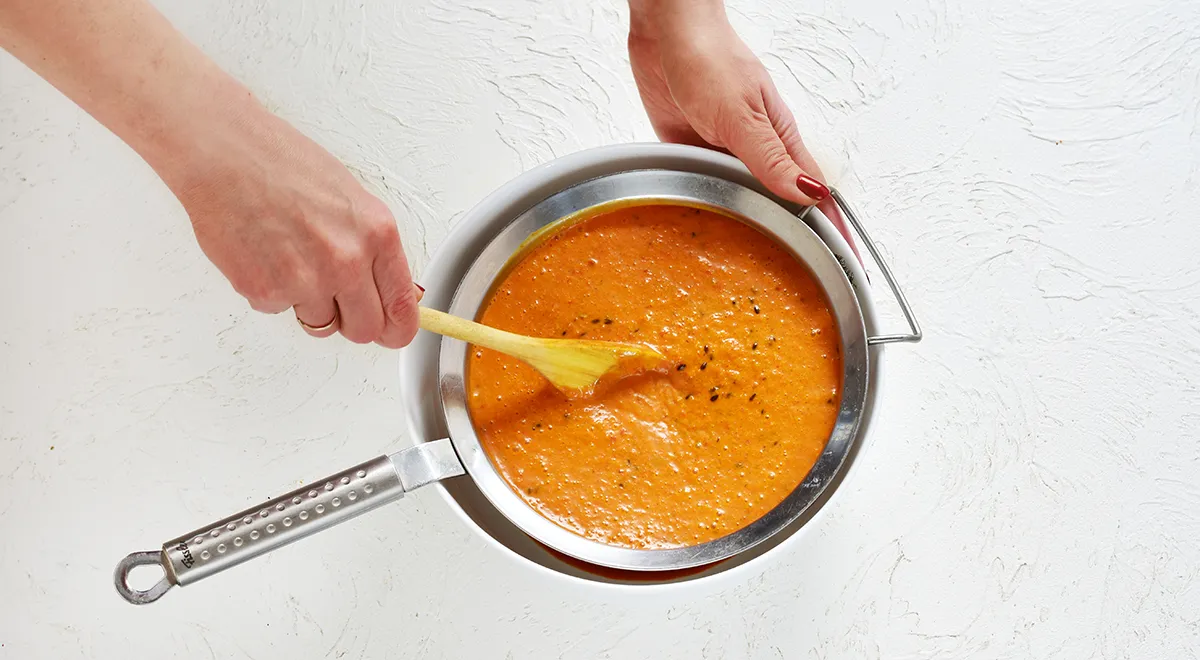
Pour the berry puree through a fine‑mesh sieve set over a large bowl. With the back of a spoon or a rubber spatula, gently press the puree through the sieve, allowing the juice to flow into the bowl below. The seeds, pulp, and skin remnants will remain in the sieve. Weigh the collected juice. For a higher yield, consider using a wheatgrass juicer or a dedicated masticating juicer, which extracts maximum liquid while leaving dry pulp.
Step 4: Sweeten and Bottle
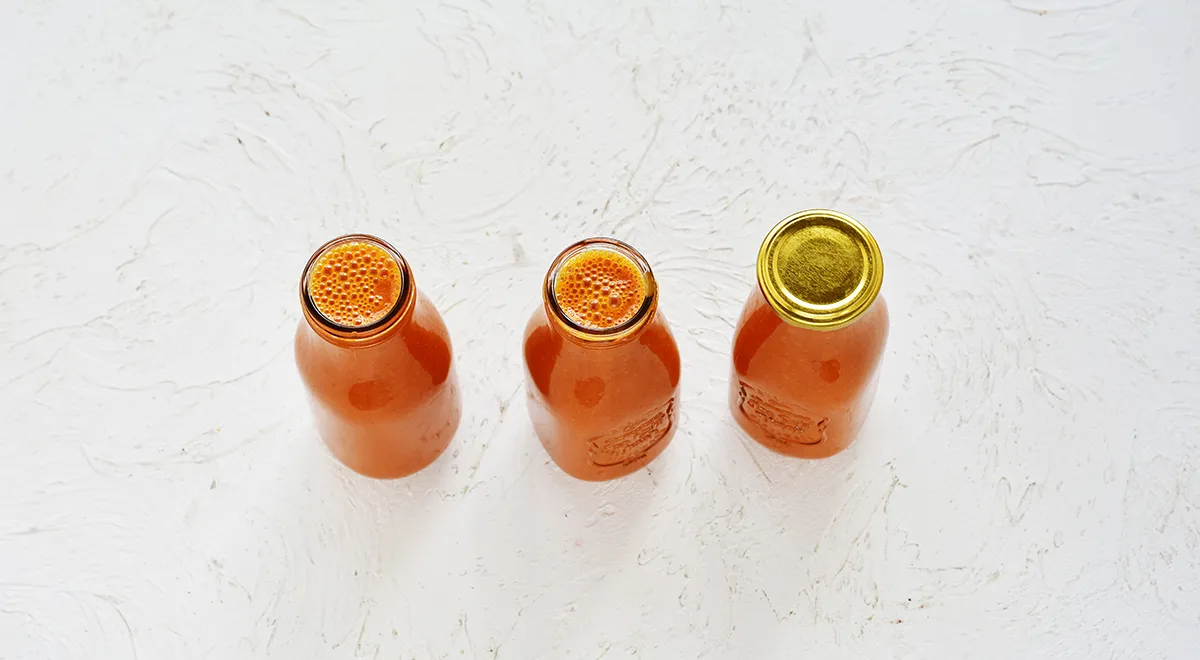
Add the sugar to the strained juice in a 1:1 ratio by weight (e.g., 500 ml juice equals 500 g sugar). Stir with a spoon or a planetary mixer on low speed until the sugar is completely dissolved. For a smoother integration, warm the juice slightly (not exceeding 40°C) before adding sugar, then cool. Pour the finished juice into sterilised bottles or jars, seal tightly, and store in the refrigerator. If you prefer a sugar‑free version, boil the juice for 5 minutes, then hot‑fill into sterile bottles and process in a steam canner for long‑term shelf stability.
Tips for Perfect Sea Buckthorn Juice
- Balance sweetness: The natural acidity of sea buckthorn varies; adjust sugar within the 700–800 g range for 1 kg berries. Taste the juice after dissolving the first 700 g and add more if needed.
- Enhance extraction: Before blending, freeze the berries overnight—ice crystals burst cell walls, increasing juice yield. Thaw and proceed immediately.
- Keep it clean: Always sterilise bottles and lids in boiling water or a dishwasher to prevent spoilage. An undercounter ice maker is handy for producing clean ice cubes to chill the juice quickly after bottling.
- Storage: Refrigerate sweetened juice for up to 1 month. For longer storage, freeze in ice cube trays or use a built‑in refrigerator with precise temperature control.
Variations
Sea Buckthorn–Ginger Elixir: Add a 5 cm piece of fresh ginger (peeled and sliced) to the berry puree before blending. Strain as usual—the spicy kick complements the berry’s tartness.
Herbal Infusion: Steep a few sprigs of fresh thyme or mint in the warm juice after adding sugar, then cool and strain. Serve over ice for a garden‑fresh twist.
Sparkling Cocktail Base: Use the sweetened juice as a mixer with sparkling water, vodka, or gin. For a special occasion, pair with a sweet wine with high alcohol content for a sophisticated aperitif.
Drizzling Syrup: Reduce the juice slightly to thicken it into a syrup—excellent over pancakes, yoghurt, or baked goods like a Catalan sponge cake.
Frequently Asked Questions
Can I use sea buckthorn juice without sugar?
Yes. Omit the sugar and boil the strained juice for 5 minutes. Pour into sterilised bottles and pasteurise in a steam canner for 10 minutes (for 500 ml bottles). This method extends shelf life but reduces vitamin C content. For a naturally sweet alternative, blend the juice with apple or carrot juice.
How long does homemade sea buckthorn juice last?
Sweetened juice stored in the refrigerator in airtight bottles keeps well for up to 1 month. Unopened pasteurised juice can last up to 1 year in a cool, dark pantry. Once opened, refrigerate and consume within 2 weeks.
What is the best way to extract juice from sea buckthorn?
For small batches, blending and pressing through a sieve is effective. For larger quantities, a masticating juicer or a dedicated fruit press yields higher extraction. A high‑quality air fryer with non‑toxic coatings can be used in a roundabout way (by warming berries to release juice), but direct juicing is preferred.
Can I use frozen sea buckthorn berries directly?
Yes, but thaw them first in the refrigerator to avoid altering the juice’s viscosity. Do not thaw at room temperature, as this encourages bacterial growth and flavour loss. For best results, use a commercial countertop convection oven set to low (40°C) to gently thaw if you need faster results.
What can I do with the leftover pulp and seeds?
Do not discard! The pulp and seeds are rich in fibre and healthy oils. Dry them and grind into a powder for smoothies, or infuse in olive oil for a skin‑nourishing body oil. You can also use the pulp in baking (like in fruit leather) or add to granola.
How many calories does sea buckthorn juice have?
A 100 ml serving of sweetened (1:1) sea buckthorn juice contains approximately 250–300 calories, primarily from sugar. The unsweetened version has about 50–60 calories per 100 ml, with most of the calories coming from natural fruit sugars.
Is sea buckthorn juice safe during pregnancy?
In moderate amounts, yes. Sea buckthorn is rich in vitamin E and omega‑7, which support skin elasticity and immune function. However, because it may have a mild blood‑thinning effect, consult your healthcare provider before consuming large quantities, especially if taking medication.
For a warming cup of vitamin tea, simply stir 1–2 tablespoons of your finished juice into hot water. Add a slice of lemon or a cinnamon stick, and sweeten to taste. Enjoy the golden glow of Siberian wellness.
Tip for coffee lovers: This bright juice makes a stunning morning drink alongside a coffee maker for Airbnb or a premium espresso machine under $2000. The tartness of sea buckthorn cuts through the richness, creating a balanced breakfast duo.







