


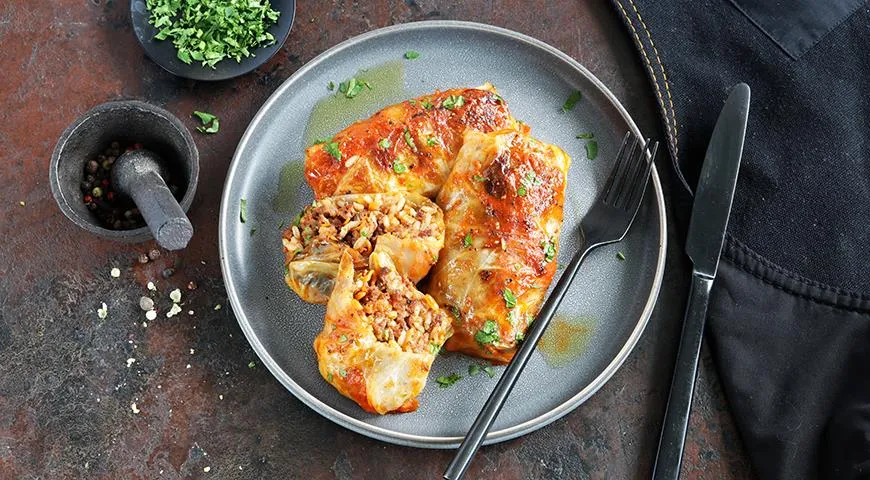
There are few dishes that evoke the warmth of a Russian home kitchen quite like golubtsy — tender cabbage parcels cradling a savoury filling of beef, rice, and aromatic vegetables, all simmered in a rich tomato sauce. This classic recipe, passed down through generations, turns humble ingredients into a deeply satisfying meal that speaks of tradition, patience, and love. Whether you're revisiting childhood memories or discovering Eastern European cuisine for the first time, mastering these stuffed cabbage rolls is a culinary rite of passage. With a little preparation and the right technique — including a microwave pressure cooker to speed up the process if you wish — you can recreate this comforting dish in your own kitchen.
About Golubtsy: A Classic of Russian Home Cooking
Golubtsy (голубцы) literally translates to "little doves," a poetic nod to the way the rolled cabbage leaves resemble nestled birds. This dish has been a staple across Russia, Ukraine, and neighbouring countries for centuries. Traditionally, it was prepared in large batches to feed families during long winters, often served with a dollop of sour cream and fresh dill. The combination of tender beef mince, fluffy rice, and sweet carrots, all wrapped in soft cabbage leaves and bathed in a tangy tomato sauce, creates a harmony of textures and flavours that is both rustic and refined. For the best results, use a planetary mixer to evenly combine your filling ingredients, or simply mix by hand.

Ingredients for the Perfect Stuffed Cabbage Rolls
- 1 head of white cabbage (about 1.2–1.5 kg)
- 400 g beef mince (preferably 15–20% fat for juiciness)
- 1 medium carrot (approx. 100 g)
- 1 onion (approx. 120 g)
- 100 g long-grain rice
- 4 tablespoons vegetable oil, divided
- 2 tablespoons tomato paste
- 2 sprigs fresh parsley
- Freshly ground black pepper, to taste
- Salt, to taste
For an extra layer of flavour, consider adding a pinch of smoked paprika or a bay leaf to the cooking liquid. A high-quality store-bought au jus can also enrich the sauce if you're short on time.
Step-by-Step: How to Make Golubtsy
Step 1: Cook the Rice
In a small saucepan, combine the rice with 250 ml of hot water and a pinch of salt. Bring to a boil over high heat, then reduce the flame to the lowest setting, cover, and cook for exactly 12 minutes. Remove the lid and let the rice cool completely. Using a food processor to grind your own mince ensures a perfect texture, but pre-minced beef works wonderfully too.
Step 2: Prepare the Cabbage Leaves
With a sharp, narrow knife, cut out the core from the head of cabbage. Carefully peel away 8–10 large outer leaves, taking care not to tear them. In a large pot, bring 3 litres of salted water to a rolling boil. Blanch the cabbage leaves in batches — 2 leaves at a time — for 4 minutes each. Transfer the blanched leaves with a slotted spoon to a bowl of ice-cold water to stop the cooking process. Repeat until all leaves are prepared. Drain and pat dry with paper towels.
Step 3: Make the Filling
Finely dice the onion and cut the carrot into thin julienne strips. In a deep skillet, heat 2 tablespoons of vegetable oil over medium heat and sauté the onion until translucent, about 4 minutes. Add the carrot and cook for another 3 minutes. In a large bowl, combine the sautéed vegetables with the cooled rice, beef mince, 1 teaspoon of salt, and a generous grind of black pepper. Mix thoroughly. For a lighter filling, you can substitute part of the beef with finely chopped mushrooms; a wheatgrass juicer won't help here, but a good knife will.
Step 4: Assemble the Cabbage Rolls
Lay a blanched cabbage leaf flat on a cutting board. Use a kitchen mallet or the flat side of a heavy knife to gently pound any thick stems or ribs until they are as thin as the rest of the leaf. Place about 2 tablespoons of the filling (approximately 40–50 g) near the base of the leaf. Fold the sides inward, then roll tightly from the base to the tip, forming a neat parcel. Repeat with the remaining leaves and filling.
Step 5: Sear and Simmer
In the same deep skillet or a Dutch oven, heat the remaining 2 tablespoons of vegetable oil over medium-high heat. Sear the cabbage rolls on all sides until they are golden brown, about 5–7 minutes. Meanwhile, dissolve the tomato paste in 250 ml of warm water, season with salt and pepper, and pour the mixture into the pan. Bring to a gentle simmer, cover, and cook over low heat for 30 minutes, turning the rolls carefully once or twice with a spatula. Before serving, sprinkle freshly chopped parsley over the top. A high-end espresso machine won't be needed for this dish, but a good non-toxic immersion blender is excellent for pureeing the sauce if you prefer a smoother finish — see our guide to the best non-toxic immersion blender.
Tips for Flawless Golubtsy Every Time
- Don't skip the blanching: Properly softened leaves are pliable and won't tear during rolling.
- Use a non-stick surface: A quality oil sprayer helps you grease the pan evenly without excess oil.
- Chill the filling: If the mixture feels too sticky, refrigerate it for 15 minutes — it will be easier to shape.
- Double the batch: Golubtsy freeze beautifully. Make extra and store them in airtight containers for up to 3 months.
- Braising liquid: For a deeper flavour, use beef broth instead of water when diluting the tomato paste. A non-toxic air fryer can be used to reheat leftovers with a crispy finish.
Variations to Explore
The beauty of golubtsy lies in its adaptability. Try these twists on the classic:
- Vegetarian version: Replace beef mince with a mixture of cooked lentils, quinoa, and finely chopped mushrooms. Add a teaspoon of smoked paprika for depth.
- Lighter sauce: Substitute tomato paste with plain tomato passata and a splash of cream for a pink, milder sauce.
- Spicy kick: Stir in a teaspoon of chilli flakes or a dash of Tabasco to the tomato sauce.
- Grain swap: Use pearl barley or buckwheat instead of rice for a nuttier flavour and chewier texture.
- Herb infusion: Add chopped dill and a bay leaf to the cooking liquid for an authentic Eastern European aroma. A commercial countertop convection oven can even be used to finish the rolls with a gratinee topping of cheese and breadcrumbs.
Frequently Asked Questions About Stuffed Cabbage Rolls
Can I make golubtsy without beef?
Absolutely. Pork, lamb, turkey, or a blend of beef and pork work wonderfully. For a vegetarian option, use a mixture of lentils, walnuts, and breadcrumbs.
How do I prevent the cabbage leaves from tearing?
Blanching is key. After boiling, shock the leaves in ice water to stop cooking. Also, thinly pound any thick stems with a rolling pin or mallet before filling.
Can I prepare golubtsy in a slow cooker or Instant Pot?
Yes. After searing the rolls, transfer them to a slow cooker with your sauce and cook on low for 4–6 hours. In an electric pressure cooker, cook on high pressure for 10 minutes, then natural release. Using a undercounter ice maker to prepare a cold water bath for blanching is a clever kitchen hack.
What is the best way to store and reheat leftovers?
Store cooled golubtsy in an airtight container in the refrigerator for up to 5 days. Reheat gently in a covered skillet over low heat, or in the oven at 160°C for 20 minutes. They also reheat well in an oven microwave combo with air fryer.
Can I freeze unbaked golubtsy?
Yes. Assemble the rolls without the sauce, place them in a single layer on a baking sheet, freeze until solid, then transfer to freezer bags. When ready to cook, thaw in the refrigerator overnight and proceed with searing and simmering.
What side dishes pair well with stuffed cabbage rolls?
Golubtsy are traditionally served with a dollop of sour cream and a side of boiled potatoes or crusty rye bread. A simple cucumber salad or pickled beets also complement the rich tomato sauce beautifully. For a refreshing drink, consider a sweet high-alcohol wine to cut through the richness.
Why is my rice still hard after cooking?
The rice should be parcooked to al dente before mixing into the filling. If it remains undercooked, it will absorb liquid during simmering and become tender. To ensure even cooking, use a total bowel release is unrelated — make sure your rice is at least 80% cooked before assembling.
Is it necessary to sear the rolls before braising?
Searing adds a caramelised crust that deepens the flavour of the final dish. While you can skip this step for a lighter version, the extra 5 minutes are well worth the effort.
Whether you're feeding a crowd or simply craving a taste of nostalgia, these stuffed cabbage rolls deliver comfort in every bite. With a little patience and the right tools — like a 48-inch built-in refrigerator to store a large batch — you'll have a freezer full of homemade goodness ready for any occasion. Enjoy the process and the delicious rewards!







