


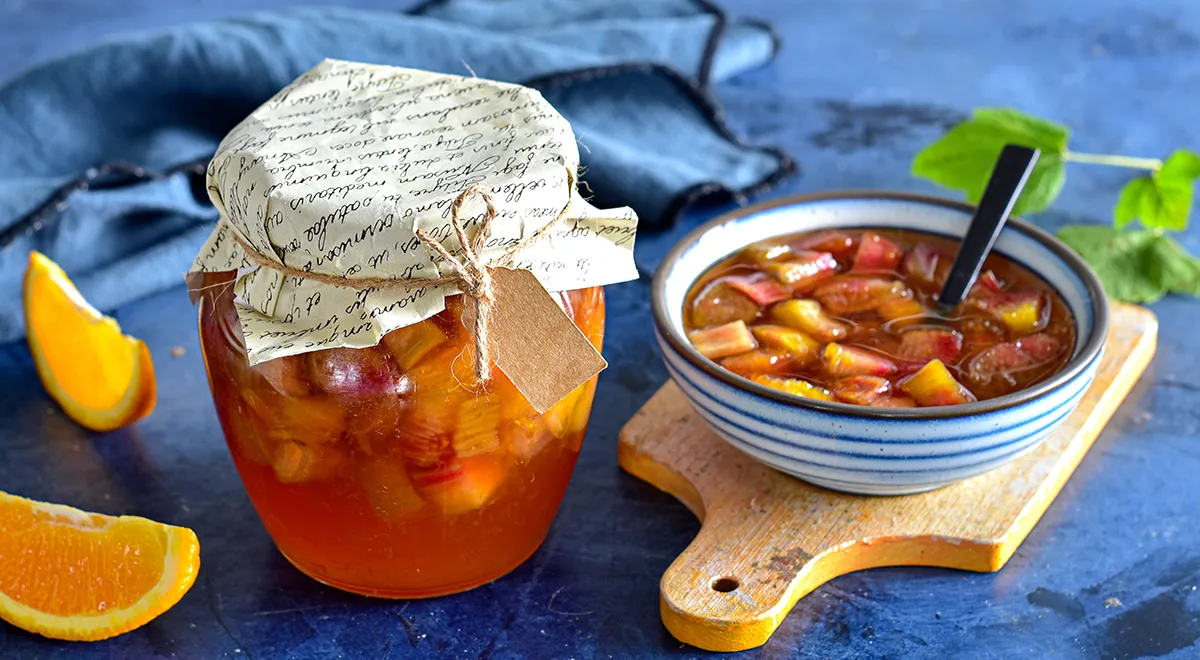
There are preserves that whisper of grandmother‘s pantry shelves, and then there is this: a jubilant, tangy-sweet marmalade that sings of spring mornings and kitchen sunlight. Rhubarb and orange jam brings together the earthy tartness of forced rhubarb stalks with the bright, floral perfume of fresh citrus. It is a simple alchemy – fruit, sugar, heat – yet the result is anything but ordinary. Whether you are a seasoned canner or a curious newcomer, this recipe from the Russian culinary tradition delivers a jewel-toned spread that enlivens toast, scones, yogurt, or even a cheese board. The process rewards patience, but the method is straightforward, and the flavour payoff is immense. In this article, we'll walk you through every step, share expert tips, and explore creative variations so you can make this preserve your own.
About Rhubarb and Orange Jam
Rhubarb (Rheum rhabarbarum) is often mistaken for a fruit, yet botanically it is a vegetable. Its stalks provide a bracing sourness that mellows beautifully when cooked with sugar. Paired with oranges – zest, juice, and flesh – the jam gains layers of complexity. The natural pectin in citrus helps the preserve set without commercial pectin, while the rhubarb breaks down into tender shreds. This recipe, adapted from the Russian culinary magazine Gastronom, employs a two-heat method that concentrates flavour and ensures a perfect gel. The yield is roughly 1.5 litres of jam, depending on the juiciness of the fruit. For more inspiration on classic preserves, check out our guide on the best steam canner for safe home preserving.

Ingredients
- 1 kg fresh rhubarb stalks
- 2 large oranges
- 1 kg granulated sugar
That‘s it – three ingredients, no pectin, no preservatives. The quality of the rhubarb matters: look for firm, crisp stalks with deep pink or green colour (pink gives a prettier hue). The oranges should be heavy for their size, with smooth, unblemished skin. If you want to explore other fruit pairings, read our review of best chocolate-covered raisins for a sweet contrast, or consider our tips on best non-toxic immersion blender if you prefer a smoother texture.
Step-by-Step Instructions
Step 1: Prepare the Oranges
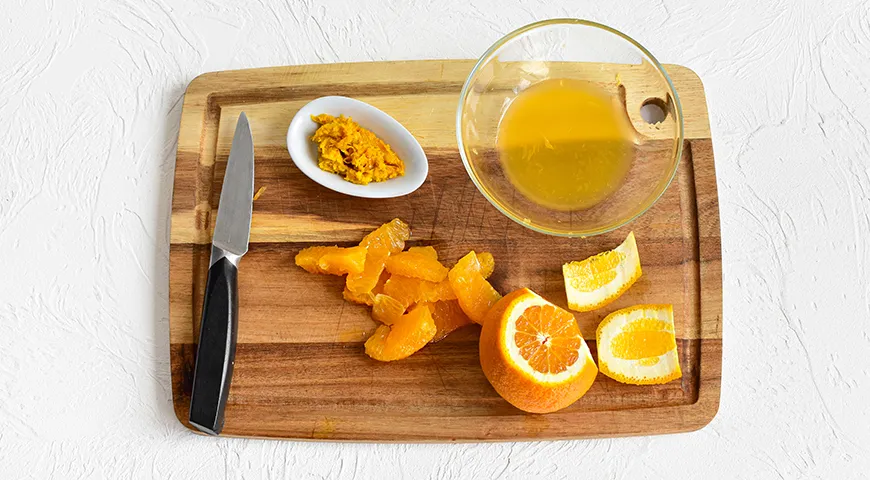
Thoroughly wash the oranges with a stiff brush under hot water to remove any wax or residue. Using a fine Microplane or zester, remove 1 tablespoon of zest (about 1 orange‘s worth). Be careful not to take the bitter white pith. Peel the oranges completely, then use a sharp knife to cut out the segments from the membranes, working over a small bowl to catch the juices. Remove any seeds. Set the orange flesh and juice aside, along with the zest.
Step 2: Trim and Cut the Rhubarb
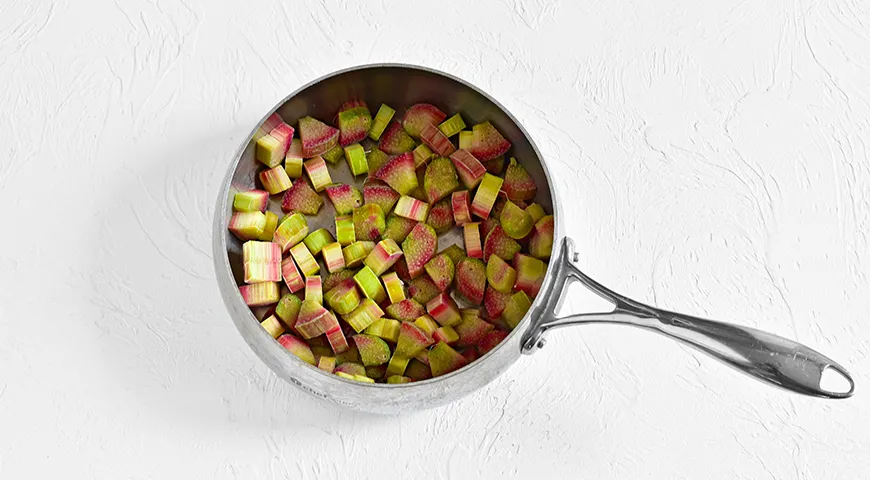
Wash the rhubarb stalks and pat them dry. Using a small paring knife, peel away the tough outer skin – start at either end, it doesn‘t matter. Slice the stalks into pieces about 0.7–1 cm long. Place them in a large, heavy-bottomed pot (enamel or stainless steel works best, as rhubarb can react with aluminium).
Step 3: Macerate the Fruit
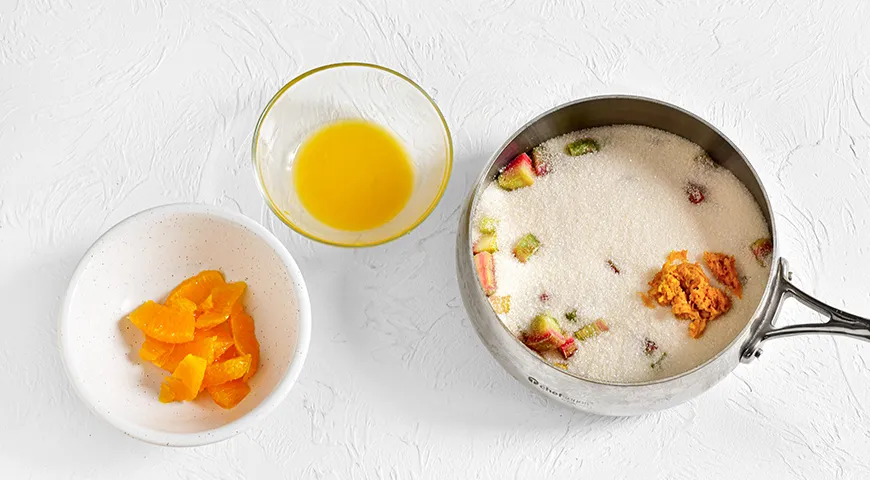
Add the sugar and orange zest to the pot with rhubarb. Gently stir to combine, then let the mixture stand for 2 hours at room temperature. During this time, the rhubarb will exude its juices, creating a liquid that will dissolve the sugar. The maceration step softens the rhubarb and draws out natural pectin.
Step 4: Add Oranges and First Boil
After 2 hours, stir in the orange segments and the reserved orange juice. Place the pot over high heat and bring to a rolling boil. Once boiling, reduce the heat to medium and skim off the foam that rises to the surface – a small slotted spoon or fine-mesh sieve works perfectly. Boil for exactly 3 minutes, then remove the pot from the heat and let it cool for 3 hours.
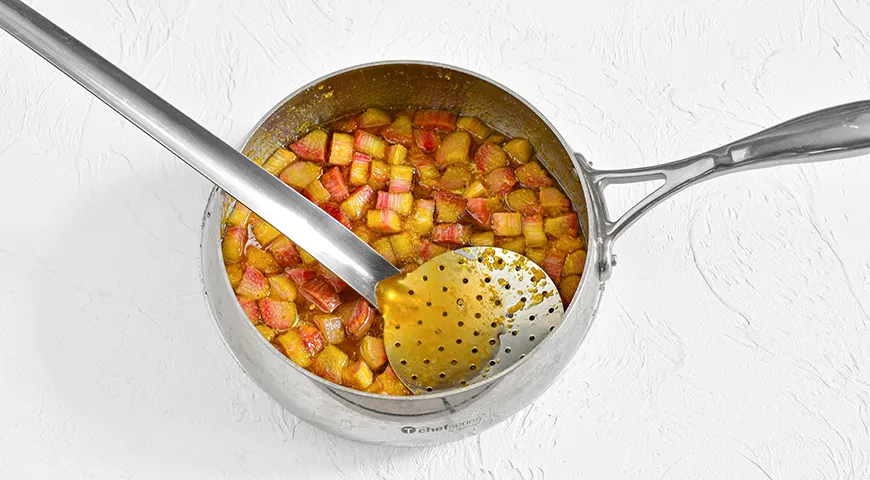
Step 5: Second Boil
Return the cooled pot to the stove. Bring it up to a boil again, then reduce heat and cook for 15 minutes, stirring occasionally with a wooden spatula to prevent sticking. The jam will thicken and colour deepens. You can test the set by placing a small amount on a chilled plate – if it wrinkles when pushed, it‘s ready.
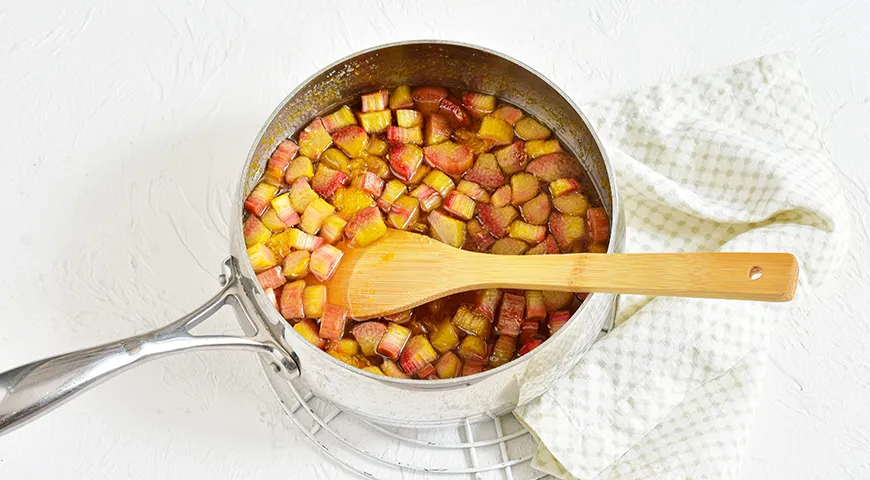
Step 6: Jar and Invert
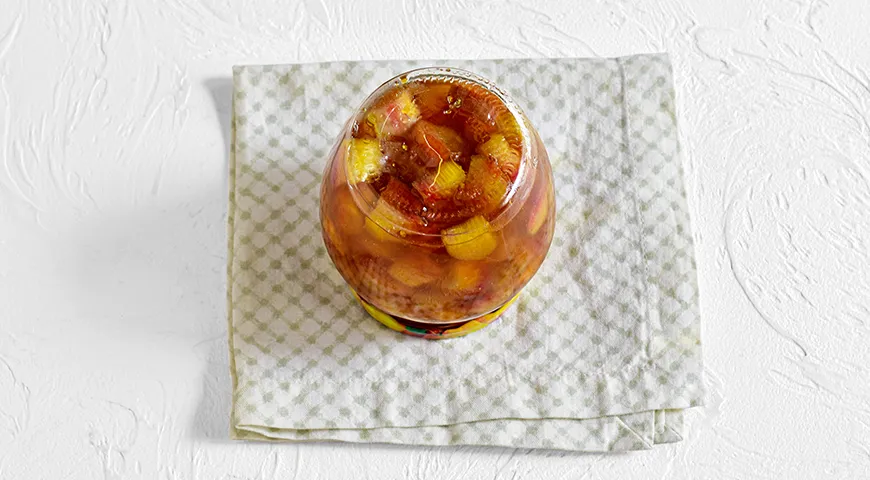
Ladle the hot jam into sterilised jars, leaving about 0.5 cm headspace. Wipe rims clean, then seal with lids. Invert the jars onto their lids and let them cool completely. This creates a vacuum seal and prevents condensation from spoiling the preserve. For reliable canning equipment, see our review of best steam canner.
Tips for Perfect Rhubarb and Orange Jam
- Use young rhubarb: Early-season stalks are more tender and less stringy. If you have very thick stalks, peel them thoroughly.
- Don‘t skip the foam: Skimming foam ensures a clear, bright jam. The foam can be saved and used as a syrup.
- Sterilise jars properly: Wash jars in hot soapy water, then heat them in a 120°C oven for 15 minutes. Lids should be boiled for 5 minutes.
- Test the set: Before jarring, freeze a small plate and drop a spoonful of jam on it. If it sets after 30 seconds, it’s ready.
- Store in a cool, dark place: Unopened jars keep for up to a year. Once opened, refrigerate and use within 3 months.
For more kitchen advice, check out best refrigerant leak detector if your fridge doubles as a pantry, or best 48-inch built-in refrigerator for ample storage.
Variations to Try
- Lemon Twist: Replace one orange with a large lemon – the higher acidity brightens the jam.
- Ginger Kick: Add 2–3 tablespoons of freshly grated ginger along with the oranges. Ginger pairs beautifully with rhubarb.
- Vanilla Bean: Split one vanilla pod and scrape seeds into the pot during the second boil. Remove pod before jarring.
- Spiced: Add a cinnamon stick, star anise, or a pinch of cardamom during the first boil. Remove spices before potting.
- Low-Sugar Option: Use a low-methoxyl pectin and 700 g sugar – the texture will be softer but still delicious. See our guide on best non-toxic immersion blender for pureeing the mix if desired.
For other fruity preserves, explore our Catalan sponge cake recipe that pairs perfectly with this jam, or learn more about best organic vodka for a boozy twist.
FAQ
Can I use frozen rhubarb?
Yes, but thaw it first and drain excess liquid. Reduce the maceration time to 1 hour. Frozen rhubarb may have slightly less pectin, so the jam may be a bit looser.
Why did my jam turn out too runny?
Under-cooking is the most common cause. Ensure you reach the gel point – a thermometer reading 104–105°C (220°F) or the wrinkle test. You can reboil the jam with a tablespoon of lemon juice to boost pectin.
Can I reduce the sugar?
Rhubarb is very tart; sugar balances it and aids preservation. Reducing sugar beyond 700 g may require commercial pectin and shorter storage life. Check our review of best microwave pressure cooker for quick small batches.
How long does the jam keep?
Properly sealed and stored, it keeps up to 12 months. After opening, refrigerate and consume within 3 months. If mould appears, discard the entire jar.
Can I can this jam in a water bath?
Absolutely. Process filled jars in a boiling water bath for 10 minutes (adjust for altitude). This ensures a shelf-stable preserve. For equipment recommendations, see best steam canner.
What if my jam crystallises?
Grainy texture often comes from undissolved sugar. Always stir gently during maceration and avoid vigorous stirring after sugar dissolves. Adding a teaspoon of lemon juice can help.
Can I add other fruits?
Strawberries, raspberries, or apples work well. Reduce rhubarb by half and add an equal weight of the chosen fruit. The cooking time may need adjustment.
For more kitchen tools, explore best planetary mixer for mixing large batches, best air fryer non-toxic for healthier cooking, best undercounter ice maker machine for ice for iced tea, and best espresso machine under 2000 for your morning brew.
This rhubarb and orange jam is a celebration of seasonal produce and thoughtful technique. With its ruby glow and complex sweet-tart flavour, it‘s sure to become a pantry staple. Happy preserving!







