


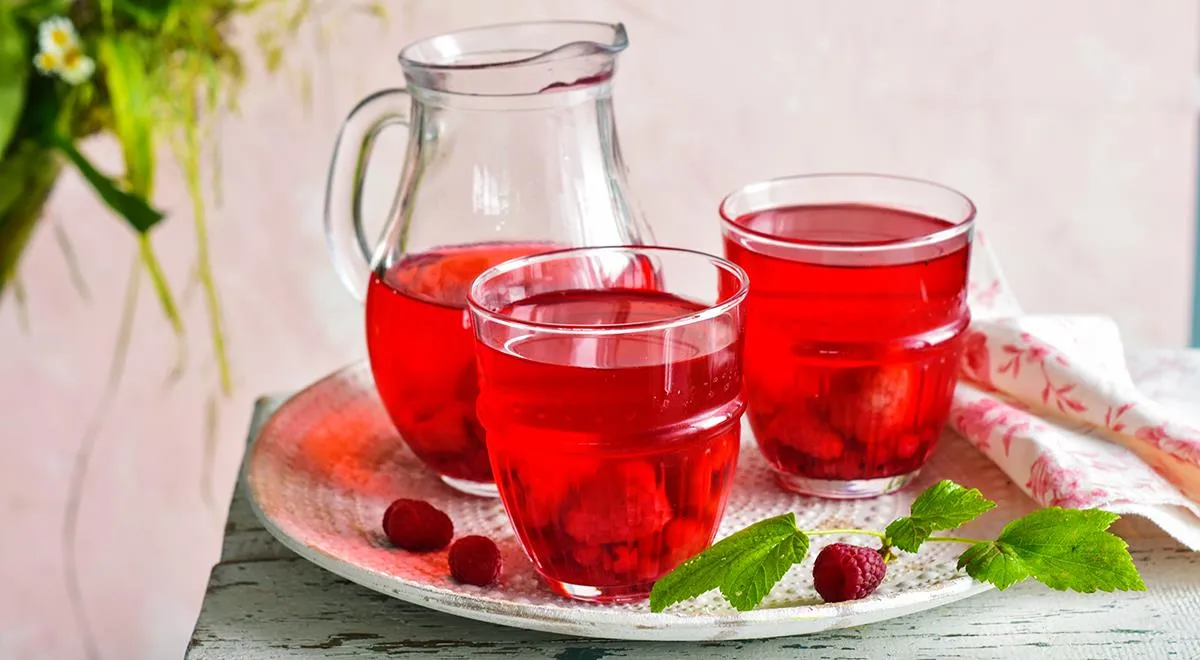
There is something deeply satisfying about capturing the peak of summer in a jar—a crimson fusion of tart red currants and sweet raspberries suspended in a luminous syrup. This Raspberry and Red Currant Winter Compote recipe is a time-honored Russian tradition, transforming a handful of berries into a pantry treasure that brightens the darkest months. With careful sterilization and a simple sugar syrup, you create a versatile base for desserts, cocktails, or a comforting drink straight from the glass. Whether you are a seasoned preserver or a curious beginner, this compote rewards patience with a burst of bright acidity and floral sweetness that rivals any store-bought version.
About This Compote
Winter compotes, or kompot, are pillars of Slavic home canning. Unlike jam, compote retains the berries’ shape and a lighter consistency, making it ideal for sipping warm by the fire or chilling for festive gatherings. Red currants provide a natural pectin boost and a tangy counterpoint to the raspberries’ honeyed notes. This recipe echoes the one from Gastronom.ru, adapted with mindful techniques and a nod to modern steam canning methods for safety and ease.

Ingredients
- Red currants – 400 g
- Raspberries – 300 g
- Granulated sugar – 300 g
- Drinking water – 2.6 L
Note: All quantities are metric. Use ripe but firm berries for the best texture. For scaling, a food processor can help if you need to crush a few raspberries for a smoother syrup, though whole berries are traditional.
Step-by-Step
Step 1: Sterilize the Jar and Lids
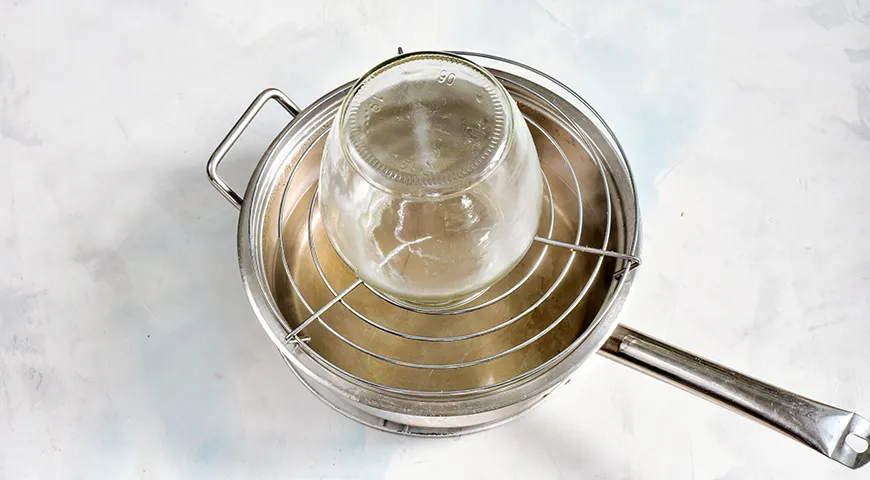
Begin by preparing the jar. Wash it thoroughly with a degreasing agent—baking soda works beautifully—and rinse well. Sterilize the jar using your preferred method: oven, boiling water, or a microwave pressure cooker saves time. Boil the lids for five minutes. This step ensures a shelf-stable compote free from spoilage.
Step 2: Prepare the Raspberries
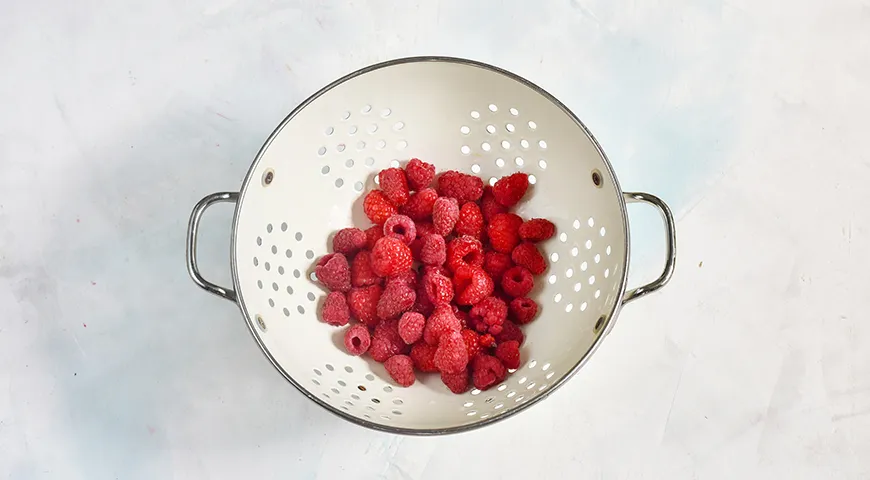
Gently wash the raspberries under cold running water, then spread them on paper towels to dry. Remove any remaining stems. Fill a large pot with lightly salted water and submerge the raspberries for 15 minutes—this forces any hidden insects to surface. Use a slotted spoon to skim them off, then transfer the berries to a colander and rinse again. Pat dry.
Step 3: Prepare the Red Currants
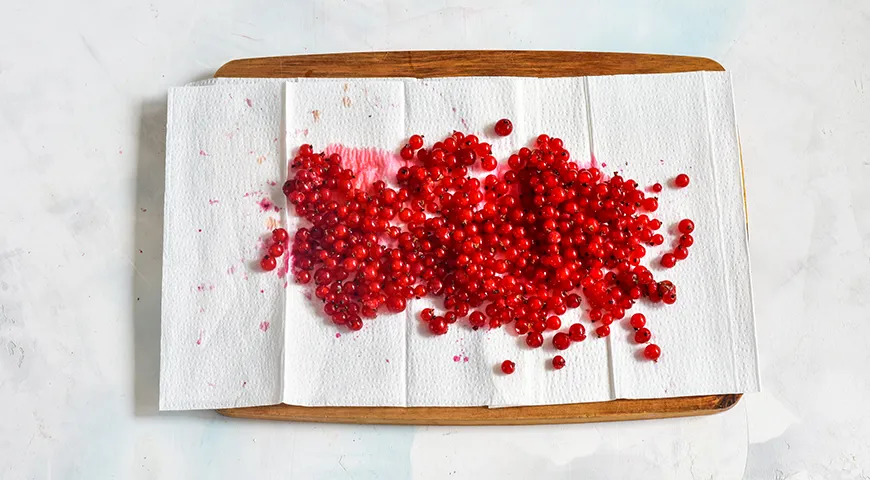
Sort the red currants, discarding any bruised or damaged berries and removing all stems and leaves. Rinse the currants under cold water, then dry them on two or three layers of paper towels. For an even faster process, a wheatgrass juicer could extract juice, but whole currants are preferred for compote texture.
Step 4: Cook the Syrup
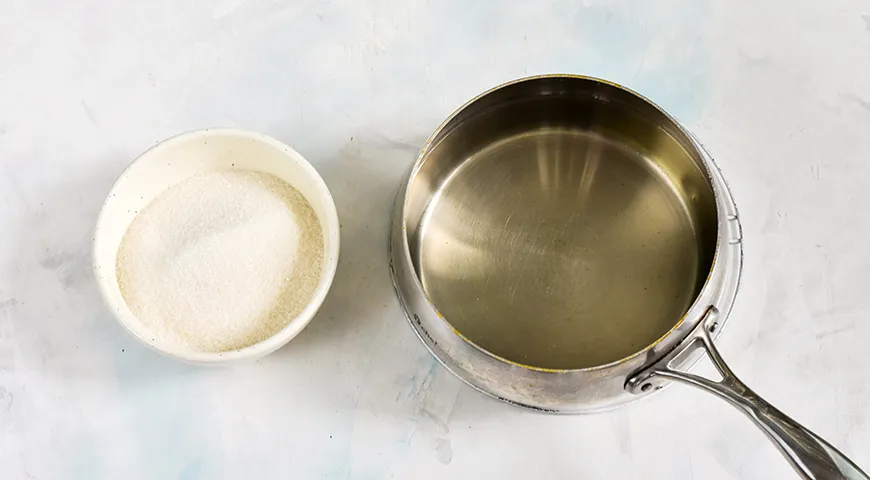
In a large saucepan, combine the sugar and drinking water. Place over high heat and stir constantly until the sugar dissolves. Bring to a rolling boil and let it boil for three minutes. This simple syrup is the backbone of your compote; its clarity depends on avoiding splashes, so non-toxic immersion blenders are not needed here, but a long-handled spoon is essential.
Step 5: Fill the Jar
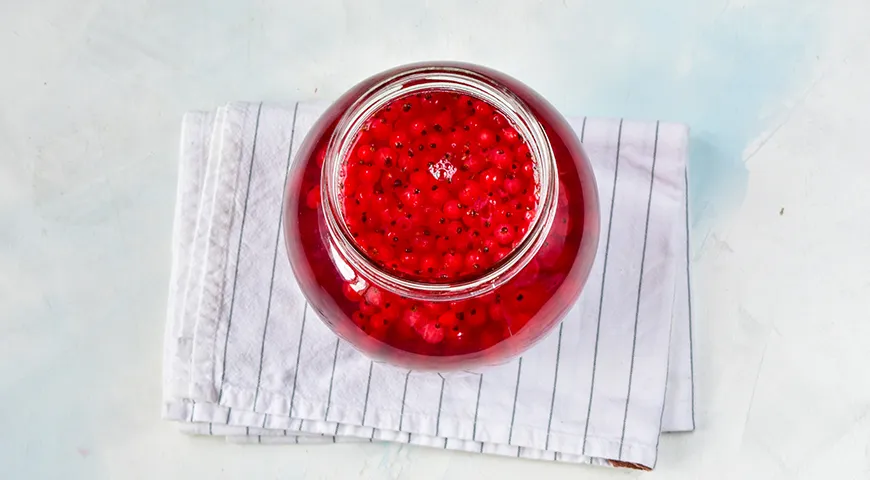
Place the sterilized jar on a folded towel to protect it from thermal shock. Use a wide funnel to add the red currants and raspberries. Slowly pour about half the hot syrup into the jar, tilting it gently to release air bubbles. Then add the remaining syrup, leaving about 1 cm headspace.
Step 6: Seal and Cool
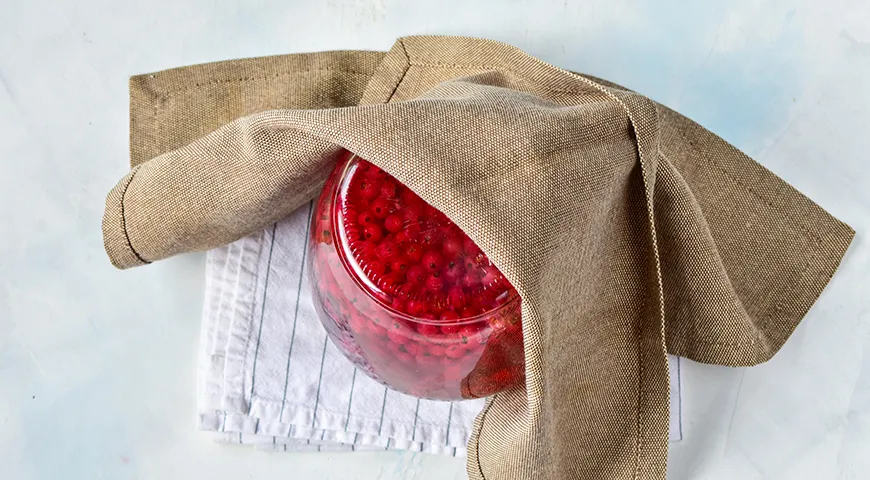
Wipe the jar rim clean, place the lid on top, and seal firmly. Invert the jar onto a folded towel, then wrap it in a warm blanket or thick kitchen cloth. Leave undisturbed until completely cool—this slow cooling creates a proper vacuum seal. Once cool, store in a cool, dark place. For long-term storage, a built-in refrigerator is ideal, but a pantry works too.
Tips for Perfect Compote
- Choose quality berries: Use ripe but not overripe fruit. A non-toxic air fryer can dehydrate leftover berries for a future snack, but compote requires fresh or frozen.
- Adjust sweetness: The 300 g sugar balances the currants’ tartness. For a lower‑sugar compote, reduce to 250 g and add a little organic vodka as a natural preservative.
- Sterilization doesn’t end with boiling: Inverting the jar after sealing ensures a tight vacuum. If you hear a popping sound while it cools, you’ve succeeded.
- Experiment with spices: A cinnamon stick or a few cloves added to the syrup infuses a festive aroma. A commercial convection oven can toast spices before adding.
Variations
- Berry medley: Substitute half the currants with blackberries or sour cherries for a deeper color. Use a undercounter ice maker to chill servings quickly.
- Spiced syrup: Add whole star anise and a vanilla pod during the syrup boil. Remove before jarring. This pairs beautifully with a high‑end espresso machine for a compote‑topped affogato.
- Low‑sugar compote: Use 200 g sugar and a splash of castor oil??—no, better omit; instead rely on the fruit’s natural sweetness. For a healthier twist, sweeten with stevia after opening.
- Alcoholic kick: Add 50 ml of organic vodka to the syrup before sealing. This boosts shelf life and adds sophistication when served over ice.
FAQ
Can I use frozen berries?
Yes. Thaw them completely and drain excess liquid before adding to the jar. Frozen fruit may release more juice, so reduce the syrup by 100 ml. A food processor can blend frozen berries into a puree for a smoother compote.
How long does the compote keep?
Properly sealed and stored in a cool, dark place (ideally below 20°C), this compote lasts up to 12 months. Once opened, refrigerate and consume within 5–7 days. A built-in refrigerator maintains optimal temperature.
Why did my compote ferment?
Fermentation usually results from insufficient sterilization or a poor seal. Always boil jars and lids thoroughly, invert immediately after sealing, and check for bubbles. Using a steam canner ensures even heating.
Can I reduce the sugar?
Yes, but the compote may spoil more quickly. Lower sugar (to about 200 g) works if you refrigerate and consume within one month. Adding a natural preservative like organic vodka extends life.
How do I serve raspberry‑currant compote?
Chill and drink as a refreshing beverage, dilute with sparkling water for a spritzer, or spoon over pancakes, ice cream, or yogurt. It also makes an elegant base for cocktails—try a dash of chocolate‑covered raisins on the rim for a sweet contrast.
Can I reuse the syrup for other preserves?
Absolutely. The leftover syrup from cooked compote (if you don’t seal it) can be used to sweeten tea or poach fruit. Store it in a microwave pressure cooker for easy reheating.
Preserving the Taste of Summer
This Raspberry and Red Currant Winter Compote is more than a recipe—it is a ritual. The interplay of ruby currants and delicate raspberries in a transparent syrup captures the season’s fleeting bounty. With each jar you open, you unlock a memory of sun-warmed berries and the quiet satisfaction of mastering an ancient craft. Whether you enjoy it as a cold elixir on a snow day or a warm remedy for winter blues, this compote is a testament to the power of simple ingredients treated with care. For best results, invest in quality tools: a undercounter ice maker for service or a coffee maker for a compote‑inspired latte—the possibilities are endless.







