


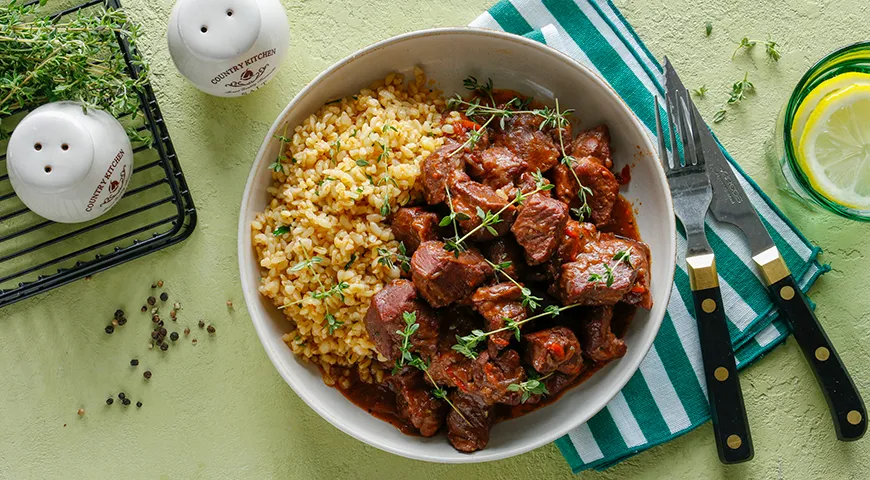
There is a quiet magic in a dish that transforms humble ingredients into something extraordinary. Pork braised in red wine—svinina tushennaja v krasnom vine—is one such recipe. With its deep burgundy hue and layers of savory, fruity, and subtly smoky flavors, this Russian classic captures the essence of slow cooking. The meat becomes tender enough to fall apart, while the wine reduces into a luscious sauce that clings to every cube. It’s the kind of meal that feels both rustic and refined, perfect for a cozy dinner or an impressive gathering.
About Pork Braised in Red Wine
Braising pork in red wine is a technique rooted in European culinary tradition, but this Russian interpretation adds a distinctive twist. Here, the wine not only tenderizes the meat but also imparts a striking color that immediately catches the eye. The addition of sweet bell pepper and a generous pinch of smoked paprika introduces a gentle warmth, while garlic and onion build a savory backbone. The result is a dish that is deeply satisfying, complex, and anything but ordinary. For more inspiration on creating meals with bold flavors, explore our guide to pairing spirits with hearty stews.

Ingredients
- Pork shoulder (boneless) – 800 g
- Yellow onions – 300 g (about 2 medium)
- Garlic – 3 cloves
- Red bell pepper – 1 large
- Vegetable oil – 3 tablespoons
- Dry red wine (e.g., Cabernet Sauvignon or Merlot) – 500 ml
- Ground paprika – 1 teaspoon (smoked, if available)
- Freshly ground black pepper – to taste
- Salt – to taste
- Dried herb mix (optional, such as thyme, rosemary, oregano) – 1 teaspoon
Using quality ingredients is key. For tips on selecting the best wine for cooking, check our recommendations on sweet wines with high alcohol content.
Step-by-Step Instructions
Step 1: Prepare the Meat and Vegetables
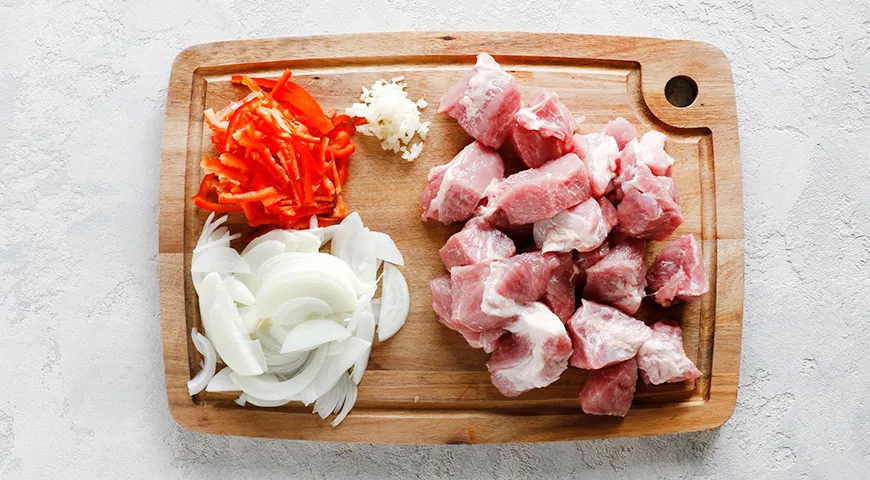
Wash the pork and pat it thoroughly dry with paper towels. Cut into cubes of about 3x3 cm (1.2 inches). Peel the onions and slice into half-rings. Peel two garlic cloves and chop finely. Remove seeds and membranes from the red bell pepper and cut into thin strips. Having the right tools makes prep easier—consider our recommendations for the best glass food processor bowls to handle chopping quickly.
Step 2: Sauté the Aromatics
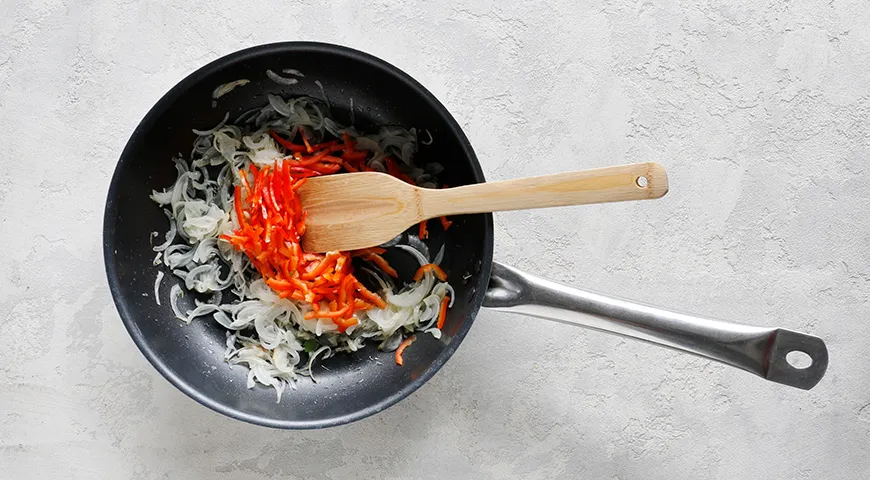
In a large deep skillet or Dutch oven, heat the vegetable oil over medium heat. Add the onions and chopped garlic. Sauté, stirring occasionally, for about 5 minutes until the onions become translucent. Then add the bell pepper strips and cook another 3 minutes. The aroma will be intoxicating. A high-quality skillet ensures even heating; see our tips on using an oil sprayer for even coating.
Step 3: Brown the Pork
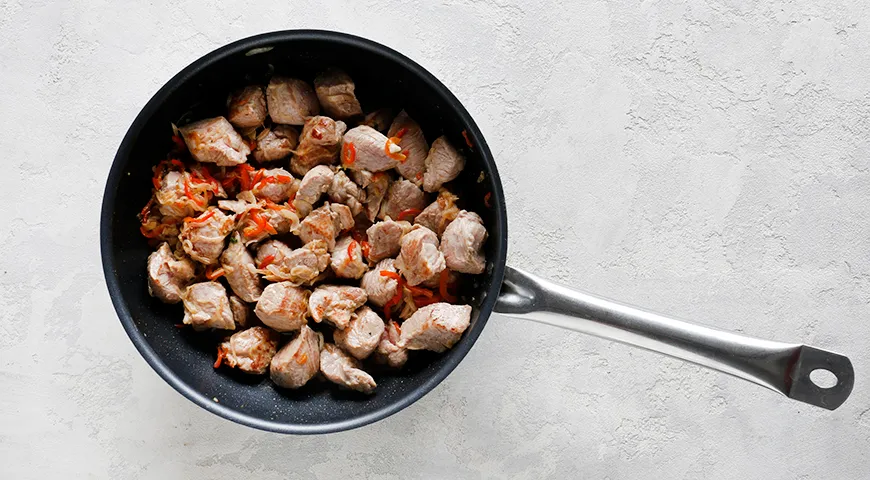
Add the cubed pork to the skillet with the vegetables. Sear over medium heat, turning the pieces occasionally, until they develop a deep golden-brown crust on all sides. This step is crucial for flavor—the caramelization creates the base for the sauce. Be careful not to burn the fond; if needed, lower the heat slightly. Using a non-toxic immersion blender later can help puree any sauce if desired.
Step 4: Deglaze with Wine
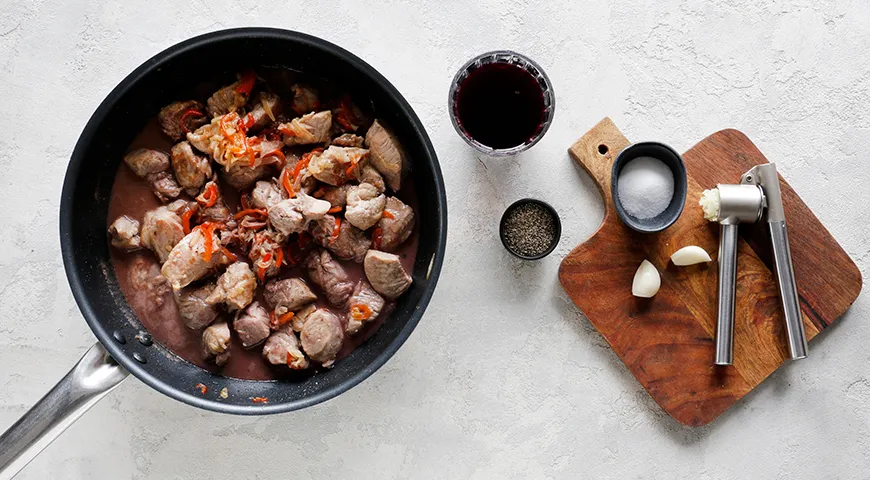
Pour the entire bottle of red wine into the skillet. Increase the heat to high and bring to a boil. As it bubbles, scrape up any browned bits from the bottom. Season with salt and pepper. Press the remaining garlic clove through a garlic press and stir it in. Let the liquid come to a vigorous boil for a minute. For a perfectly even temperature, consider using a refrigerant leak detector to ensure your stove is working efficiently.
Step 5: Simmer to Perfection
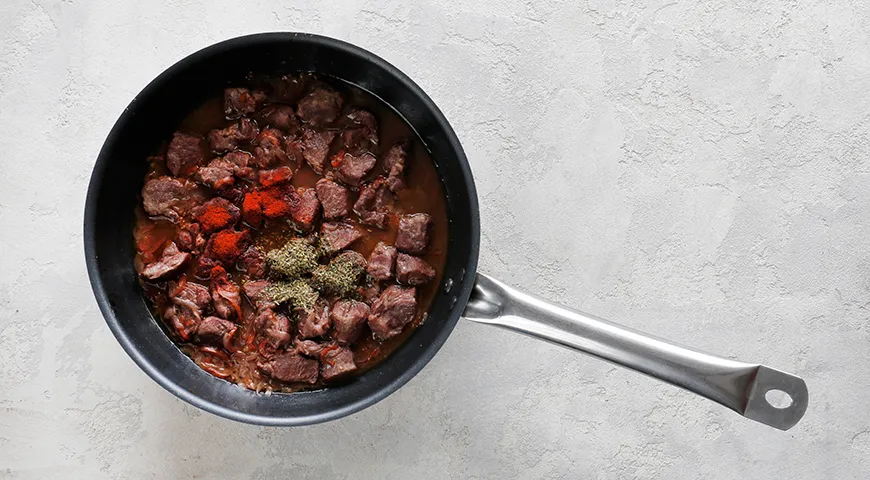
Reduce the heat to low. Cover the skillet partially and let the pork braise gently for 40 minutes. The wine will mellow and the meat will become incredibly tender. After 40 minutes, stir in the ground paprika (and the dried herb mix, if using). Continue to cook uncovered for another 10 minutes to thicken the sauce. Taste and adjust seasoning. Serve over mashed potatoes, polenta, or crusty bread to soak up the juices. For more serving ideas, browse our Catalan sponge cake recipe for a dessert pairing.
Tips for the Perfect Braised Pork
- Use a heavy-bottomed pot to avoid scorching; a commercial countertop convection oven can also yield consistent results.
- Let the meat rest at room temperature 20 minutes before cooking for even searing.
- Smoked paprika truly elevates the dish—don’t skip it.
- If the sauce seems too thin after braising, remove the meat and reduce the liquid over high heat.
- Make it a day ahead; the flavors deepen overnight.
Variations to Try
Swap the pork for beef or lamb for a different character. Add mushrooms or root vegetables like carrots and parsnips during the last 20 minutes. For a spicy kick, include a pinch of chili flakes. If you prefer a sweeter note, use a fruity red wine like Merlot. For more inspiration, read our review of planetary mixers for making dough to accompany the stew.
Frequently Asked Questions
Can I use white wine instead of red?
White wine will change the color and flavor significantly. Stick with dry red wine for the characteristic deep burgundy color and richness. If you only have white, try our guide to juicing for alternative drink pairings.
How do I store leftovers?
Store in an airtight container in the refrigerator for up to 4 days. Reheat gently on the stove. You can also freeze for up to 3 months.
What can I serve with this dish?
Mashed potatoes, creamy polenta, egg noodles, or crusty bread are all excellent choices. For a lighter side, steamed green beans or a simple salad work well. Consider using a microwave pressure cooker to speed up side dish prep.
Is it possible to make this in a slow cooker?
Yes. After browning the meat and vegetables on the stove, transfer everything to a slow cooker. Add the wine and cook on low for 6–8 hours. Add the paprika and herbs in the last 30 minutes.
Can I use frozen pork?
Thaw completely first. Patting it dry is even more important when using frozen meat, as excess moisture hinders browning. A best undercounter ice maker might be handy for drinks, but not for this step!
Final Thoughts
This pork braised in red wine is a testament to the beauty of slow cooking. Each step builds upon the last, creating a dish that is greater than the sum of its parts. Whether you serve it for a special occasion or a quiet weeknight dinner, it delivers comfort and elegance in every bite. For more recipes and kitchen inspiration, explore our guide to non-toxic air fryers and other articles on Walfos Brand.







