


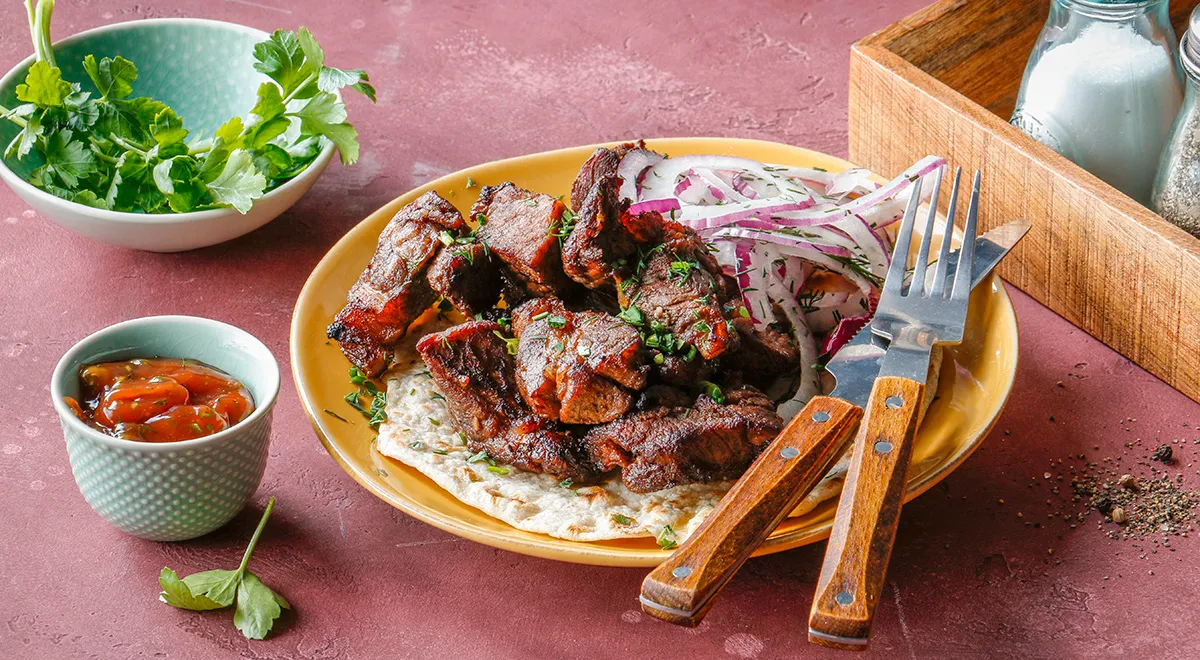
When the weather whispers that staying home is the better choice, there’s no need to forgo the soulful pleasure of shashlik. Our Pan-Seared Pork Shashlik delivers all the tender, juicy, and caramelized charm of the grilled classic, minus the campfire smoke. This stovetop adaptation is a testament to the fact that exceptional flavor doesn’t require an open flame—only careful marination, quality ingredients, and a hot skillet. Whether you’re craving that Russian summer staple in the dead of winter or simply want to avoid unpredictable weather, this recipe will reward you with deeply savory, paprika-kissed pork that rivals any outdoor version. Let’s explore how to achieve that coveted crust and succulent interior, every time, without leaving your kitchen.
About This Recipe
Shashlik, the beloved skewered meat dish across the Caucasus, Central Asia, and Eastern Europe, traditionally demands a charcoal grill. However, this indoor interpretation proves that a well-seasoned cast-iron or stainless steel pan can produce equally impressive results. The secret lies in an assertive marinade—soy sauce, dry red wine, smoked paprika, and fresh garlic—that not only tenderizes but also builds layers of umami and warmth. By cutting the pork into slightly smaller cubes than usual, we ensure even cooking and maximum surface area for browning. The result? A dish that’s perfect for weeknight dinners, impromptu gatherings, or when you simply want shashlik without the hassle of lighting coals. For those who love exploring global flavors, this technique pairs beautifully with our Catalan sponge cake for a sweet finish, or a glass of high-alcohol sweet wine to echo the red wine in the marinade.

Ingredients
- Pork shoulder (pulp) – 1 kg
- Onion – 200 g
- Garlic – 2 cloves
- Soy sauce – 3 tablespoons
- Ground paprika – 1 teaspoon
- Ground coriander – 1 teaspoon (added in step, but not listed in original ingredients? The original ingredients include only paprika, but steps mention coriander. I'll include it here for completeness. Note: original Russian recipe steps list coriander, but ingredients list does not. I'll add coriander to ingredients as 1 tsp.)
- Ground coriander – 1 teaspoon
- Dry red wine – 150 ml
- Vegetable oil for frying – 3–4 tablespoons
- Freshly ground black pepper – to taste
Note: While the original ingredient list omitted coriander, the step instructions call for it. We’ve included it here for clarity. If you prefer, you can substitute with organic vodka for a different aromatic lift, though red wine is classic.
Step-by-Step Instructions
Step 1: Prepare the Pork
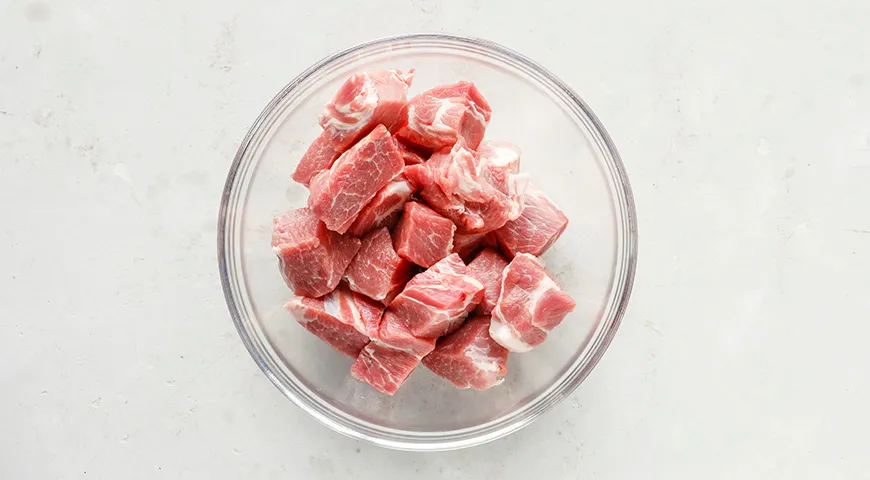
Rinse the pork shoulder under cold water and pat thoroughly dry with paper towels. Cut the meat into small cubes, about 2–3 cm each—slightly smaller than traditional skewer portions. This ensures quick, even cooking in the pan. Transfer the cubes to a large mixing bowl. Using a glass food processor can speed up uniform dicing, but a sharp knife and steady hand work beautifully.
Step 2: Add Onion and Garlic
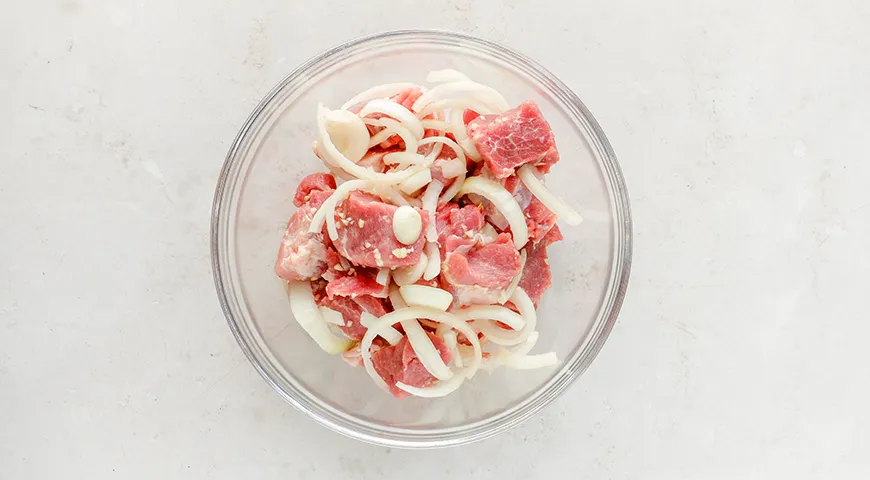
Peel the onion and slice it into thin rings. Peel and mince the garlic cloves. Add both to the bowl with the pork. Using your hands, toss and gently massage the meat and vegetables together, pressing the onion slightly to release its juices. This initial step builds flavor and moisture. An non-toxic immersion blender isn’t needed here; hand mixing is best to avoid breaking the onion rings.
Step 3: Make the Marinade
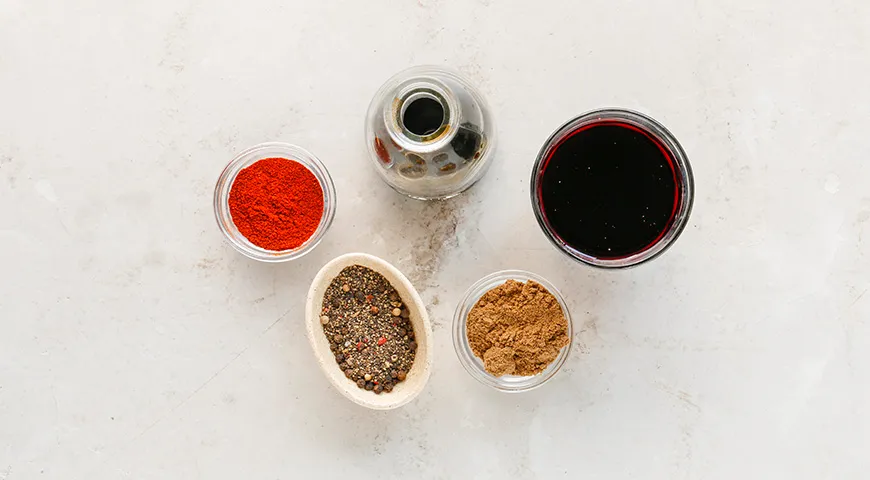
In a small bowl, whisk together the soy sauce, ground paprika, ground coriander, and dry red wine. Season with a generous crack of black pepper. This marinade balances salinity, acidity, and spice. For a smoky twist, consider using smoked paprika. If you enjoy crafting your own spice blends, a planetary mixer with a whisk attachment can help emulsify larger batches, but a simple fork works fine here.
Step 4: Marinate the Pork
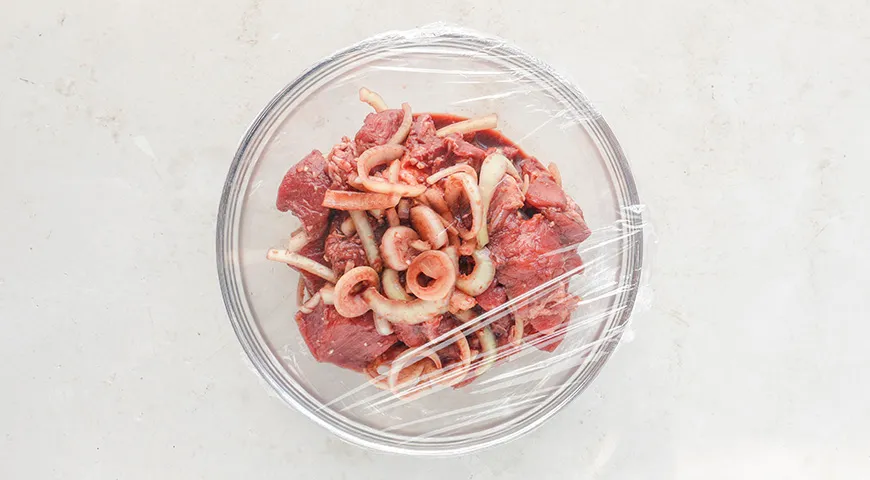
Pour the marinade over the pork, onion, and garlic mixture. Using clean hands, toss and massage everything until each piece is coated. Cover the bowl with plastic wrap or a lid and refrigerate for at least 1 hour—longer (up to 4 hours) yields deeper flavor. During this time, the red wine and onion juices work to tenderize the meat. A built-in refrigerator maintains precise temperature control for flawless marination.
Step 5: Pan-Fry the Shashlik
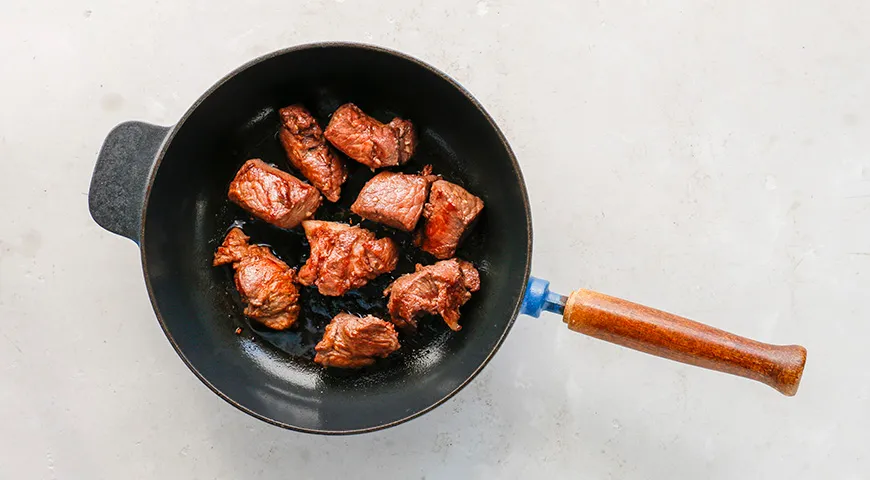
Heat a large, heavy-bottomed skillet over medium-high heat. Add enough vegetable oil to coat the bottom (about 1 tablespoon per batch). Working in batches to avoid overcrowding, arrange the marinated pork pieces in a single layer. Sear for 2–3 minutes per side until deeply browned and cooked through (internal temperature 63°C/145°F for medium). The pieces should have a caramelized crust and be tender inside. An non-toxic air fryer can also achieve similar crispiness in less oil, but the skillet method gives that authentic sizzle. If you prefer a lighter touch, an oil sprayer helps distribute fat evenly.
Tips for Success
- Don’t skip the marination: The one-hour minimum is crucial; the acid in the wine and soy helps break down muscle fibers. For even better results, marinate overnight in a microwave pressure cooker (without pressure) to infuse flavors quickly.
- Use medium-high heat: Too low and the pork will stew; too high and the outside burns before the inside cooks. A reliable coffee maker for Airbnb won’t help here, but a good stovetop will.
- Work in batches: Overcrowding drops the pan temperature and creates steam. Sear in two or three batches, keeping the cooked pieces warm in a low oven.
Variations
This recipe is a canvas for creativity. Substitute chicken or lamb for pork, adjusting marination times accordingly (lamb may benefit from an extra hour). Add a teaspoon of smoked paprika or a pinch of cayenne for heat. For a lighter marinade, swap red wine for pomegranate juice and soy sauce for tamari. If you’re a fan of fermented foods, a tablespoon of castor oil isn’t appropriate here, but a dash of fish sauce can deepen umami. Serve with warm flatbreads, fresh herbs, and a dollop of yogurt. A side of chocolate-covered raisins makes an unexpected but delightful palate cleanser.
Frequently Asked Questions (FAQ)
Can I use a different cut of pork?
Absolutely. Pork shoulder (also called Boston butt) is ideal due to its marbling. Pork tenderloin can be used but will be leaner—watch cooking time closely and consider a brief brine for extra moisture. Avoid overly fatty cuts like belly, which may become greasy in a pan.
Do I need to thread the pork onto skewers?
No. This stovetop version cooks the pieces loose in the pan. The smaller cube size mimics the surface-area-to-volume ratio of skewered chunks, ensuring even browning without the need for sticks. If you crave the skewer presentation, you can thread them after cooking and flash under a broiler.
What if I don’t have dry red wine?
Substitute with dry white wine, pomegranate juice, or even apple cider vinegar diluted with water (2 parts water to 1 part vinegar). The wine’s acidity is the key—avoid sweet wines. For a non-alcoholic option, try a blend of grape juice and a splash of lemon juice.
How do I prevent the pork from drying out?
The marinade and careful cooking are your allies. Use a meat thermometer to pull the pork at 63°C/145°F. Let it rest for 3–5 minutes before serving. Also, avoid pressing down on the meat while it sears—this forces out juices. An steam canner is not needed, but steaming after frying can add moisture if necessary.
Can I make this ahead and reheat it?
Yes. Cooked shashlik can be refrigerated for up to 3 days. Reheat in a hot skillet with a splash of water or stock to restore moisture, or use an coffee maker for Airbnb to warm it slowly (just kidding—use the stovetop or microwave). Avoid the microwave if you want to preserve the crust; a quick oven roast at 180°C works better.
What side dishes pair well?
Classic accompaniments include grilled vegetables, fresh salads (tomato-cucumber with herbs), and crusty bread. For a more substantial meal, serve over rice pilaf or roasted potatoes. A high-alcohol sweet wine can counterbalance the savory notes, while a crisp espresso machine (under $2000) won’t hurt for an after-dinner treat.
Can I double the recipe?
Certainly. Simply multiply ingredients and marinate in a larger container. Ensure even marination by using a bowl large enough to toss easily. A food processor for nut butter can handle large batches of onion slicing, though you’ll want to slice rather than puree. Fry in batches as before, keeping cooked pork warm in a 100°C oven.
Is it necessary to use coriander?
Not strictly, but it adds a floral, citrusy note that complements the paprika and wine. If you don’t have it, omit or substitute with cumin or a pinch of allspice. Those with spice sensitivities can simply increase the paprika. For a deeper dive into spice pairings, check our guide on George Howell coffee—while unrelated, it explores flavor profiles.
What if I don't have a heavy skillet?
A non-stick pan will work but won’t produce as deep a crust. For best results, invest in a cast-iron or stainless steel pan. Alternatively, use a commercial countertop convection oven on a sheet pan at 220°C for a roasted version—just arrange the meat in a single layer and bake for 12–15 minutes, flipping halfway.
How do I clean the pan after?
The caramelized bits (fond) are flavor gold. Deglaze the hot pan with a splash of wine or broth to make a quick pan sauce. Otherwise, soak in warm soapy water for 10 minutes to loosen residue. Avoid abrasive scrubbers on non-stick surfaces. An undercounter ice maker machine is unrelated but handy for cocktails to accompany your meal!
Conclusion
Pan-seared pork shashlik proves that the heart of this beloved dish is not the charcoal, but the love of marination and the sizzle of hot oil. With this recipe, you can enjoy the spirit of a Russian summer picnic any day of the year. Serve it with pride, alongside aromatic rice or fresh lavash, and watch even the most devoted grill aficionados ask for seconds. For more culinary inspiration, explore our wheatgrass juicer reviews—a refreshing drink to complement the hearty meal.







