


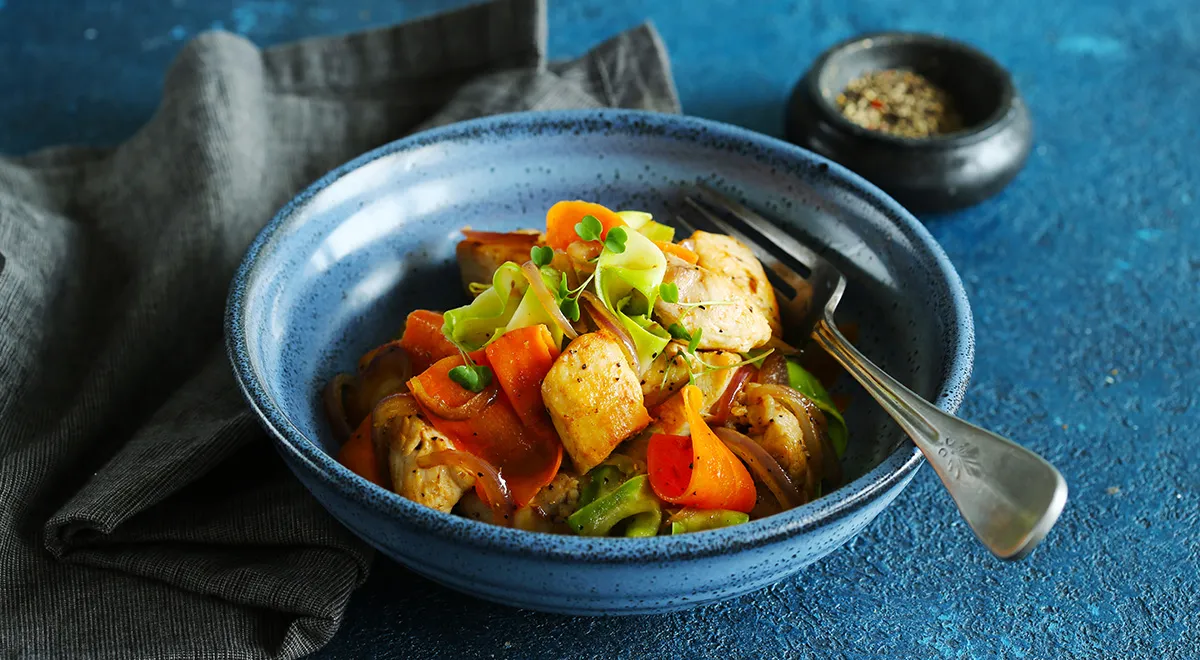
There are few pleasures in life as pure as a perfectly cooked chicken breast, golden and juicy, nestled among a riot of seasonal vegetables. This is the kind of dish that transforms a simple weeknight dinner into a celebration of freshness and technique. With just 15 minutes of active cooking, you can create a meal that feels both indulgent and virtuous—a rare combination that keeps you coming back for more. The magic lies in the high-heat sear, the quick sauté, and the aromatic whisper of cumin. Whether you are a seasoned home cook or a curious beginner, this recipe promises satisfaction without compromise.
About This Dish
Originating from the Russian culinary tradition of quick skillet dinners, this recipe showcases the versatility of chicken breast paired with whatever vegetables are at hand. The key is to cut everything into uniform pieces for even cooking, and to use a hot pan to achieve that coveted caramelisation. This technique is similar to what you would achieve with a top-tier non-toxic air fryer, but here we rely on the direct heat of a skillet. The result is a dish that is light yet satisfying, perfect for those following a balanced diet. The cumin adds an earthy warmth that complements the sweetness of carrots and the mildness of zucchini. For a deeper dive into vegetable preparation, consider using a high-performance food processor to slice vegetables into ribbons—though a simple vegetable peeler works beautifully here.

Ingredients
- 2 chicken breast fillets (300–350 g total)
- 1 small zucchini or courgette (150 g)
- 1 medium carrot (100 g)
- 1 small red onion (70 g)
- 4 cloves garlic (20 g)
- 2 tablespoons olive oil (30 g)
- 1 tablespoon unsalted butter (15 g)
- ½ teaspoon ground cumin
- Salt and freshly ground black pepper to taste
For the best results, use organic chicken and fresh, firm vegetables. The olive oil can be replaced with avocado oil if you prefer a higher smoke point. A quality oil sprayer can help control the amount of fat used. The butter adds a nutty richness that balances the acidity of the vegetables. If cumin is not your favourite, you can omit it or substitute with smoked paprika.
Step-by-Step Instructions
Step 1: Prepare the Chicken
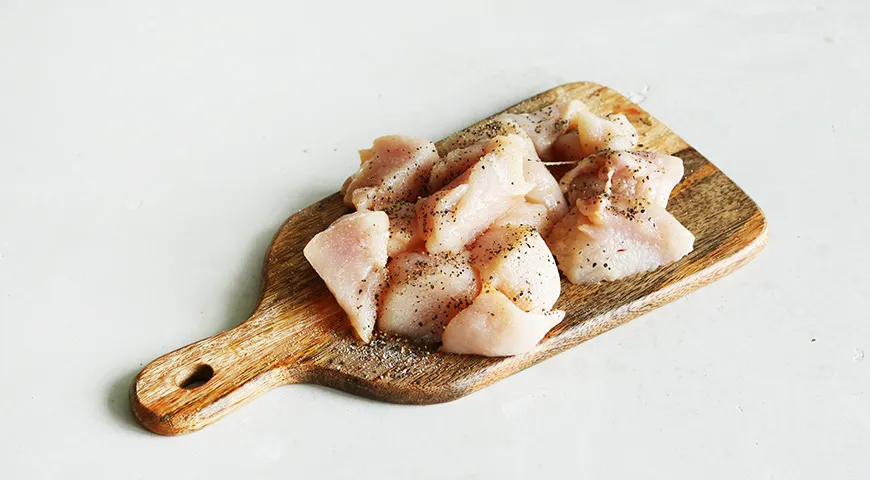
Cut the chicken breast fillets into 3 cm cubes. Season generously with salt and pepper on all sides. This ensures every bite is perfectly seasoned. For optimal knife skills, a sharp chef's knife makes the task effortless; if you prefer minced garlic or finely diced onions, a non-toxic immersion blender with a chopper attachment can speed things up.
Step 2: Slice the Vegetables
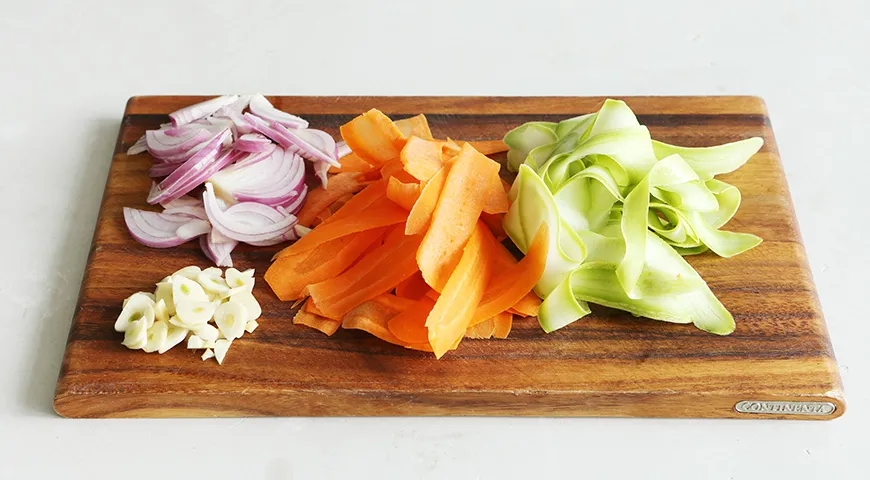
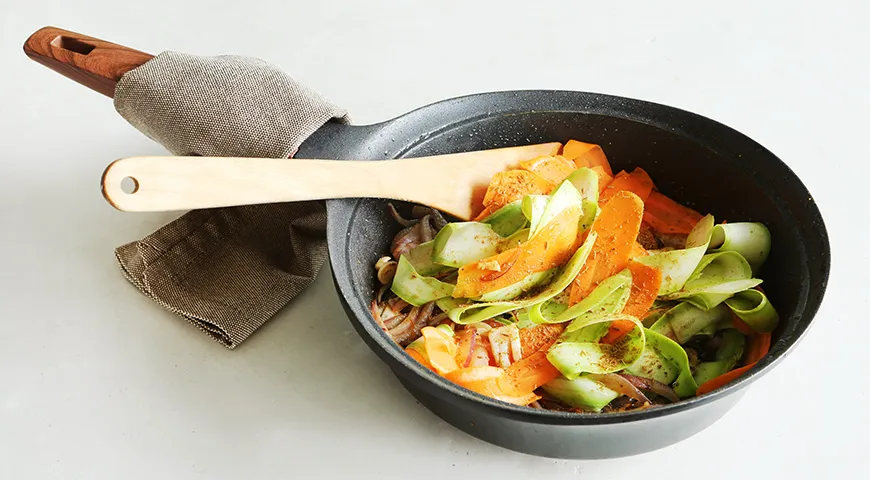
Peel and thinly slice the garlic and red onion. Using a vegetable peeler, cut the zucchini and carrot into long ribbons. This creates a delicate texture that cooks quickly and looks elegant on the plate. For a finer julienne, a glass food processor can produce uniform strips in seconds.
Step 3: Sear the Chicken
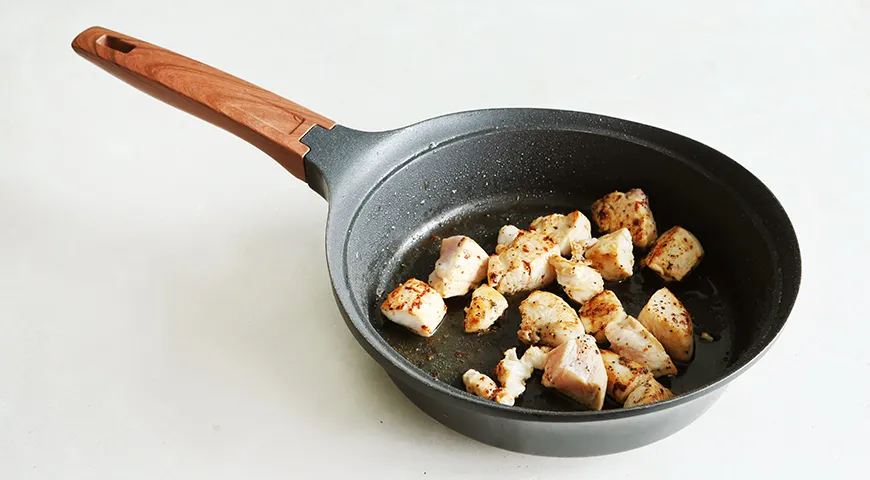
Heat the olive oil in a large skillet over high heat. Add the chicken pieces and cook for 2 minutes without moving them to develop a golden crust. Flip and cook for another minute. Using a slotted spoon, transfer the chicken to a plate. The high heat is crucial—similar to the convection setting on a commercial countertop convection oven, but here achieved on the stovetop.
Step 4: Sauté the Aromatics and Vegetables
In the same skillet, add the sliced onion and garlic. Sauté over high heat for 1 minute until fragrant. Add the butter, and when it melts, toss in the carrot and zucchini ribbons. Season with salt, cumin, and pepper. Cover the skillet and cook for 3 minutes over high heat, shaking the pan occasionally. The steam helps soften the vegetables while the butter adds richness. For precise temperature control, a microwave pressure cooker can achieve similar results in less time, but the skillet method gives you more control over browning.
Step 5: Combine and Serve
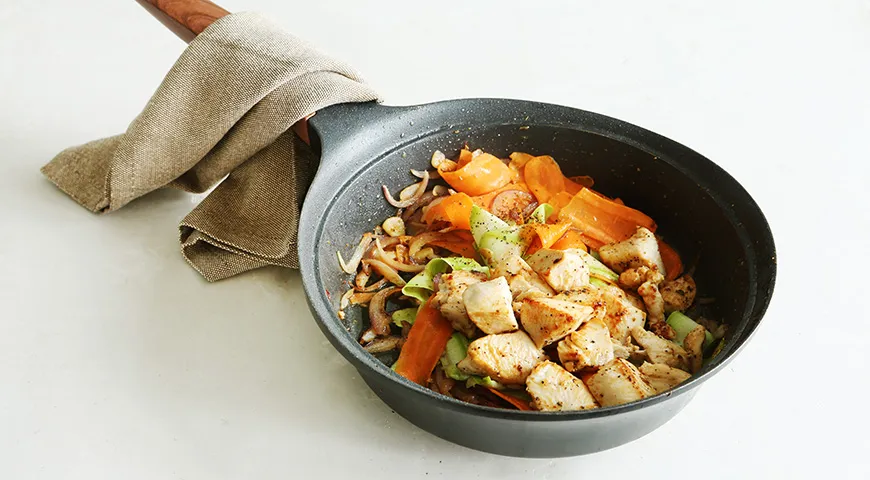
Return the seared chicken to the skillet with the vegetables. Stir and heat everything together for 1 minute until the chicken is warmed through and coated in the buttery juices. Serve immediately, garnished with fresh herbs if desired. The entire process takes under 15 minutes. For a complete meal, pair with a side of quinoa or crusty bread. If you love one-pan meals, you might also enjoy the efficiency of a wall oven microwave combo with air fryer for larger batches.
Tips for Perfect Results
Use a heavy-bottomed skillet to maintain even heat. Pat the chicken dry before seasoning to ensure a good sear. Do not overcrowd the pan—cook in batches if necessary. For a vegetarian version, replace chicken with extra-firm tofu or tempeh. The vegetable ribbons can be varied: try bell peppers, asparagus, or even thinly sliced fennel. To achieve restaurant-quality uniformity, a planetary mixer with a slicing attachment can handle large volumes of vegetables. For those monitoring oil intake, an oil sprayer allows you to coat the pan lightly without excess fat. Leftovers can be stored in an airtight container for up to 2 days, though the dish is best enjoyed fresh.
Variations to Explore
This recipe is endlessly adaptable. Swap the cumin for za'atar or Italian seasoning for a different profile. Add a splash of lemon juice or white wine at the end for brightness. For a creamy version, stir in a spoonful of Greek yogurt or crème fraîche just before serving. If you prefer a spicier kick, cayenne pepper or red pepper flakes work wonders. You can also serve the chicken and vegetables over rice, couscous, or a bed of arugula. For a Mediterranean twist, top with crumbled feta and olives. The possibilities are limited only by your pantry. A lava flavor from a high-quality salt can add a surprising depth.
Frequently Asked Questions (FAQ)
Can I use chicken thighs instead of breast?
Absolutely. Chicken thighs will be juicier and more forgiving; cook them for about 4 minutes per side before slicing. Adjust the seasoning accordingly. For even cooking, a wheatgrass juicer is not relevant here, but a meat mallet can help tenderize the thighs if you wish.
What if I don't have a vegetable peeler?
Use a sharp knife to cut the zucchini and carrot into thin strips, or simply dice them into small cubes. The cooking time may increase slightly. A food processor can also julienne vegetables quickly.
Can I make this dish dairy-free?
Yes, simply omit the butter and use an extra tablespoon of olive oil. Alternatively, use ghee for a rich, lactose-free option. A castor oil is not suitable for cooking, but coconut oil can be a substitute.
How do I prevent the chicken from drying out?
Do not overcook the chicken. Use a meat thermometer to ensure the internal temperature reaches 74°C (165°F). Resting the chicken after searing helps retain juices. A refrigerant leak detector won't help, but a reliable instant-read thermometer will.
Can I add other vegetables?
Certainly. Bell peppers, broccoli florets, or snap peas all work well. Adjust the cooking time as needed—softer vegetables like tomatoes should be added at the end. For even cooking, a undercounter ice maker is not needed, but keeping your vegetables cold before slicing ensures they stay crisp.
Is this recipe suitable for meal prep?
Yes, but store the chicken and vegetables separately to prevent them from becoming soggy. Reheat gently in a skillet or microwave. For large batches, consider using a 48-inch built-in refrigerator to store multiple containers.
This dish is a testament to the beauty of simplicity—a few quality ingredients, a hot pan, and a little know-how. Whether you are cooking for yourself or for a crowd, the joy of a perfectly seared chicken breast with tender ribbons of vegetable is timeless. Serve it with a crisp white wine or a light beer, and you have a meal that feels both effortless and extraordinary. For more inspiration, explore our collection of quick skillet dinners, or try a best organic vodka to pair with citrus-based sauces. Happy cooking!







