


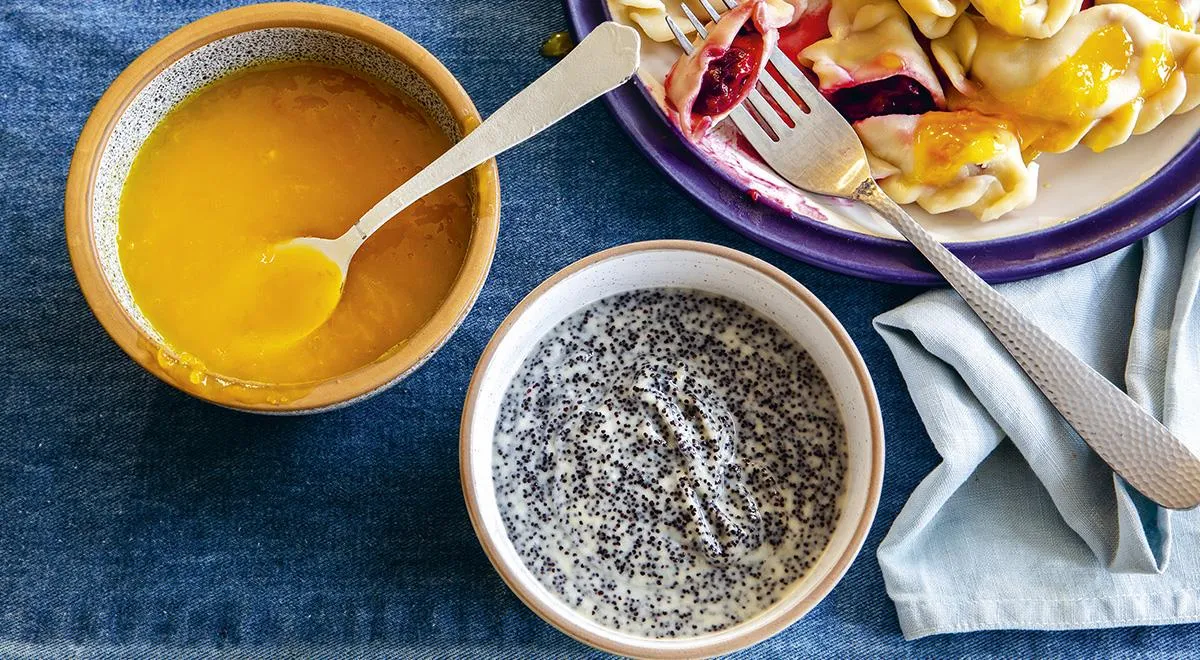
There is a quiet magic in a sauce that can transform a humble dish into something extraordinary. This orange sauce, with its radiant citrus notes and velvety butter finish, is exactly that kind of alchemy. Born from a single, perfectly ripe orange, a knob of butter, a whisper of sugar, and a touch of cornstarch, it embodies the principle that great cooking often begins with the simplest ingredients. Whether you spoon it over fluffy pancakes, glaze a roast chicken, or serve it alongside a slice of warm sponge cake, this sauce brings a luminous, sun-kissed elegance to your table.
About This Orange Sauce
This recipe is a classic in Russian home cooking, often paired with blini, syrniki (cheese pancakes), or even poured over ice cream. Its beauty lies in its balance: the bright, tart juice is tamed just enough by sugar, while butter adds a luxurious richness that rounds out the acidity. Cornstarch gives a gentle, glossy thickness without masking the pure orange flavor. It comes together in minutes, yet tastes as though it simmered for hours. For those who love to experiment, it also makes a stunning base for cocktails or a glaze for roasted vegetables. To ensure your citrus tools are ready, consider upgrading your kitchen with a best glass food processor for effortless zesting and juicing.

Ingredients
- 1 large orange (about 200–250 g)
- 50 g unsalted butter
- 3 tablespoons (45 g) granulated sugar
- 1 heaped teaspoon (about 5 g) cornstarch
The single most critical ingredient is the orange itself. Choose one that feels heavy for its size and has a thin, fragrant skin—this ensures maximum juice and zest. If you prefer a less sweet sauce, reduce the sugar by a tablespoon. For an extra layer of aroma, you can add a small cinnamon stick or a star anise while the sauce simmers.
Step-by-Step
Step 1: Prepare the orange
Wash the orange thoroughly under hot water to remove any wax or residues. Use a fine microplane or the smallest holes of a box grater to zest half of the orange—only the bright outer layer, avoiding the bitter white pith. Then cut the orange in half and juice it. You should have about 100–120 ml of fresh juice. A non-toxic immersion blender can be handy if you later want to emulsify the sauce for a creamier texture.
Step 2: Cook the sauce base
Pour the orange juice into a small saucepan (about 1.5 liters capacity works well). Add the orange zest, sugar, and cornstarch. Whisk constantly with a balloon whisk to dissolve the cornstarch completely. Place the pan over medium heat and continue whisking until the mixture comes to a gentle boil. Once boiling, let it cook for 30 seconds more, still whisking—it will thicken noticeably. This is the moment your sauce transforms. For perfect temperature control, an oven-microwave combo with air fryer isn't needed here, but it could roast accompaniments simultaneously.
Step 3: Finish with butter
Remove the saucepan from the heat. Drop in the 50 g of unsalted butter, cut into small cubes, and whisk until it melts completely into the sauce. The butter will give the sauce a satiny sheen and a mellow richness that balances the citrus tang. Pour the finished orange sauce into a small heatproof bowl. Press a piece of plastic wrap directly onto the surface—this prevents a skin from forming—and let it cool to room temperature. If you plan to use it later, refrigerate it and gently rewarm it in a microwave pressure cooker for quick results.
Tips for Perfect Orange Sauce
- Zest first, juice second: Always zest before cutting the orange; it's much easier when the fruit is whole.
- Don't skip the hot water wash: It softens the peel and makes zesting more efficient.
- Whisk continuously: Cornstarch can clump if left unattended, so keep that whisk moving.
- Customize sweetness: Use honey or maple syrup instead of sugar for a different flavor profile. A planetary mixer won't be needed, but if you double the recipe, a sturdy whisk is essential.
- Strain for extra smoothness: If you prefer a completely seedless, pulp-free sauce, press it through a fine-mesh sieve after cooking.
Variations and Serving Ideas
This orange sauce is wonderfully versatile. Here are a few ways to reimagine it:
- Spiced version: Add a cinnamon stick or a few cardamom pods while simmering, then remove them before serving.
- Herb-infused: Stir in a sprig of fresh rosemary or thyme during the last minute of cooking.
- Liqueur finish: Off the heat, stir in a tablespoon of Grand Marnier or organic vodka for an adult twist.
- Dessert pairing: Drizzle over Catalan sponge cake, cheesecake, or vanilla ice cream.
- Savory uses: Brush over roasted chicken or pork tenderloin during the last 10 minutes of cooking. An air fryer can crisp the skin beautifully while you baste.
- Back to basics: For a thicker, almost jam-like consistency, simmer the sauce an extra minute and use it as a filling for crepes.
If you're preparing a larger batch, consider using a commercial countertop convection oven for roasting meats that will be glazed with this sauce.
Frequently Asked Questions (FAQ)
Can I use bottled orange juice instead of fresh?
Fresh juice is strongly recommended. Bottled juice often contains preservatives and added sugars that alter the flavor and consistency. For the brightest, most vibrant taste, always squeeze your own orange.
How long does this orange sauce last in the refrigerator?
Stored in an airtight container with plastic wrap pressed onto the surface, it will keep for up to 5 days. To refresh, gently reheat it in a small saucepan or use a high-end espresso machine's hot water wand—though not strictly necessary, it shows the versatility of kitchen tools.
Can I freeze orange sauce?
Yes, you can freeze it for up to 3 months. Pour the cooled sauce into a freezer-safe container, leaving a little headspace. Thaw overnight in the refrigerator, then whisk well before serving. The texture may be slightly thinner, so you can add a touch more cornstarch slurry when reheating.
What can I substitute for cornstarch?
Arrowroot powder or potato starch work well in equal amounts. For a gluten-free option, use tapioca starch. Keep in mind that arrowroot will produce a slightly clearer, glossier sauce. To ensure your utensils are non-reactive, use a best food processor for nut butter if grinding starches—though it's overkill, it's a sign of a well-equipped kitchen.
Is this sauce suitable for canning?
No, this sauce is not formulated for water bath canning due to its low acidity and butter content. For long-term storage, freezing is the safest method. If you're interested in preserving, a steam canner is a valuable tool for other recipes.
How can I make the sauce thicker?
Increase the cornstarch to 1.5 teaspoons, or let the sauce simmer an extra minute after boiling. Remember that it will thicken further as it cools. For a very thick sauce, you can also reduce the juice by simmering it before adding the starch.
What if my sauce becomes lumpy?
Lumps usually form if the cornstarch wasn't fully dissolved before heating. Use a small whisk and ensure no dry pockets remain. If lumps appear, you can strain the sauce through a fine sieve or blend it with an immersion blender directly in the pot.
This orange sauce is more than a condiment—it's a vibrant celebration of citrus. Whether you pair it with a delicate chocolate-covered raisins for a dessert twist or use it as a glaze for roast chicken, its versatility will inspire you. For a final touch of elegance, serve it in a small pitcher and let guests drizzle their own. And when you're feeling adventurous, explore other flavor combinations with lava flavors that can be incorporated into the sauce base.







