


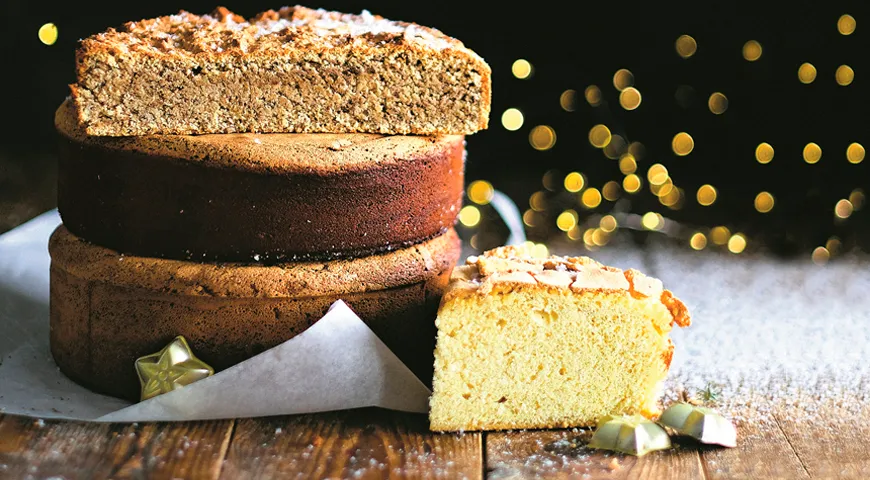
In the world of fine pastry, few foundations are as versatile and delightful as a well-made sponge cake. This Russian-inspired Nut Sponge Cake (Ореховый бисквит) elevates the classic biscuit with the warm, earthy richness of almonds and walnuts. Whether you plan to layer it with buttercream, soak it in syrup, or serve it simply with a dusting of powdered sugar, this cake delivers a tender crumb and a subtle nutty aroma that will impress even the most discerning palate. Best of all, it requires just a handful of everyday ingredients and a bit of patience for a rewarding, bakery-quality result.
About This Recipe
This Nut Sponge Cake comes from the rich tradition of Russian home baking, where simple ingredients are transformed into elegant desserts. Unlike typical genoise or chiffon cakes, this version relies on finely ground nuts – almonds reduced to a flour and walnuts chopped to small pieces – to provide structure and flavor. The eggs are whipped with sugar for a full 20 minutes, creating a stable foam that gives the cake its signature lightness. The result is a sponge that is simultaneously airy and substantial, perfect for tortes, layered cakes, or even as a base for fruit trifles. For a more extensive collection of sponge variations, explore our Catalan sponge guide to contrast techniques.

Ingredients
- 6 large eggs
- 300 g granulated sugar
- 200 g almonds (whole, blanched or skin-on)
- 100 g walnuts (shelled)
- 1 teaspoon baking powder
- 1 teaspoon vegetable oil (for greasing the pan)
- A pinch of salt
Step-by-Step Instructions
Step 1: Whip the eggs and sugar. In a large mixing bowl, combine the eggs and sugar. Using a planetary mixer or a hand mixer with whisk attachments, beat on high speed for 20 minutes. The mixture should become thick, pale, and tripled in volume. This long whipping ensures the cake rises beautifully without any chemical leavening beyond the small amount of baking powder.
Step 2: Prepare the nuts. Grind the almonds to a fine flour using a coffee grinder or a food processor. For a superfine texture, pulse in short bursts to avoid turning them into paste. A food processor designed for nut butter works exceptionally well for this step. Separately, finely chop the walnuts by hand or with a knife; you want small, even pieces that will distribute throughout the batter without sinking.
Step 3: Combine the dry ingredients with the egg foam. Gradually sift the almond flour into the whipped egg mixture, folding gently with a spatula until just incorporated. Avoid overmixing to preserve the air bubbles. Then fold in the chopped walnuts, a pinch of salt, and the baking powder. The batter will be thick but fluffy.
Step 4: Bake the sponge. Preheat your oven to 160 °C (320 °F). Grease a round cake pan (22–24 cm diameter) with the vegetable oil. An oil sprayer ensures an even, thin coating. Pour the batter into the pan and smooth the top. Bake for 35 minutes, or until the cake is golden brown and a skewer inserted into the centre comes out clean. Avoid opening the oven door during the first 20 minutes to prevent collapse.
Step 5: Cool and unmold. Once baked, remove the pan from the oven and let it rest for 5 minutes. Then invert the sponge onto a wire rack and cool completely. For best results, use a convection oven for even heat distribution, though a standard oven works beautifully as well.
Tips for Success
- Temperature matters: Make sure your eggs are at room temperature before whipping. Cold eggs will not achieve the necessary volume.
- Nut grinding: If you don’t have a coffee grinder, a high-performance immersion blender with a chopper attachment can also yield fine almond flour.
- Avoid overbaking: Sponge cakes dry out quickly. Start checking for doneness at 30 minutes.
- Use a non-toxic pan: A non-toxic air fryer tray can double as a baking vessel for small batches, but a standard metal cake pan is ideal.
Variations
This nut sponge is incredibly adaptable. Swap the walnuts for pecans or hazelnuts for a different flavour profile. Add a teaspoon of vanilla extract or a pinch of cinnamon to the batter. For a gluten-free version, ensure your baking powder is certified gluten-free; no flour is needed in this recipe. If you prefer a sweeter cake, brush the baked layers with a sugar syrup (equal parts sugar and water, heated until dissolved) before assembling. You can also use this base to create a stunning Nut Sponge Torte with layers of chocolate ganache and whipped cream. Looking for other light desserts? Our chocolate covered raisins article offers a quick treat that pairs well with the cake's nutty notes.
Frequently Asked Questions (FAQ)
Can I use pre-ground almond flour instead of grinding whole almonds?
Yes, pre-ground almond flour works perfectly. Just ensure it is finely ground – not coarse almond meal – to maintain the delicate texture. If your flour is slightly clumpy, sift it before folding into the eggs.
How should I store this Nut Sponge Cake?
Wrap the cooled cake tightly in plastic wrap and store at room temperature for up to 2 days, or refrigerate for up to 5 days. For longer storage, freeze the layers (wrapped in plastic and foil) for up to 3 months. Thaw in the refrigerator overnight before using.
Why did my sponge collapse after baking?
Collapsing can occur if the eggs were under-whipped, the batter was overmixed, or the oven door was opened too early. For consistently stable cakes, consider using a built-in refrigerator to cool ingredients quickly? No – that’s not the issue. Instead, focus on gentle folding and a steady oven temperature.
Can I make this cake without a mixer?
It is possible but very challenging. Whisking eggs and sugar by hand to the ribbon stage requires significant effort and time. A planetary mixer is highly recommended for consistent results.
What size pan is best for this recipe?
A round pan with a diameter of 22–24 cm (about 9 inches) works best. If you use a larger pan, the cake will be thinner and may bake faster. If smaller, the centre may remain undercooked. Adjust baking time accordingly.
Can I substitute other nuts for the almonds or walnuts?
Absolutely. Hazelnuts, pecans, or even pistachios can replace either nut. Note that the fat content varies, so the texture may change slightly. For a tropical twist, try macadamia nuts; you can pair the cake with a microwave pressure cooker for quick steaming of accompaniments.
Closing Thoughts
This Nut Sponge Cake is a testament to the beauty of simple, honest ingredients. With its tender crumb and rich nutty flavor, it serves as the perfect canvas for any creative pastry chef. Whether you're a novice baker or a seasoned pro, mastering this recipe will elevate your dessert repertoire. For more inspiration, explore our guide on espresso machines to pair your cake with a bold coffee, or check out wheatgrass juicers for a healthy breakfast side. Happy baking!







