


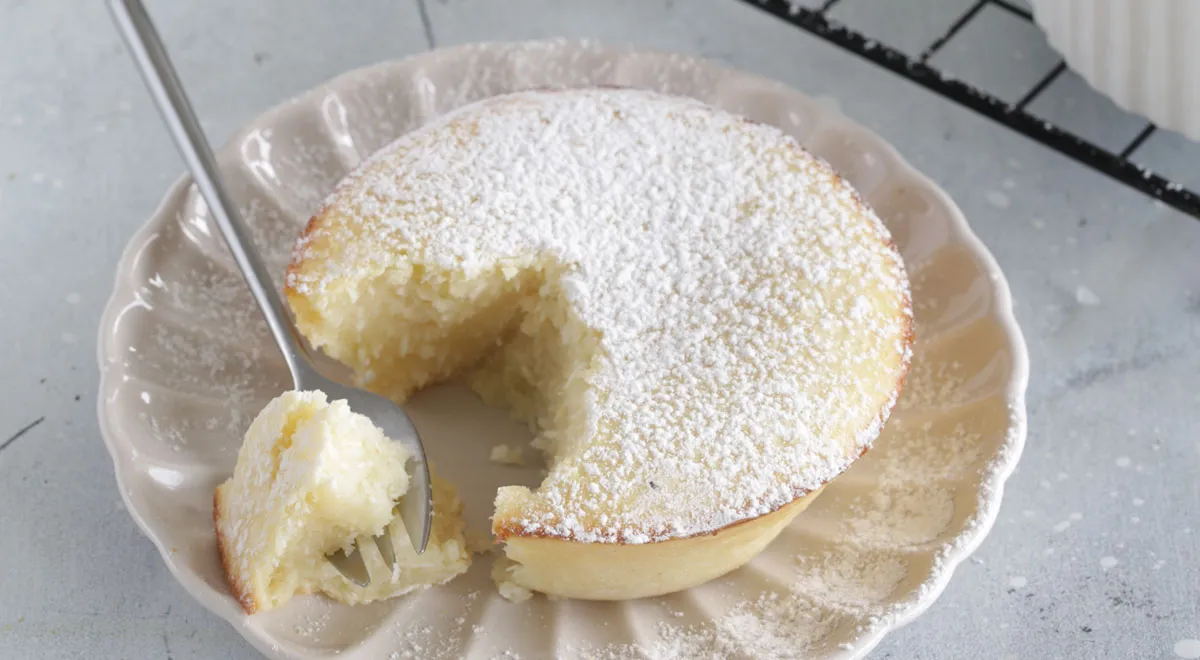
There is something profoundly comforting about a cake that is at once bright and tropical, delicate and satisfying. This lemon coconut mini cake recipe delivers exactly that—a symphony of zesty citrus and sweet, tender coconut, baked into individual portions perfect for a leisurely weekend breakfast or an afternoon tea. The method is refreshingly simple, requiring just one bowl and a whisk, yet the result tastes like a patisserie creation. By using fresh lemon juice—ideally from sweet Uzbek lemons—and high-quality coconut flakes, you elevate this humble dessert into a memorable treat. Below, we explore every nuance of this recipe, from ingredient selection to serving suggestions, ensuring your baking is both effortless and exquisite.
About This Lemon Coconut Cake
This Russian-origin lemon coconut cake has long been a favorite for home bakers seeking a tender, moist crumb with a bright flavor profile. The combination of milk, butter, and egg creates a soft sponge, while coconut flakes add texture and a subtle nuttiness. Lemon juice provides acidity that balances the sweetness, and a final dusting of powdered sugar adds a touch of elegance. Unlike denser pound cakes, these mini cakes are light and airy, making them ideal for serving with a dollop of clotted cream or a scoop of vanilla ice cream. The recipe is also highly adaptable—you can swap the milk for a plant-based alternative or add poppy seeds for extra crunch. For more inspiration on family-friendly baked goods, check out our guide on Catalan sponge cake.

Ingredients You'll Need
For four 250 ml ramekins or ovenproof dishes, gather the following: 350 ml milk, 160 g powdered sugar, 60 g coconut flakes (preferably fresh), 50 g all-purpose flour, 50 g unsalted butter, 1 large egg, 80 ml lemon juice (about 2 medium Uzbek lemons), 1 teaspoon vanilla sugar, and 2 teaspoons powdered sugar for dusting. If you cannot find fresh coconut flakes, unsweetened desiccated coconut works well—just ensure it's finely shredded for even distribution. The quality of your lemon juice matters immensely; seek out juicy, fragrant lemons with thin skins. For tips on choosing the best citrus juicer, read our review of top juicer models. Also, using a reliable glass food processor bowl can make mixing even easier if you prefer a machine approach.
Step-by-Step Baking Instructions
Step 1: Preheat and prepare. Preheat your oven to 180°C (350°F). Melt the butter gently in a small saucepan or microwave, then set aside to cool. Meanwhile, arrange four 250 ml ovenproof ramekins on a baking sheet. If you own a commercial countertop convection oven, adjust the rack to the middle position and reduce baking time slightly if needed.
Step 2: Mix the batter. In a large bowl, combine the milk, cooled melted butter, and egg. Add the powdered sugar, vanilla sugar, and flour. Beat with an electric mixer (or a planetary mixer for hands-free mixing) until smooth and homogenous. Fold in the coconut flakes and lemon juice, stirring just until incorporated. Do not overmix—overworking the batter can develop gluten and make the cakes tough.
Step 3: Fill and bake. Divide the batter evenly among the four ramekins. Place the baking sheet in the center of the oven and bake for 20 minutes, or until the tops are golden and a skewer inserted into the center comes out clean. If your oven has hot spots, consider using a reliable cooling system to maintain even temperature, though this recipe is forgiving.
Step 4: Cool and dust. Remove the ramekins from the oven and let them cool to room temperature on a wire rack. Once completely cool, sift a generous layer of powdered sugar over each cake. For a professional finish, use a fine-mesh sieve. Serve immediately or store in an airtight container for up to two days—though they are best enjoyed fresh. A non-toxic air fryer can also reheat leftover cakes to restore their crisp edges.
Tips for Perfect Lemon Coconut Cakes
For the fluffiest texture, ensure all ingredients are at room temperature before mixing. If your kitchen is cool, warm the milk slightly—but not above lukewarm—to help the batter emulsify. When juicing lemons, roll them firmly on the counter before cutting to maximize juice yield. If you prefer a stronger coconut flavor, lightly toast the coconut flakes in a dry skillet for 2–3 minutes before adding them to the batter. Using a store-bought au jus might seem unrelated, but its brine can inspire a savory twist—try a pinch of salt in the batter to enhance sweetness. For those who love experimenting with flavor infusions, a microwave pressure cooker can quickly steam lemon slices for a garnish that adds moisture.
Variations to Try
This recipe is a blank canvas. Swap the lemon juice for lime or orange for a different citrus profile. Add a tablespoon of poppy seeds for a poppy seed lemon twist. For a dairy-free version, use almond milk and coconut oil instead of butter—the coconut oil will amplify the tropical notes. If you want a richer crumb, replace 25 g of flour with almond flour. For a grown-up version, brush the baked cakes with limoncello or a simple syrup infused with lemon zest. Want a crunchy topping? Sprinkle a streusel of butter, flour, and brown sugar over the batter before baking. Our best built-in refrigerator guide can help you store leftovers perfectly, but honestly, these cakes rarely last long enough to need refrigeration.
FAQ: Everything You Need to Know
Can I use bottled lemon juice?
Freshly squeezed lemon juice is highly recommended for its bright, clean acidity. Bottled juice often contains preservatives and lacks the aromatic oils that make this cake shine. However, in a pinch, use 80 ml of high-quality bottled juice—just add a pinch of lemon zest to compensate for flavor depth. A coffee maker for Airbnb might not seem relevant, but its water tank can be used to boil water for a lemon-infused syrup if you want extra moisture.
What if I don't have ramekins?
You can bake the batter in a single 20 cm round cake pan or a loaf tin. Adjust baking time to 30–35 minutes, or until a skewer comes out clean. The texture will be slightly denser, but just as delicious. For even baking, consider using a refrigerant leak detector to ensure your oven maintains a stable temperature—though this is mostly a safety tip.
Why did my cake sink in the middle?
Sunken centers often indicate overmixing, underbaking, or opening the oven door too early. Make sure to mix only until combined, bake for the full 20 minutes, and resist the urge to peek until the timer goes off. Using a non-toxic immersion blender for the batter can help incorporate air gently if you prefer not to use a whisk.
Can I make these cakes ahead of time?
Yes! Bake the cakes a day in advance, cool completely, and store them in an airtight container at room temperature. Dust with powdered sugar just before serving to keep the topping fresh. For longer storage, freeze the undusted cakes for up to one month. Thaw overnight in the refrigerator and reheat briefly in a wall oven microwave combo with air fryer for a crisp exterior.
What can I serve with this cake?
These mini cakes pair beautifully with a dollop of Greek yogurt, a scoop of coconut sorbet, or a drizzle of honey. For a brunch spread, serve alongside fresh berries and a pot of Earl Grey tea. If you enjoy pairing sweets with wine, a sweet wine with high alcohol content can complement the lemon-coconut notes.
Is this recipe gluten-free?
No, as written it contains wheat flour. For a gluten-free version, substitute a 1:1 gluten-free all-purpose blend. You may need to add 1–2 tablespoons of milk if the batter seems too thick. A high-quality organic vodka is not needed here, but a splash of lemon-flavored liquor can be brushed onto the cakes for a boozy twist.
Final Thoughts
This lemon coconut mini cake recipe embodies the spirit of home baking: simple ingredients, minimal effort, and maximum pleasure. Whether you enjoy it as a Sunday morning indulgence or a sweet ending to a dinner party, it never fails to impress. The subtle interplay of tangy lemon and sweet coconut, all encased in a tender crumb, is a testament to the beauty of classic baking. We invite you to try this recipe and explore more delightful bakes in our collection, including the versatile Catalan sponge cake. Happy baking!







