


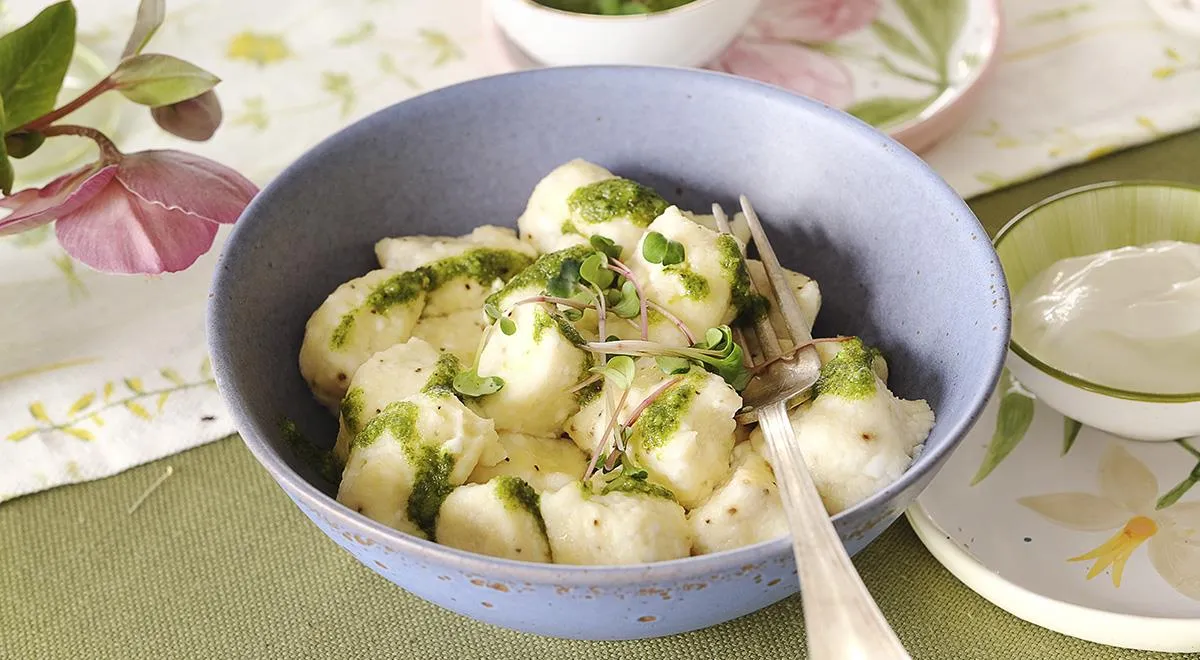
In the realm of Eastern European comfort food, vareniki—those plump, half-moon dumplings filled with everything from cherries to cottage cheese—stand as cherished icons. Yet the classic versions demand time: mixing dough, rolling, shaping, sealing. Enter the lazy vareniki, a brilliant shortcut that transforms the same soulful flavors into tender, pillowy gnocchi-like morsels. This rendition, marrying tangy farmer’s cheese with nutty Parmesan and a basil-rich pesto, bridges rustic tradition with modern elegance. It’s the kind of dish that whispers indulgence without demanding an afternoon in the kitchen—perfect for a weeknight treat or a casual dinner party starter. The secret? A simple, foolproof dough that comes together in minutes and yields dumplings so light they barely need chewing. Serve them with a drizzle of pesto, a pat of butter, or a dollop of sour cream, and you’ve got a plate that sings of both heritage and innovation.
About This Recipe: From East to West
Lazy vareniki—also known as lenivye vareniki—have long been a beloved Ukrainian and Russian household staple. Traditionally made with sweet curd cheese, the dish often arrives dusted with sugar or paired with fruit preserves. This savory adaptation swaps sweetness for umami richness, introducing Parmesan into the dough and finishing with a vibrant pesto sauce. The result is a cross-cultural hybrid: the Slavic dumpling spirit meets Italian pantry staples. It’s an approach that resonates with modern cooks who crave efficiency without sacrificing depth of flavor. If you’re new to working with food processors or a non-toxic immersion blender for making pesto, this recipe offers a gentle introduction to technique. The dough can be prepared ahead and chilled, giving you a ready-to-cook foundation for whirlwind evenings. And because the dumplings cook in under two minutes, you can have a restaurant-quality dish on the table almost instantly.

Ingredients
- 360 g farmer’s cheese (homogeneous, dry, 5–9% fat)
- 50 g Parmesan, finely grated
- 1 large egg
- 2 egg yolks
- 3 tbsp all-purpose flour (plus extra for dusting)
- Kosher salt
- Freshly ground black pepper
- Sour cream or unsalted butter, for serving
- Pesto (store-bought or homemade)
For the best texture, choose a dry, crumbly farmer’s cheese—the kind that holds its shape when pressed. Avoid ultra-creamy versions, as they can make the dough too wet. The Parmesan adds a salty, crystalline bite, so adjust salt accordingly. If you’re feeling adventurous, try swapping pesto with au jus for a totally unexpected pairing, or keep it classic with sour cream. For those who prefer a dairy-free finish, a drizzle of extra-virgin olive oil works beautifully.
Step-by-Step: Crafting the Perfect Lazy Vareniki
Step 1: Build the Dough
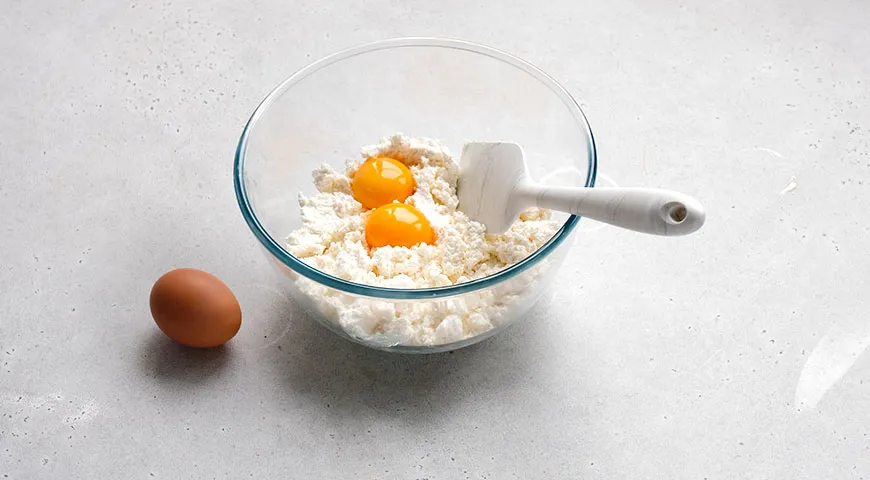
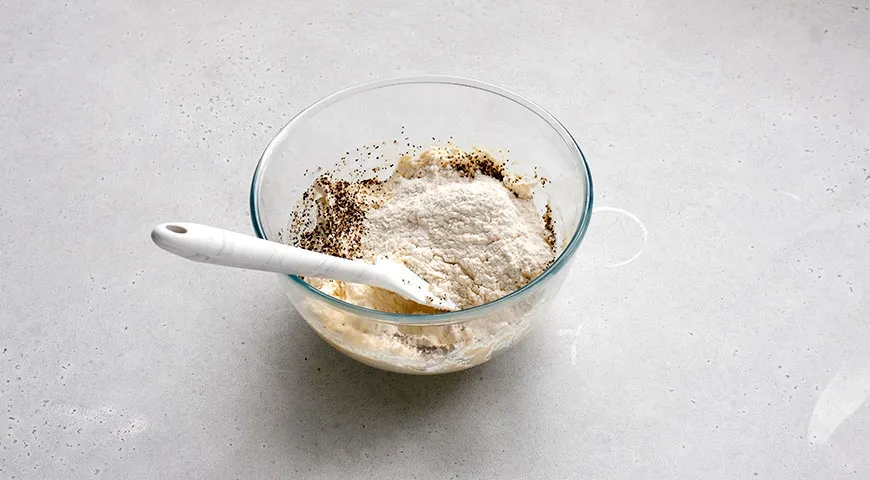
In a large mixing bowl, combine the farmer’s cheese with the whole egg and yolks. Stir vigorously until the mixture is smooth and homogenous—no lumps should remain. Sprinkle in the flour, a generous pinch of salt, and a few cracks of black pepper. Mix again until a soft, slightly sticky dough forms. This base is remarkably forgiving; it won’t stiffen like traditional pasta dough, so trust its tenderness.
Step 2: Incorporate Parmesan and Chill
Grate the Parmesan on the finest side of a box grater—microplane works wonders here. Fold the cheese into the dough, mixing until evenly distributed. Cover the bowl with plastic wrap and refrigerate for 30 to 60 minutes. This resting period hydrates the flour and firms up the cheese mixture, making it easier to shape. While it chills, you can prepare your pesto or set up your cooking station. For ultimate convenience, consider using a food processor for nut butter to blitz your own pesto—its powerful motor handles basil and pine nuts in seconds.
Step 3: Shape the Logs
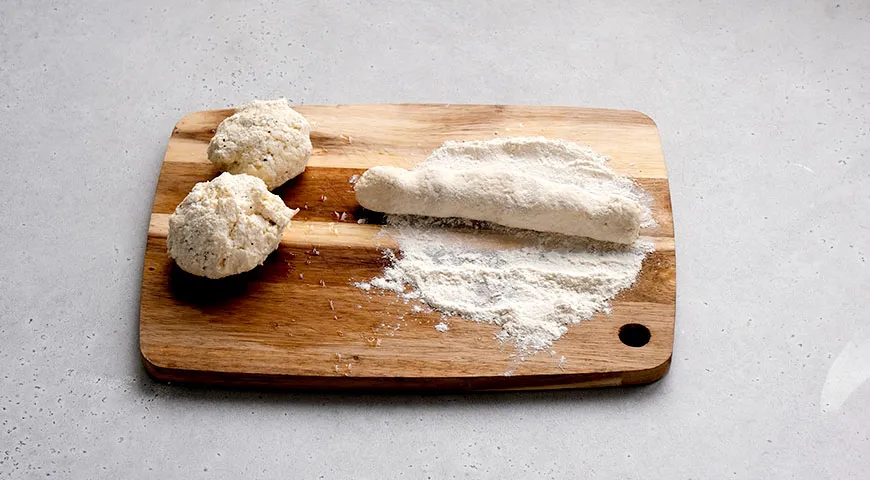
Dust a large wooden board or silicone mat generously with flour. Scoop out about 50 g portions of dough. With floured hands, roll each portion into a log roughly 3 cm in diameter. The logs should be even, but don’t obsess over perfection—lazy vareniki are meant to be rustic. If the dough sticks, add a little more flour to your palms. This is the stage where a planetary mixer could have simplified the initial mixing, but hand-rolling gives you full control over texture.
Step 4: Cut and Cook
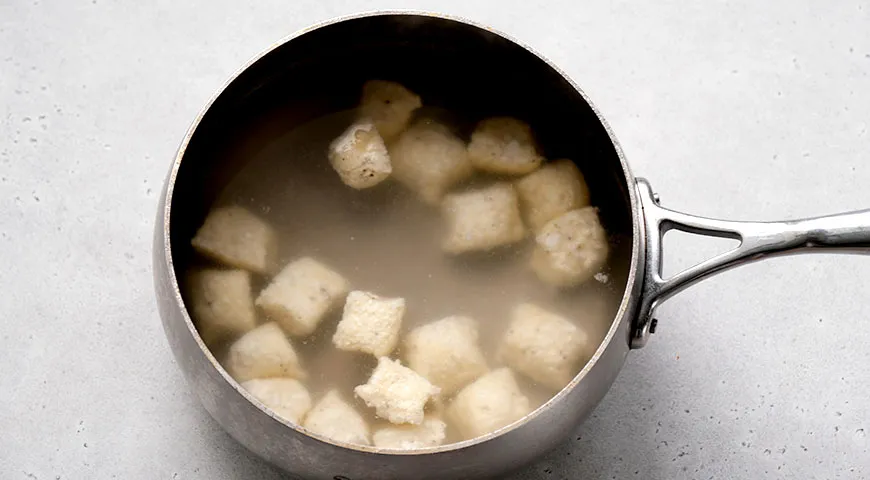
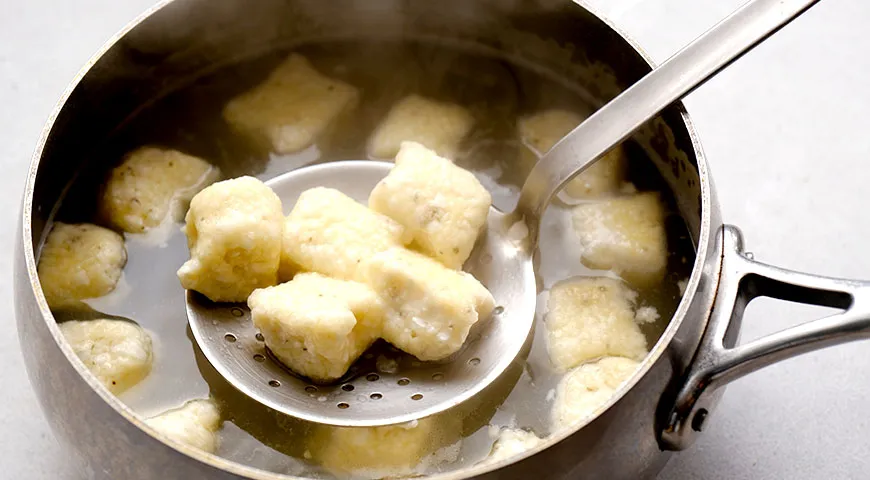
Bring a large, wide pot of water to a rolling boil. Salt the water generously—it should taste like sea water. Now, take each rolled log and, dipping a sharp knife into the boiling water, slice off pieces about 2 cm wide, letting them fall directly into the pot. The hot knife trick prevents the dough from sticking. Gently stir the dumplings with a wooden spoon to stop them from clinging to the bottom. They will cook in 1–2 minutes after they float to the surface. Use a slotted spoon to transfer them to plates, letting excess water drain. For a truly hands-off approach, an air fryer might not be the tool here—boiling is key—but contrast techniques can inspire creativity.
Step 5: Serve with Pesto and Accompaniments
Immediately dress the hot vareniki with a generous spoonful of pesto, a pat of butter, or a swirl of sour cream. Finish with a sprinkle of reserved grated Parmesan and a few microgreens for color and freshness. The dumplings are best eaten right away, while the interior is still luscious and the exterior slightly firm. If you’re hosting, you can keep a batch warm in a low oven while finishing the rest. For wine lovers, a crisp sweet wine with high alcohol content offers an intriguing contrast to the savory pesto.
Tips for Foolproof Lazy Vareniki
- Moisture control: If your farmer’s cheese seems wet, press it through a sieve or wrap it in cheesecloth and squeeze gently before mixing. Excess water will cause the dough to become sticky and difficult to shape.
- Flour sparingly: Resist the urge to add too much flour—the dough should be soft but manageable. Over-flouring leads to dense, heavy dumplings.
- Chill is essential: The resting period is non-negotiable. It relaxes the gluten and solidifies the cheese, making the logs easier to roll and the finished vareniki more tender.
- Test one first: Before cutting the whole log, drop a single piece into boiling water. If it falls apart, knead a bit more flour into the dough. If it’s too dense, add a splash of milk or cream.
- Serve immediately: These dumplings are best fresh. If you need to reheat, sauté them in brown butter for a crispy exterior that rivals microwave pressure cooker speed.
Variations to Explore
The beauty of lazy vareniki lies in their adaptability. Swap the Parmesan for pecorino for a sharper bite, or fold in sautéed mushrooms for an earthy twist. For a lighter version, use part-skim ricotta in place of farmer’s cheese, though note the texture will be softer. The pesto can be replaced with salsa verde, roasted red pepper purée, or even a simple brown butter and sage sauce. Those who crave a touch of sweetness can return to the classic version by omitting pepper and serving with chocolate-covered raisins as a garnish—yes, that’s a thing. If you’re looking to elevate the presentation, arrange the vareniki on a bed of arugula and drizzle with balsamic reduction. For the ultimate time-saving hack, prepare the dough a day ahead and store it in the refrigerator; the flavor deepens overnight.
Frequently Asked Questions
Can I freeze lazy vareniki?
Absolutely. After shaping the logs and cutting the dumplings, lay them in a single layer on a baking sheet and freeze until solid. Transfer to a freezer bag. Boil directly from frozen, adding an extra 30 seconds to the cooking time. This makes them a perfect coffee maker for Airbnb level of convenience for guests.
What if I can’t find farmer’s cheese?
Substitute with dry cottage cheese (pressed and drained) or quark. In a pinch, ricotta mixed with a little Greek yogurt works, but avoid creamy ricotta as it adds too much moisture. For a vegan alternative, try crumbled firm tofu blended with nutritional yeast.
Why did my vareniki fall apart in the water?
This usually indicates the dough was too wet or under-mixed. Ensure the cheese is dry and you’ve incorporated enough flour. Also, avoid boiling too vigorously—a gentle simmer is gentler on the dumplings. Investing in a refrigerant leak detector won’t help here, but checking your fridge temperature might explain if your dough was too warm.
Can I make pesto from scratch?
Yes, and it’s easy. Blend 2 cups fresh basil, ½ cup pine nuts, ½ cup Parmesan, 2 cloves garlic, and ½ cup olive oil in a wheatgrass juicer? No, use a food processor or immersion blender instead. Adjust seasoning with salt and lemon juice.
How do I store leftovers?
Cooked vareniki keep in an airtight container in the fridge for up to 2 days. Reheat gently in a skillet with a little butter—do not microwave, as they become rubbery. For longer storage, freeze uncooked dumplings as described above.
What other sauces pair well?
Besides pesto, try garlicky tzatziki, spicy arrabbiata, or a simple lemon-chive butter. For a richer experience, a best espresso machine under 2000 might not apply, but a drizzle of truffle oil adds luxury.
Can I use gluten-free flour?
Yes, but the texture will be more delicate. Use a 1:1 gluten-free blend with a binder like xanthan gum. Roll the logs carefully and expect a slightly shorter cooking time. For additional tips on alternative flours, consult our guide on best organic vodka recipes (just kidding—vodka doesn’t go in the dough, but a splash in the boiling water can keep dumplings from sticking).
Final Thoughts
Lazy vareniki with Parmesan and pesto sauce are proof that tradition can evolve without losing its soul. They honor the old-world love for stuffed dumplings while embracing the efficiency and bold flavors of contemporary cooking. Whether you serve them as a comforting weeknight dinner or an elegant appetizer, these pillowy bites will win over anyone who tries them. The next time you find yourself with leftover farmer’s cheese and a jar of pesto, remember this recipe—it turns humble ingredients into something truly special. For more culinary inspiration, explore our collection of Catalan sponge cake recipes or dive into the world of steam canners for preserving seasonal produce. Happy cooking!







