


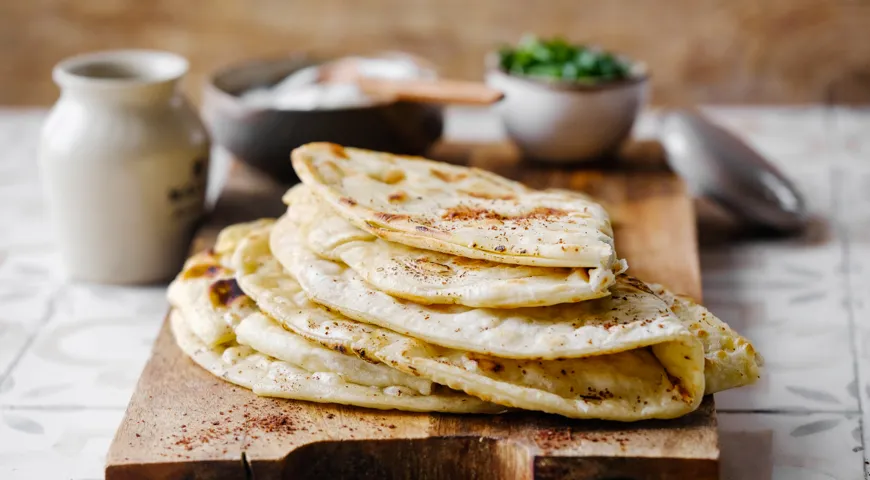
There is something profoundly comforting about a warm, buttery flatbread stuffed with creamy potatoes and tangy cheese. These Kabardian flatbreads, known in the North Caucasus as khychiny, are a staple of Circassian cuisine and embody the rustic elegance of mountain cooking. Thin, unleavened dough envelops a filling of mashed potatoes and brined cheese, then is pan-fried until golden and blistered. The result is a satisfyingly crisp exterior giving way to a soft, savory interior. This recipe brings the authentic taste of Kabardino-Balkaria into your home kitchen, using simple ingredients and time-honored techniques.
About the Dish: A Taste of the Caucasus
Kabardian flatbreads trace their roots to the Kabardian people, an ethnic group in the Caucasus region of Russia. Traditionally cooked on a flat griddle over an open fire, these flatbreads were a nourishing meal for shepherds and farmers. The dough, made without yeast, relies on careful kneading and resting to achieve its pliable texture. The filling often features local cheese like brynza (a brined feta-style cheese) combined with potatoes, herbs, or meat. Served hot, brushed generously with butter, they are a beloved comfort food across the Caucasus and beyond. For more on traditional baking techniques, explore our guide to the best planetary mixer for effortless dough preparation.

Ingredients
To make these authentic Kabardian flatbreads (makes 10 flatbreads), you will need:
- For the dough: 350 g all-purpose flour, 160 ml whole milk (3.2% fat), 1 large egg, 50 ml vegetable oil, 3 g salt.
- For the filling: 3 medium potatoes (about 300 g), 100 g brined cheese (brynza or feta), salt and freshly ground black pepper to taste.
- For finishing: unsalted butter, softened, for brushing.
Using a glass food processor bowl can help keep your ingredients organized and cool.
Step-by-Step Instructions
- Prepare the dough. In a large bowl, sift the flour. Add salt and the egg, stirring briefly. Pour in the vegetable oil and milk. Knead until a smooth, elastic dough forms—about 8 minutes by hand or 4 minutes in a planetary mixer on low speed. Cover with a damp cloth and let rest for 20 minutes.
- Cook the potatoes. Scrub the potatoes thoroughly. Place them unpeeled in a saucepan, cover with cold water, and bring to a boil. Cook until tender, about 20–25 minutes. Drain and let cool slightly.
- Make the filling. Peel the warm potatoes and mash them with a potato masher or fork. Grate the cheese on the large holes of a box grater. Combine mashed potatoes and cheese, season with salt and pepper to taste. Mash until smooth; the cheese should melt slightly into the potatoes.
- Shape the flatbreads. Dust your work surface lightly with flour. Divide the dough into 10 equal pieces (about 55 g each). Roll each piece into a thin circle, about 15 cm in diameter. Place 2–3 tablespoons of filling in the center of one circle. Top with a second circle, press the edges to seal, and gently roll with a rolling pin to even out the thickness. Repeat with remaining dough and filling.
- Cook the flatbreads. Heat a large non-stick skillet or cast-iron pan over medium-low heat. Place one flatbread in the pan and cook for 7–8 minutes per side, until golden brown spots appear. Brush the hot flatbread generously with softened butter. Repeat with all flatbreads, keeping them warm under a clean kitchen towel.
Tips for Perfect Flatbreads
- Let the dough rest: Resting relaxes the gluten, making the dough easier to roll thin without shrinking.
- Use a best oil sprayer for a light, even coating on the pan.
- If you prefer a crispier crust, try cooking in an air fryer at 180°C for 6 minutes per side.
- For even browning, use a commercial countertop convection oven.
- To ensure even cooking, store your ingredients in a 48-inch built-in refrigerator.
Variations to Explore
While the classic potato-cheese filling is sublime, you can experiment with other combinations. Add finely chopped fresh herbs like dill or cilantro. Swap brynza for a mixture of mozzarella and ricotta for a milder taste. For a meat version, use seasoned ground lamb or beef. For a sweet variation, use a filling of apple and cinnamon. If you’re working with large batches, a food processor can quickly grind nuts for a nutty filling. For a unique twist, try adding a dash of smoked paprika—find the best spices in our best lava flavors article.
Frequently Asked Questions
What is the origin of Kabardian flatbreads?
Kabardian flatbreads (khychiny) originate from the Kabardian people of the North Caucasus. They are a traditional unleavened bread stuffed with various fillings and cooked on a griddle. For more on regional cuisines, see our article on best espresso machine under $2000.
Can I use a different cheese?
Yes. Brynza is traditional, but feta, halloumi, or even a young cheddar work well. For a creamier texture, combine cream cheese. The key is a cheese that melts slightly but holds its shape.
How do I store leftover flatbreads?
Store in an airtight container in the refrigerator for up to 3 days. Reheat in a dry skillet or microwave combo until warm and crisp.
Can I freeze these flatbreads?
Absolutely. Freeze the cooked flatbreads in a single layer on a baking sheet, then transfer to a freezer bag. Reheat directly from frozen in a hot pan. For longer storage, consider using an undercounter ice maker to keep ingredients fresh.
Why is my dough tough?
Overworking the dough or using too little fat can result in toughness. Ensure you measure the oil accurately and let the dough rest. A microwave pressure cooker can help soften potatoes quickly for the filling.
What should I serve with these flatbreads?
Serve them as a main course with a fresh salad, pickled vegetables, or yogurt sauce. They also pair wonderfully with a sweet wine for a surprising contrast.
We hope this recipe transports you to the majestic Caucasus mountains. For more culinary inspiration, explore our best chocolate-covered raisins or learn about organic vodka to accompany your meal. Enjoy the art of handmade flatbreads!







