


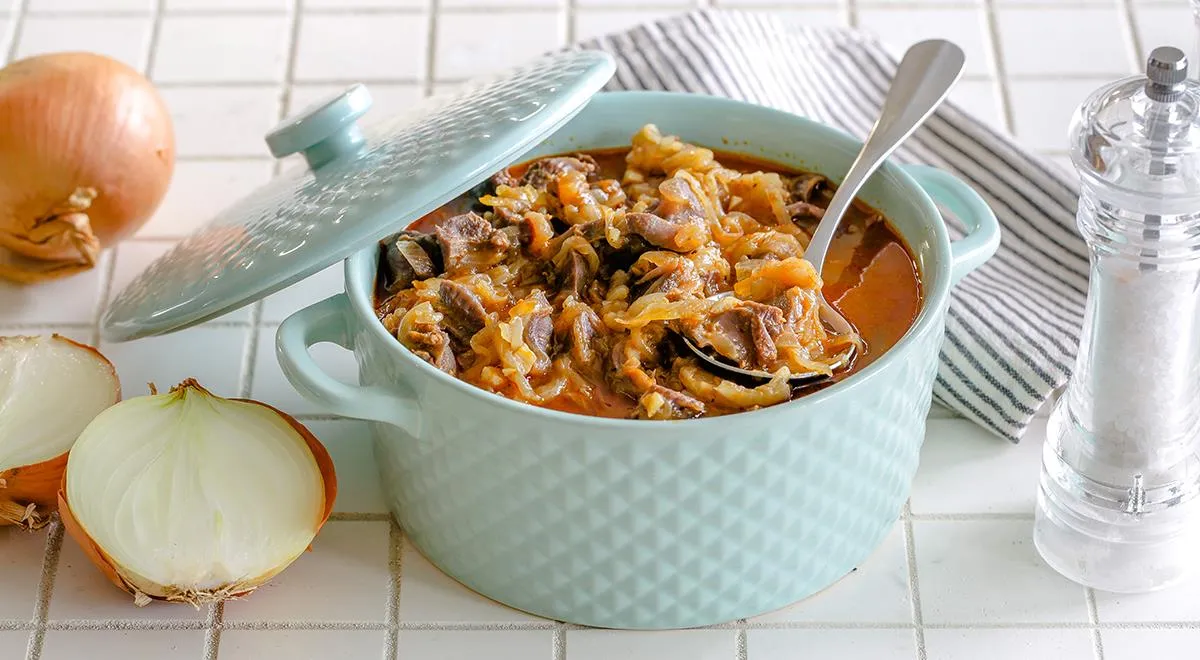
In the heart of Ashkenazi Jewish cuisine, humble poultry offal transforms into soul-warming comfort. Duck gizzards, known affectionately as pipik’lach (Yiddish for little navels), are slowly braised with sweet onions and paprika until meltingly tender. This Jewish-style duck gizzard stew channels the resourcefulness of shtetl kitchens, where every part of the bird was honored. Rich, savory, and deeply satisfying, it pairs beautifully with rice or velvety mashed potatoes—a dish that tastes of heritage and home.
About This Traditional Dish
Jewish communities across Eastern Europe perfected the art of cooking organ meats. From chopped liver and schmaltz to Jerusalem mixed grill, gizzards were prized for their firm texture and ability to absorb robust flavors. This duck gizzard recipe relies on a long, gentle simmer to break down the tough muscle, resulting in a fork-tender ragù. The generous amount of caramelized onion provides natural sweetness, while smoked or sweet paprika adds warmth and depth. It’s a classic example of slow-cooked perfection that deserves a revival on modern tables.

Ingredients
- 1 kg duck gizzards
- 5–6 very large onions
- 6–8 cloves garlic
- 1 tbsp sweet ground paprika
- Salt, to taste
- Freshly ground black pepper, to taste
Optional: Add 200–300 g duck liver, each piece cut into 2–4 chunks, during the last 10 minutes of cooking.
Step-by-Step Instructions
Step 1: Caramelize the Onions
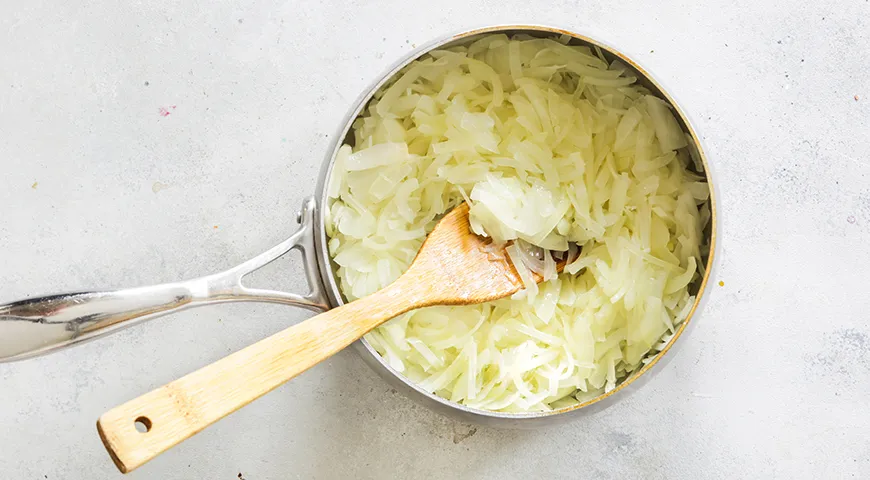
Peel the onions and slice them into thin quarter-rings. Heat a generous amount of fat (duck fat, schmaltz, or oil) in a wide, heavy-bottomed pot—ideally a duck pot or enameled cast-iron Dutch oven—over medium heat. Add the onions, season with a pinch of salt, and cook, stirring occasionally, for 15 minutes until soft and lightly golden.
Step 2: Prepare the Gizzards
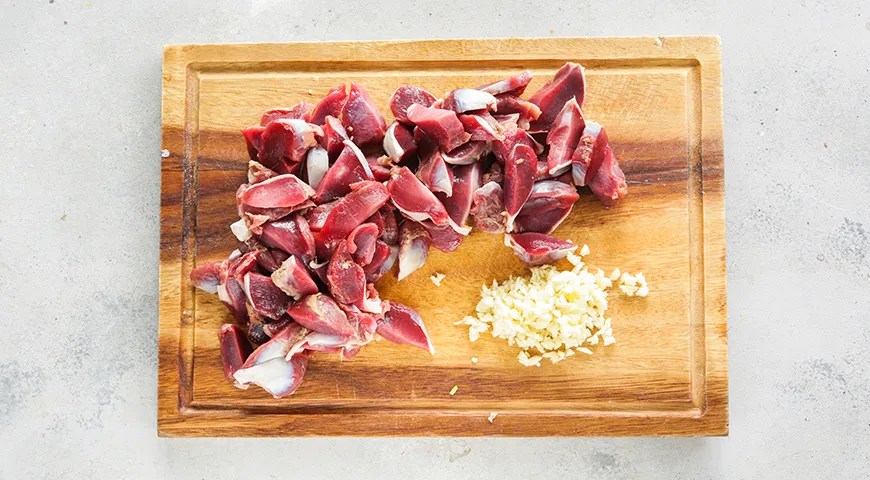
Rinse the duck gizzards and trim any excess fat or membranes. Slice each gizzard into thin strips (about 0.5 cm wide). Meanwhile, crush the garlic cloves with the flat of a knife, peel, and mince finely.
Step 3: Sear and Season
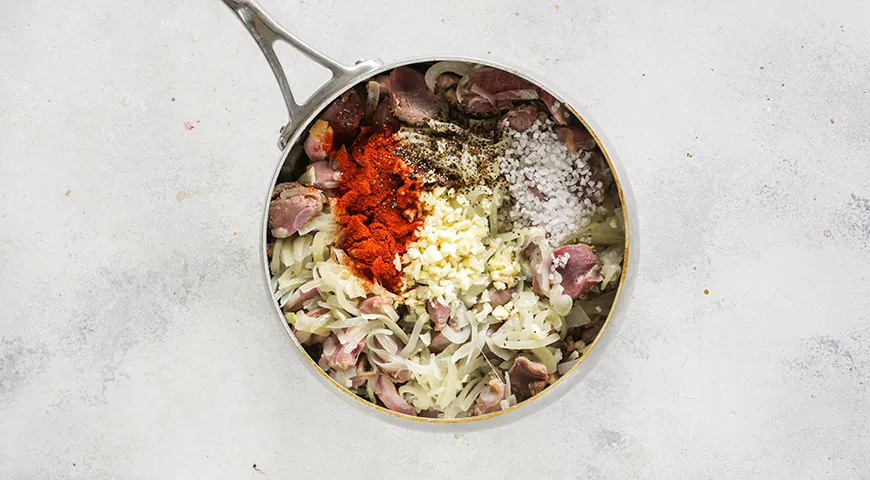
Add the gizzard strips to the pot with the caramelized onions. Sauté over medium-high heat for 5–7 minutes, stirring frequently, until the gizzards are lightly browned. Sprinkle in the minced garlic and paprika, then season with additional salt and plenty of freshly ground black pepper. Stir well and immediately pour in enough rich stock or water to almost cover the contents.
Step 4: Braise Until Tender
Increase the heat to bring the liquid to a boil, then reduce to a gentle simmer. Partially cover the pot with a lid and cook for about 1 hour, stirring every 15 minutes to prevent sticking. The gizzards should be fork-tender but not falling apart. For added richness, you can stir in a drizzle of schmaltz at the end.

Tips for Perfect Duck Gizzards
- Low and slow is key: Rushing the braise will leave gizzards tough. The 1‑hour simmer at a bare bubble ensures pressure-cooker tenderness.
- Use a heavy pot: A cast-iron or enameled Dutch oven distributes heat evenly and retains moisture, crucial for this lengthy cook.
- Don’t skimp on onions: They create the sauce’s body and natural sweetness—go for the full number of large onions.
- Paprika quality matters: Sweet Hungarian paprika gives the best color and depth. Store it in a cool, dark place to preserve potency.
- Optional liver addition: If using duck liver, add it only in the final 10 minutes to keep it buttery rather than rubbery.
Variations
This stewed gizzard dish adapts well to personal taste. Add a teaspoon of smoked paprika for a smoky profile, or include a bay leaf and allspice berries during braising. For a dairy-free version, you can toss in a tablespoon of tomato paste for a rich, umami twist. Serve over egg noodles, kasha, or alongside a crisp cucumber salad to cut the richness.
Frequently Asked Questions
Where can I buy duck gizzards?
Duck gizzards are available at most butcher shops, specialty poultry markets, and many Asian supermarkets. You can also order them online from ethical farms. Use your refrigerator’s coldest zone to store them until cooking day.
Can I use chicken gizzards instead?
Absolutely. Chicken gizzards are smaller and cook slightly faster—reduce braising time to about 40–50 minutes. Adjust the number accordingly (you’ll need roughly 1 kg of chicken gizzards). The onion-to-gizzard ratio remains the same.
How do I clean duck gizzards properly?
Remove the outer membrane (silver skin) if it’s tough. Rinse under cold water and pat dry. Trim any yellow bile stains—these are bitter. Slice as directed. Your glass food processor can pulse them into a coarse mince for an alternative texture.
Can I make this dish ahead of time?
Yes, the flavors meld and deepen overnight. Cool the stew completely, then refrigerate in an airtight container for up to 3 days. Reheat gently on the stovetop, adding a splash of water or broth if needed. It also freezes well for up to 3 months.
What should I serve with Jewish-style duck gizzards?
Traditional pairings include mashed potatoes, fluffy white rice, or wide egg noodles tossed with butter and dill. For a lighter option, serve with steamed greens or a non-toxic air fryer roasted root vegetable medley. A side of pickled cucumbers (sour or half-sour) adds acidic contrast.
Can I use a slow cooker or Instant Pot?
To use a slow cooker, sear the onions and gizzards in a pan first, then transfer to the slow cooker with remaining ingredients. Cook on low for 4–6 hours. For an Instant Pot, sauté directly in the pot, then pressure cook on high for 25 minutes with a natural release. Always check for tenderness—older birds may need more time.
Conclusion
This Jewish-style duck gizzard recipe transforms a humble ingredient into a celebratory stew. It’s a dish rooted in tradition, yet as relevant today as ever—perfect for cooks who value planetary mixer efficiency or simply love the depth of slow braising. Whether you’re exploring Ashkenazi classics or seeking a new weeknight dinner, these tender, paprika‑kissed gizzards are sure to become a cherished part of your repertoire.
For more heritage recipes and kitchen tips, explore our guides on non‑toxic immersion blenders, sweet indulgences, and refrigerator storage for offal. We’d love to hear how your pipik’lach turn out!







