


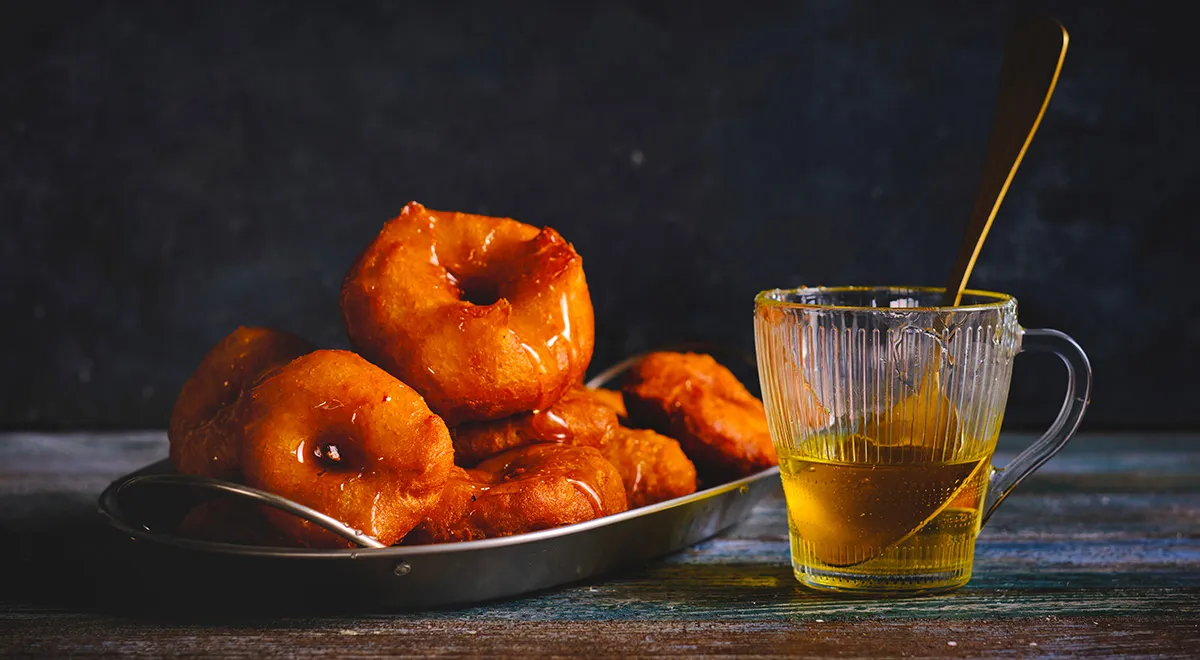
There is something deeply comforting about warm, golden doughnuts drizzled with honey—especially when the dough itself is enriched with velvety mashed potatoes. This Italian classic, known as Italiani Ponchiki v Medu, takes the humble doughnut to new heights of tenderness and flavor. The potato purée locks in moisture, creating an airy crumb that practically melts on the tongue. Whether you are a seasoned baker or simply craving a weekend treat, these honey-kissed delights promise a rustic elegance that will impress guests and family alike. For an even more indulgent experience, consider pairing them with a rich sweet wine or a steaming cup of freshly brewed coffee.
About Italian Honey Doughnuts
Rooted in the Italian tradition of utilizing leftover mashed potatoes, these doughnuts are a perfect example of cucina povera—the art of making something sublime from simple ingredients. Unlike classic yeast doughnuts that rely solely on flour and butter, the addition of potato starch gives the crumb a cloud-like softness that stays fresh longer. The dough is surprisingly sturdy, allowing you to shape the rings by hand without any special tools. Once fried and drenched in pure honey, they become a dessert that balances sweetness with a subtle savory note. If you enjoy exploring texture in baking, you might also appreciate the Catalan sponge cake for its similar lightness.

Ingredients
- 500 g all-purpose flour
- 250 g boiled potatoes, mashed until smooth
- 10 g active dry yeast (or 20 g fresh yeast)
- 1½ teaspoons salt
- 250–300 ml warm water (adjust as needed)
- Olive oil for deep-frying
- Liquid honey for serving (preferably a floral variety like acacia or wildflower)
Using high-quality olive oil is essential for a clean, crisp fry. A good oil sprayer can help maintain the right temperature, but for deep-frying a heavy-bottomed pot works best. For measuring precise temperatures, a reliable thermometer (though not for refrigerant) ensures your oil stays at 150°C.
Step-by-Step Guide
1. Prepare the Dough
In a large mixing bowl, combine the flour, salt, and yeast. Add the mashed potatoes and begin pouring in the warm water gradually, mixing with your hands or a wooden spoon. Continue until a soft, non-sticky dough forms. The exact water amount depends on the potato moisture; aim for a dough that is pliable but not wet. Knead for about 8–10 minutes until smooth and elastic. Cover the bowl with a damp cloth and let it rest for 2 hours at room temperature until doubled in size.
2. Heat the Oil
Pour olive oil into a deep skillet or pot to a depth of about 5 cm. Heat over medium heat until the oil reaches 150°C (300°F). Maintaining this moderate temperature is crucial: too hot and the doughnuts will burn on the outside while remaining raw inside. A convection oven won't work here, but a steam canner could double as a pot for even heating.
3. Shape the Doughnuts
With slightly wet hands, pinch off small portions of dough (about 40 g each). Roll into balls, then press a hole through the center with your thumb, gently stretching the ring to about 5 cm in diameter. The dough is forgiving, so don't worry about perfection. Place the shaped rings on a lightly floured surface.
4. Fry to Golden Perfection
Carefully lower 2–3 doughnuts into the hot oil and fry for 1–2 minutes per side until deep golden brown. Use a slotted spoon to flip them. Once cooked, transfer to paper towels to drain excess oil. Continue with the remaining dough. Serving them warm is key; the honey will soak into the crust beautifully. For a lighter alternative, you could try air-frying, though the texture will differ slightly.
Tips for Perfect Doughnuts
- Use starchy potatoes. Russet or Yukon Gold varieties yield the best texture.
- Don't rush the rise. A full 2-hour fermentation develops flavor and ensures an airy interior.
- Keep oil temperature steady. A candy or deep-fry thermometer is invaluable.
- Drain thoroughly. Paper towels absorb excess oil, keeping the doughnuts light.
- Drizzle honey just before serving. This preserves the crunch of the crust.
If you love exploring global fried dough, you might enjoy the planetary mixer tips for kneading larger batches, or the immersion blender for making silky honey sauces.
Variations
For a savory twist, omit the honey and dust the doughnuts with grated Parmesan and black pepper. Alternatively, roll them in cinnamon sugar before drizzling with honey. You can also infuse the honey with orange zest or chili flakes for a modern edge. If you're watching your sugar intake, try a sugar-free honey alternative from organic sources (though vodka is not recommended here!).
Serving Suggestions
These doughnuts are best enjoyed warm, piled onto a rustic wooden board, with extra honey on the side for dipping. Pair them with fresh berries, a dollop of mascarpone, or a scoop of vanilla gelato. For a brunch spread, serve alongside specialty coffee or a sparkling Prosecco. The honey glaze also complements a chocolate-covered raisin platter.
FAQ
Can I use leftover mashed potatoes?
Absolutely. Ensure they are plain (no butter or milk added) and mashed until very smooth. Leftover seasoned potatoes may alter the flavor.
Why is my dough sticky?
Potatoes vary in moisture content. Add flour a tablespoon at a time until the dough becomes workable. Avoid over-kneading.
Can I bake these instead of frying?
Yes, bake at 180°C (350°F) for 12–15 minutes, brushing with olive oil before baking. The texture will be more bread-like. For a crispy finish, a wall oven microwave combo with air fryer works wonderfully.
How do I store leftovers?
Keep in an airtight container at room temperature for up to 2 days. Reheat in a toaster oven for a few minutes. Avoid refrigeration, which dries them out.
Can I freeze the uncooked dough?
Yes, shape the rings, freeze on a tray, then transfer to a bag. Fry directly from frozen, adding an extra minute per side.
For more inspiration on creating unforgettable desserts at home, explore our lava flavor pairings or the best food processor for grinding nuts to top these doughnuts. And if you're looking for a perfectly paired drink, consider the au jus for savory dishes, but for sweet, a honeyed wine is ideal. Enjoy the journey of Italian baking!







