


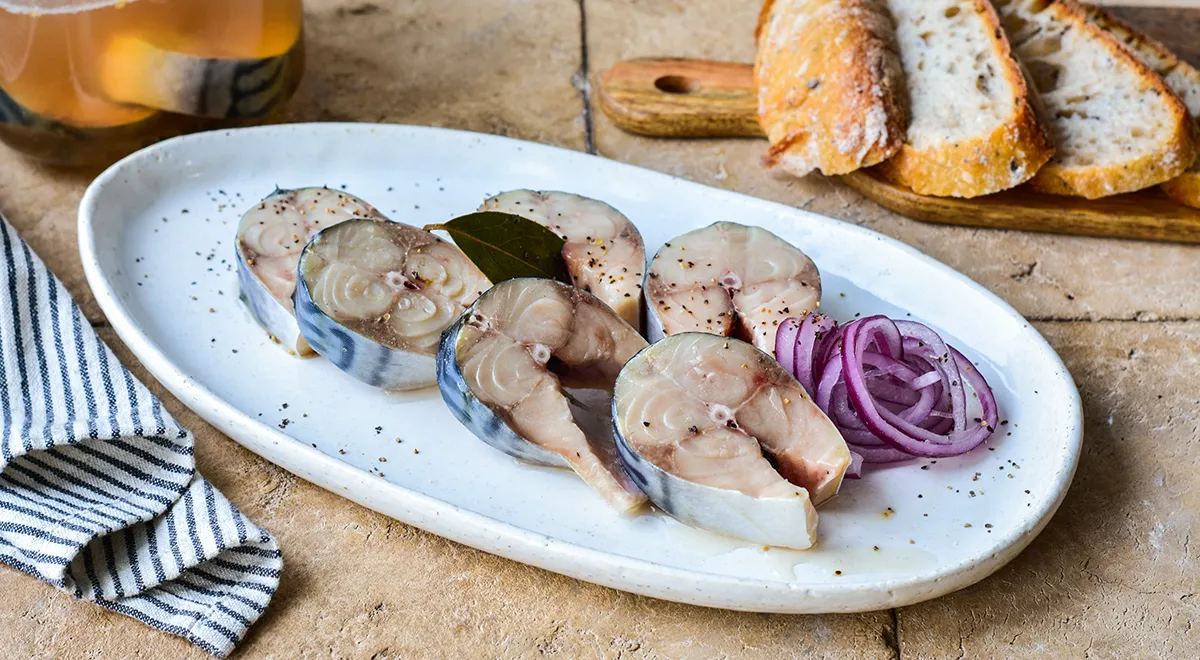
There is something deeply satisfying about preparing your own cured fish at home. This recipe for lightly salted mackerel, known in Russian as malosol'naya skumbriya, transforms a humble, oily fish into a silken, briny delicacy that rivals any bought version. The process is deceptively simple: a quick brine infused with black peppercorns, bay leaf, and coriander, then a day in the refrigerator. The result is a versatile ingredient that can grace a breakfast table, elevate a salad, or star as an appetizer with dark bread and butter. Whether you are new to home curing or a seasoned pro, this method delivers consistently excellent results with minimal fuss.
About This Recipe: The Art of Light Salting
Lightly salted mackerel is a staple in Russian and Eastern European cuisines, prized for its tender texture and bright, oceanic flavour. Unlike heavy salting or smoking, the malosol (low-salt) technique preserves the fish's natural richness while gently seasoning it. The key lies in a carefully balanced brine: 45 grams of salt per litre of water creates the perfect osmotic environment, drawing out just enough moisture to firm the flesh without making it overly salty. Aromatic spices like coriander and bay leaf add subtle depth, while black peppercorns provide a gentle warmth. This recipe from Gastronom.ru is a classic, and with the right tools—such as a reliable food processor for other kitchen tasks—you can master it effortlessly.

Ingredients
- Mackerel (whole) – 900 g (about 2 large fish)
- Drinking water – 1 litre
- Salt (non-iodised) – 45 g
- Black peppercorns – 4 pieces
- Bay leaf – 1 piece
- Coriander seeds – 1 teaspoon
For best results, use fresh or high-quality frozen mackerel. If you plan to prepare multiple batches, consider a spacious refrigerator to store your brine containers. The ingredient list is short, so the quality of each component matters—opt for flaky sea salt and whole spices.
Step-by-Step Instructions
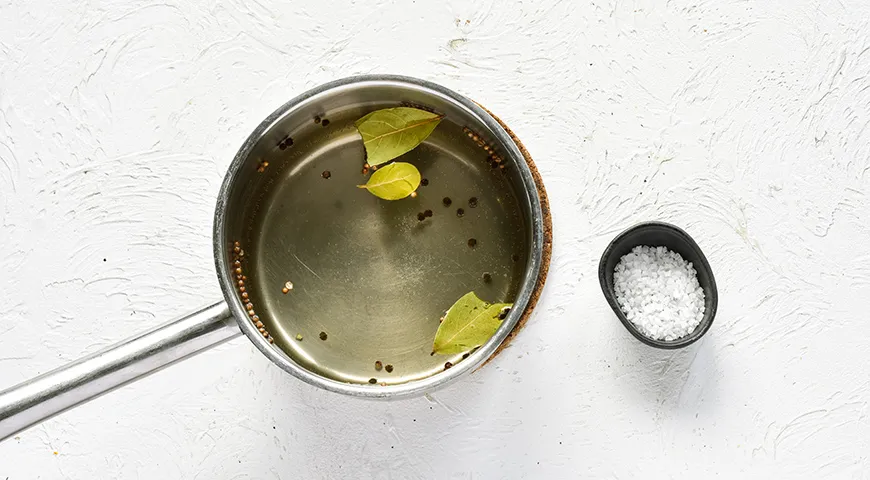
- Prepare the brine. Pour the water into a small saucepan. Add the salt and bring to a boil, stirring until fully dissolved. Once boiling, add the black peppercorns, bay leaf, and coriander seeds. Let the mixture simmer for 5 minutes, then remove from heat and allow to cool completely. Cooling is crucial: a hot brine will cook the fish, ruining the delicate texture. Use a microwave pressure cooker if you want to speed up the cooling by chilling the brine in a shallow dish.
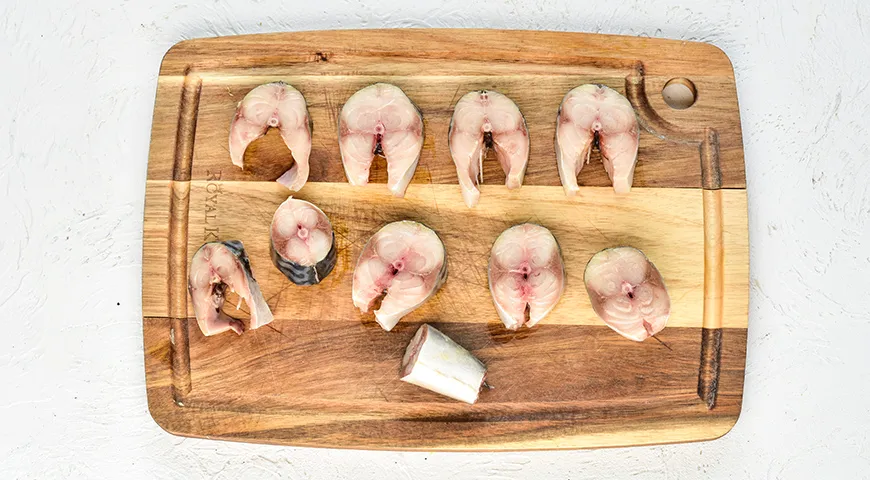
- Prepare the mackerel. If using frozen mackerel, thaw it slowly on the warmest shelf of your refrigerator—this preserves the flesh's structure. Once thawed, rinse the fish under cold water. Cut off the head, then open the belly and remove the entrails. Snip off the fins and tail. Rinse the cavity thoroughly. Cut the cleaned fish into large chunks (about 4–5 cm wide). Pat dry with paper towels. Place the pieces into a clean glass jar or non-reactive container. A high-quality glass container is ideal for brining as it won't impart any flavours.
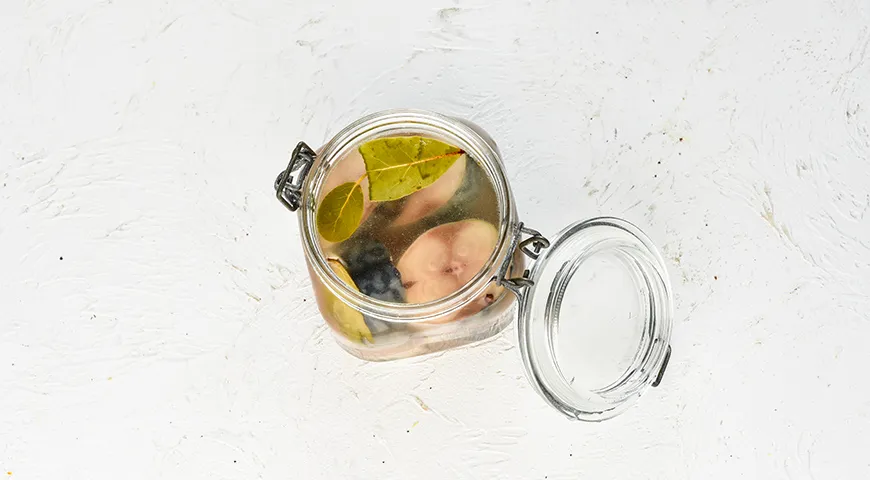
- Brine the fish. Pour the completely cooled brine over the mackerel pieces, ensuring they are fully submerged. Seal the jar with a lid and place it in the refrigerator. Allow the fish to cure for 24 hours. During this time, the salt gently penetrates the flesh, firming it and developing flavour. For even absorption, you can gently shake the jar once or twice. If you enjoy experimenting with other curing methods, explore steam canning techniques for preserving fish long-term.
- Serve. After 24 hours, remove the mackerel pieces from the brine. Discard the brine. Arrange the fish on a serving plate. You may garnish with fresh dill, lemon wedges, or thinly sliced red onion. The lightly salted mackerel pairs beautifully with rye bread, boiled potatoes, or a crisp green salad. For a finishing touch, a drizzle of good olive oil and a sprinkle of fresh coriander seeds can elevate the presentation. If you have leftover fish, store it in an airtight container in the refrigerator for up to 3 days—though it rarely lasts that long!
Tips for Perfect Lightly Salted Mackerel
- Fish selection: Always choose the freshest mackerel possible. If using frozen, thaw it in the refrigerator, never at room temperature, to maintain texture.
- Salt amount: Stick to exactly 45 g per litre of water. This ratio (about 4.5% salinity) is optimal for quick brining. Using iodised salt can impart a slight metallic taste, so prefer non-iodised sea salt or kosher salt.
- Cooling the brine: Do not shortcut this step. A warm brine will start cooking the fish, resulting in a flaky, tough texture instead of the desired silken, translucent finish. You can place the saucepan in an ice bath to speed cooling.
- Cutting pieces: Cutting the fish into equal-sized chunks ensures even brining. If you prefer a whole fillet, you can butterfly the mackerel before brining, but increase the time by 6–8 hours.
- Spice variations: Feel free to add a clove of garlic, a slice of lemon, or a pinch of sugar to the brine for additional complexity.
- Using a non-toxic immersion blender to make a quick dill sauce for serving is a great complement to the fish.
Variations to Explore
Once you master the classic brine, you can adapt it in many ways. For a Scandinavian twist, add dill sprigs and a tablespoon of sugar to the brine. For a spicier version, include a dried chilli pepper or a teaspoon of mustard seeds. You can also replace half the water with apple cider vinegar for a pickled effect—though then it becomes more of a marinade. If you're a fan of charcuterie, the same brining principles apply to other fatty fish like salmon or trout. For a fully equipped kitchen that can handle all these projects, consider a planetary mixer for making herbed butters or mayonnaise to accompany the fish. Another delightful variation is to smoke the salted mackerel after brining; pair it with a commercial countertop convection oven for even heat distribution during a light cold smoke.
FAQ
How long does lightly salted mackerel last in the fridge?
Once brined and removed from the liquid, the fish keeps for 3 to 5 days in an airtight container in the refrigerator. For longer storage, you can freeze the salted mackerel for up to 2 months, though the texture may soften slightly upon thawing.
Can I use frozen mackerel directly without thawing?
No, always thaw frozen mackerel completely in the refrigerator before brining. Brining a frozen fish will result in uneven salt penetration and a watery, mushy texture. Patience is key—allow 12–24 hours for thawing.
Why did my mackerel turn out too salty?
Excess salt usually comes from over-brining or using too much salt. Stick to the 45 g per litre ratio. If you accidentally oversalt, soak the finished fish in cold water for 30 minutes to draw out some salt, then pat dry and serve.
Can I reuse the brine?
It is not recommended. The brine contains raw fish juices and bacteria after use. For food safety, always discard the brine after a single use. Fresh brine is easy to make each time.
What do I serve with lightly salted mackerel?
Classic pairings include dark rye bread, unsalted butter, boiled eggs, boiled potatoes, and fresh herbs. It also works well in salads—try it with arugula, shaved fennel, and a lemon vinaigrette. For an elegant appetizer, arrange slices on a platter with capers and pickled onions. A drizzle of quality olive oil and a sprinkle of chocolate-covered raisins might be unusual, but the sweet-savoury contrast can be delightful for adventurous palates.
Is it safe to eat raw mackerel after brining?
Yes, this process is a form of cold curing similar to gravlax. The salt and refrigeration create an environment that inhibits harmful bacteria. However, always start with very fresh, high-quality fish from a reputable source. If you have any doubts, you can freeze the mackerel at -20°C for 72 hours before brining to kill potential parasites.
Beyond the Brine: Elevating Your Kitchen Game
Perfecting this lightly salted mackerel recipe is just the beginning. Mastering brining opens doors to other cured fish and meats. To streamline your cooking, invest in tools that make the process effortless. A quality food processor can whip up dressings and dips in seconds. For precise temperature control when making gravlax or other cures, a refrigerant leak detector ensures your fridge runs optimally. And when you want to expand your repertoire to include smoked fish, a wall oven microwave combo with air fryer can mimic smoking effects with controlled hot air.
This recipe is a testament to the beauty of simplicity. With just a handful of ingredients and a single day of patience, you create something far greater than the sum of its parts—a dish that carries the essence of the sea, the warmth of spices, and the pride of homemade craft. Whether you serve it at a family dinner or a festive gathering, lightly salted mackerel is sure to impress. And if you're feeling adventurous, why not try pairing it with a sweet, high-alcohol wine for a contrasting pairing that will wow your guests?
Recipe adapted from Gastronom.ru. For more Russian-inspired dishes, visit our collection of cake and biscuit recipes for a sweet finish to your meal.







