


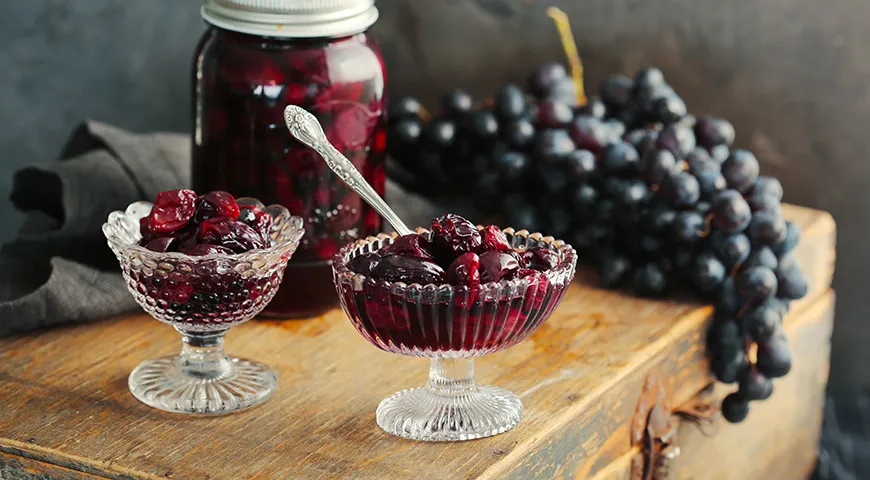
There is a quiet poetry in preserving the season's bounty, especially when it involves the dark, fragrant grapes of the Isabella and Lydia varieties. In Russian homes, varenye is more than jam—it is a memory of summer captured in a spoonful. This Grape Jam with Seeds (варенье из винограда с косточками) honors tradition by keeping the seeds intact, which lends a subtle tannic complexity and a satisfying crunch. The process is simple yet requires patience, allowing the grapes to soften and the syrup to thicken into a jewel-like preserve. Perfect for spreading on buttered toast, spooning over pancakes, or pairing with a wedge of sharp cheese, this recipe yields about 1.5 liters of deeply flavorful jam. Whether you are a seasoned preserver or a curious cook, join us as we walk through each step, from selecting the best grapes to storing the finished jars in a cool, dark place.
About This Rustic Russian Preserve
Unlike seedless jams that aim for uniform smoothness, grape jam with seeds celebrates texture and depth. The Isabella grape, with its distinctive musky aroma, and the Lydia grape, a sweet-tart relative, are traditional choices because their thick skins and prominent seeds hold up beautifully during cooking. The seeds release subtle flavors of almond and spice, creating a multidimensional preserve that pairs wonderfully with both sweet and savory dishes. This recipe has been passed down through generations, often made in large batches during the late summer harvest. The key is a gentle, slow simmer that coaxes the grapes to release their juices without scorching. For those who prefer seedless variations, consider using a food processor to break down the fruit after cooking, but purists will insist on leaving the seeds as nature intended.

Ingredients
- 1 kg grapes (preferably Isabella and Lydia varieties)
- 1 kg sugar
- 250 ml water
That is all you need. No pectin, no lemon juice—just fruit, sugar, and water. The natural pectin in grape skins, especially when the seeds are included, ensures a good set. Use organic grapes if possible, as the skins are not peeled. For the best flavor, seek out grape varieties that are intensely aromatic. If you cannot find Isabella or Lydia, Concord grapes make an excellent substitute. To ensure accurate measurements, a kitchen scale and a liquid measuring cup are your best friends.
Step-by-Step: How to Make Grape Jam with Seeds
Step 1: Prepare the Grapes
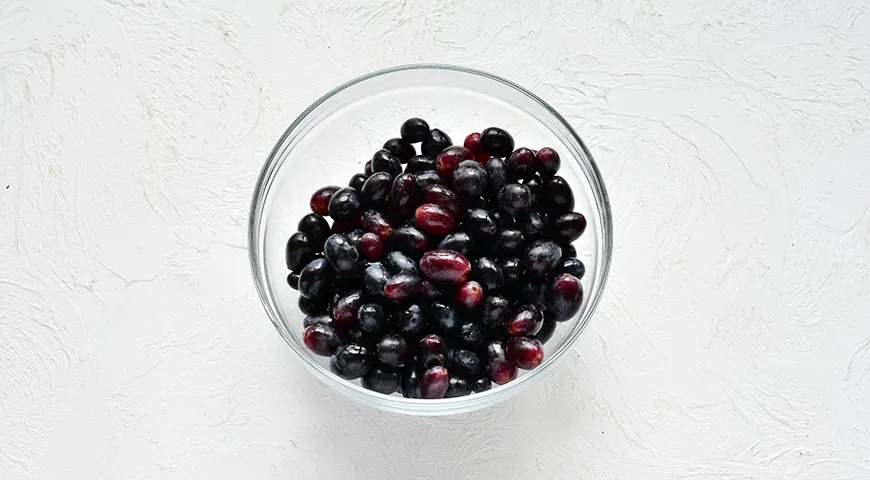
Begin by removing the grapes from their stems. Discard any wrinkled, crushed, or moldy berries. The goal is to select only perfect, plump grapes. Rinse them under cold running water in a colander, then let them drain and air-dry for about 15 minutes. This prevents excess water from diluting the syrup.
Step 2: Wash and Dry
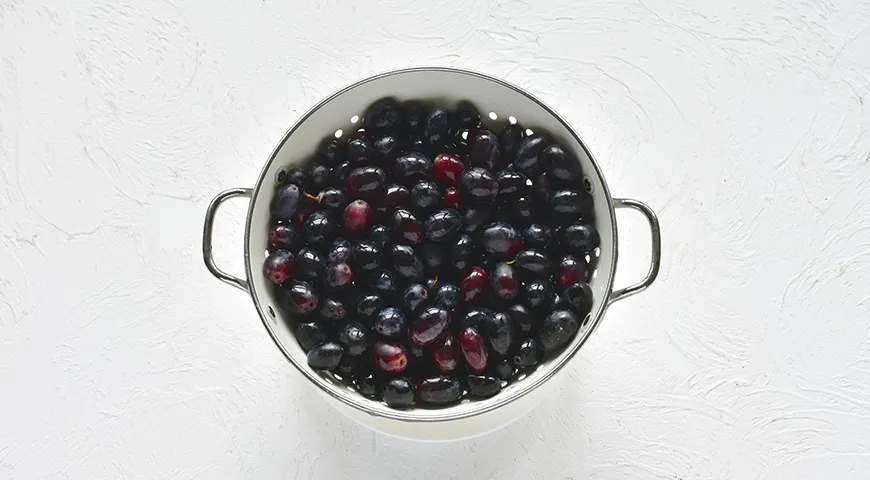
Place the cleaned grapes in a colander and give them a final rinse under cool water. Shake off the excess moisture and spread them on a clean kitchen towel to dry completely. Any residual water can cause the syrup to become too thin.
Step 3: Combine Grapes and Pot
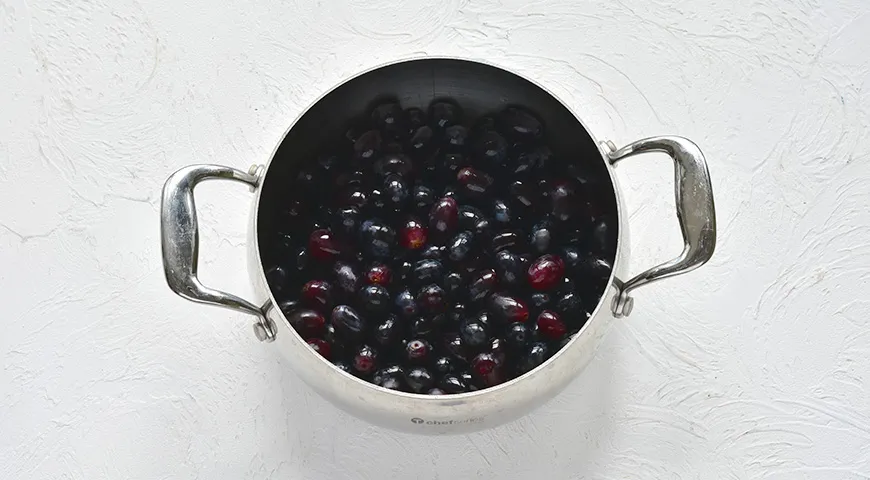
Transfer the dry grapes into a heavy-bottomed saucepan or a traditional preserving pan. A wide, shallow pan allows for even heat distribution and faster evaporation. Stainless steel or enameled cast iron works best; avoid unlined aluminum, which can react with the acid in the fruit. If you are using an induction cooktop, ensure your pan is compatible with a commercial-grade heat source.
Step 4: Make the Syrup
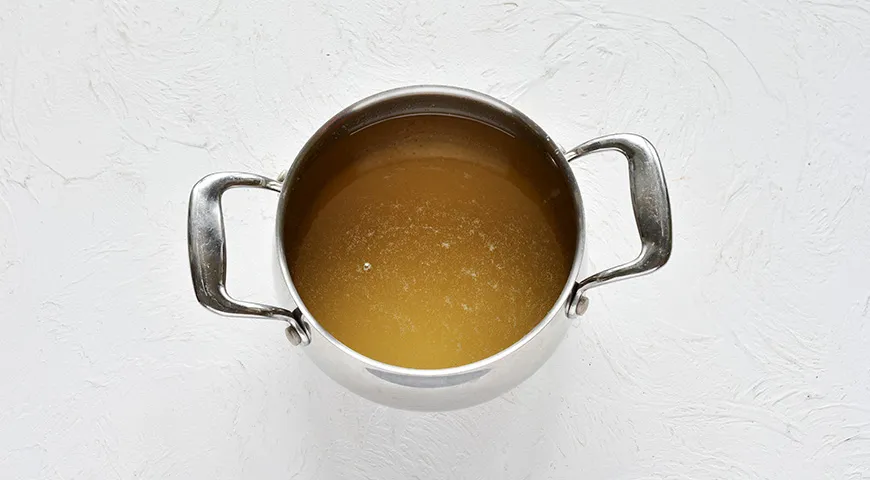
In a separate small saucepan, bring the 250 ml of water to a boil. Add the sugar and stir continuously until it fully dissolves. Allow the syrup to come to a rolling boil for about 2 minutes, then remove from heat. The clarity of the syrup is important—a clean, translucent sugar base will yield a bright jam. Use a non-toxic immersion blender only if you plan to puree the jam later.
Step 5: Pour Syrup Over Grapes
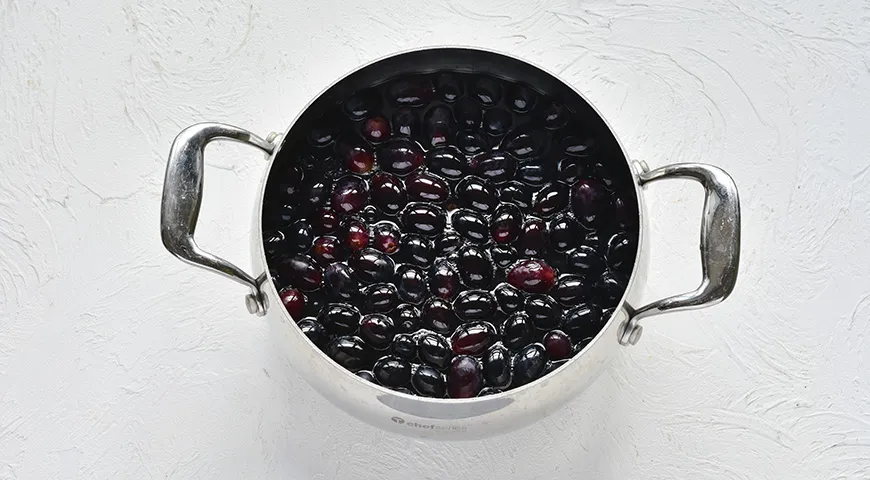
Pour the hot sugar syrup directly over the grapes in the preserving pan. Gently stir to coat every berry. Let the mixture sit at room temperature for 30 minutes. This resting period allows the grapes to soften and absorb some of the syrup, preventing them from bursting too aggressively during cooking.
Step 6: Cook the Jam
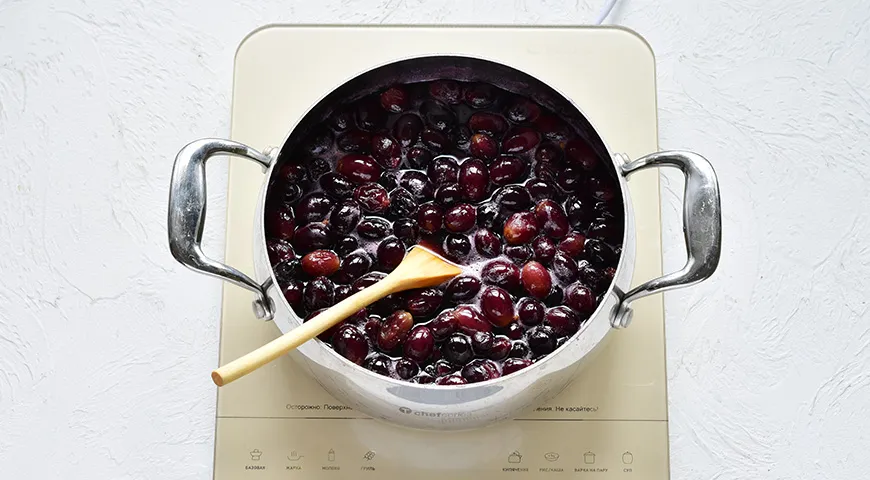
Place the pan over medium heat and bring the mixture to a gentle boil. Reduce the heat to low—maintain a slow, steady simmer. Cook for about 20 to 25 minutes, stirring occasionally with a wooden spoon or a silicone spatula. The jam is ready when the syrup has thickened enough to coat the back of a spoon, and the grapes have become translucent and slightly wrinkled. Do not overcook; the jam will continue to set as it cools. For precise temperature control, a reliable thermometer can help, though traditionalists rely on the sheet test.
Step 7: Jar and Store
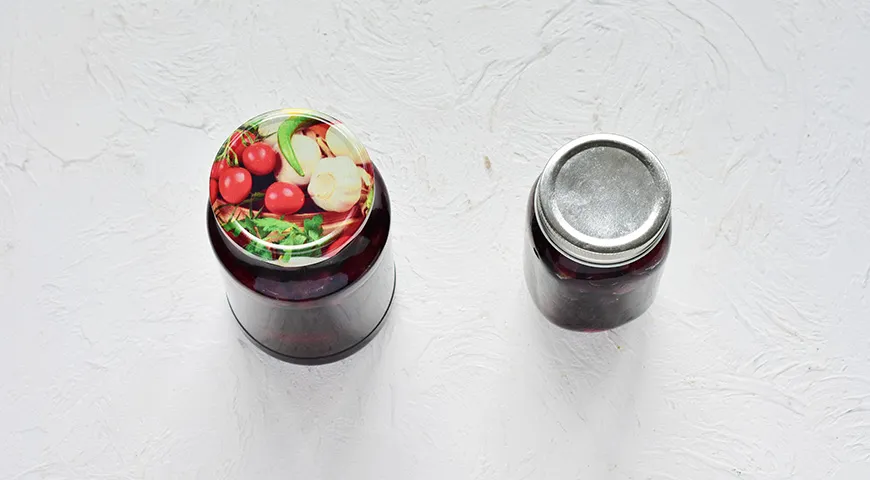
While the jam is still hot, ladle it into sterilized, dry glass jars. Leave about ½ cm of headspace. Wipe the rims with a damp cloth, seal with lids, and invert the jars for 5 minutes to create a vacuum seal. Alternatively, process in a water bath for 10 minutes for longer storage. Label and store in a cool, dark place. Properly sealed jars will keep for up to a year. For easy canning, consider using a steam canner for efficiency.
Tips for Perfect Grape Jam Every Time
- Use slightly underripe grapes for higher natural pectin, which helps the jam set better.
- Do not crush the grapes before cooking; whole berries retain their shape and create a beautiful texture.
- Skim any foam that rises to the surface during cooking for a clearer final product.
- Test for doneness by placing a spoonful on a chilled plate and tilting it. If the jam wrinkles, it is ready.
- If you prefer a seedless jam, pass the cooked mixture through a food mill or use a juicer to separate solids, though this will alter the rustic character.
Variations to Explore
- Spiced Grape Jam: Add a cinnamon stick, 3 cloves, and a star anise to the syrup while it boils. Remove spices before jarring.
- Wine-Infused Jam: Replace 100 ml of water with a full-bodied red wine, such as a sweet dessert wine, for added depth.
- Citrus Twist: Include the zest and juice of one lemon to brighten the flavor and boost pectin.
- Herbal Note: Steep a sprig of fresh rosemary or thyme in the syrup for a savory counterpoint.
- Low-Sugar Option: Use a reduced amount of sugar (700 g) and add 2 tablespoons of apple pectin powder. The texture will be softer, and the flavor more tart.
Frequently Asked Questions
Can I use seedless grapes for this recipe?
Yes, but the jam will lack the characteristic crunch and subtle almond notes from the seeds. If using seedless grapes, the cooking time may be shorter as the skins are thinner. You may also need to add pectin to achieve a gel. For a smooth texture, use a immersion blender at the end.
Why does my jam crystallize?
Crystallization often occurs when too much sugar is used or when the jam is cooked too quickly. Be sure to dissolve the sugar fully before adding the grapes, and avoid stirring once the jam is boiling (except to prevent sticking). A squeeze of lemon juice can help inhibit crystals.
How long does this jam last once opened?
Once opened, store the jar in the refrigerator. It will keep for up to 3 months if always sealed tightly after use. If any mold appears, discard the entire batch. For extended shelf life, consider canning in smaller jars.
Can I double the recipe?
Absolutely. Just ensure your pot is large enough—at least 8 liters capacity—because the jam bubbles up during cooking. Adjust the cooking time slightly; it may take 5 to 10 minutes longer. Use a planetary mixer? Not for this, but a large preserving pan is ideal.
What are the best grape varieties for this jam?
Isabella and Lydia are traditional, but Concord, Muscat, or even Black Corinth work well. The key is a grape with thick skin, intense flavor, and noticeable seeds. Avoid table grapes like Thompson seedless, which are too watery and lack character. A organic vodka can be used to rinse jars for sterilization.
Can I freeze the jam instead of canning?
Yes. Let the jam cool completely, then transfer to freezer-safe containers, leaving 1 cm headspace. It will keep for up to 6 months. Thaw in the refrigerator overnight before serving. This method is perfect for small batches. For larger quantities, a undercounter ice maker ensures you always have ice for chilling test plates.
Making grape jam with seeds is a rewarding journey into Russian culinary heritage. The interplay of sweet syrup, tender skins, and pop of seeds creates a preserve that is both comforting and sophisticated. Whether you serve it on fresh scones, alongside a cheese board, or simply by the spoonful, this jam brings a taste of the vineyard into your home. For more preserving inspiration, explore our chocolate-covered raisin and Catalan sponge cake recipes—perfect pairings for your homemade jam.







