


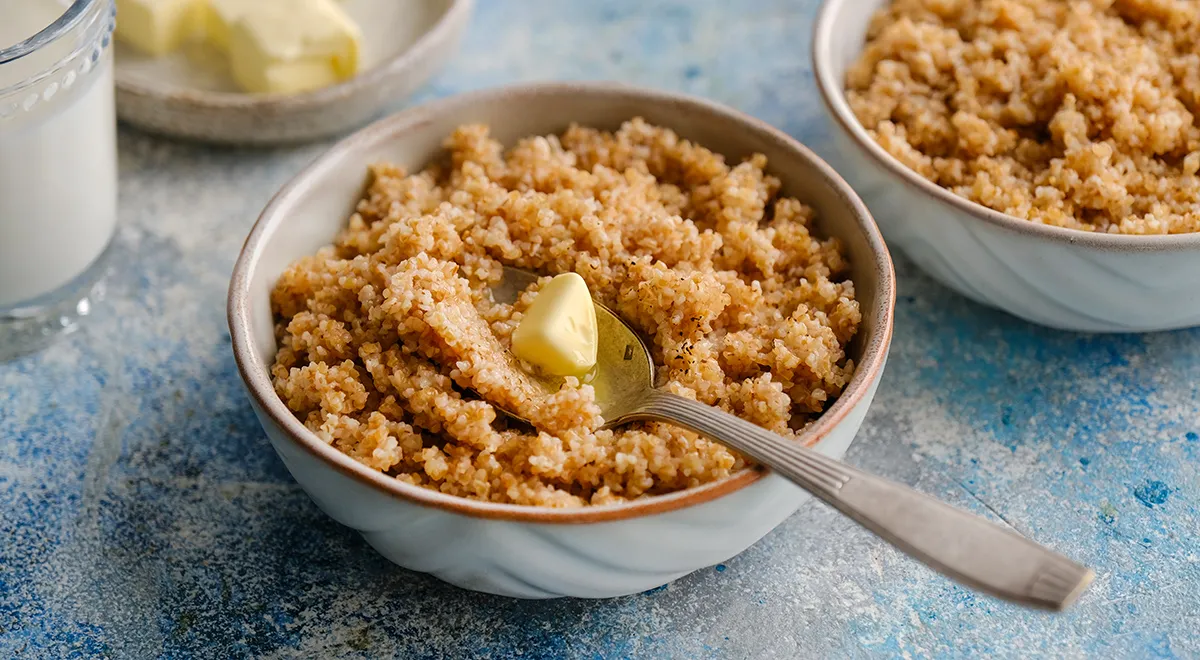
There is a quiet poetry in a bowl of perfectly cooked wheat porridge. It is not a dish that shouts; rather, it whispers of hearth, patience, and the simple joy of grain transformed. This Russian classic – pshenichnaya kasha – made on water yields a fluffy, separate-grained texture that feels both rustic and refined. In this article, we guide you through the steps to achieve that elusive, airy perfection, alongside tips, variations, and answers to your most pressing questions.
The Art of Wheat Porridge
Wheat porridge holds a revered place in Slavic cuisine, often served as a comforting breakfast or a hearty side dish. Unlike creamy porridges, the goal here is a fluffy, non-sticky result where each grain retains its identity. The secret lies in a careful balance of water, rinsing, and gentle cooking. Using a reliable best glass food processor for grinding fresh wheat berries can elevate the flavour, but this recipe uses standard cracked wheat for convenience.

Ingredients
- 150 g cracked wheat (pshenichnaya krupa)
- 350 ml drinking water
- 1/3 teaspoon fine sea salt
- 30 g unsalted butter
- Sugar to taste (optional)
Step-by-Step Instructions
Step 1: Rinse the Wheat
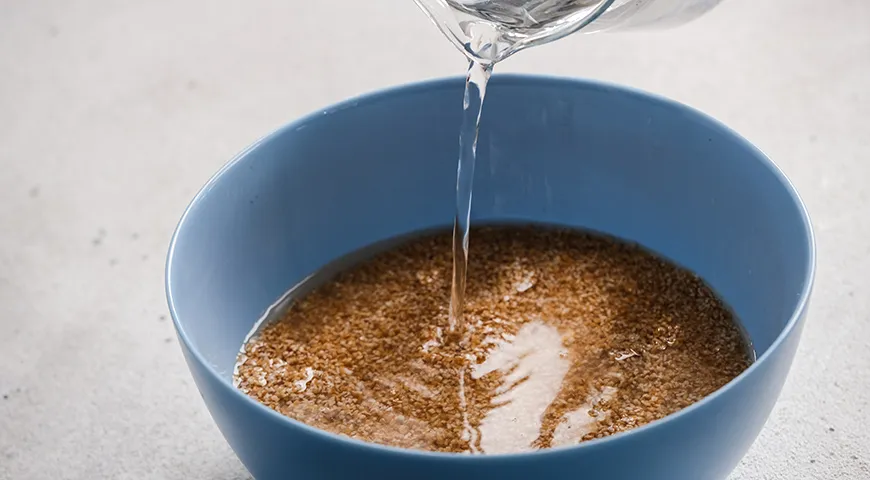
Begin by preparing your wheat. Place the grains in a deep bowl and cover with cold running water. Use your hands to swirl and rinse. Pour off the cloudy water and repeat until the water runs almost clear – this removes excess starch and prevents clumping. For an ultra-clean start, a non-toxic immersion blender might not be directly needed here, but consider it for pureeing leftovers into a creamy soup.
Step 2: Cook the Porridge
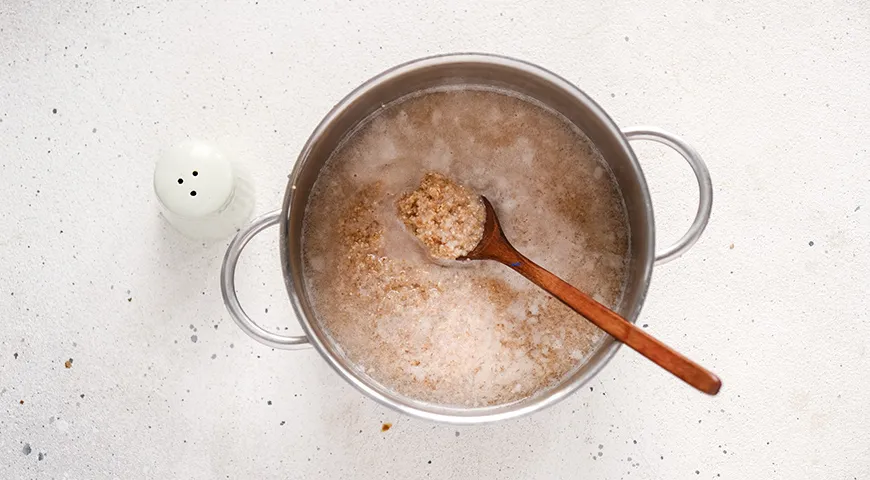
Transfer the rinsed wheat to a saucepan. Pour in 350 ml of fresh drinking water and bring to a boil over medium-high heat. Stir in the salt. Reduce the heat to the lowest setting and simmer gently for 20 minutes, stirring occasionally, until the liquid is absorbed and the grains are tender but separate. A microwave pressure cooker can cut this time if you prefer, but stovetop gives you control.
Step 3: Finish and Rest
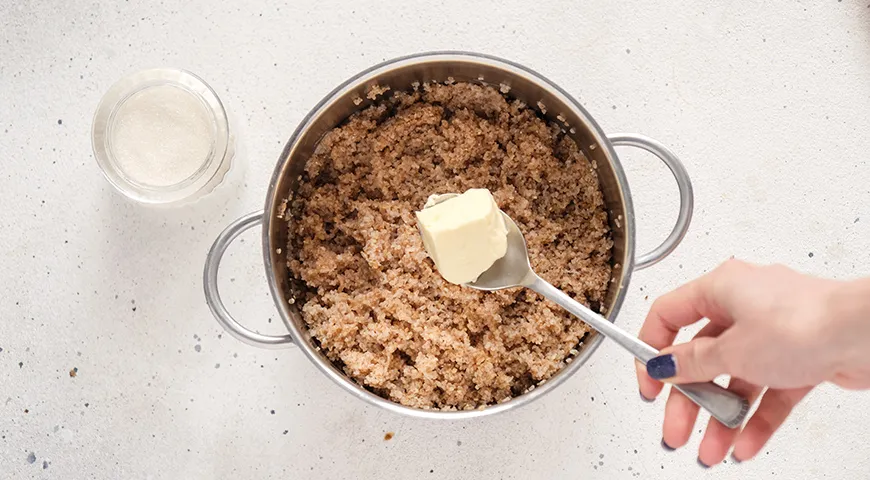
Remove the pan from the heat. Add the butter and sugar to taste, stirring gently to melt the butter. Cover the pan tightly with a lid and allow the porridge to rest for 20 minutes on the turned-off burner. This steaming period ensures each grain becomes plump and separate. Serve warm in individual bowls.
Tips for Perfect Fluffy Porridge
- Rinse thoroughly – Even if you buy pre-washed grain, an extra rinse guarantees fluffiness.
- Don’t stir too much – Over-stirring releases starch and turns the porridge gummy.
- Use a heavy-bottomed pan – Even heat prevents burning. A commercial countertop convection oven isn’t for stovetop, but a good Dutch oven works wonders.
- Let it rest – The off-heat steaming is non-negotiable for that airy texture.
- Butter is key – Use high-quality unsalted butter for a rich finish.
Delicious Variations
While this basic recipe shines, you can tailor it endlessly. Stir in a handful of toasted nuts or dried fruit after cooking. For a savoury twist, skip the sugar and add sautéed mushrooms and thyme. If you have a food processor for nut butter, grind your own almond paste to swirl in. For a savory side, pair with braised meat – perhaps using an wall oven microwave combo with air fryer to roast chicken thighs alongside. Alternatively, pour a little maple syrup and a splash of milk for a breakfast bowl reminiscent of a chocolate covered raisin indulgence.
FAQ
Can I use whole wheat berries instead of cracked wheat?
Yes, but you’ll need to soak them overnight and cook for 40–50 minutes. Adjust water to 1:3 ratio.
How do I store leftover porridge?
Refrigerate in an airtight container for up to 3 days. To reheat, add a splash of water or milk and microwave, stirring halfway. A microwave pressure cooker can reheat quickly without drying.
Can I make this vegan?
Absolutely. Replace butter with a plant-based alternative or a drizzle of extra-virgin olive oil and use coconut sugar.
Why did my porridge turn out sticky?
Most likely because you didn’t rinse the grains enough or you stirred too vigorously. Next time, rinse until water runs clear and use gentle folding motions.
What other grains can I use with this method?
Similar techniques work for spelt, farro, or buckwheat. If using buckwheat, try a best organic vodka pairing with Russian dishes – though that’s for a different course!
Is this dish gluten-free?
No, wheat contains gluten. For a gluten-free alternative, use certified gluten-free oats or buckwheat groats.
Can I add milk?
This recipe is water-based for fluffiness. If you prefer creamy porridge, substitute half the water with milk – but note the texture will be less separate.
Final Thoughts
Fluffy wheat porridge on water is a testament to simplicity done right. With a few mindful techniques and quality ingredients, you can bring a taste of Russian tradition to your table. For more kitchen inspiration, explore our reviews of non-toxic air fryers and espresso machines under $2000 – because every meal deserves the perfect companion.







