


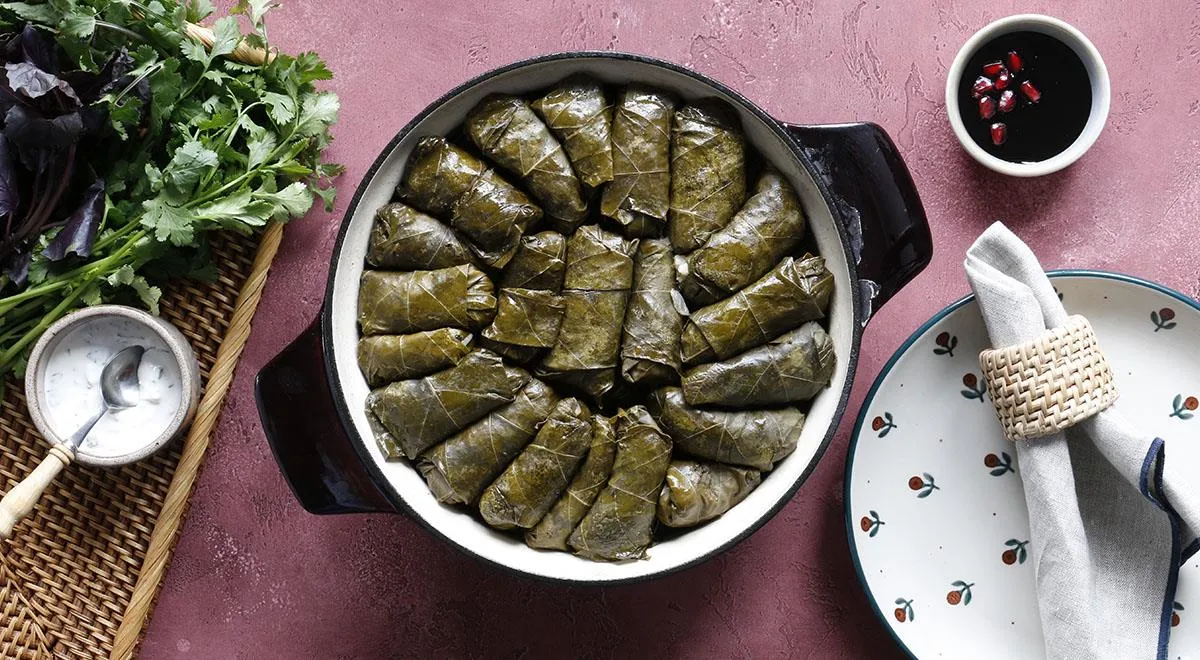
Dolma—a cherished dish across the Caucasus, Balkans, and Middle East—transforms simple grape leaves into parcels of pure comfort. While traditional versions often call for lamb, this adaptation uses a succulent blend of pork and beef for a milder, equally rich flavor. Paired with fragrant rice, fresh herbs, and a creamy yogurt-mint sauce, it is a meal that satisfies both soul and appetite. Whether you are a seasoned cook or new to dolma, this guide will walk you through every step, from selecting the best non-toxic kitchen tools to achieving that perfect tender bite. Let us embark on a culinary journey to the heart of Eastern cuisine.
About Dolma
Dolma (meaning "filled" in Turkish) is a time-honored technique of stuffing vegetables—or vine leaves—with a savory mixture. This version hails from the southern regions of the former Soviet Union, where grape leaves are abundant. The filling balances juicy meat, aromatic herbs, and plump rice, all wrapped in brined leaves that impart a subtle tang. A gentle simmer in a butter-enriched broth creates a luscious sauce that coats each parcel. For those who love hands-on cooking, dolma rewards patience with deep, layered flavors. Explore more food processor techniques to streamline your prep.

Ingredients
- 700 g beef (chuck or round)
- 300 g pork (shoulder or loin)
- 100 g onion
- 300 g short-grain rice (risotto or sushi rice works well)
- 100 g unsalted butter
- 40–50 grape leaves (brined or fresh, blanched)
- Salt to taste (about 2 tsp)
- Freshly ground black pepper (about 1 tsp)
- Fresh herbs: 1 bunch each of parsley, dill, and mint (finely chopped)
For the sauce: 250 ml matzoon or plain Greek yogurt, plus 2 tbsp fresh mint, finely chopped. Using a quality immersion blender can help emulsify your sauce to silky perfection.
Step-by-Step Guide
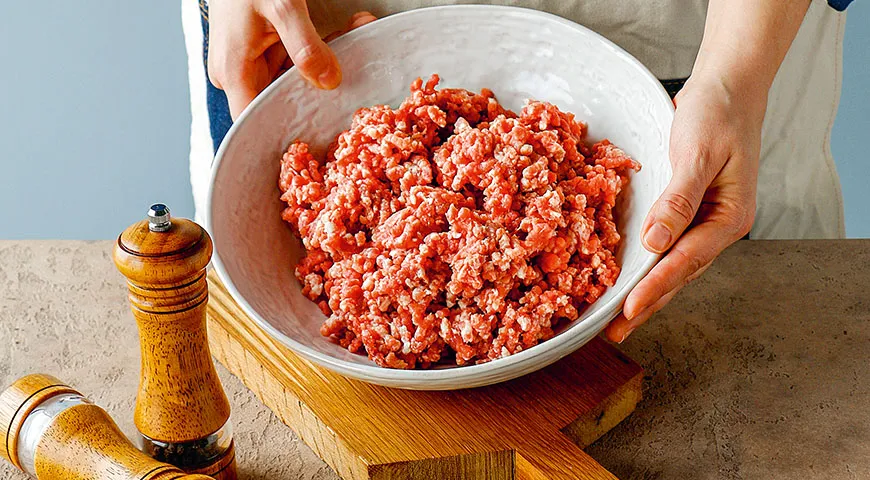
- Grind the meat. Pass the beef and pork through a meat grinder (medium die). A robust planetary mixer can also handle this task if you have a grinding attachment. The result should be a coarse, not pasty, mixture.
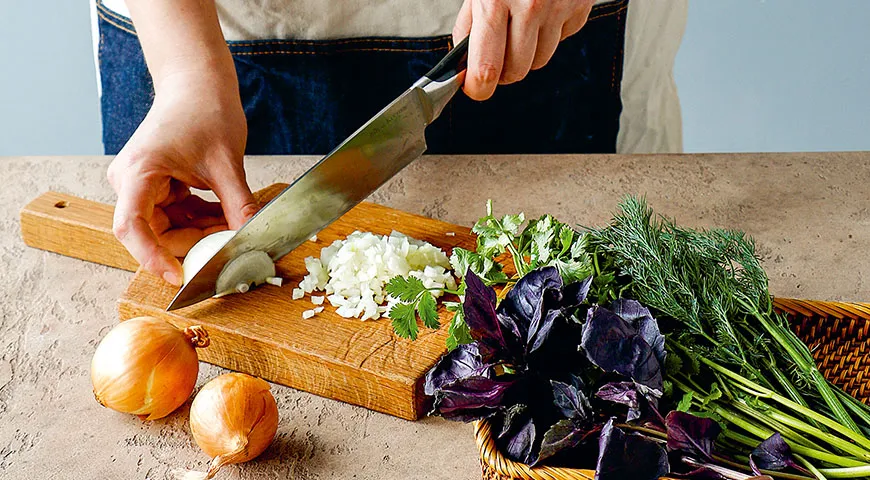
- Finely chop onion and herbs. Dice the onion into tiny cubes, then chop the parsley, dill, and mint until almost minced. A sharp knife is essential, but a good food processor can make quick work of the herbs without bruising.
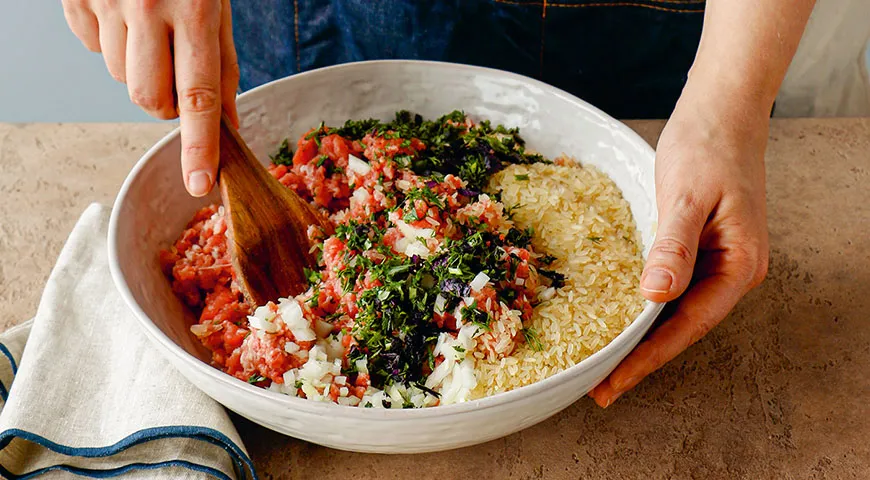
- Combine the filling. In a large bowl, mix the ground meat, chopped onion, herbs, and the short-grain rice. The rice will absorb flavors as it cooks. For a lighter texture, consider using freshly juiced wheatgrass as a health boost? Not here—stick to classic rice.
- Season the mixture. Add 2 teaspoons of salt and 1 teaspoon of freshly ground black pepper. If using brined grape leaves, reduce the salt slightly—those leaves carry a lot of brine. Taste a small raw bit for seasoning adjustment. A reliable leak detector won't help here, but proper seasoning is key.
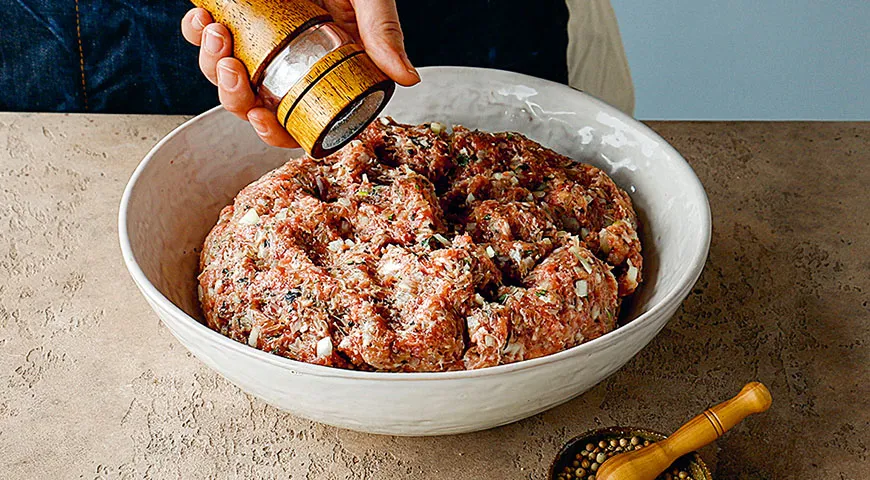
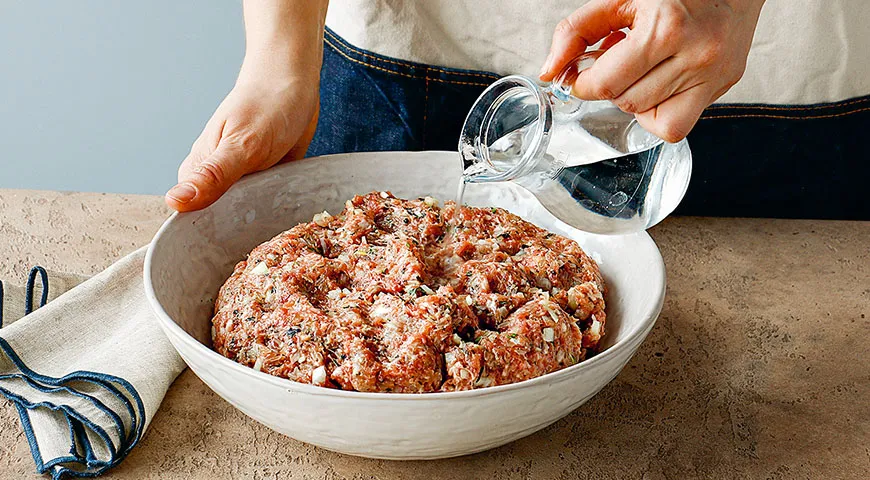
- Add warm water and mix by hand. Pour in about 100 ml of warm water and knead the mixture with your hands until it becomes homogenous and slightly sticky. This moisture ensures the grains cook evenly and the parcels stay juicy. After mixing, cover and refrigerate for 30 minutes to let flavors meld.
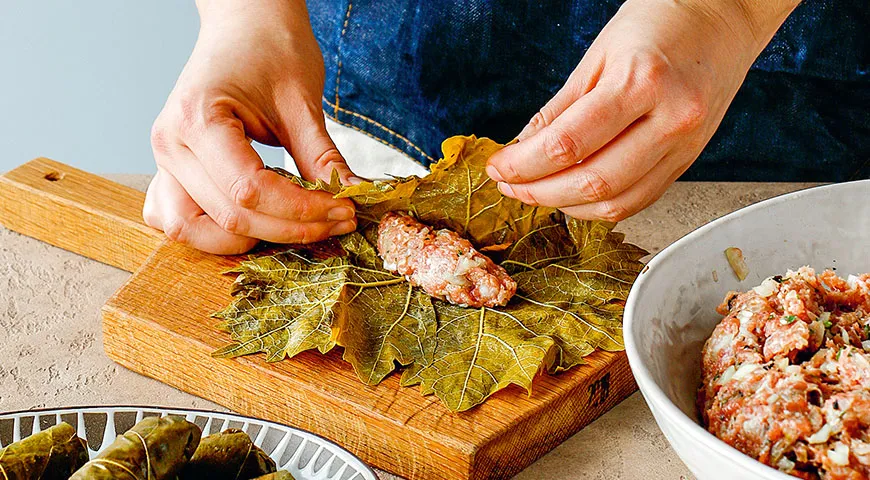
- Roll the dolma. Place a grape leaf smooth side down. Put about 1 teaspoon of filling near the stem end. Fold the sides inward, then roll tightly into a cigar shape—not too loose, not too tight. Repeat with remaining leaves and filling.
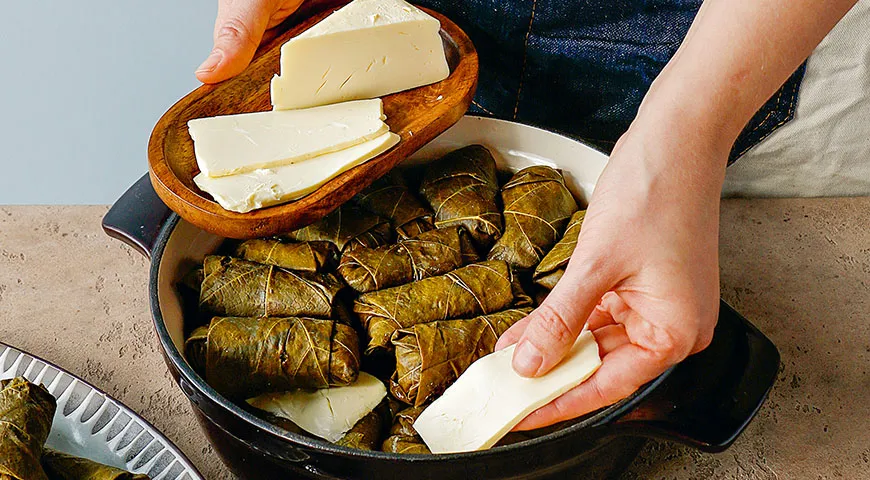
- Layer in the pot. Arrange the dolma snugly in a heavy-bottomed pot, seam side down. Dot each layer with small cubes of butter (about 20 g per layer)—this enriches the broth and adds a creamy note. For an even heat distribution, use a high-quality pressure cooker to reduce cooking time, but a regular pot works beautifully.
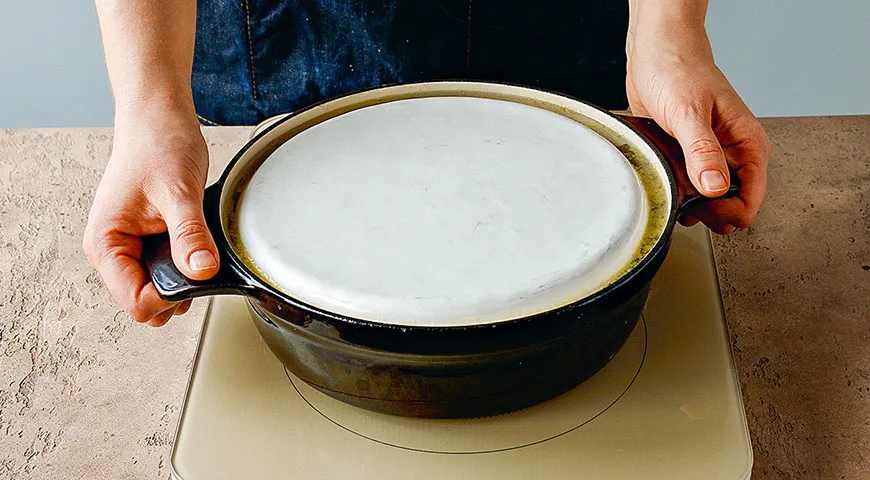
- Add water and top with a plate. Pour cold water into the pot until it sits about 1 cm above the dolma. Place a heatproof plate directly on top—this prevents parcels from floating and ensures even cooking. Do not cover with a lid; steam needs to escape.
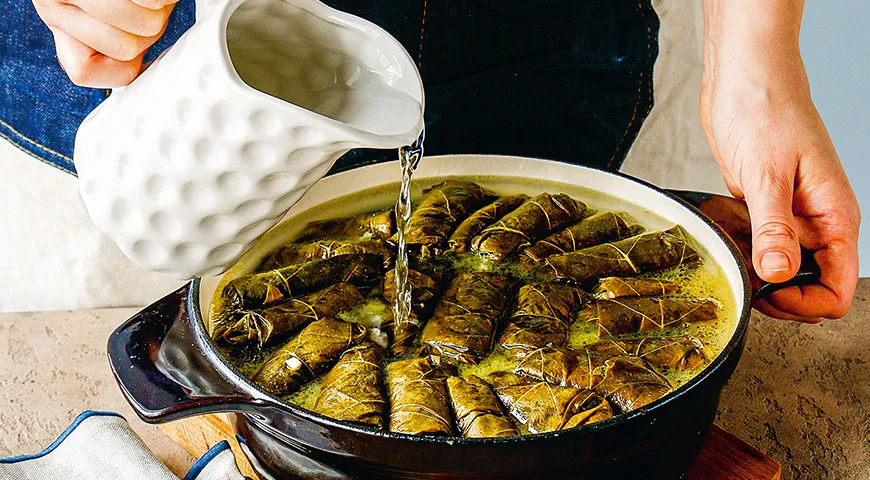
- Simmer until tender. Bring to a gentle boil, then reduce to medium-low heat. Let it simmer for 40 minutes without stirring. The broth will reduce and intensify. When the rice is fully cooked and the leaves are tender, remove from heat. Keep the plate on for 5 more minutes to let the dolma absorb the remaining liquid.
Tips for Perfect Dolma
- Grape leaves: If using fresh leaves, blanch in boiling water for 1 minute, then shock in ice water. Brined leaves require a quick rinse to remove excess salt.
- Rice selection: Short-grain rice gives the best texture—it absorbs flavors without becoming mushy. Avoid long-grain or parboiled rice.
- Butter magic: Don't skip the butter layers; they emulsify with the broth to create a rich, velvety sauce. Keep a good oil sprayer for greasing the pot if you prefer oil.
- Browning option: For extra depth, sear the bottom layer of dolma in butter before adding water. This adds a subtle caramelized note.
Variations
Vegetarian Dolma: Replace meat with a mixture of cooked lentils, mushrooms, and rice. Add dried apricots or currants for sweetness. Spicy Twist: Incorporate 1 teaspoon of Aleppo pepper or smoked paprika into the filling. Lamb Version: Use 500 g ground lamb and 500 g beef for a more traditional taste. Explore more Catalan sponge recipes for a sweet finish.
Serving Suggestions
Serve dolma warm, drizzled with the cooking broth, and accompanied by a bowl of matzoon or Greek yogurt mixed with minced mint and a pinch of salt. A side of fresh tomato and cucumber salad balances the richness. For a complete feast, pair with a sweet, high-alcohol wine that cuts through the butter.
FAQ
Can I use ground meat from the store?
Yes, but for best texture, grind your own combination of beef chuck and pork shoulder. Store-bought mince can be too fine and may result in dense dolma.
Why did my dolma fall apart during cooking?
Your rolls were likely too loose. Ensure each parcel is snug and that you place them tightly together in the pot. The plate on top keeps everything in place.
How long do leftovers keep?
Stored in an airtight container in the refrigerator, dolma stays fresh for up to 5 days. Reheat gently in a covered skillet with a splash of water.
Can I freeze dolma?
Absolutely. Freeze uncooked rolled dolma on a baking sheet, then transfer to a freezer bag. Cook from frozen, adding 10 minutes to the simmer time. Use a reliable built-in refrigerator with good freezer capacity for storage.
What if I can't find grape leaves?
Substitute with Swiss chard, collard greens, or blanched cabbage leaves. Adjust cooking time as these leaves are thicker.
Is there a dairy-free sauce option?
Yes, serve with a tahini-lemon sauce or a simple tomato-cumin reduction. For a creamy non-dairy alternative, try organic vodka? No, that's a joke—stick to cashew cream.
How do I know when the dolma is fully cooked?
The rice should be tender but not mushy, and the leaves should yield easily to a fork. The broth will be slightly thickened. A quick test: cut one open and check the rice.
Can I make dolma in a slow cooker?
Yes. Layer the dolma in a slow cooker, add broth and butter, and cook on low for 4–5 hours. This method yields exceptionally tender results. A commercial convection oven is overkill for this dish, but a slow cooker is ideal.
This dolma with pork and beef filling brings the warmth of home-style cooking to your table. With a little patience and attention to detail, you can recreate an Eastern European classic that will be requested again and again. Pair it with a reliable coffee maker for post-meal coffee, and enjoy the satisfied smiles of your guests.







