


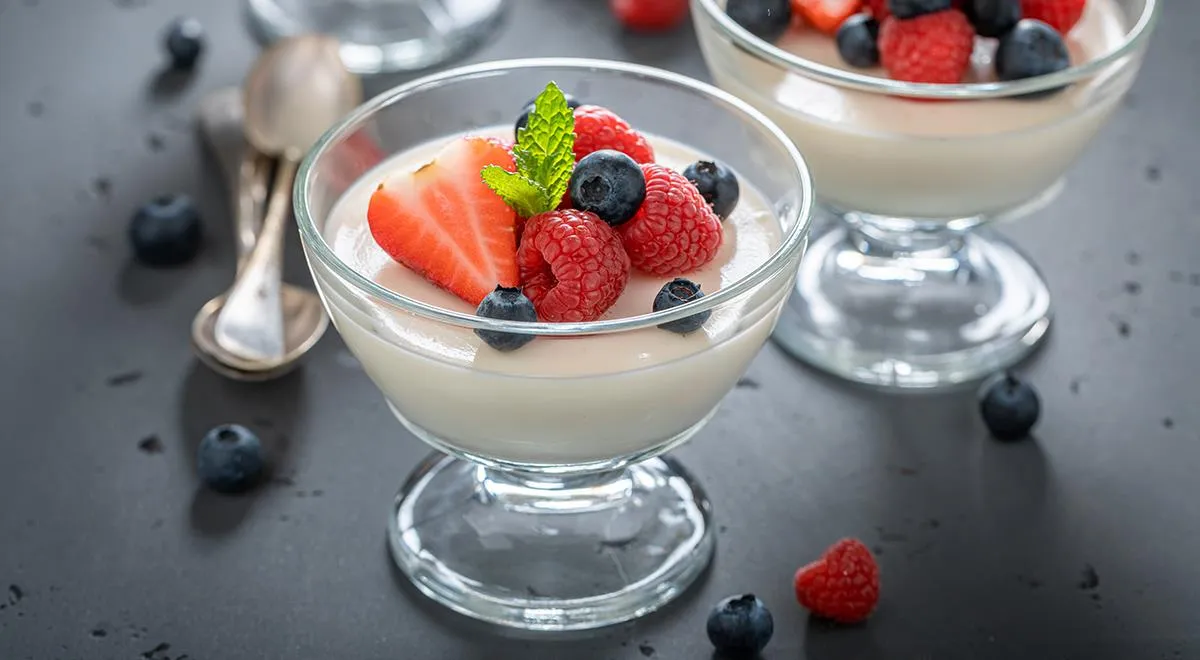
This wonderful Italian dessert – classic panna cotta – will take very little of your active time at home. But you need to prepare it in advance: first the vanilla must infuse in the cream (about an hour), and then the finished jelly must cool and set in the refrigerator, which takes another 4 to 6 hours. So plan ahead! The result is a silky, creamy, and elegant dessert that impresses every time. With this step-by-step guide, you will learn how to make authentic panna cotta with just a few simple ingredients.
About Classic Panna Cotta
Panna cotta, meaning "cooked cream" in Italian, originated in the Piedmont region of northern Italy. It is traditionally made by simmering cream with sugar and vanilla, then setting it with gelatin. Unlike many desserts served with sweet wine, panna cotta is remarkably light and versatile. It can be served plain, with berry coulis, caramel, or chocolate sauce. The key to success lies in the perfect balance of cream, sugar, and gelatin, as well as a smooth, lump-free texture. Using high-quality ingredients is essential – we recommend sourcing a reliable immersion blender for even mixing if scaling up.

Ingredients
- 500 g cream (20–38% fat, according to your preference)
- 80 g sugar
- 1 vanilla pod
- 10–13 g gelatin sheets
- Fresh berries and mint leaves for decoration
Step-by-Step Instructions
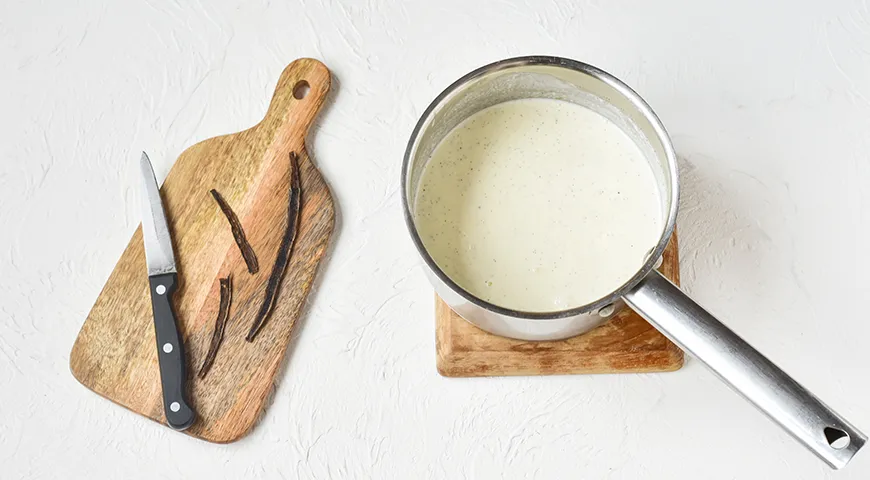
- Pour the cream into a saucepan. Cut the vanilla pod lengthwise and scrape out the seeds with a knife. Add the seeds to the cream, stir, and heat the cream to 85–90 °C. Do not let it boil! Let the cream infuse with the vanilla for about 1 hour. For precise temperature control, consider using an oil sprayer to lightly grease the saucepan if needed.
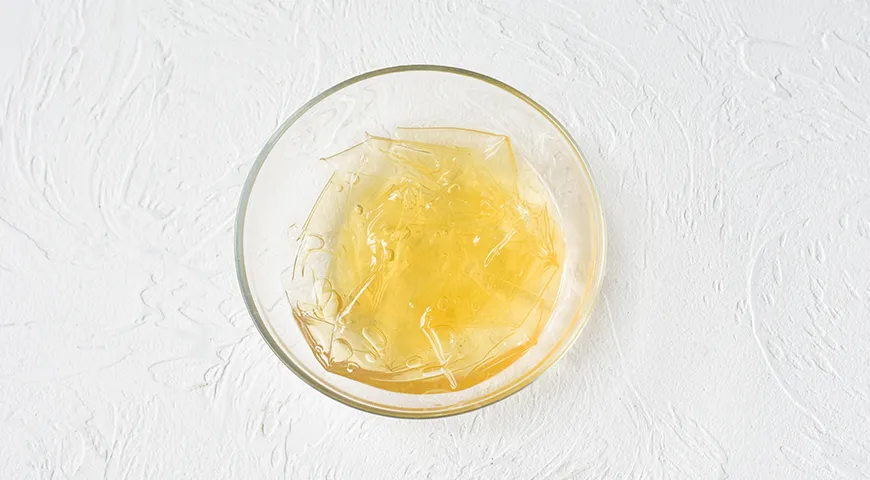
- Soak the gelatin sheets in cold water according to the package instructions (usually 10 minutes). The amount of gelatin determines the firmness of the panna cotta – 10 g gives a tender set, 13 g a firmer one. Store your gelatin properly in a dependable refrigerator to maintain its quality.
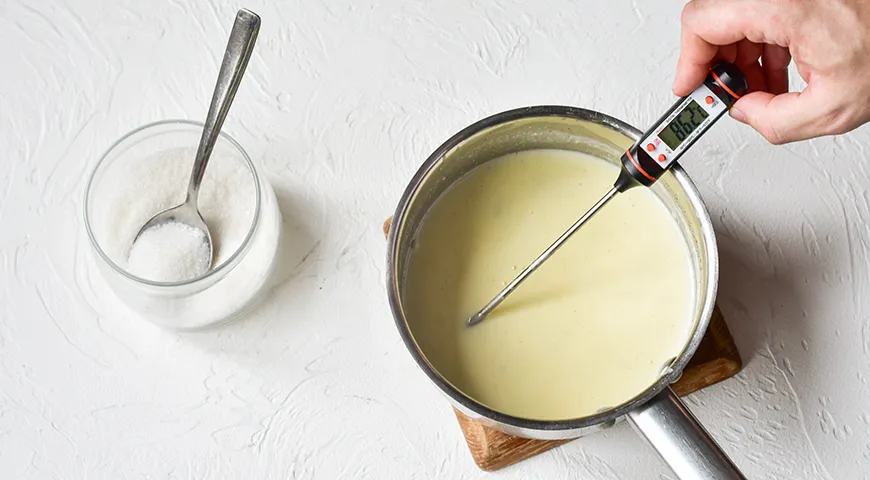
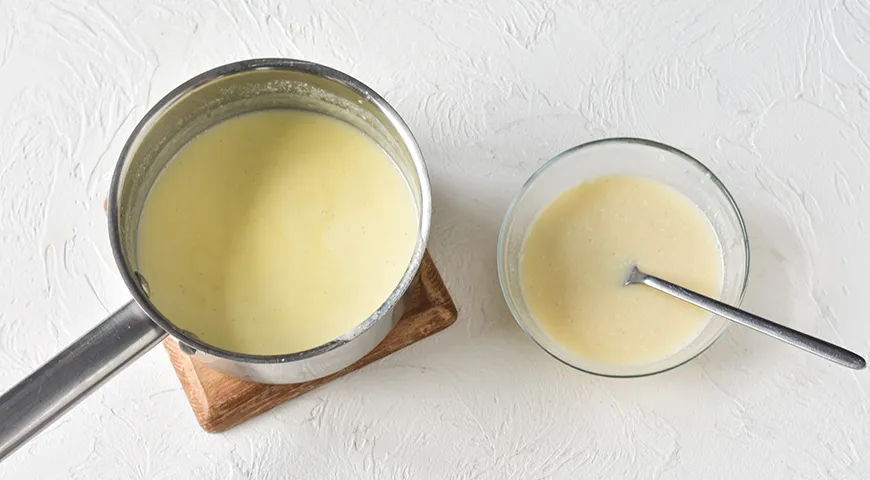
- Reheat the cream to 85–90 °C, again without boiling. Add the sugar and stir until fully dissolved. Use a planetary mixer if you are preparing a larger batch, but for home quantities a whisk works perfectly.
- Squeeze the soaked gelatin to remove excess water. In a small bowl, mix the gelatin with a ladle of the hot cream until completely dissolved. Then combine this gelatin-cream mixture with the remaining cream in the saucepan and stir very thoroughly. For a silk-smooth texture, you can pass the mixture through a fine sieve – non-toxic tools are always a good choice for food safety.
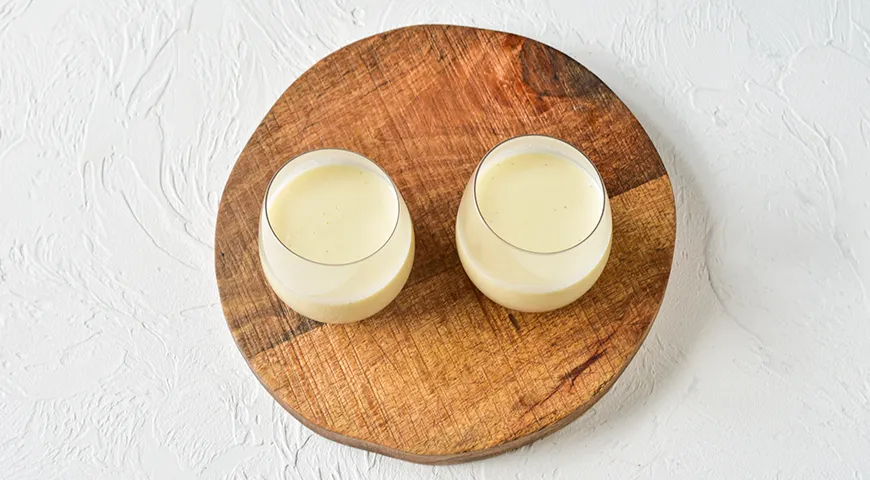
- Pour the mixture into individual molds, ramekins, or glasses. Let cool completely at room temperature, then transfer to the refrigerator for at least 4 hours until fully set. For efficient chilling, an undercounter ice maker is a great addition to your kitchen.
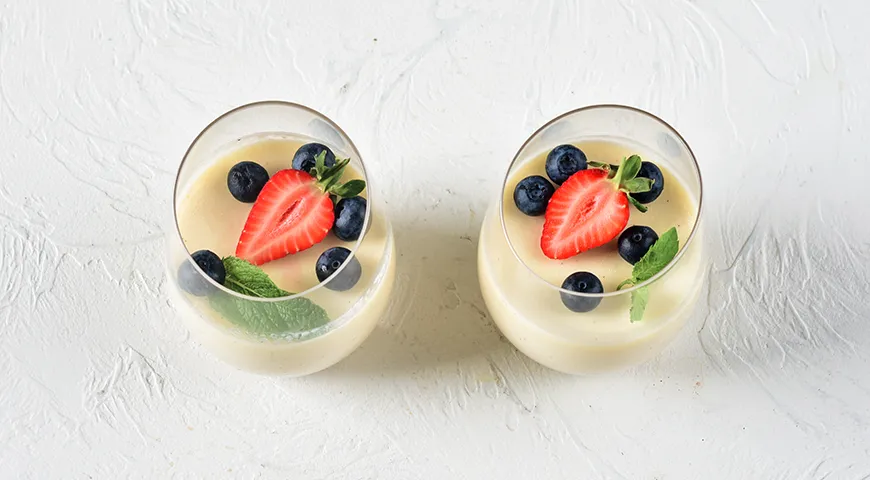
- Before serving, decorate the panna cotta with fresh berries and mint leaves. Unmold by dipping the mold briefly in hot water, then inverting onto a plate. Pair with chocolate-covered raisins for an extra treat, or serve alongside a perfectly pulled espresso.
Tips for Perfect Panna Cotta
- Use cream with at least 20% fat for the best mouthfeel. If you prefer a lighter version, you can substitute part of the cream with milk, but the texture will be less silky.
- Never boil the cream – it can cause separation or a grainy texture. Use a thermometer to keep the temperature between 85–90 °C. A refrigerant leak detector isn't needed here, but a good kitchen thermometer is essential.
- If you don't have gelatin sheets, you can use powdered gelatin (about 2–3 g less than sheets). Bloom in cold water and dissolve in hot cream just as you would with sheets.
- To avoid a skin forming on the surface, place plastic wrap directly on the cream mixture while it cools.
- For a professional touch, serve panna cotta in chilled glasses. A coffee maker for Airbnb might be more relevant for cafes, but for home, any clean glass works.
Variations
Panna cotta is endlessly customizable. Replace the vanilla with espresso for a coffee version, or add lemon zest and a splash of limoncello. For a tropical twist, infuse the cream with coconut milk and top with mango puree. You can also use the same technique to make savory panna cotta (e.g., tomato or pesto) as an appetizer. If you love experimenting, consider using organic vodka in a boozy version, or serve alongside a steam canner for preserving fruit compotes to accompany your dessert.
FAQ
Can I make panna cotta without gelatin?
Yes, but the texture will be different. You can use agar-agar as a plant-based substitute. Use about 2–3 g agar powder per 500 ml of liquid, and simmer it for 2–3 minutes to activate.
Why is my panna cotta grainy?
Graininess usually occurs when the gelatin isn't fully dissolved or the cream was overheated. Always ensure the gelatin is completely melted in a small amount of hot cream before combining. Also avoid boiling the cream.
How long can I store panna cotta?
Covered in the refrigerator, panna cotta keeps for 3–4 days. After that, it may start to weep liquid. Do not freeze, as the texture becomes watery upon thawing.
Can I use low-fat cream?
Yes, but the panna cotta will be less rich and may not set as firmly. For best results, stick with 20–38% fat cream. A food processor for nut butter is not related, but choosing the right cream is crucial.
What is the best way to unmold panna cotta?
Dip the mold in hot water for 5–10 seconds, run a knife around the edge, and invert onto a plate. For non-stick molds, you can also spray them lightly with oil before pouring the cream. Best lava flavors are fun for decorating but not needed here.
Can I add fruit puree directly into the cream?
Fresh fruit contains enzymes that can break down gelatin, causing the panna cotta to become runny. If you want a fruit-flavored panna cotta, first cook the puree to deactivate the enzymes (or use commercially frozen puree). A wall oven microwave combo with air fryer is not needed, but a simple stove works.
Enjoy your homemade classic panna cotta – a true taste of Italy that is surprisingly easy to master. For more dessert inspiration, explore our cake biscuit recipes and other kitchen tools to elevate your cooking.







