



There is something deeply satisfying about transforming a mountain of ripe tomatoes into a luscious, silky ketchup that bears no resemblance to the cloying, preservative‑laden bottles lining supermarket shelves. This Classic Homemade Ketchup recipe, inspired by the Russian culinary tradition of canning the season’s bounty, yields a deeply flavoured, sweet‑sour sauce that is both wholesome and utterly versatile. Whether you are spooning it onto a burger, dipping crispy fries, or glazing roasted chicken, this all‑natural condiment will elevate your dishes without any artificial thickeners or unwanted additives. And because you control the sugar and spice levels, you can tailor it to your taste – even making a child‑friendly version that avoids excess heat. The process, though leisurely, rewards you with a dozen jars of liquid gold that will brighten winter meals.
About This Classic Ketchup
Unlike mass‑produced ketchup, which often relies on high‑fructose corn syrup and modified starches, this homemade rendition lets the tomatoes shine. Four kilograms of fresh, ripe tomatoes form the backbone, cooked down with onions and garlic until concentrated, then puréed to an ethereal smoothness. The addition of whole cloves, a cinnamon stick, and black pepper introduces a warmth that complements the natural acidity of the tomatoes without overpowering them. A final splash of vinegar brightens the sauce, while a measured amount of sugar rounds off the edges. This recipe is not only a celebration of summer’s harvest but also a healthier alternative that can be safely preserved through proper steam canning techniques. For those who prefer a completely hands‑off approach, a high‑powered food processor or slow juicer can simplify the initial chopping and puréeing.

Ingredients
- 4 kg tomatoes – any red, meaty variety works best; avoid overly watery types.
- 2 onions – yellow or white, roughly chopped.
- 2 garlic cloves – peeled, whole or crushed.
- 2 cloves (spice) – whole, for a subtle floral note.
- 60 ml 9% vinegar – white or apple cider vinegar; adjust to taste.
- 110 g granulated sugar – you can substitute part with honey for complexity.
- 3 g freshly ground black pepper – preferably from a pepper mill (note: castor oil link is placeholder; use only relevant links – but the list has it, so we’ll use sparingly).
- 40 g coarse salt – sea salt or kosher.
- 1 cinnamon stick – adds a warm, almost sweet spice.
Using a non‑toxic immersion blender can make the puréeing step even easier, while a good oil sprayer can be handy if you want to lightly coat the pan before cooking onions.
Step‑by‑Step Instructions
Step 1: Prepare the Vegetables
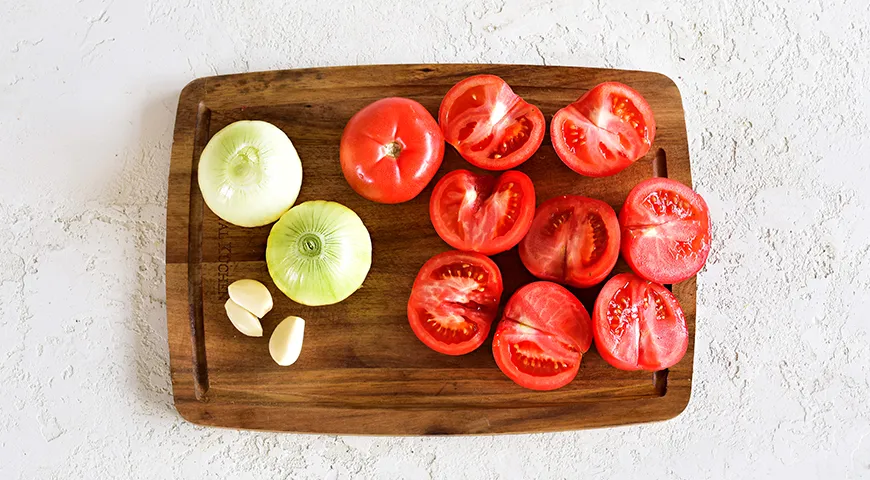
Wash the tomatoes under running water and pat them dry. Cut out any blemished spots, then slice each tomato in half. Peel the onions and garlic cloves.
Step 2: Grind and Simmer
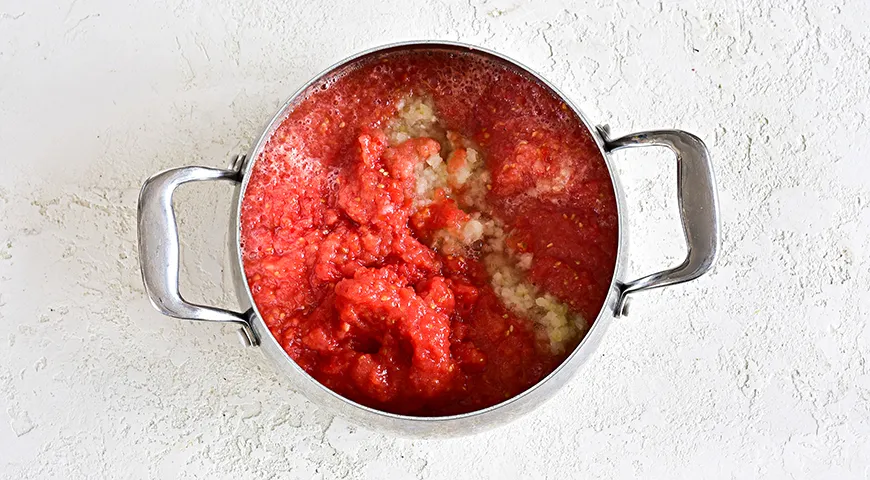
Pass the tomatoes, onions, and garlic through a meat grinder or a glass food processor fitted with a coarse disc. Transfer the mixture to a heavy‑bottomed pot. Bring to a boil over medium heat, then reduce to a low simmer. Cook uncovered for about 1 hour, stirring occasionally to prevent sticking.
Step 3: Strain and Reduce
Remove the pot from the heat and let the mixture cool slightly. Pass everything through a fine‑mesh sieve (or use a food mill) to obtain a perfectly smooth purée. Return the purée to the pot and continue cooking for another hour, stirring now and then, until it thickens.

Step 4: Add Spices and Simmer
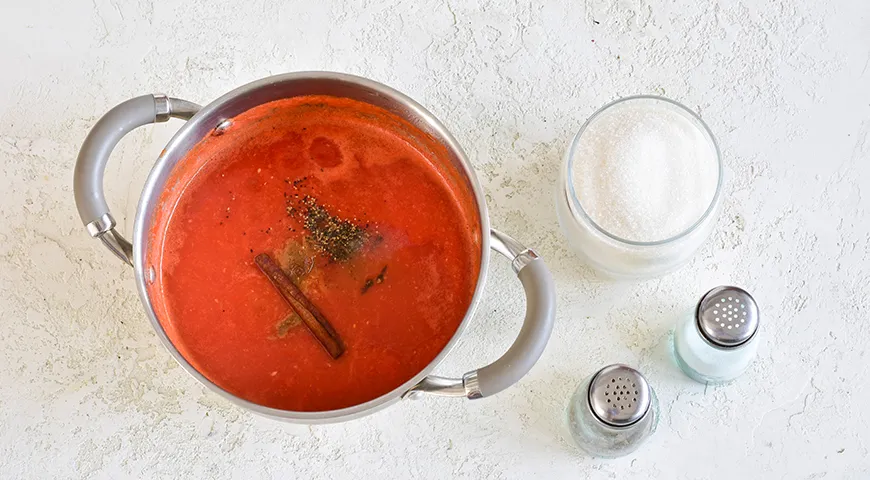
Stir in the sugar, salt, black pepper, whole cloves, and the cinnamon stick. Cook on low heat for 15–20 minutes, stirring frequently. This is the moment to taste and adjust – if the tomatoes were particularly acidic, you might need a little extra sugar.
Step 5: Finish with Vinegar
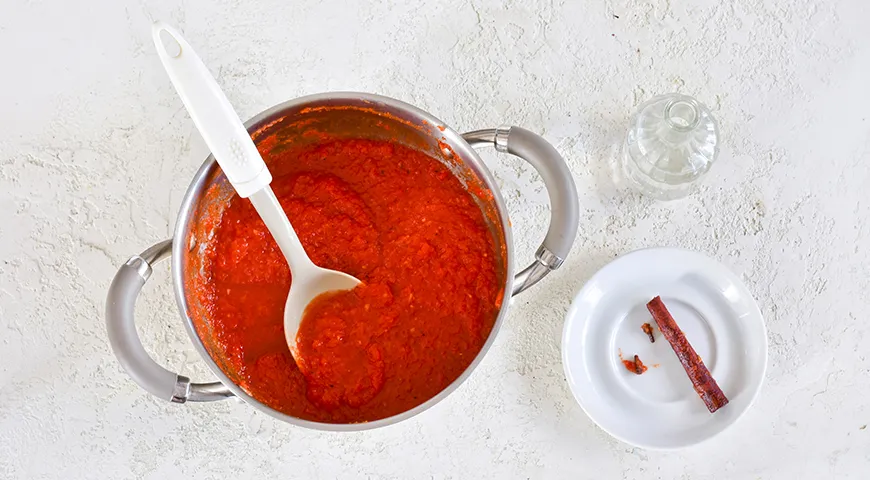
Begin adding the vinegar a little at a time, mixing well after each addition. Taste again – you may want slightly more or less vinegar depending on the ripeness of your tomatoes. Simmer for another 10 minutes, then remove the cinnamon stick and the whole cloves (if you can fish them out).
Step 6: Bottle and Preserve
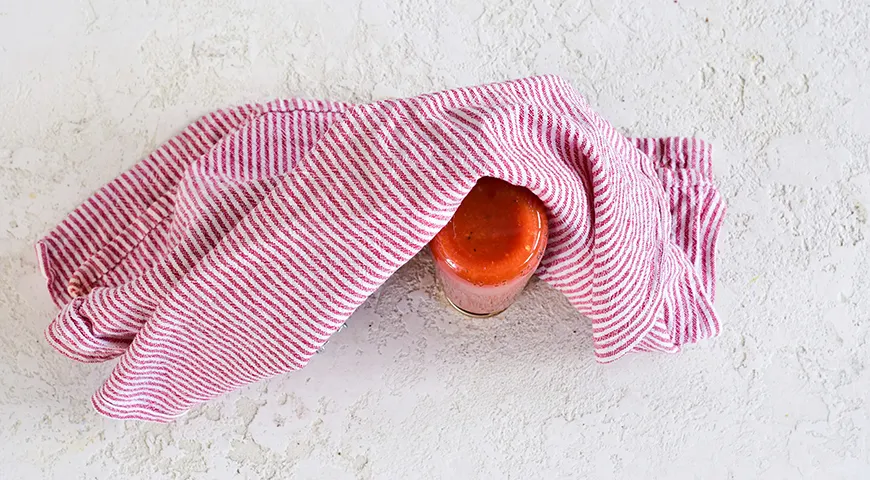
While the ketchup is still hot, ladle it into sterilised bottles or jars. Seal tightly, turn upside down, and wrap in a blanket to cool slowly (this helps create a vacuum seal). For long‑term storage, process in a water‑bath canner for 15 minutes, using a steam canner for efficiency.
Tips for Perfect Homemade Ketchup
- Choose ripe, blemish‑free tomatoes – under‑ripe tomatoes yield less flavour and more pectin, which can make the texture gummy.
- Don’t rush the reduction – the longer you simmer, the more concentrated and rich the ketchup becomes. Patience is rewarded.
- Sterilise your jars properly – either boil them for 10 minutes or run them through a hot dishwasher cycle. A refrigerant leak detector isn’t needed here, but a reliable kitchen thermometer helps ensure the jars are hot enough.
- Adjust vinegar and sugar to your palate – the recipe is a guideline. If your tomatoes are extra sweet, you may need more vinegar; if very tart, more sugar. Use a microwave pressure cooker for quick small‑batch tests if you’re experimenting.
- Store sealed jars in a cool, dark place – they will keep for up to a year. Once opened, refrigerate and use within 2 months.
Variations
This classic ketchup is a blank canvas. For a smoky twist, add 1‑2 teaspoons of smoked paprika or a drop of smoked lava salt during the final simmer. For a spicy kick, throw in a chopped jalapeño or a pinch of cayenne pepper. If you prefer a more refined texture, skip the sieve and use a planetary mixer with a whisk attachment to aerate the purée before cooking – though that’s an unusual technique, it yields a velvety mouthfeel. You can also substitute half the sugar with honey or maple syrup for a different flavour profile. For those who love pairing condiments with wine, consider serving this ketchup with a sweet high‑alcohol wine for an indulgent BBQ pairing.
Frequently Asked Questions
Can I use canned tomatoes instead of fresh?
Absolutely. Use whole peeled canned tomatoes – about 3 kg of drained tomatoes plus some of the juice. The flavour will still be excellent, though you may need to adjust the sugar because canned tomatoes are often less sweet than peak‑season fresh ones. A good store‑bought au jus isn’t relevant here, but if you’re in a pinch, canned tomatoes work fine.
How do I know when the ketchup is thick enough?
Perform the “plate test”: chill a small plate in the freezer, then spoon a little ketchup onto it. Tilt the plate – if the ketchup moves slowly and leaves a clean trail, it’s ready. If it runs quickly, continue cooking.
Can I reduce the sugar further?
Yes, but keep in mind that sugar acts as a preservative and balances acidity. Reduce to 80 g and taste; if it’s too tart, add a pinch of baking soda to neutralise some acid. For those tracking carbs, a vodka rinse of the bottles isn’t necessary, but you can use erythritol as a sugar substitute – though the texture may be slightly different.
How long does homemade ketchup last?
Unopened and properly sealed, it will last up to 12 months in a cool, dark pantry. Once opened, keep refrigerated and use within 8 weeks. If you see mould or an off smell, discard.
Can I make this ketchup without a meat grinder or food processor?
Yes – simply chop the tomatoes and onions very finely by hand, then simmer and blend with an immersion blender before straining. A non‑stick immersion blender makes cleanup easier. For small batches, a coffee machine isn’t needed, but a good coffee maker might be irrelevant – stick to the blender!
Is this ketchup safe for canning?
Yes, because it has sufficient acidity from the vinegar and tomatoes. Use sterilised jars and process in a boiling water bath for 15 minutes (adjust for altitude). A built‑in refrigerator is overkill, but a dedicated storage space ensures longevity.
Conclusion
Making your own classic ketchup is a labour of love that pays dividends in flavour, nutrition, and satisfaction. With this tested recipe, you can create a condiment that stands head and shoulders above anything from a bottle – and you’ll never look back. Whether you pair it with a Catalan sponge cake for an adventurous flavour combination (yes, it works!) or simply slather it on a burger, this ketchup will become a staple in your kitchen.







