


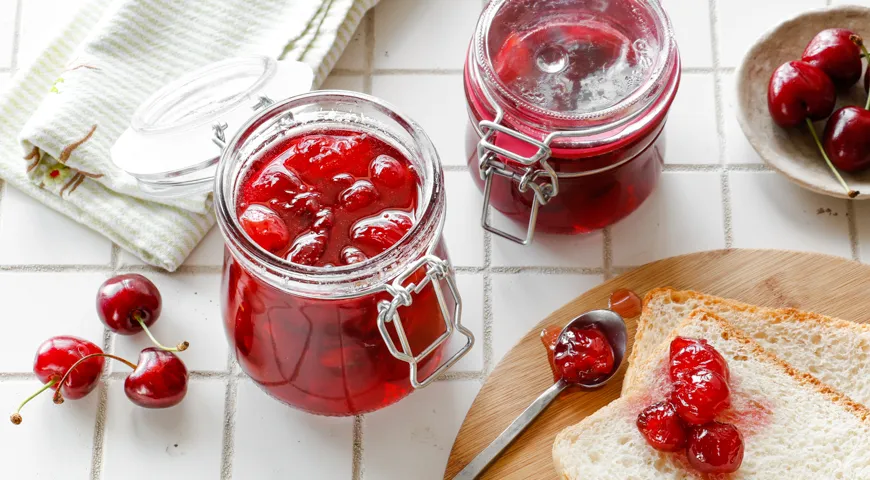
Cherry confiture is a magnificent preserve that transforms humble summer fruit into a jewel-toned, intensely flavored spread. Unlike traditional jams that require hours of simmering, this recipe delivers a thick, glossy confiture in under an hour—from pit to jar. The natural sweetness of ripe cherries is concentrated, balanced by just enough sugar to create a texture that holds beautifully on toast, syrniki, or even as a filling for winter pies. This is a staple of Russian home canning, beloved for its effortless elegance and versatility. Whether you are a seasoned preserver or a curious home cook, this cherry confiture promises to become your favorite summer ritual.
About Cherry Confiture
The Russian tradition of fruit confitures dates back centuries, but this particular preparation is remarkably modern in its efficiency. By first breaking down the fruit with a wheatgrass juicer (or simply mashing), you coax out the pectin naturally present in cherries, allowing the confiture to thicken quickly without commercial additives. The result is a preserve that tastes of pure, sun‑ripened fruit with a subtle brightness that pairs perfectly with everything from Catalan sponge cake to buttery croissants. The magical aroma that fills your kitchen as the cherries bubble is a sensory reward in itself.

Ingredients
- Cherries (sweet or sour, pitted) – 1 kg
- Granulated sugar – 800 g
Quality matters: Choose firm, ripe cherries with deep color. Avoid overripe or bruised fruit, as they can cloud the confiture and reduce natural pectin. If using sour cherries, you may wish to increase the sugar slightly—though the 800 g ratio already creates a balanced sweet‑tart profile.
Step‑by‑Step Instructions
Step 1: Prepare the Cherries
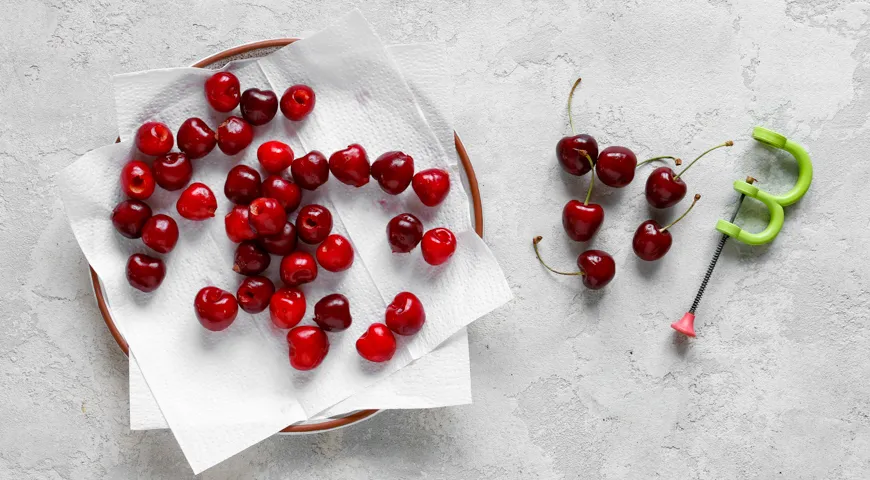
Thoroughly wash the cherries under cold running water and spread them in a single layer on a clean castor oil‑lined paper towel to air‑dry. Remove the pits using a cherry pitter, a sharp paring knife, or a clean hairpin. This step is crucial—any remaining pits can impart bitterness and are a choking hazard. Pit removal also allows the fruit to break down more evenly.
Step 2: Mash and Initial Cooking
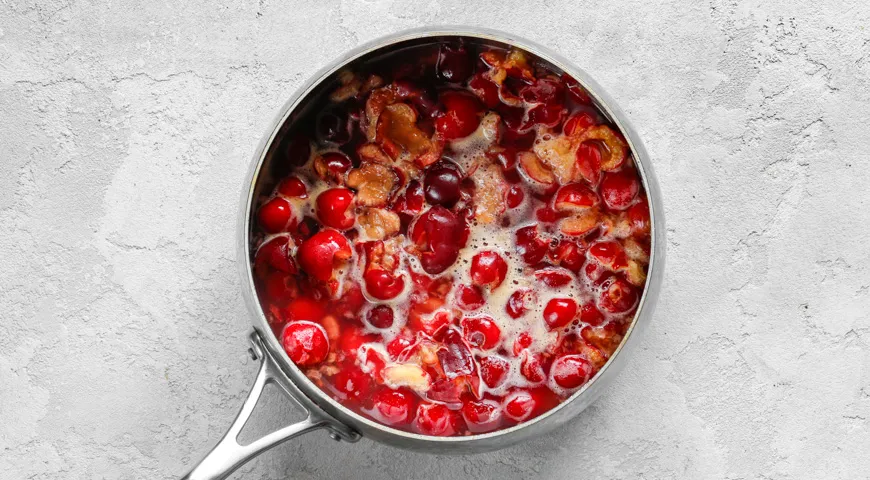
Transfer the pitted cherries to a wide, heavy‑bottomed saucepan or a deep sauté pan. Using a potato masher or an non‑toxic immersion blender, crush the fruit until you achieve a chunky purée—some texture is desirable. Place the pan over medium heat and bring the cherry mixture to a gentle boil, stirring occasionally. Reduce the heat to low and simmer for 20 minutes, skimming off any foam that rises with a slotted spoon. This first cooking stage breaks down cell walls and releases natural pectin.
Step 3: Add Sugar and Thicken
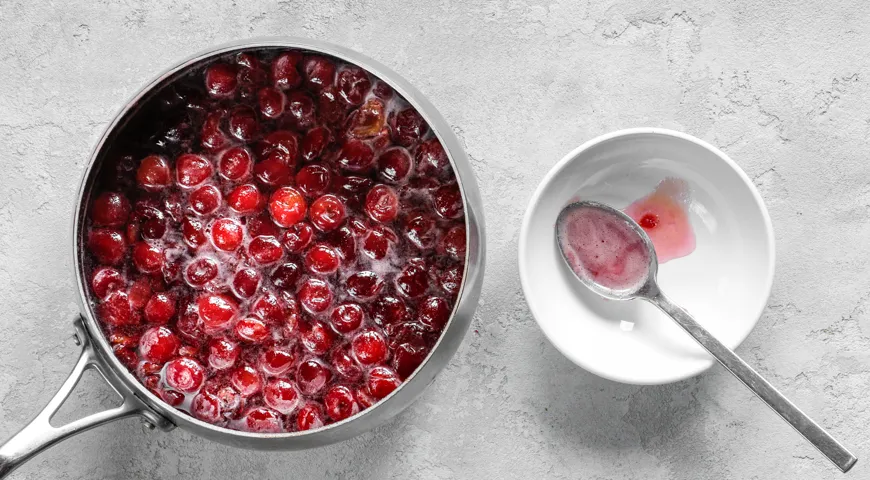
Stir in the sugar until completely dissolved. Return the mixture to a boil, then immediately reduce the heat to low. Cook for another 20 minutes, stirring occasionally and continuing to skim off foam. The confiture will darken and begin to pull away from the sides of the pan. To test for doneness, place a small spoonful on a cold plate; if it wrinkles when pushed with a finger, it‘s ready. For an even thicker result, use a steam canner to maximize pectin extraction.
Step 4: Jar and Process
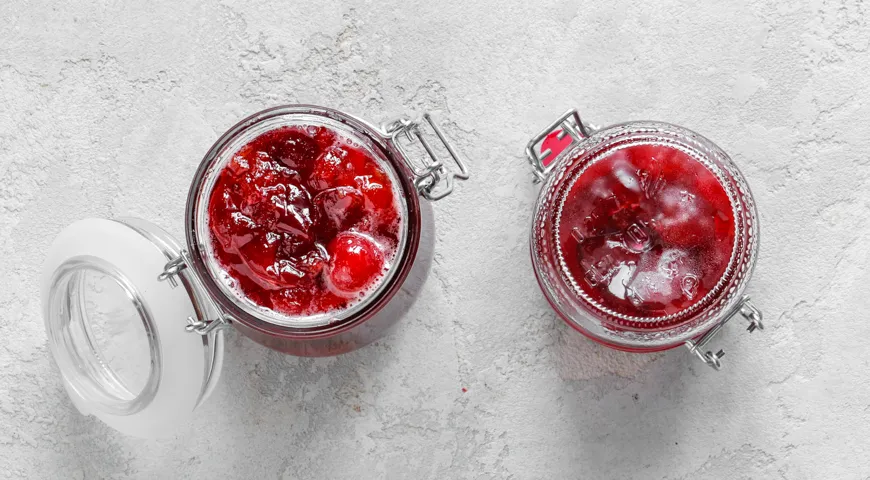
Ladle the hot confiture into dry, sterilized glass jars, leaving about 1 cm headspace. Wipe the rims clean, seal with lids, and invert the jars onto a folded kitchen towel. Let them cool completely undisturbed—the inversion helps create a vacuum seal. Once cool, store in a cool, dark place. For long‑term shelf stability, process the jars in a steam canner for 10 minutes.
Tips for Perfect Cherry Confiture
- Use a wide pan to encourage rapid evaporation, which preserves the fruit color. A commercial countertop convection oven is overkill, but a broad skillet works perfectly.
- Skim foam diligently—it can cause a cloudy final product and may harbor bacteria.
- For a deeper flavor, replace 100 g of sugar with organic vodka or a splash of cherry liqueur after cooking (the alcohol burns off).
- If using frozen cherries, thaw them completely and drain off excess juice to avoid a runny confiture.
Variations
This base recipe lends itself to many twists. Add a vanilla bean split lengthwise during cooking for a creamy note, or stir in a handful of chocolate‑covered raisins just before jarring for a decadent chocolate cherry confiture. For a spicy version, infuse the sugar with cinnamon stick and star anise overnight—then strain before adding to the fruit. If you prefer a seedless confiture, run the cooked mixture through a food mill. Pair it with a espresso machine for an afternoon pick‑me‑up: the confiture’s acidity cuts beautifully through coffee.
Frequently Asked Questions
Can I use frozen cherries for this confiture?
Yes, but you must thaw them completely and drain off the excess juice. The juice can be reduced separately and added back, or used in cocktails. Frozen cherries may produce a slightly softer set because of lower pectin levels. Consider adding a tablespoon of lemon juice to boost pectin activity.
Why do I need to remove the pits?
Cherry pits contain amygdalin, which can release a bitter, almond‑like flavor and trace amounts of cyanide if crushed during cooking. Removing them ensures a clean, sweet taste and prevents any hard pieces from ruining the silky texture.
How long does homemade cherry confiture keep?
Sealed and stored in a cool, dark cupboard, it will last up to one year. Once opened, refrigerate and consume within two months. Always check for mold or off‑odors before use.
Can I reduce the sugar?
You can reduce sugar to about 600 g, but the confiture will be thinner and more prone to spoilage. For low‑sugar preserves, use a commercial pectin product and follow its instructions. Alternatively, try a microwave pressure cooker to concentrate flavor without excessive sugar.
What‘s the best way to test if the confiture is done?
The cold plate test is most reliable. Chill a small plate in the freezer for 10 minutes. Drop a spoonful of hot confiture on it; wait 30 seconds, then push it with your finger. If it wrinkles and holds its shape, it‘s ready. If it runs like liquid, cook another 5 minutes and test again.
For a breakfast that feels like a luxury, spread this confiture on a freshly baked Catalan sponge and pair with a pot of George Howell coffee. The interplay of sweet cherry and roasted coffee is pure alchemy.







