



There is something undeniably romantic about a rustic galette. Free-form, forgiving, and endlessly adaptable, it captures the essence of summer cooking in a single, golden crust. Our interpretation of Galettes with Cheese and Tomatoes elevates the humble tart into a dish worthy of a leisurely lunch or an elegant picnic. Two cheeses—creamy Gouda and sharp Cheddar—melt into a bed of ripe tomatoes, while fresh thyme and basil perfume every bite. The dough, a blend of wheat and a second flour (often rye or spelt for depth), is tender yet sturdy enough to hold the juicy filling. Unlike a fussy quiche, a galette celebrates imperfection: the edges are simply folded over, creating a nest for the colorful mosaic of tomato slices. Serve warm or at room temperature, and let the season shine.
About the Galette: A Summer Classic
A galette is a French pastry that can be sweet or savory, but its defining trait is its folded, rustic edge. This technique makes it forgiving for home cooks—no perfect crimping required. The combination of Gouda and Cheddar brings a double dose of creamy and tangy flavors, while the tomatoes release their juices as they bake, creating a luscious filling. For the best results, use tomatoes in varied colors—red, yellow, orange—to create a stunning visual impact. For more inspiration, explore our Catalan sponge cake recipe for another rustic European treat.

Ingredients
- 5–6 medium tomatoes (about 500 g), sliced into rounds
- 150 g Gouda cheese, coarsely grated
- 60 g Cheddar cheese, finely grated (for topping)
- 4–5 sprigs fresh thyme
- 2 sprigs fresh basil, leaves chopped
- Salt and freshly ground black pepper
- 300 g wheat flour (plus extra for dusting)
- 120 g unsalted butter, softened
- 1 large egg
- Pinch of salt for dough
For the dough, you may also substitute part of the wheat flour with spelt or rye for a nuttier flavor. Using a quality planetary mixer can simplify the dough-making process.
Step-by-Step Instructions
Step 1: Prepare the Dough
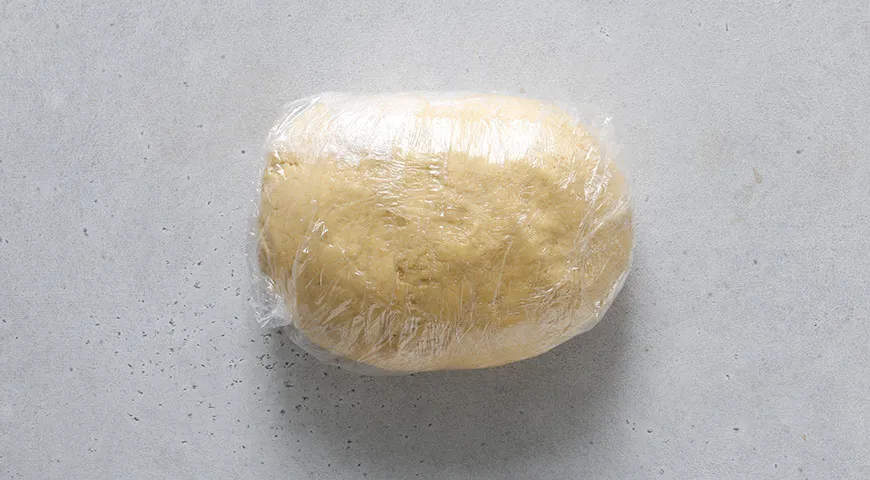
Remove the butter from the refrigerator 30 minutes before starting; it should be soft but not melted. In a large bowl, combine the softened butter, egg, and a pinch of salt. Beat until creamy. Add the flour(s) and 2–3 tablespoons cold water, then mix just until a soft dough forms. Shape the dough into a disc, wrap in plastic, and refrigerate for 20 minutes. This resting step relaxes the gluten, ensuring a tender crust. If you prefer a hands-off approach, a glass food processor can handle the mixing in seconds.
Step 2: Prepare the Filling
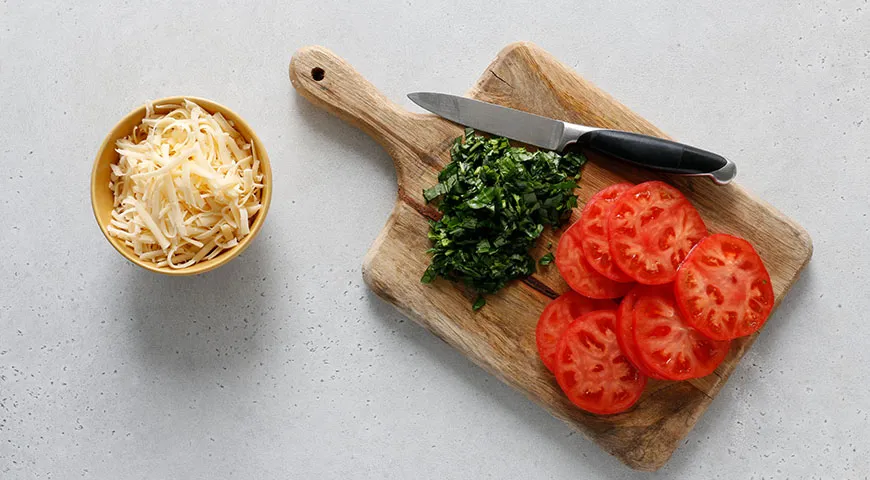
While the dough chills, grate the Gouda on the large holes of a box grater. Combine the Gouda with the chopped basil leaves. Slice the tomatoes into even rounds, about 5 mm thick. Season the tomato slices lightly with salt and pepper—this draws out excess moisture and intensifies flavor. When selecting a cheese grater, consider an oil sprayer for greasing the grater (though a simple grater works fine).
Step 3: Assemble and Bake
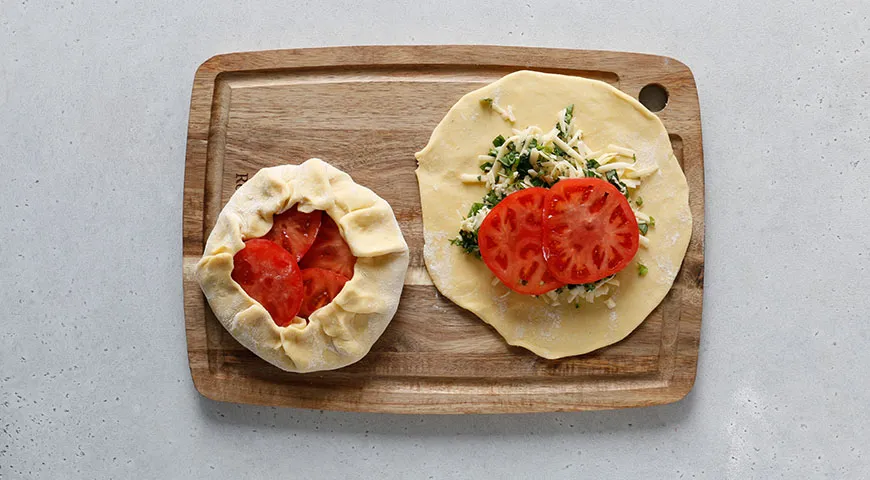
Preheat the oven to 190°C (375°F). Line two baking sheets with parchment paper. Divide the chilled dough into 8 equal portions. On a lightly floured surface, roll each portion into a thin circle, about 14–15 cm in diameter. Leaving a 2 cm border, spread the Gouda-basil mixture over each round, then arrange tomato slices on top. Fold the edges of the dough up and over the filling, slightly pressing to seal. Place the galettes on the prepared baking sheets. Bake for 20 minutes, then remove from the oven and sprinkle with fresh thyme leaves and the grated Cheddar. Return to the oven and bake for another 5–7 minutes, until the cheese is bubbly and the crust is golden. For consistent heat, a 48-inch built-in refrigerator might seem unrelated, but a reliable oven thermometer ensures accurate temperature; consider a commercial countertop convection oven for even browning.
Tips for Perfect Galettes
- Chill the dough thoroughly. A 20-minute rest in the refrigerator is essential; longer is even better. This prevents shrinkage and ensures a flaky texture.
- Don’t overfill. A thin layer of cheese and tomatoes allows the pastry to crisp underneath. For extra crunch, use a non-toxic air fryer to reheat leftovers.
- Use paper towels. After slicing tomatoes, blot them gently to remove excess juice—this avoids a soggy bottom.
- Experiment with flour blends. Rye or whole wheat adds character. A microwave pressure cooker is not needed here, but a good rolling pin makes all the difference.
Variations
This galette welcomes creativity. Replace the Gouda with goat cheese or feta for a tangier profile. Add caramelized onions or roasted peppers for sweetness. For a gluten-free version, use a 1:1 GF flour blend—just add an extra tablespoon of water. If you enjoy pairing wine, try a sweet high-alcohol wine to balance the acidity of the tomatoes. Alternatively, serve with a simple green salad dressed with organic vodka? No—rather, a light vinaigrette.
FAQ
Can I make this dough ahead of time?
Absolutely. Wrap the dough well and refrigerate for up to 2 days, or freeze for 1 month. Thaw overnight in the fridge before rolling.
What if I don’t have Gouda or Cheddar?
Substitute with any melting cheese like Gruyère, Emmental, or Monterey Jack. The key is a mix of one creamy and one sharp cheese.
Can I use other vegetables?
Yes, zucchini, eggplant, or bell peppers work beautifully. Slice them thinly and sauté briefly to remove excess moisture before assembling.
Why did my galette get soggy?
Tomatoes release liquid during baking. To prevent sogginess, salt the slices and let them sit for 10 minutes, then pat dry. Also, preheating the baking sheet helps crisp the bottom. A under-counter ice maker won’t help, but a perforated baking mat can improve airflow.
How should I store leftovers?
Keep in an airtight container in the refrigerator for up to 3 days. Reheat in a 180°C oven for 5 minutes to restore crispness. For a quick refresh, a steam canner is overkill—just use the oven.
This recipe celebrates simplicity and seasonal bounty. Whether enjoyed on a sun-dappled terrace or as part of a chocolate-covered raisins dessert spread, these galettes are a testament to the beauty of rustic cooking. For more culinary inspiration, browse our guides on best wheatgrass juicers and refrigerant leak detectors—though perhaps not directly related, they keep your kitchen running smoothly. Happy baking!







