


There is something profoundly satisfying about capturing the essence of summer in a jar. This apricot jam with walnuts, a cherished Russian preserve, balances the bright acidity of ripe apricots with the earthy richness of toasted nuts, creating a spoonful of pure luxury. The key lies in the patient maceration of fruit with sugar, followed by a slow simmer that concentrates flavors without caramelizing them into oblivion. We have refined this classic technique to ensure a jam that is both elegant and versatile—equally at home on a croissant, paired with aged cheese, or swirled into yogurt.
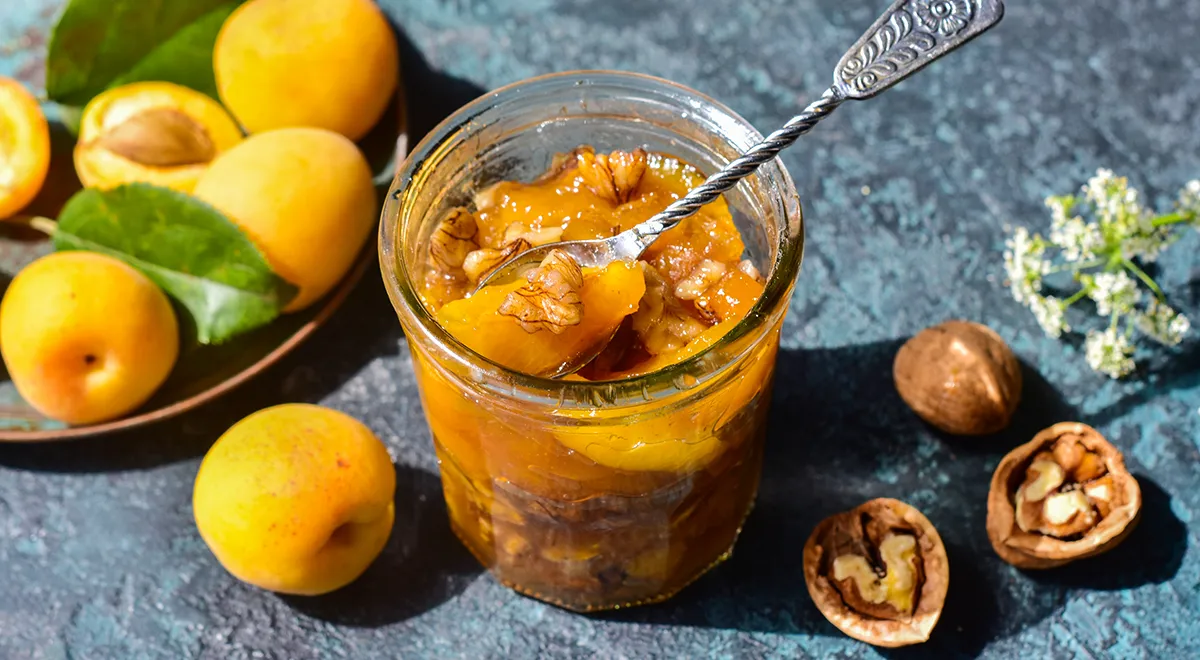
About This Preserve
Unlike many fruit jams that rely on added pectin, this recipe lets the natural setting power of apricots shine. The addition of lightly toasted walnuts introduces a textural counterpoint that transforms a simple spread into a sophisticated conserve. The citric acid—a staple in Eastern European preserving—does not add a metallic tang but rather brightens the apricot’s natural flavor and helps stabilize color during storage. For best results, choose apricots that are fragrant but still firm, avoiding overripe fruit that would turn mushy during the long cooking.

Ingredients
- 800 g ripe but firm apricots
- 600 g granulated sugar
- 200 g walnut halves
- 3 g citric acid (about ½ teaspoon)
Note on citric acid: If unavailable, substitute with 1 tablespoon fresh lemon juice added at the final boil stage.
Step-by-Step Method
- Prepare the apricots. Wash the fruit under cool running water and spread them on a clean kitchen towel to dry naturally. Halve each apricot, remove the pit, then cut each half into 2–3 wedges. Place in a heavy-bottomed pot or preserving pan.
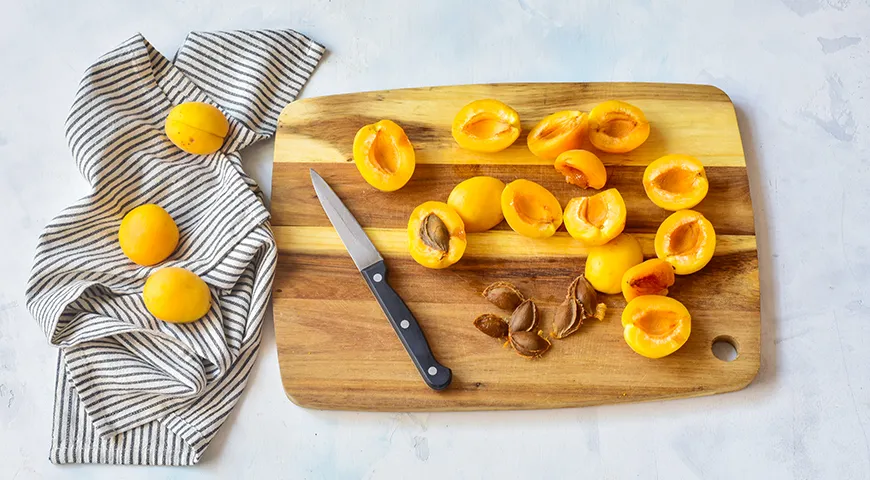
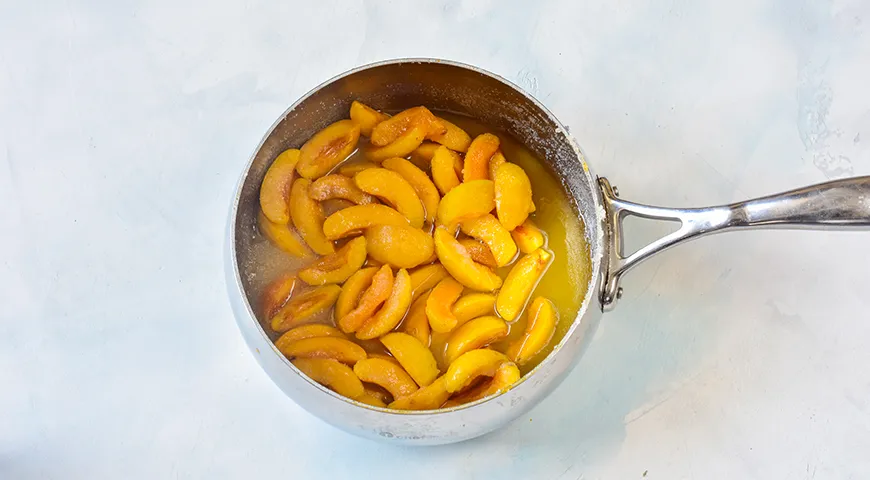
- Macerate with sugar. Sprinkle the sugar over the fruit and gently shake the pot to distribute it. Let stand for 1 hour at room temperature, allowing the apricots to release their natural juices. This step ensures the fruit retains its shape during cooking.
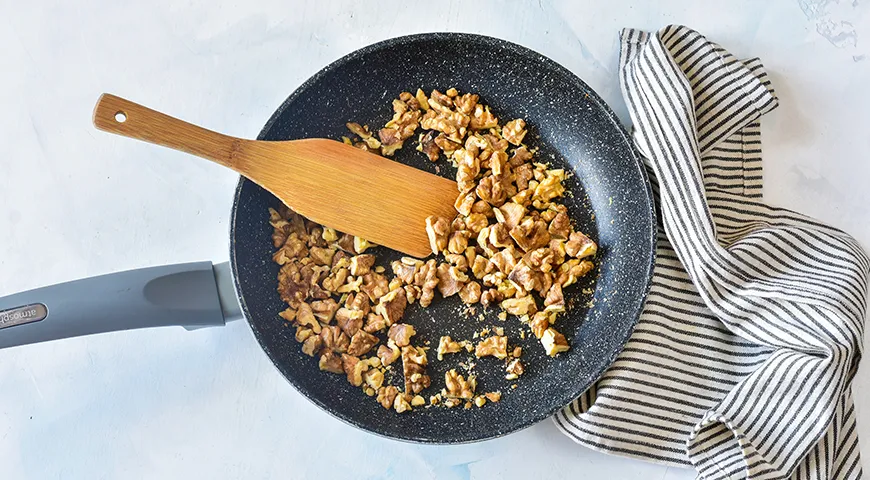
- Toast the walnuts. While the fruit rests, roughly chop the walnuts. Heat a dry skillet over medium heat, add the nuts, and toast, stirring constantly, until fragrant and golden, about 3–4 minutes. Transfer to a plate to cool. This step amplifies their nutty complexity. Using a non-toxic immersion blender? Not needed here, but a reliable skillet does the trick.
- Cook the apricots. Place the pot with the macerated fruit on the stove over medium heat. Bring to a boil, then reduce to the lowest setting. Cook gently for 30 minutes, stirring occasionally with a long wooden spoon and skimming off any foam that rises. Meanwhile, dissolve the citric acid in 1 tablespoon of water and stir it into the jam after 30 minutes. This step helps the jam set without becoming stiff.
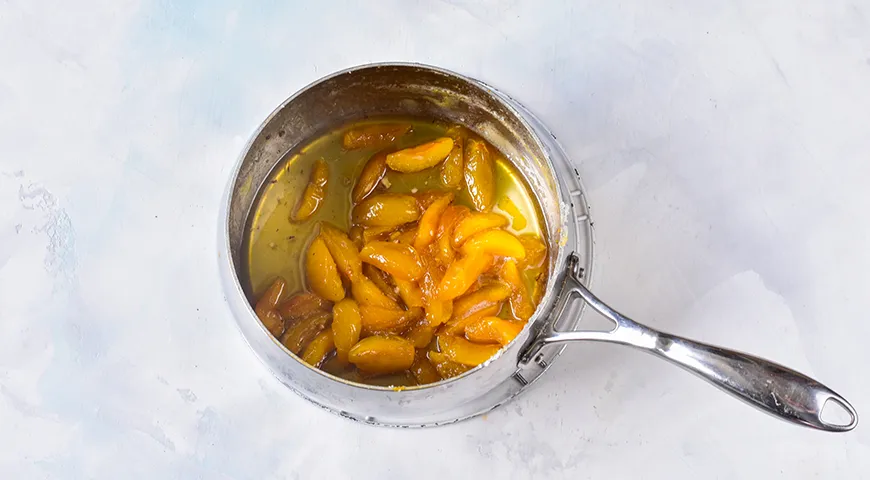
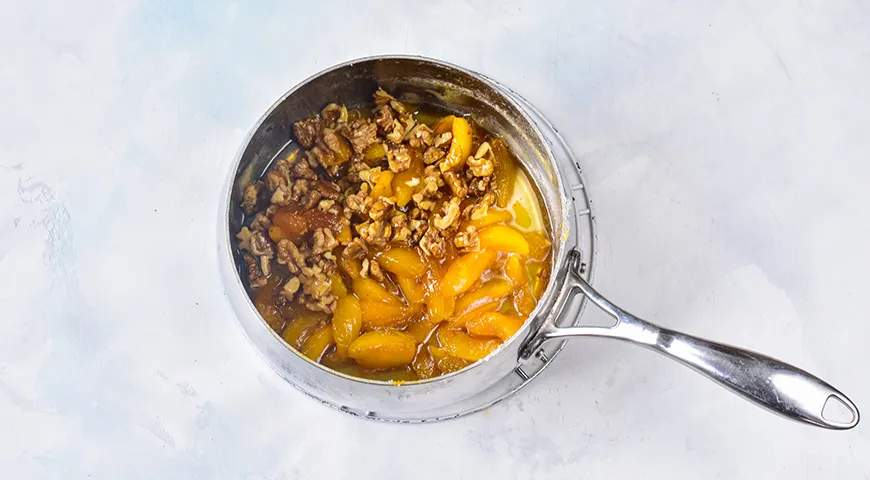
- Add the walnuts. Fold in the toasted walnuts and return the jam to a boil. Cook for an additional 5–10 minutes over low heat, stirring gently to avoid crushing the nuts. The jam is ready when it sheets off the spoon—a test that indicates the right consistency. If you prefer a finer texture, you can briefly use a planetary mixer to break down the fruit, but we recommend keeping the rustic chunks.
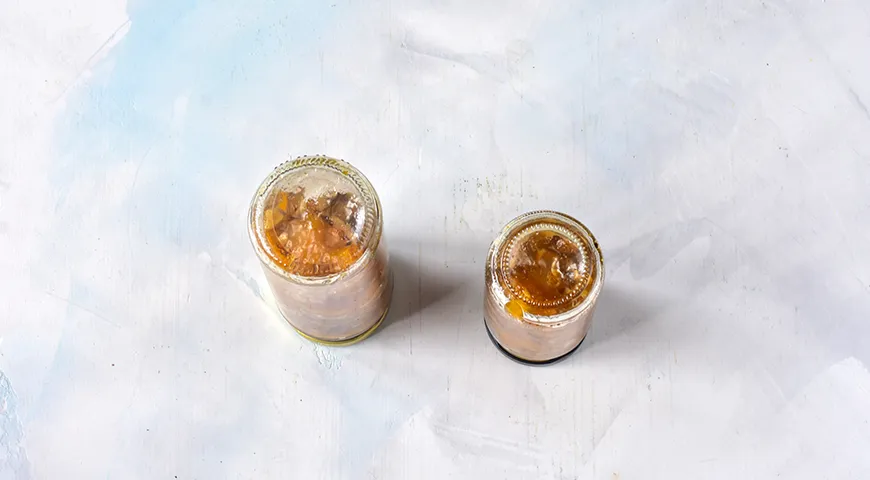
- Jar and seal. Have sterilized jars and lids ready. Ladle the hot jam into the jars, leaving 1 cm headspace. Wipe rims clean, seal with lids, and invert the jars for 5 minutes before turning upright to cool completely. This creates a vacuum seal. For expert steam canning techniques, see our dedicated guide. Store in a cool, dark place.
Tips for Perfect Jam
- Use a wide pot. A commercial-grade preserving pan allows rapid evaporation, preventing the jam from boiling over.
- Chill a plate. Before the final cook, place a small plate in the freezer. Drizzle a drop of jam onto it—if it wrinkles when pushed, the jam is set.
- Adjust sweetness. If your apricots are very sweet, reduce sugar to 500 g and increase citric acid slightly. For a more intense apricot flavor, use a microwave pressure cooker to quickly soften the fruit before maceration.
Variations
Swap walnuts for chocolate-covered raisins for a dessert jam, or add a split vanilla bean during cooking for floral notes. To create a savory version, replace sugar with half honey and add a pinch of smoked paprika. For a low-sugar alternative, use a natural sweetener like organic vodka? No—stick with erythritol, but note that texture will differ.
FAQ
Can I use frozen apricots?
Yes, but thaw and drain them first. Reduce sugar by 50 g as frozen fruit tends to be less sweet.
How long does this jam keep?
Properly sealed, it will last up to 1 year in a cool pantry. Once opened, refrigerate and consume within 3 weeks. For long-term storage, consider a built-in refrigerator with consistent temperature.
Can I skip the citric acid?
You can substitute with fresh lemon juice (1 tablespoon per 800 g fruit), but the color may darken slightly over time. Citric acid also helps prevent crystallization.
Why did my jam crystallize?
Crystallization often occurs from undercooking or too much sugar. Use a candy thermometer to ensure the jam reaches 105°C. A refrigerant leak detector is unrelated but essential for professional kitchens.
Can I double the recipe?
Yes, but increase cooking time by about 20%. Use a larger pot and monitor the temperature. For even heating, an air fryer with non-toxic coating isn’t suitable for jam, but it can toast the walnuts.
Is this jam suitable for gift giving?
Absolutely. Ladle into elegant jars with castor oil? No—decorative lids and a ribbon make a thoughtful present.
Final Thoughts
This apricot walnut jam embodies the Russian philosophy of preserving summer’s bounty with minimal intervention. The interplay of sweet fruit, crunchy nuts, and bright acidity creates a preserve that is both nostalgic and modern. We recommend pairing it with sharp cheddar or spooning over Catalan sponge cake for an elegant dessert. For more preservation techniques, explore our guides on high-alcohol dessert wines that complement fruit preserves.







