


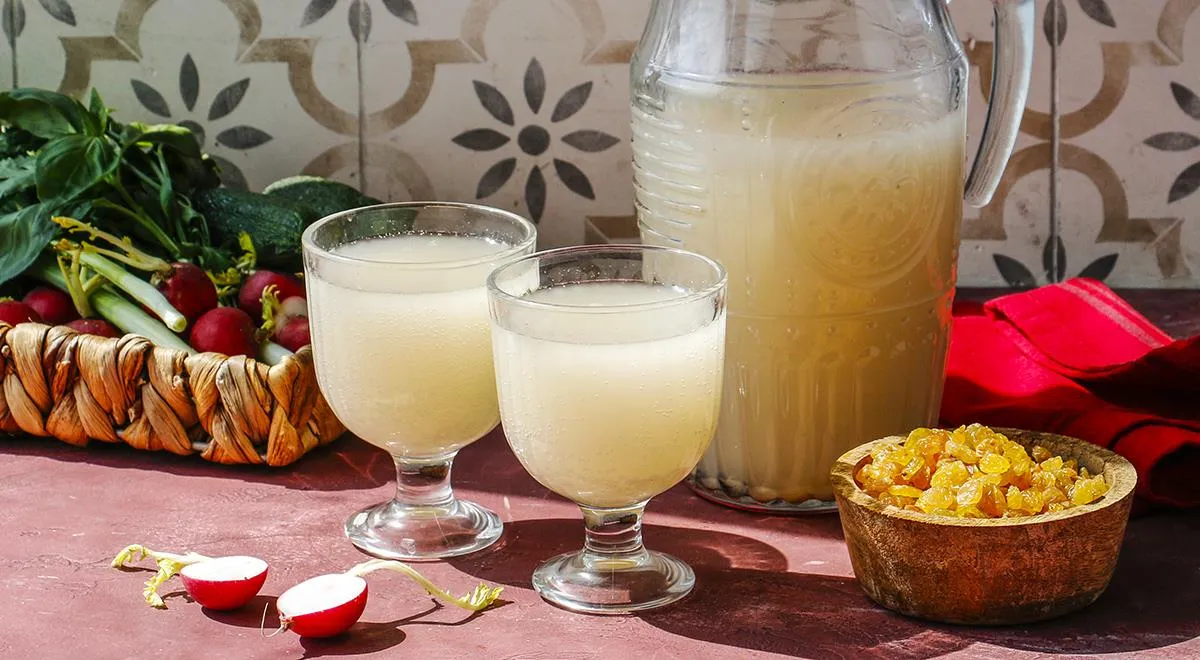
White kvass is the soul of authentic Russian okroshka. Unlike sweet commercial kvass, this traditional version is tart, lightly effervescent, and deeply refreshing—the perfect base for a cold summer soup. While the process takes a few days, the result is a probiotic-rich drink that captures centuries of Slavic culinary wisdom. This recipe guides you through creating your own white kvass for okroshka using natural fermentation, no commercial yeast required.
About This Recipe
This classic white kvass recipe comes from the Russian culinary tradition of okroshka, a chilled soup made with kvass, vegetables, and herbs. The beverage undergoes a slow lactic acid fermentation, yielding a tangy, bubbly drink that is both thirst-quenching and digestively beneficial. The key to its success lies in the starter culture—a simple rye flour and raisin mixture that captures wild yeasts from the surface of unwashed raisins. Because no bakers' yeast is added, the fermentation is gentle and develops complex sour notes over two to three days. This method is similar to how our ancestors made kvass for centuries, using only pantry staples. For those new to fermentation, this recipe is an excellent starting point, much like mastering a planetary mixer for bread dough.

Ingredients
- 100 g rye flour (plus extra for later stages)
- 300–400 ml water (room temperature, boiled or filtered)
- 30 g raisins (unwashed, with natural yeast bloom)
- 80 g sugar (white or brown)
- Additional rye flour and sugar for feeding the starter
- Extra raisins for bottling stage
The ingredients are remarkably simple: rye flour provides the fermentation substrate, raisins introduce wild yeasts, and sugar feeds the bacteria. The resulting white kvass contains no alcohol, only lactic acid and carbon dioxide. For consistent results, use a non-toxic immersion blender to mix the starter smoothly, though a whisk works fine.
Step-by-Step Instructions
-
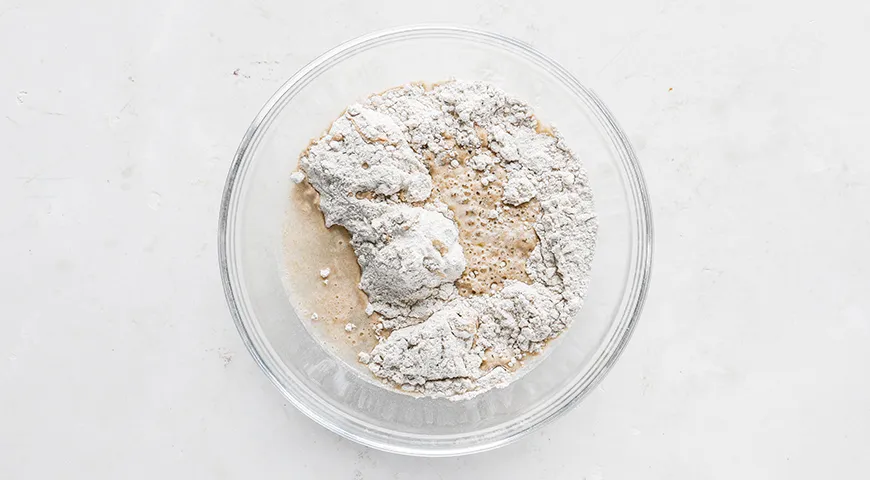
Prepare the starter: In a clean bowl, combine 100 g rye flour with 300–400 ml room-temperature water. Whisk until the mixture resembles thin sour cream—it should flow off the whisk in a thick ribbon. Adjust with more water or flour if needed.
-
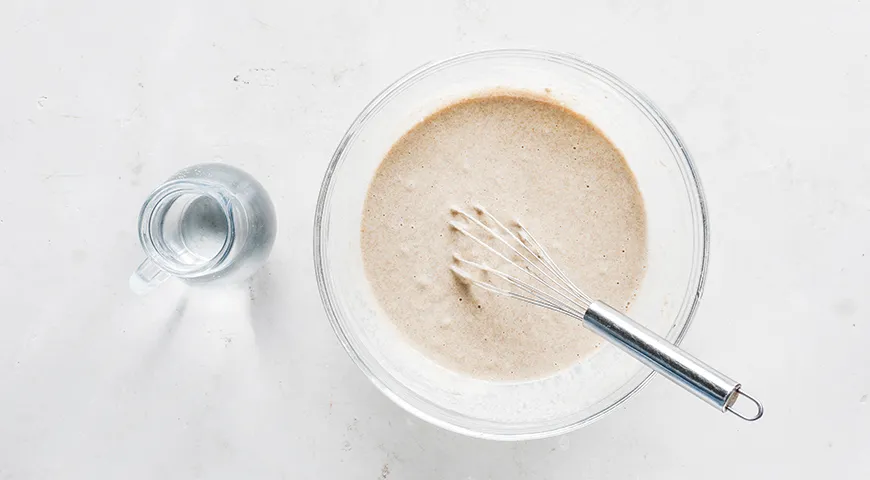
Add raisins: Stir in 30 g unwashed raisins. Do not rinse them—the white bloom on the surface contains the wild yeasts needed for fermentation.
-
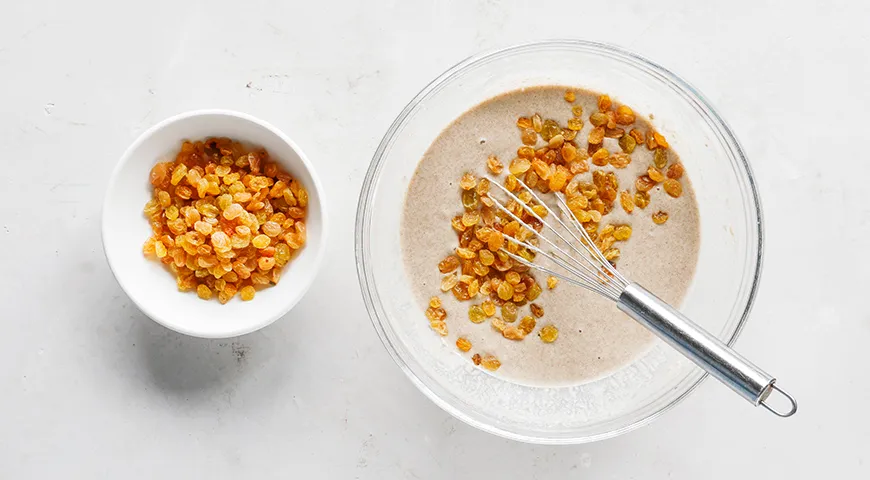
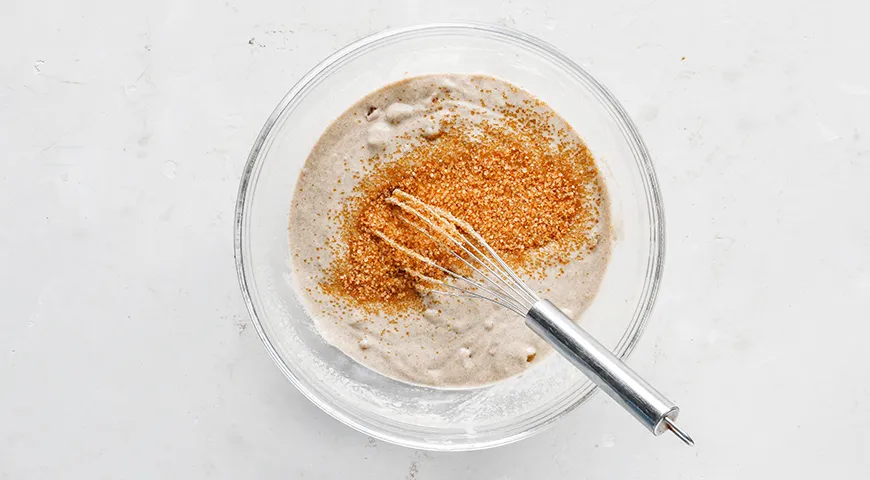
Feed the yeast: Add 80 g sugar to the starter and mix well. The sugar acts as food for the wild yeasts, kickstarting fermentation. Use any sugar; brown sugar adds a slight molasses note.
-
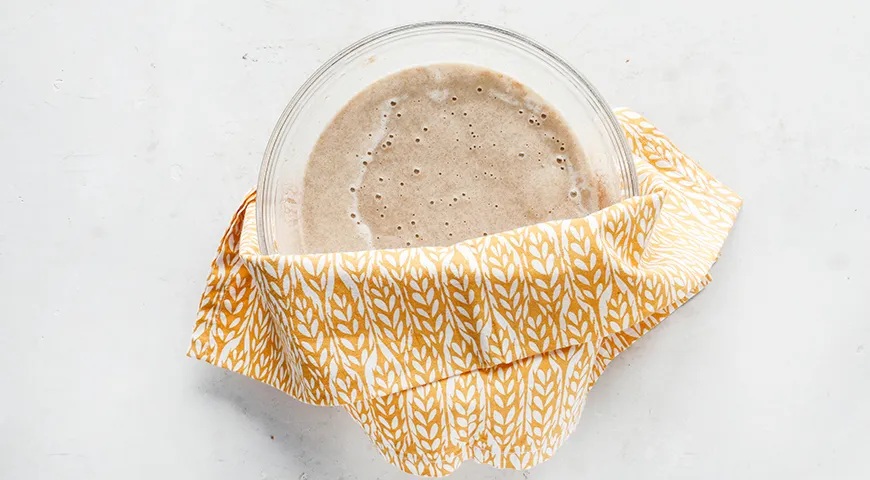
First fermentation: Cover the bowl with a clean towel and leave at room temperature for 1.5–2 days. You will notice a sour, yeasty aroma and small bubbles when fermentation begins.
-
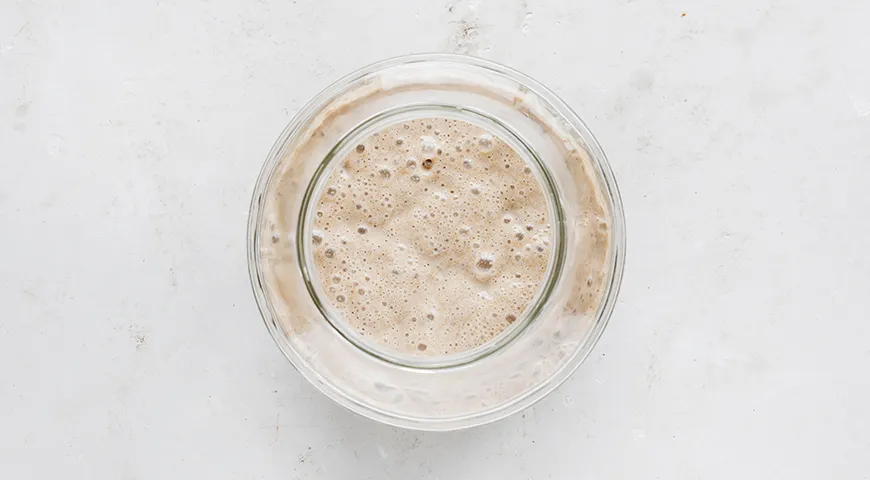
Remove raisins: Once fermentation is active, fish out the raisins and discard them. Transfer the liquid starter to a clean 3-liter glass jar.
-
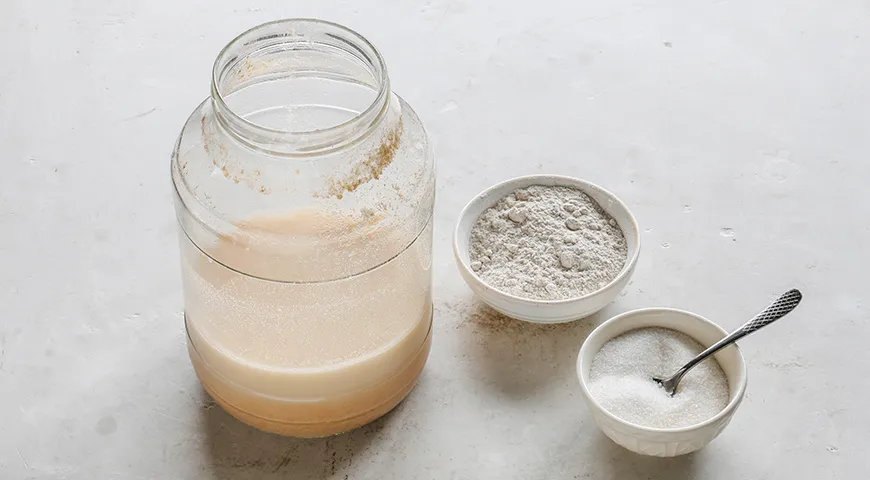
Second feeding: To the jar, add 50 g rye flour and 50 g sugar. Stir well to incorporate.
-
Dilute and ferment: Fill the jar with cold water, leaving a few centimeters at the top. Cover with cheesecloth or a towel and let ferment for another 2 days. At this stage you may add a couple of slices of rye sourdough bread or a few more raisins for extra flavor.
-
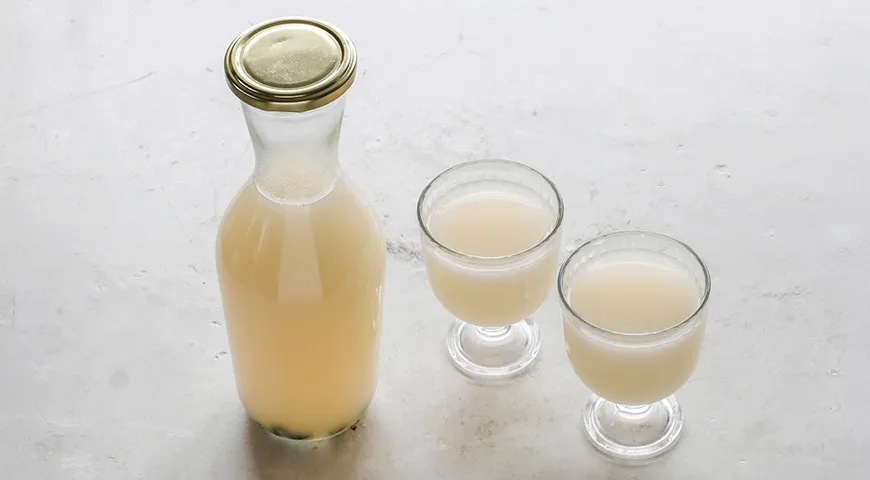
First batch of young kvass: After 2 days, you have your first white kvass. It will be "young"—mildly sour and lightly carbonated. Pour it off, but reserve the thick sediment (suspension) at the bottom. This is your starter for the next batch.
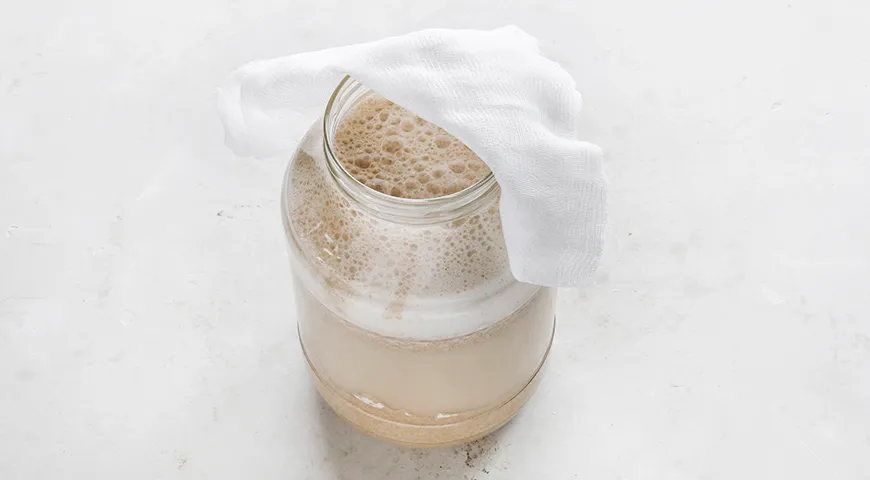
-
Re-feed the suspension: Add 50 g rye flour and 30 g sugar to the remaining sediment in the jar. Mix, then top up with water. Allow to ferment another 1.5–2 days. Adjust sugar to taste; for okroshka, a more acidic kvass is preferred.
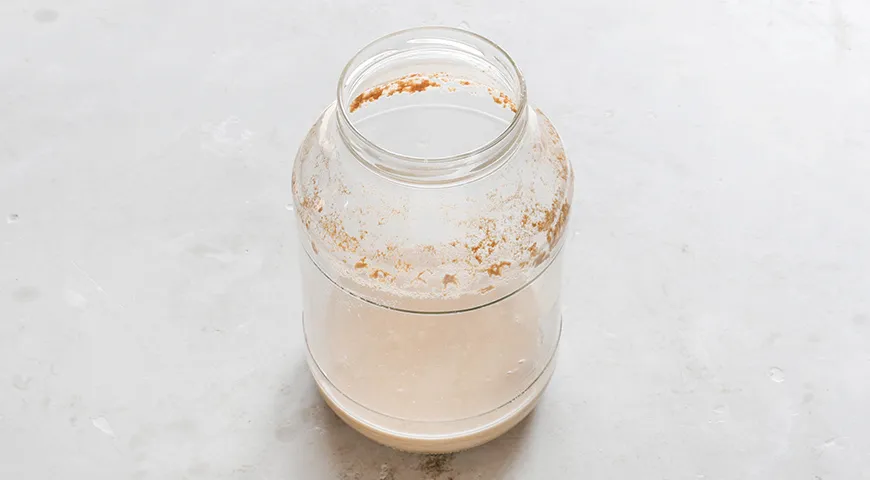
-
Bottle the kvass: After the second fermentation, strain the kvass into clean bottles. Drop 3–4 unwashed raisins into each bottle. Seal tightly and refrigerate.
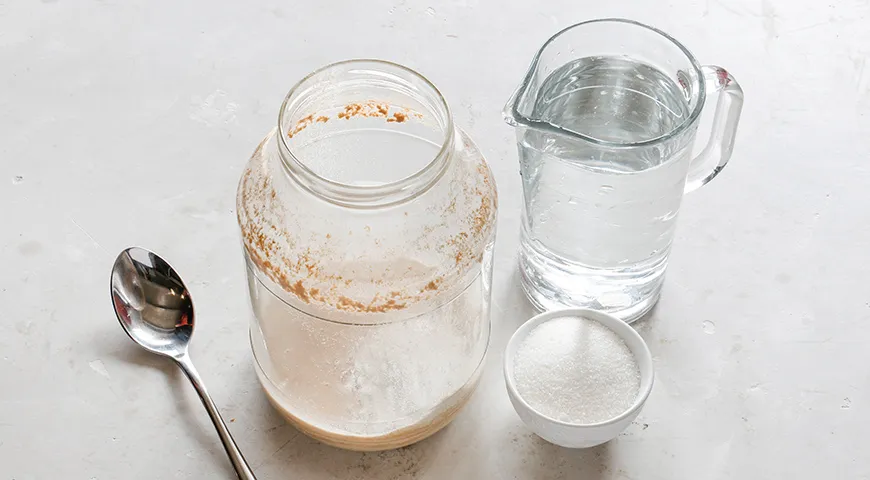
-
Chill and carbonate: Store bottles in the fridge for at least 2 days. The cold slows fermentation, but carbonation continues slowly. The kvass becomes crisp, effervescent, and perfectly sour.
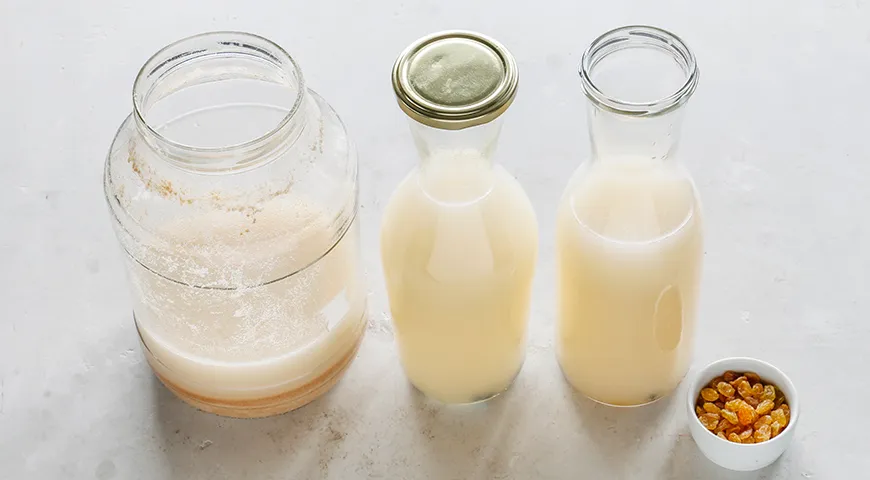
-
Serve: Your white kvass is now ready. Use it immediately in okroshka or enjoy it as a refreshing beverage. The leftover suspension can be kept as a permanent starter for endless batches.
Tips for Perfect Fermentation
Temperature control is crucial: keep the fermenting kvass at 20–24°C (68–75°F). Too cold, and fermentation stalls; too hot, and off-flavors develop. Use refrigerant leak detector to ensure your fridge maintains consistent temperature during the final chilling stage. Always use unwashed organic raisins for the wild yeast—commercial raisins may be coated with oil that inhibits fermentation. If your kvass smells unpleasant or develops mold, discard and start over. A wheatgrass juicer is not needed here, but a fine-mesh strainer helps clarify the final product.
Variations
This white kvass recipe is highly adaptable. For a gluten-free version, substitute rye flour with buckwheat flour. Add fresh herbs like mint or tarragon after bottling for a refreshing twist. You can also experiment with different sweeteners: try organic vodka-soaked raisins for an extra layer of flavor—though that moves away from traditional practice. For a darker, more robust kvass, toast the rye flour before mixing. If you prefer a sweeter drink, reduce fermentation time and refrigerate early. The starter can be kept alive like a sourdough culture; feed it weekly with flour and water.
FAQ
How long does homemade white kvass last?
Stored in sealed bottles in the fridge, white kvass remains fresh for 7–10 days. Beyond that, it becomes overly sour and may develop off-flavors. Drink it young for best results.
Can I use this kvass for cooking other dishes?
Absolutely. White kvass makes an excellent base for cold soups beyond okroshka, such as Catalan sponges? No—but it works well in marinades for meat, as a tenderizer, and in savory bread recipes. Its acidity complements rich flavors.
Why did my kvass not ferment?
Several factors: raisins may have been washed or irradiated (use organic), water temperature too high kills yeasts, or ambient temperature too low. Ensure your water is room temperature and your environment is warm. A commercial countertop convection oven can be set to a low temp to create a warm fermentation chamber—just turn it off and leave the light on.
Is white kvass alcoholic?
During fermentation, trace amounts of alcohol (under 0.5%) may form, but the drink is classified as non-alcoholic. The lactic acid bacteria dominate, producing primarily lactic acid and CO2.
Can I make kvass without sugar?
Sugar is necessary to feed the yeasts and bacteria. However, most is consumed during fermentation, leaving a tart, not sweet, drink. For a lower-sugar version, reduce the second addition by half. The final sugar content is minimal.
Final Thoughts
Crafting white kvass for okroshka is a rewarding journey into Russian home fermentations. The process requires patience but yields a superior, authentic ingredient that transforms a simple soup into a cultural experience. Whether you serve it alongside a non-toxic air fryer meal or on its own as a summer cooler, this kvass is guaranteed to impress. For further reading, explore our guide to best chocolate-covered raisins—though here, plain raisins are essential. And if you ever need to speed up chilling, an undercounter ice maker is a worthwhile companion. Cheers to your homemade white kvass!







