


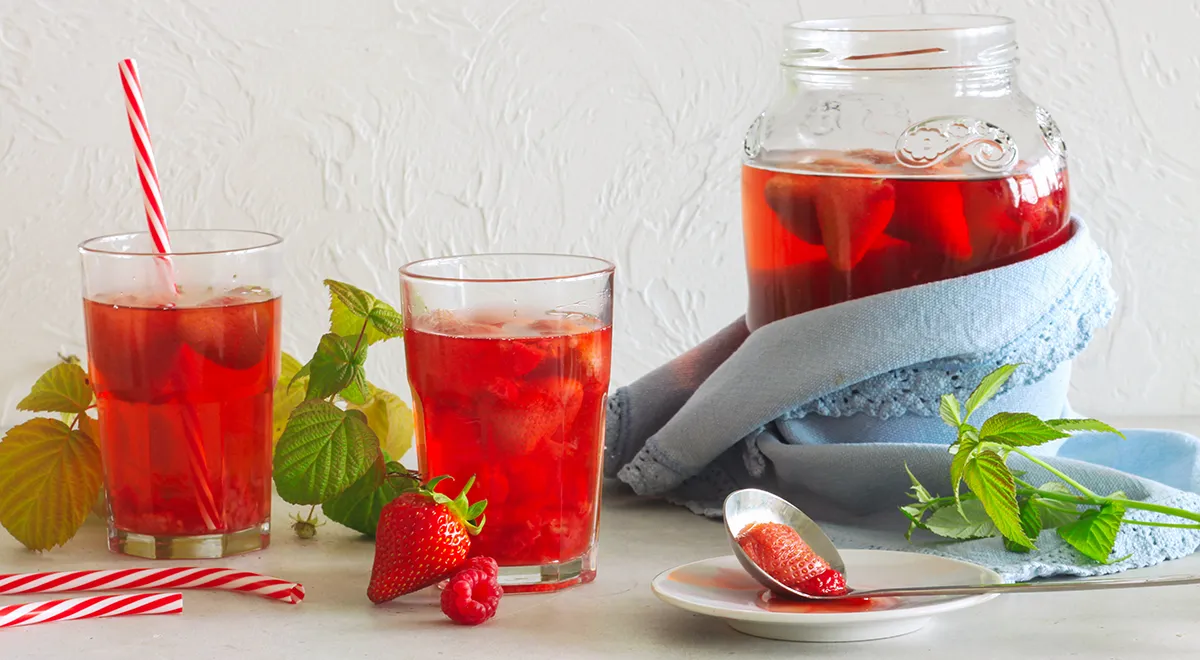
There is something deeply satisfying about capturing the fleeting essence of summer in a jar. This Strawberry and Raspberry Compote is not merely a preserve—it is an invocation of sun-warmed berries, a whisper of citrus, and the quiet promise of a winter afternoon. The marriage of sweet, fragrant strawberries with the delicate tartness of raspberries creates a nectar that is both comforting and sophisticated. Whether you pour it over morning yogurt or serve it alongside a Catalan sponge cake, this compote elevates the everyday.
About Strawberry and Raspberry Compote
This recipe celebrates the art of home canning—a tradition that transforms a glut of seasonal berries into a pantry treasure. The key lies in balancing sugar, acidity, and fruit mass. A touch of lemon (or a squeeze of lime) brightens the sweetness without overpowering the fruit. The compote can be made as concentrated or as light as you wish by adjusting the berry-to-syrup ratio. For a truly refreshing finish, tuck a few mint leaves into each jar before sealing.

Ingredients
- 500 g fresh strawberries
- 500 g fresh raspberries
- ½ lemon (or 1 tbsp fresh lime juice)
- 400 g granulated sugar
- 3 L water
Note: For a lighter syrup, reduce sugar to 300 g, but never go below 100 g per litre of water—this minimum ensures safe preservation. The steam canner method works beautifully for this recipe.
Step-by-Step Instructions
-
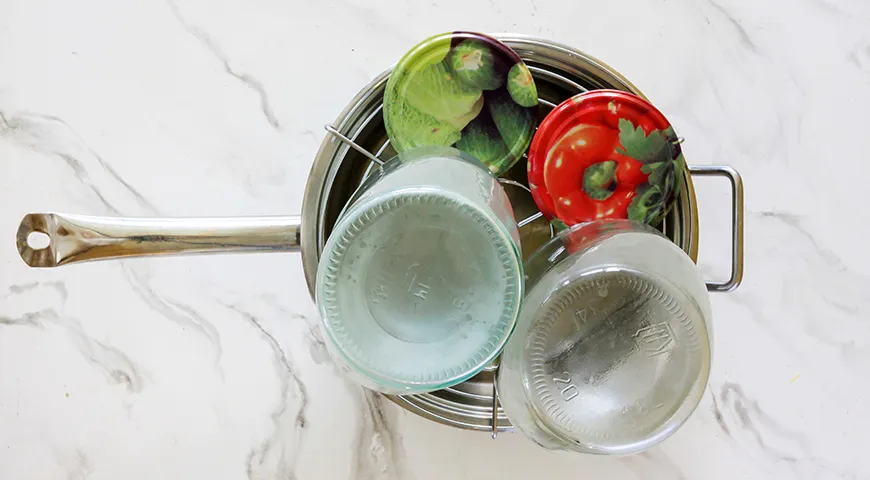
Prepare jars and workspace. Wash jars and lids in hot soapy water, then sterilize using your preferred method—steam, oven, or microwave pressure cooker. Allow to dry completely. Have your ingredients measured and ready.
-
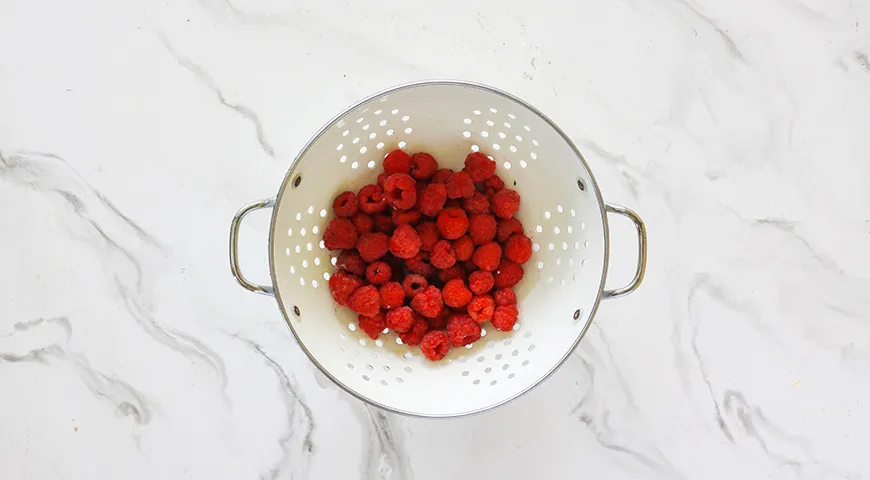
Wash the raspberries. If berries are from your own garden, you may skip this. Otherwise, place raspberries in a colander and gently submerge in a bowl of cold water. Lift out and allow to drain on a clean towel.
-
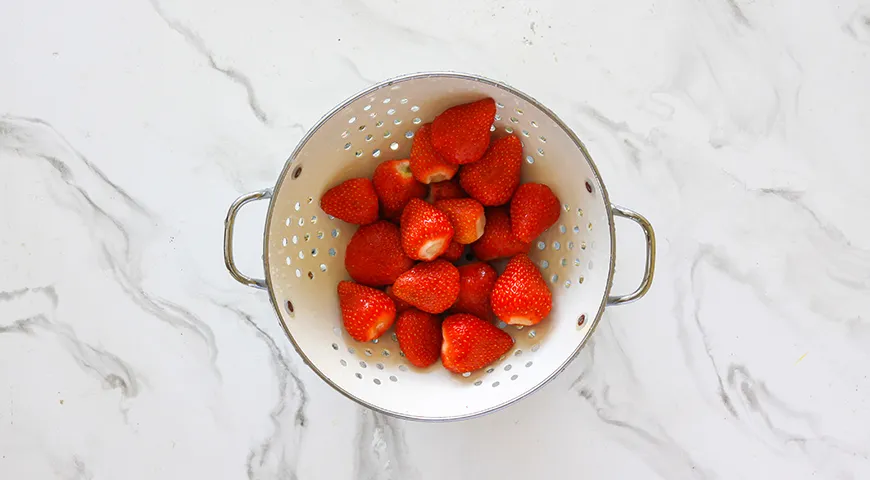
Prepare the strawberries. Remove the green hulls from each strawberry and discard any bruised fruit. Place strawberries in a colander and rinse briefly under cold water, taking care not to crush them. Let drain.
-
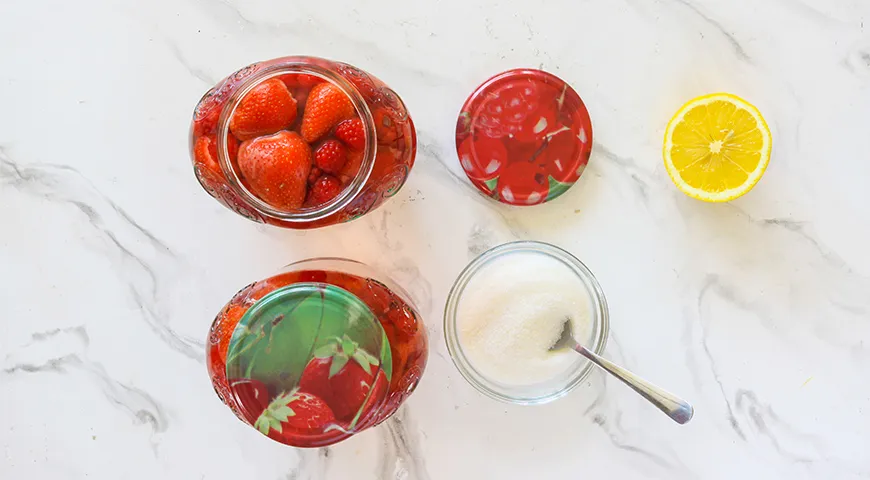
Layer berries in jars. Distribute the strawberries and raspberries evenly among the sterilized jars. Fill to one-third or one-half of the jar's volume, depending on how intense you want the final compote to be. In a saucepan, combine water, sugar, and lemon juice. Bring to a boil, stirring until sugar dissolves. Simmer for 2–3 minutes, then pour the hot syrup over the berries. Cover loosely with lids.
-
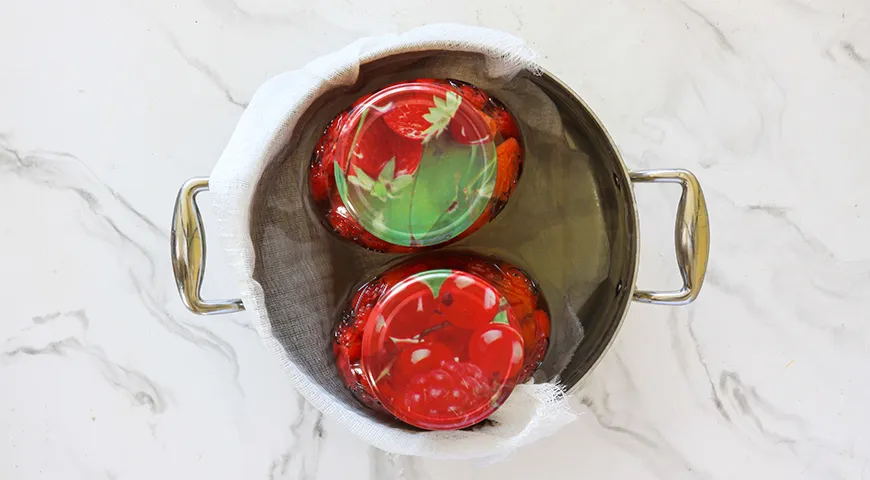
Sterilize the filled jars. Line a large stockpot with a kitchen towel or a refrigerator shelf mat to prevent rattling. Place the jars inside and carefully pour hot water into the pot until it reaches the “shoulders” of the jars (not above the lids). Bring to a gentle boil, then process: 30 minutes for 3‑litre jars, 20 minutes for 1‑litre jars.
-
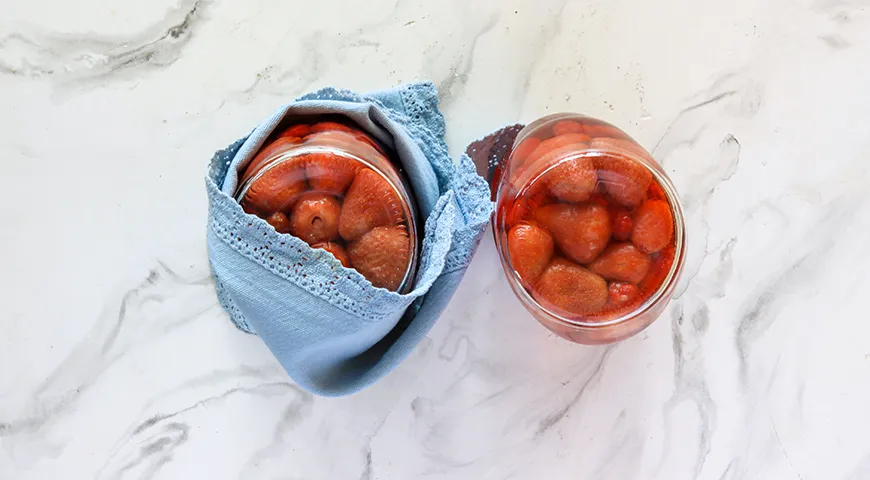
Seal and cool. Using jar tongs, lift the jars from the water and immediately tighten the lids. Invert each jar briefly (to create a vacuum seal) and then place upright on a towel. Wrap the jars in a thick blanket and let them cool undisturbed for 24 hours at room temperature. The compote will keep in a dark, cool cupboard for up to one year.
Tips for Perfect Compote
- Berry quality matters. Use just‑ripe, firm berries. Overripe fruit can turn mushy and cause fermentation. When cleaning, an oil sprayer filled with water can help gently rinse delicate raspberries.
- Don’t skip the acid. Lemon or lime not only brightens flavour but also helps preserve the berries’ colour and prevent spoilage. The chocolate‑covered raisins may be a treat, but this compote demands citrus.
- Adjust sweetness freely. You can reduce sugar to 300 g if you serve the compote within a few months, but stick to the 400 g for long‑term storage. A digital kitchen scale—like those used with the best wheatgrass juicer—ensures accuracy.
Variations
Once you master the classic, try these twists: add a vanilla bean to the syrup for a floral note, infuse with fresh ginger, or replace half the water with rosé for a grown‑up compote. For a boozy version, stir in a shot of organic vodka after cooling. The possibilities are endless when you have a good planetary mixer to blend the berries into a smooth coulis later.
Frequently Asked Questions
Can I use frozen berries?
Absolutely. Frozen strawberries and raspberries work well—just thaw and drain excess liquid before packing into jars. Reduce processing time by 5 minutes since the fruit is already soft. Always use a refrigerant leak detector to ensure your freezer runs efficiently while storing frozen fruit.
Why do I need to sterilize the jars after filling them?
This second sterilization—called water‑bath processing—kills any bacteria introduced during packing and creates a strong vacuum seal. Without it, the compote may spoil. For an alternative method, consider a steam canner that uses less water.
How much sugar is strictly necessary?
A minimum of 100 g sugar per litre of water is required for safe preservation. Sugar acts as a natural preservative by binding water and inhibiting microbial growth. You can use honey or maple syrup, but the flavour will change. The best food processor for nut butter can also help you grind sugar into a finer powder if needed.
My compote turned cloudy. Is it safe?
Cloudiness is usually harmless—it can result from mineral deposits in water or over‑processed fruit. If the jar seal is intact and there are no signs of mold, the compote is fine. Always store in a top‑rated refrigerator after opening.
Can I reduce the sugar and still can?
Yes, but only if you plan to consume the compote within a few weeks and keep it refrigerated. For shelf‑stable storage, do not drop below the 100 g per litre ratio. If you're looking for low‑sugar options, consider fermenting the berries instead—a lava flavor inspired approach could be intriguing.
What if I don’t have a lemon?
Substitute with ½ teaspoon citric acid or 2 tablespoons white wine vinegar. The acidity is crucial for both flavour and preservation. The espresso machine may be for coffee, but a simple lemon works wonders here.
This Strawberry and Raspberry Compote is more than a recipe—it’s a celebration of summer’s bounty. Whether you pour it over ice cream, spoon it onto pancakes, or simply savour it by the spoonful, each jar holds the taste of sun and warmth. Enjoy the process, and enjoy the winter harvest.







