


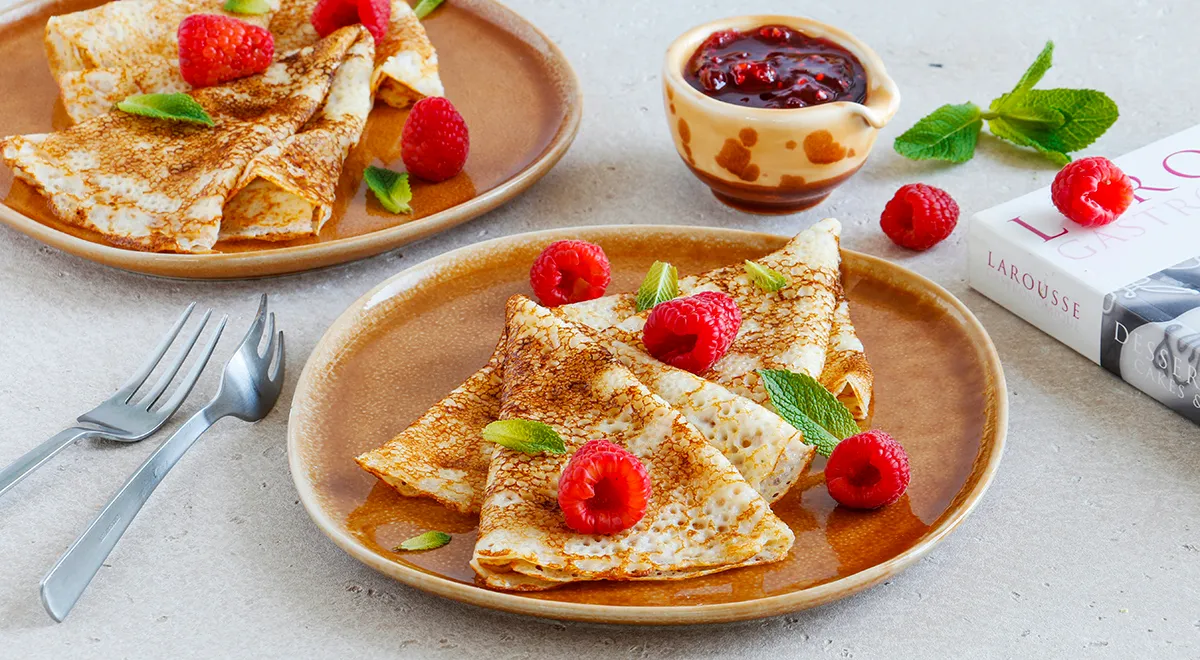
Imagine a stack of impossibly thin, lacy pancakes that are at once tender, slightly tangy, and perfectly pliable. That is the promise of Russian blini made with ryazhenka (baked fermented milk) and kefir. This recipe elevates the humble pancake into something sublime, using the gentle tang of two cultured dairy products to create a batter that yields exceptionally delicate and flavorful results. Whether served with sour cream and caviar for a festive touch, or with jam and honey for a cozy breakfast, these blini are a testament to the beauty of simple ingredients perfectly balanced.
Unlike many European crèpes, Russian blini are traditionally yeast-leavened, but this modern version uses a combination of baking soda (activated by the acidity of the kefir and ryazhenka) and hot water to create a light, almost ethereal texture. The ryazhenka contributes a subtle caramelised note, a hint of nuttiness that sets these pancakes apart from any you have tried before. In this guide, we will walk you through every step, from whisking the batter to flipping the perfect blin, with expert tips to ensure your success.

About This Recipe
Hailing from the vast culinary landscape of Russia, blini are far more than just pancakes. They are a canvas for both sweet and savoury creations, a staple at Maslenitsa (the butterweek festival), and a beloved comfort food across generations. This particular recipe draws its unique character from the combination of two cultured dairy staples: ryazhenka and kefir. Ryazhenka, with its rich, baked-milk flavour, adds depth, while kefir provides a clean tang and helps tenderise the gluten network. The result is a batter that is smooth, pourable, and produces blini with a beautiful golden-brown speckled surface that remains soft and flexible even when cool. For the best results, use room-temperature dairy, as noted in the original recipe — a detail that transforms good blini into great ones. If you are looking for more ways to use your glass mixing bowls for delicate batters, this is a perfect start.
Ingredients
- 200 g (1⅔ cups) wheat flour (plain/all-purpose)
- 2 large eggs (size C1)
- 200 ml (¾ cup + 1 tbsp) kefir, room temperature
- 200 ml (¾ cup + 1 tbsp) ryazhenka, room temperature
- 3 tablespoons vegetable oil (plus extra for greasing)
- 1 tablespoon granulated sugar
- ½ teaspoon salt
- 140–150 ml (about ⅔ cup) hot water (not boiling)
Step-by-Step Instructions
Step 1: Whisk the Eggs and Dairy
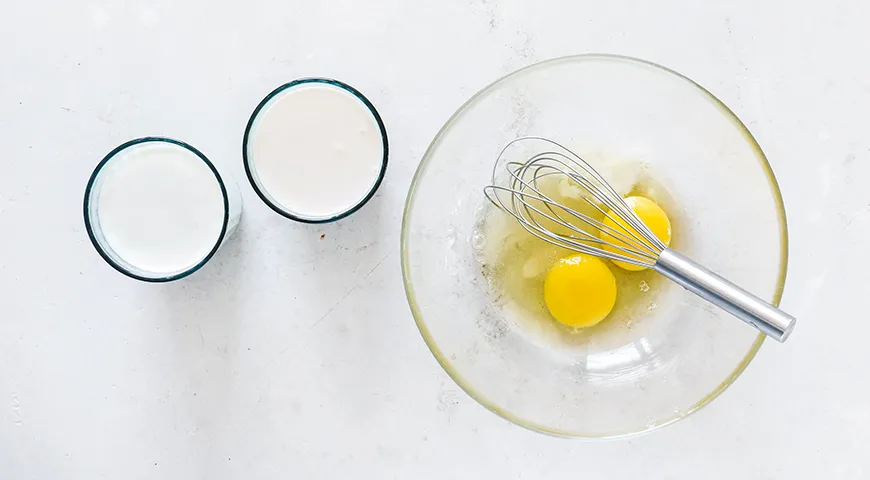
Crack the eggs into a large bowl, add the salt and sugar, and whisk vigorously by hand or with a non-toxic immersion blender for about 2 minutes until the mixture turns pale and forms a light foam. Pour in the ryazhenka and kefir and mix well. The batter should look slightly thick and creamy at this stage.
Step 2: Incorporate the Flour
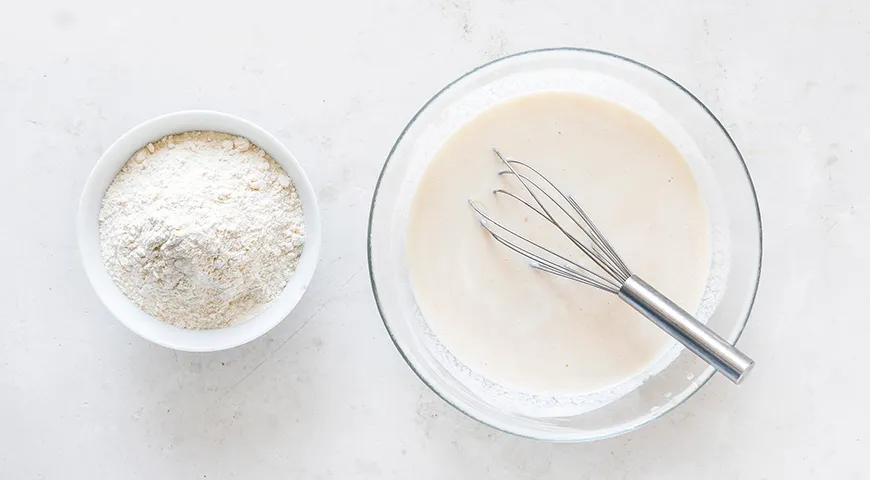
Sift the flour directly into the bowl to prevent lumps. Stir with a whisk until the batter is completely smooth, with no dry patches. Cover the bowl with a clean kitchen towel and let it rest in a warm spot for 10 minutes. This hydration step ensures a tender crumb. If you prefer using a planetary mixer, you can mix on low speed for 1 minute after adding the flour.
Step 3: Add Oil and Hot Water
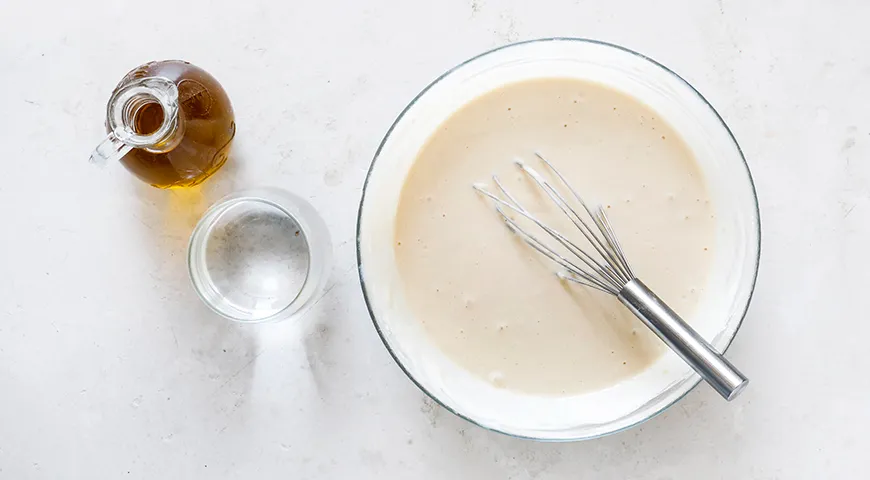
After the rest, stir in 2 tablespoons of vegetable oil and then slowly pour in 140–150 ml of hot water while whisking continuously. The hot water activates the leavening, creating a thin, flowing batter that will spread easily in the pan. The consistency should resemble heavy cream. If you have a microwave pressure cooker, use it to heat the water quickly to the ideal temperature.
Step 4: Prepare the Pan and First Pancake
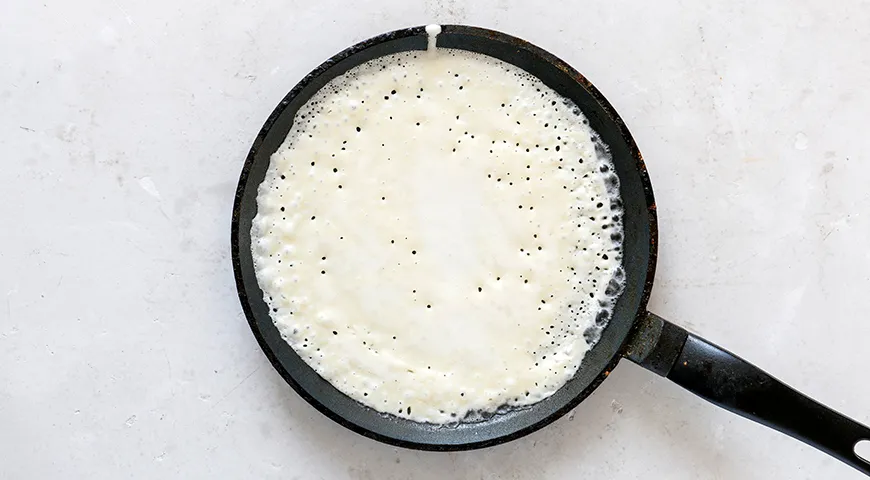
Heat a dry non-stick or cast-iron skillet over medium-high heat for about 2 minutes. A properly preheated pan is crucial for even browning. Using a best oil sprayer or a pastry brush, lightly grease the bottom with a thin film of vegetable oil. Pour a ladleful of batter into the centre and immediately tilt and swirl the pan to spread it into a thin, even circle.
Step 5: Cook the First Side
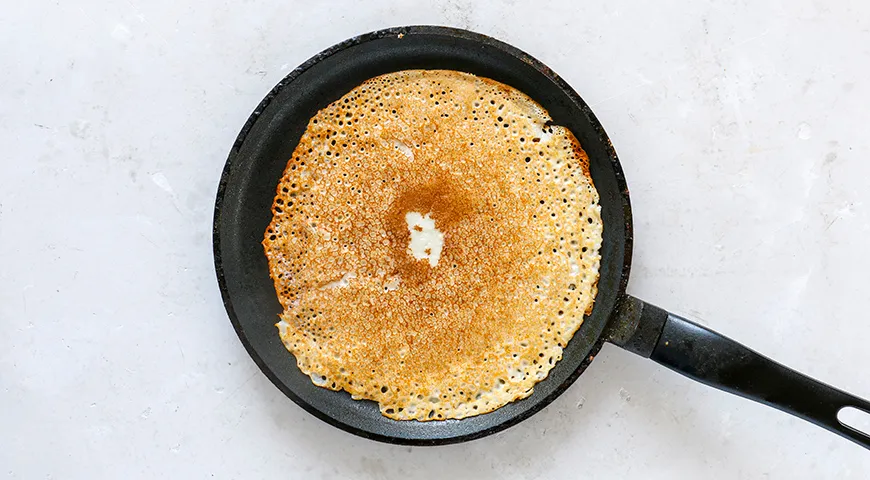
Cook the blin for 1 to 1½ minutes until the edges begin to brown and pull away from the pan, and the surface loses its shine. The bottom should be golden with small lacey holes. Flip carefully using a thin spatula or by tossing the blin in the air (if you are feeling confident). Cook the second side for about 40–45 seconds, then slide onto a plate. Repeat with the remaining batter, brushing the pan with oil only as needed (every 2–3 blini).
Step 6: Keep Warm and Serve
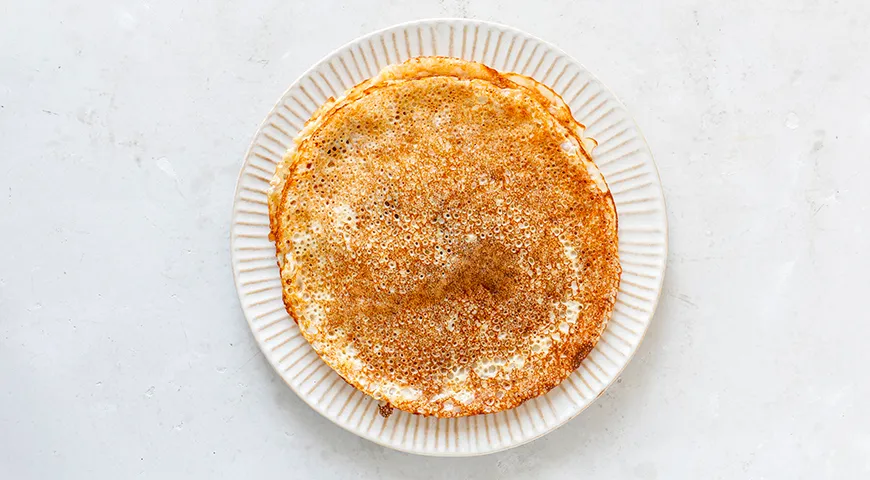
As you finish each blin, stack them on a warm plate and cover with a clean towel. To keep them warm for serving, place the plate in a slightly preheated oven (about 70°C) or in a non-toxic air fryer set to low. Continue until all batter is used. Serve immediately with your choice of accompaniments.
Tips for Perfect Pancakes
- Temperature matters: Take ryazhenka and kefir out of the fridge 30–40 minutes before starting. Cold dairy can make the batter lumpy and the blini tough.
- Rest the batter: The 10-minute rest after adding flour allows gluten to relax, ensuring tender pancakes.
- Hot pan, not smoking: The pan should be hot enough that a drop of batter sizzles, but not to the point of smoking. Adjust heat as needed.
- First pancake is a tester: The first blin often absorbs excess oil or reveals if the heat is correct. Use it to adjust.
- Keep them warm: If serving later, use a commercial countertop convection oven on low heat to maintain softness without drying them out.
Variations and Serving Ideas
These blini are incredibly versatile. For a savoury twist, omit the sugar and add chopped fresh dill or chives to the batter. Serve with smoked salmon, crème fraîche, and a squeeze of lemon. For a sweet breakfast, fill with sweetened cottage cheese or a dollop of jam and roll them up. You can also top with fresh berries and a sprinkle of chocolate-covered raisins for a decadent touch. Want to go all out? Pair them with a glass of George Howell coffee or a sweet wine with high alcohol content for a brunch that impresses. For a completely different dessert, consider a Catalan sponge cake as an alternative canvas. And if you are hosting, a best espresso machine under 2000 or a coffee maker for Airbnb can round out the experience beautifully. For a refreshing drink on the side, an undercounter ice maker ensures plenty of ice for cold beverages. If you'd like to experiment with nutty fillings, a food processor for nut butter will help you create homemade spreads. And to reheat leftovers, a wall oven microwave combo with air fryer is perfect for restoring crispness.
Frequently Asked Questions
Can I use only kefir or only ryazhenka?
Yes, you can substitute one for the other, but the unique flavour combination of both is what makes these blini special. If using only kefir, the flavour will be tangier; if only ryazhenka, it will be richer and slightly sweeter. Adjust the liquid accordingly to maintain the same total volume of 400 ml.
Why add hot water to the batter?
Hot water helps to thin the batter without adding extra fat, and it also reacts with the acidity of the cultured dairy to produce more steam during cooking, resulting in a lighter, more delicate crumb with small lacey holes.
How do I prevent my blini from tearing?
Ensure your batter is smooth and not too thick. Let the first side cook sufficiently before flipping—if the edges are not browned, the blin will be too fragile. Also, use a thin, flexible spatula. If tearing persists, add a tablespoon of flour to the batter to strengthen it.
Can I make the batter ahead of time?
It is best to cook the blini immediately after making the batter, as the leavening effect of the hot water is temporary. However, you can prepare the dry mix and combine wet ingredients separately, then mix just before cooking. Cooked blini keep well for 2 days in the refrigerator.
What is the best way to reheat blini?
Reheat them in a dry skillet over medium heat for about 30 seconds per side, or in a preheated oven at 150°C (300°F) for 5 minutes. Avoid microwaving, as it makes them rubbery. A non-toxic air fryer at 160°C for 2–3 minutes works beautifully.
Can I freeze these blini?
Absolutely. Stack them with a sheet of parchment paper between each pancake, wrap tightly in plastic wrap and foil, and freeze for up to 3 months. Thaw in the fridge overnight and reheat as above.
What is the ideal fat content for kefir and ryazhenka?
The recipe does not specify, but full-fat (3.2–4%) dairy yields richer, more tender blini. Low-fat versions will work but may result in slightly drier pancakes. For the best texture, choose full-fat cultured products.







